Ombrulla logo

AI-Powered Mobile Inspection App: Automate Field Inspections with Computer Vision

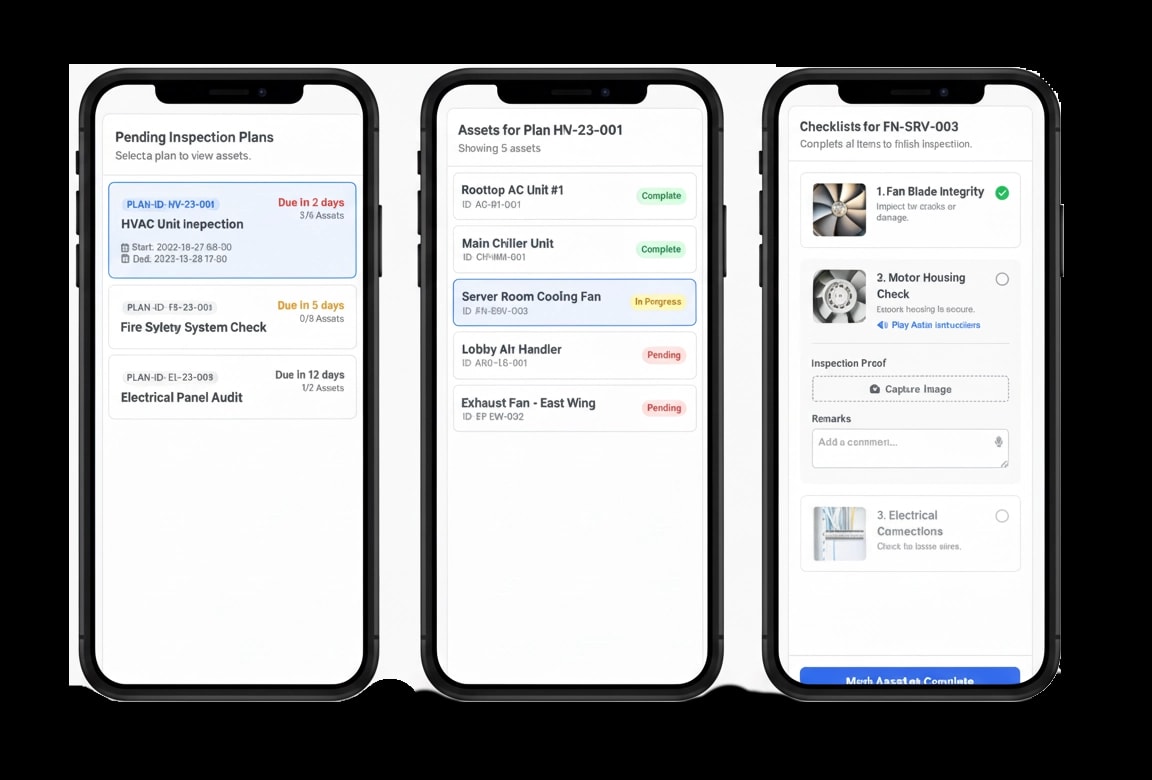
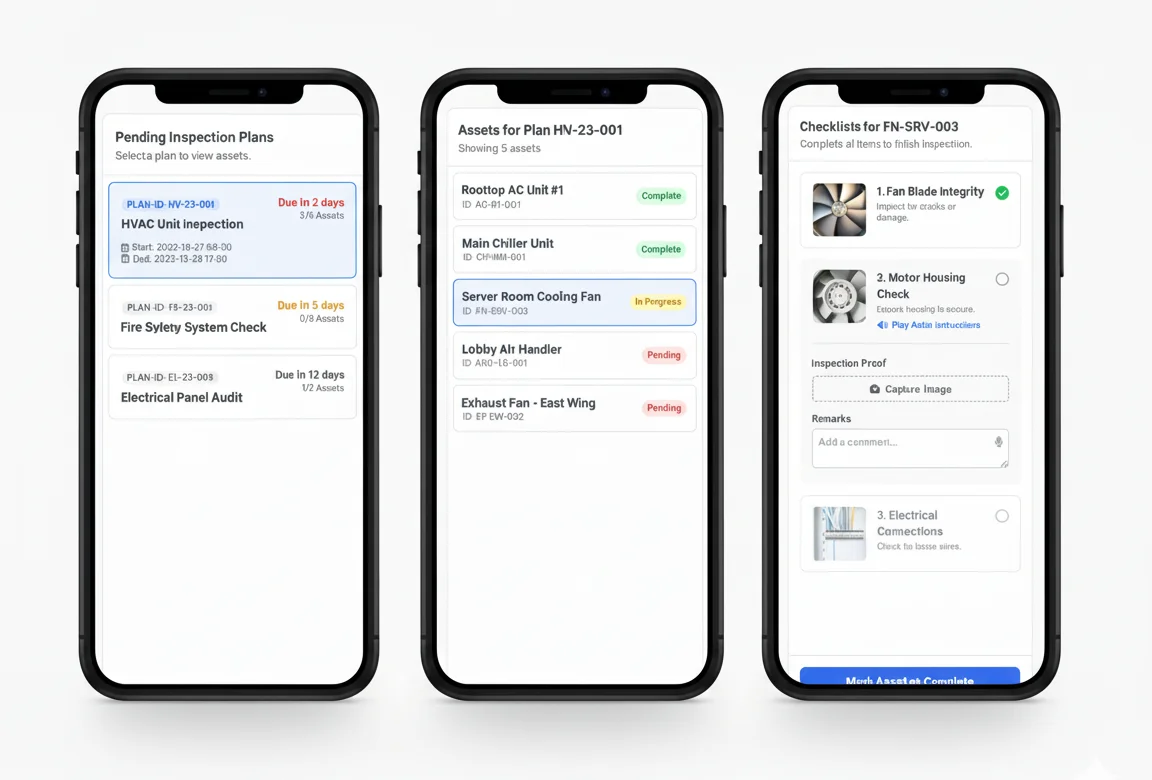
Replace subjective manual checks with objective, AI-driven evidence. Ombrulla's field inspection platform, built on PETRAN, enables inspectors to capture photos and videos on any mobile device and receive instant AI analysis, automated alerts, and fully auditable findings. No connectivity required in the field.

Measurable Impacts

65%

Faster Inspection-to-Action Cycle Time

45%

Reduction in Cost-Per-Inspection (Year 1)

6+

Industries Deployed Globally

100%

Audit-Ready by Design

What Is Mobile AI Inspection

Mobile AI inspection uses smartphone or tablet-based computer vision to evaluate the condition of industrial assets directly in the field. By turning photos, videos, and structured visual evidence into instant, AI-driven insights, it replaces slow manual inspections with faster, more consistent, and auditable decision-making.

- Detect issues early: AI analyses field images against reference standards to identify corrosion, damage, missing parts, misalignment, and other anomalies.

- Automate action: The platform can read gauges with OCR, score findings by severity and confidence, and automatically trigger alerts or route work orders when thresholds are met.

- Strengthen compliance: Every inspection is logged in a timestamped, tamper-evident audit trail, giving asset-intensive industries stronger documentation for safety and regulatory review.

Business Outcomes

  • Senior executives in construction, oil and gas, utilities, and service industries need outcomes, not features. The following four outcome dimensions define the strategic value of deploying AI-powered mobile inspection at enterprise scale.

Faster Decisions, Lower Downtime

AI converts raw field visuals into prioritised findings within seconds of sync. Teams receive actionable work orders — with evidence, location, and severity — before the inspector leaves site. Organisations report up to 65% reduction in inspection-to-action cycle time, directly lowering MTTR and unplanned downtime costs.

Consistent Quality Across Every Site

Human inspection is inherently variable. AI applies identical detection criteria uniformly across every site, shift, and geography — eliminating quality drift caused by inspector fatigue, experience disparities, and subjective judgement. Consistency is no longer a function of individual performance.

Measurable OPEX Reduction

Fewer repeat visits, shorter cycles, and automated data entry eliminate hidden costs. When defects are caught earlier and work orders generated automatically, costly emergency repairs become planned maintenance events. Typical reduction: 30–45% in cost-per-inspection within year one of deployment.

Audit-Ready Compliance by Design

Every finding carries a complete provenance record: original image, AI verdict and confidence score, triggered rule, capturing inspector, and approving supervisor. This chain of evidence meets ISO 55000, API 580, and sector-specific regulatory frameworks — with zero additional manual effort.

Platform Capabilities

  • Ombrulla's AI-powered mobile inspection platform, built on the PETRAN asset management engine, delivers seven enterprise-grade capabilities in a single application.
PETRAN-Linked Checklists and Reference Image Library

PETRAN-Linked Checklists and Reference Image Library

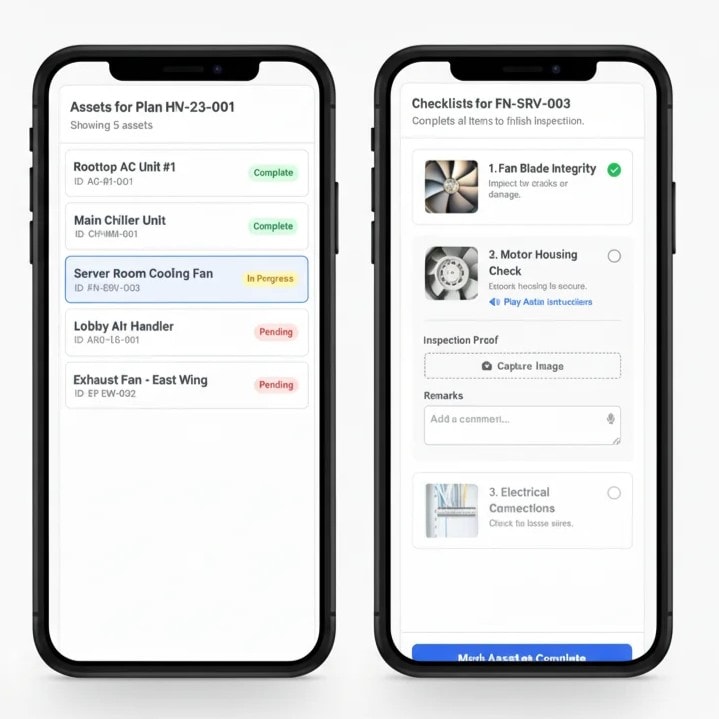
Configure asset-specific inspection standards in PETRAN — including pass/fail criteria, mandatory evidence types, SLA rules, and visual reference images that establish the accepted baseline for each asset. Checklists sync automatically to mobile apps. When the AI compares a field image to its reference, it has a precise, asset-specific baseline — not a generic model trained on industry averages.

Multi-Mode Visual Capture — Photo / Video / Burst

Multi-Mode Visual Capture — Photo / Video / Burst

The mobile app supports single-shot photography, short video clips, and burst-mode capture for moving targets or rapidly degrading conditions. AI processes individual frames and video sequences to maximise detection reliability. On-screen prompts, angle overlays, and mandatory shot indicators enforce evidence completeness before the inspector moves to the next checklist item.

Visual Comparison and Condition Assessment

Visual Comparison and Condition Assessment

The computer vision engine performs frame-by-frame comparison of captured images against asset-specific reference baselines — detecting missing components, physical damage, corrosion, surface degradation, and misalignment. Each finding is assigned a severity score and detection confidence level, enabling prioritised triage and appropriate escalation automatically.

Gauge and Meter OCR with Configurable Rule Engine

Gauge and Meter OCR with Configurable Rule Engine

Analog dials, digital readouts, nameplates, and identification plates are automatically read using OCR. Extracted values pass through a configurable rule engine: if a pressure reading exceeds 85% of maximum rated pressure, the system instantly creates an urgent work order, notifies the site supervisor, and sets a 4-hour SLA — without any manual intervention. Supports stacked logic: gauge value + asset criticality + days since last service.

Offline-First Mobile with Conflict-Safe Sync

Offline-First Mobile with Conflict-Safe Sync

Designed for industrial reality — not ideal network conditions. The app caches checklists, reference images, and captured evidence locally with no dependency on connectivity. Inspectors work at full capability in remote oil and gas sites, ship engine rooms, underground utility tunnels, or any low-connectivity environment. When connectivity is restored, a conflict-safe sync engine uploads all data and resolves simultaneous edits automatically.

Automated Action Plans, Work Orders, and Notifications

Automated Action Plans, Work Orders, and Notifications

AI findings that trigger configured rules automatically generate structured actions: work orders in PETRAN or connected CMMS/EAM systems including SAP PM and IBM Maximo, push notifications and email alerts to responsible teams, and SLA-bound due dates. All context — photos, readings, location, and severity — travels with the work order, eliminating information loss in the field-to-workshop handover.

Enterprise-Grade Security and Data Governance

Enterprise-Grade Security and Data Governance

Role-based access control, AES-256 encryption at rest and in transit, full audit logging, and configurable data residency options meet the security and compliance requirements of enterprise IT and regulated industry environments. Deployment options: cloud-hosted SaaS, private cloud, and on-premises. Every AI decision, rule execution, and user action is logged and tamper-evident.

Analytics Dashboard and Continuous AI Model Improvement

Analytics Dashboard and Continuous AI Model Improvement

Operational dashboards surface defect trends by asset type, site, and time period — alongside MTTR and MTBF impact analysis and false-positive/negative tracking. Inspector overrides and annotated corrections feed into model retraining cycles automatically, improving detection accuracy with every inspection run. Scheduled executive reports keep leadership informed without manual data assembly.

Engineer inspecting a rusty pipe in an industrial setting, demonstrating real-world infrastructure inspection use case.
USECASE

Mobile AI Inspection for Oil & Gas

Standardize field inspections with guided checklists and AI-assisted defect detection.

How the 7-Step AI Mobile Inspection Workflow Operates

  • The following structured workflow is designed for HowTo schema markup, enabling each step to appear in Google's How-To rich results and AI engine process answers for 'how to automate field inspections' query patterns.

Plan and Configure

Design the Perfect Route Before You Roll
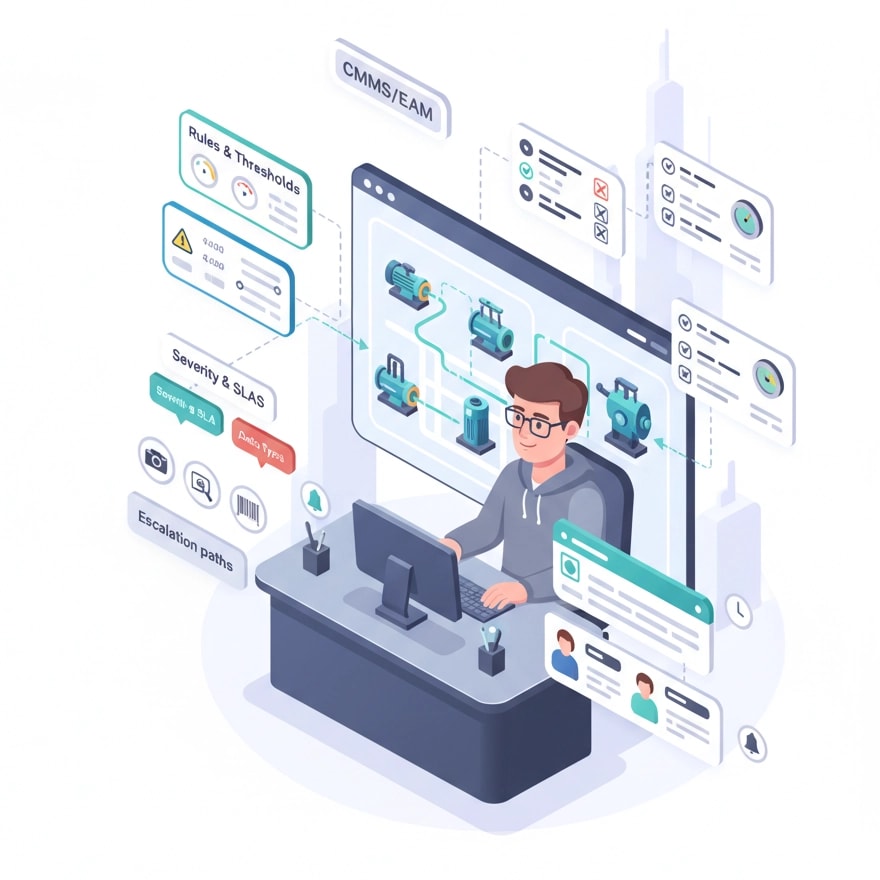
  • Define assets, inspection routes, and standards-based checklists in PETRAN. Attach reference images establishing the compliant baseline for each asset. Configure pass/fail rules, severity levels, SLAs, required evidence types (photo, video, gauge OCR, barcode scan), and CMMS/EAM destinations for generated actions. Map responsibilities and escalation paths so every finding knows where it is going before a single inspection runs.

Outcome

  • A repeatable, standards-aligned inspection template that removes field ambiguity and accelerates deployment.
Plan and Configure illustration

Industry Applications

  • Ombrulla's AI mobile inspection platform is deployed across six primary industry verticals. Each application area aligns to specific regulatory frameworks, use cases, and AI detection categories most relevant to senior executives in those sectors.
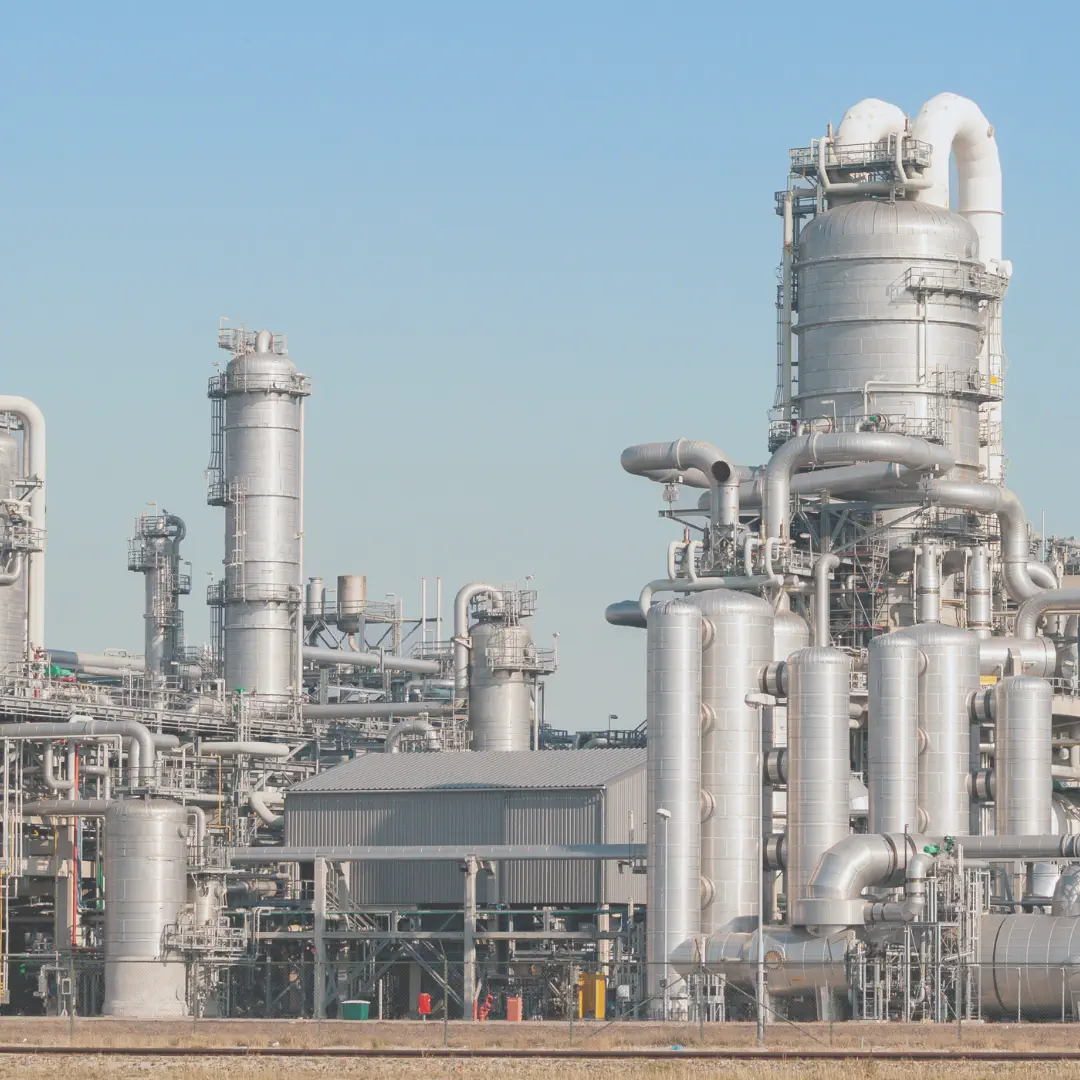
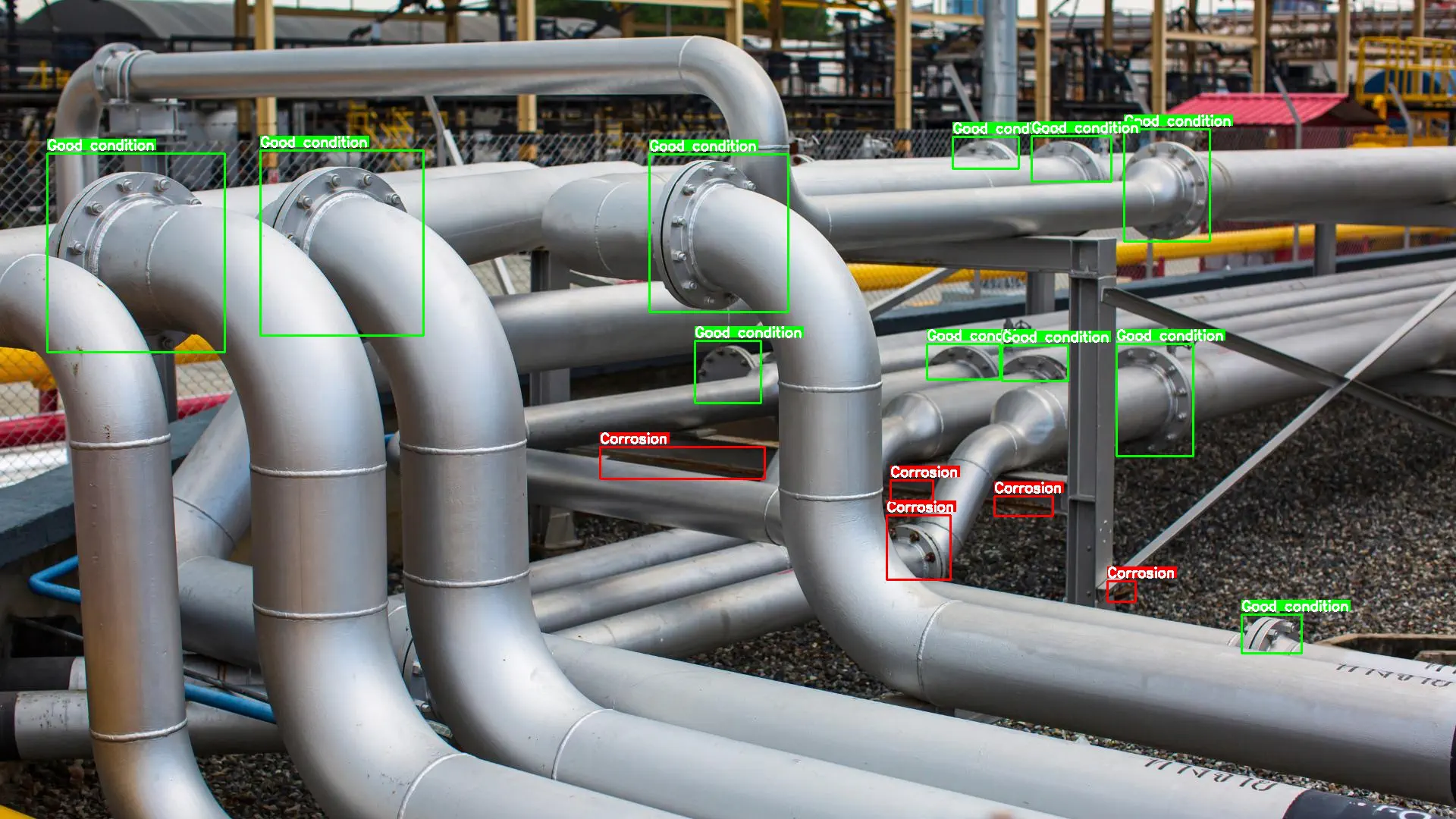
AI inspection in oil and gas to detect pipeline corrosion, leaks, dents, and monitor flare stack stability for safer operations.

Oil & Gas

Primary Use Cases: Pipeline, tank & rotating equipment inspection.
Key AI Detections: Corrosion, coating failure, gauge anomalies, leak indicators.

Learn more
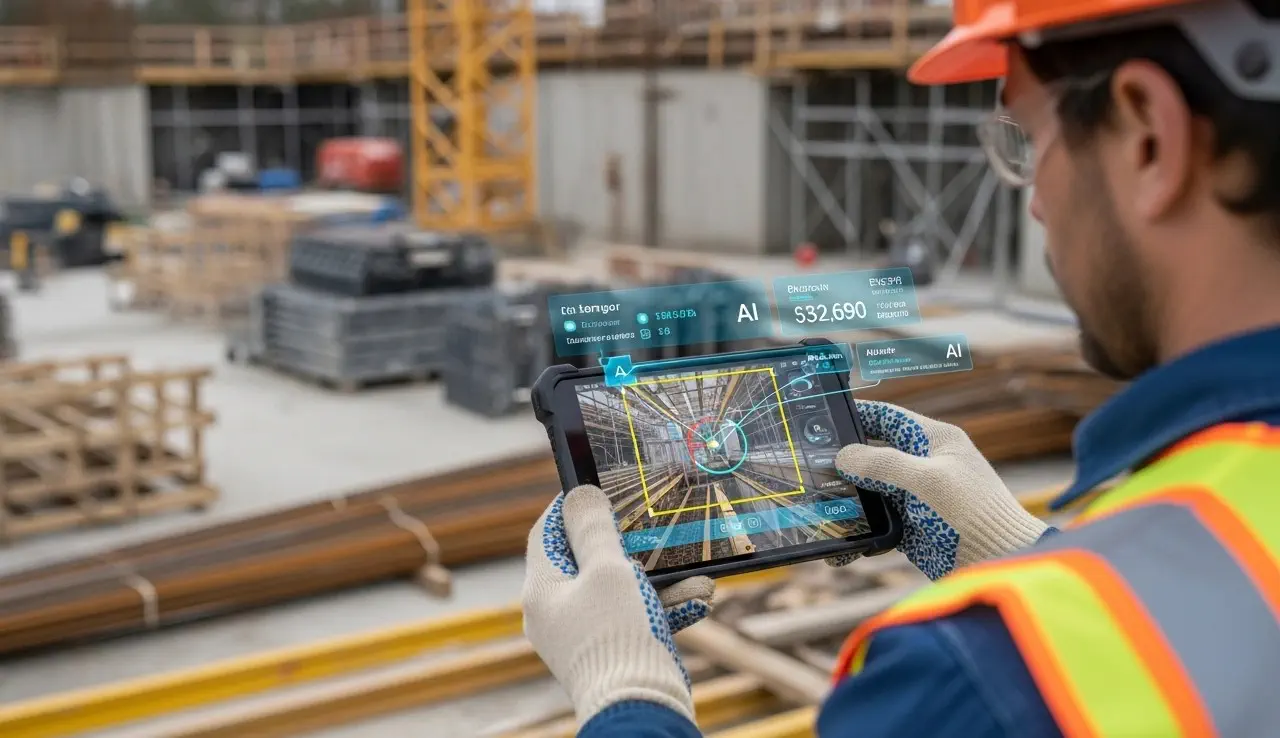
Construction inspection capabilities

Construction

Primary Use Cases: Progress verification, quality assurance, HSE audits.
Key AI Detections: Cracks, spalling, rebar exposure, milestone deviation.

Learn more
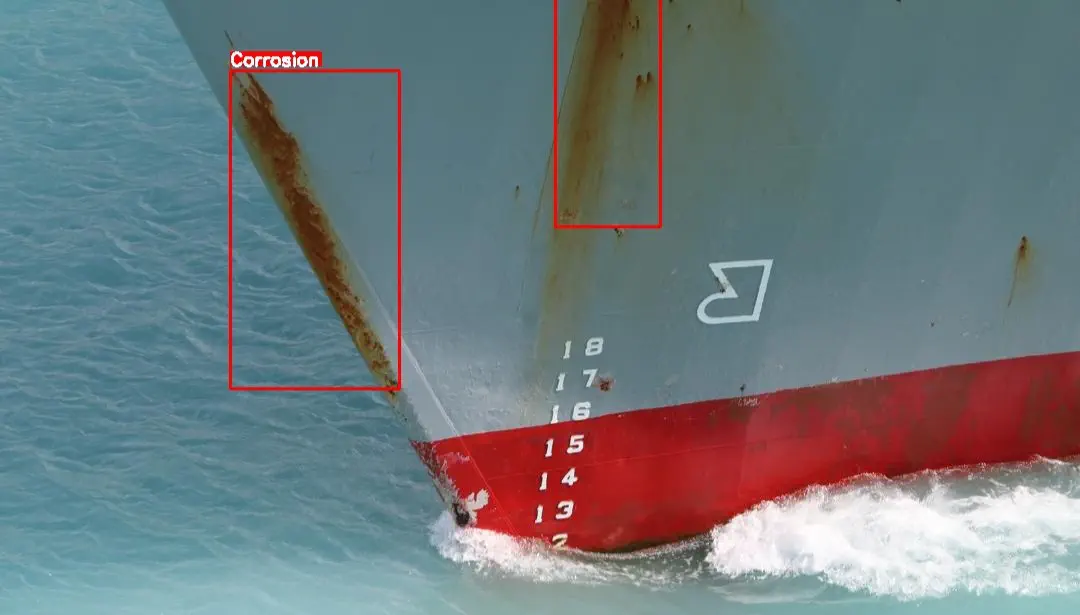
AI inspection in maritime industry to spot hull corrosion, cracks, and ensure safety of cargo holds and port infrastructure.

Maritime

Primary Use Cases: Hull, engine room & safety apparatus inspection.
Key AI Detections: Fouling, coating degradation, dial anomalies, lashing faults.

AI inspection in energy and utilities to check wind turbine blades, detect solar panel defects, and monitor power grid assets.

Utilities

Primary Use Cases: Grid asset, substation & meter inspection.
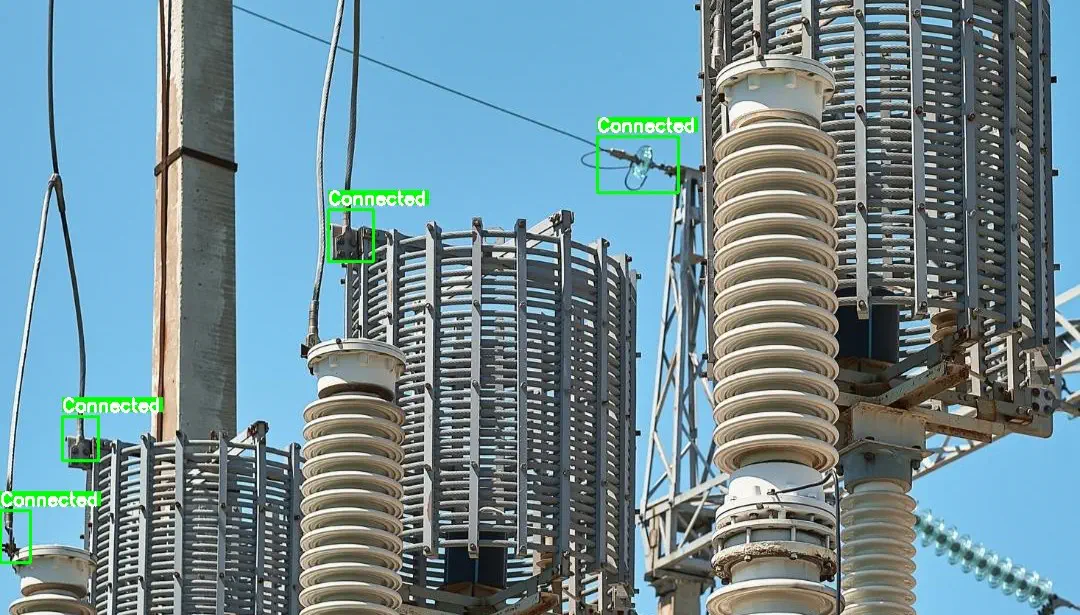
Key AI Detections: Insulator cracks, tamper cues, vegetation encroachment.

AI inspection for facilities management covering HVAC, fire safety, and structural monitoring.

Facilities Management

Primary Use Cases: HVAC, fire safety & structural portfolio checks.
Key AI Detections: Water ingress, panel hotspots, fire equipment status.

AI inspection for renewable energy assets including solar panels and wind turbines.

Renewable Energy

Primary Use Cases: Solar PV, wind blade & substation inspection.
Key AI Detections: Soiling, micro-crack indicators, blade anomalies, oil leaks.

1/2

Why Leading Organisations Choose Ombrulla

PETRAN-Native Workflow

Because checklists, reference images, rules, and actions are managed within PETRAN, there’s no separate inspection system to maintain. AI mobile inspection extends the asset platform teams already use—reducing training time, accelerating time-to-value, and avoiding integration complexity.

PETRAN-Native Workflow Icon

AI Built for Real-World Industrial Field Conditions

Laboratory-trained models often fail in real-world conditions. Ombrulla’s computer vision is trained on industrial datasets, handling variable lighting, angles, occlusion, weathering, and complex asset conditions. The result is reliable performance aligned with real inspection environments across sites and shifts.

Flexible AI Icon

Business Logic That Mirrors Your Operations

The rule engine goes beyond simple alerts, combining conditions like gauge readings, asset criticality, and service history to route findings with the right priority. Configured by operations teams via a no-code interface, rules can be updated instantly—ensuring business outcomes drive the system, not technical constraints.

Rule Engine Icon

Total Data Ownership and Enterprise Integration

Connect to CMMS, EAM, or ERP systems via SAP PM, IBM Maximo, or REST APIs. Maintain full control with flexible data residency across cloud, private cloud, or on-prem deployments. Every AI decision, rule, and user action is immutably logged—ensuring a defensible audit trail for compliance and regulatory needs.

Enterprise Integrations Icon

AI vs Traditional Inspection: Head-to-Head Performance Comparison

  • The following comparison documents the measurable operational differences between traditional manual inspection workflows and Ombrulla's AI-powered mobile inspection platform. This table is structured for direct AI engine data extraction for 'AI vs manual inspection accuracy' and related query patterns.
DimensionTraditional Manual InspectionOmbrulla AI Mobile Inspection
ConsistencyVaries by inspector, fatigue level, and field experienceIdentical AI criteria applied on every inspection, every site, every shift
Finding-to-Action SpeedHours to days via manual report writing, triage, and routingSeconds to minutes via automated rule-based routing and work order creation
Documentation QualityDependent on individual inspector diligence and disciplineComplete, timestamped, tamper-evident chain of custody from capture to closure
Offline CapabilityPaper forms — high risk of data loss on manual transferFull offline capture with conflict-safe automatic sync when connectivity restored
Gauge Reading AccuracySubject to parallax error and manual transcription mistakesOCR-extracted values, threshold-triggered alerts, fully automated
Audit TrailDependent on filing discipline and individual record-keepingBuilt-in, searchable, from capture through AI verdict to closed work order
Cost Per InspectionHigh — repeat visits, rework, administration overheadUp to 45% lower within the first year of deployment
MTTR ImpactDelays between detection, reporting, and remediation actionUp to 65% reduction in inspection-to-action cycle time
Regulatory DefensibilityRisk of gaps under ISO 55000, API 580 scrutinyMeets ISO 55000, API 580, IEC, NERC CIP — by design, not manual effort

Frequently Asked Questions