

Introduction
Industrial IoT real-time monitoring platform enables Lone Worker Tracking that is becoming essential in today’s increasingly globalised and mobile workforce. As more employees operate independently without direct supervision or nearby coworkers, the need for effective monitoring solutions has never been greater. These "lone workers" span various industries and roles, enjoying flexibility and autonomy but also facing unique challenges and safety risks. This comprehensive blog post explores who lone workers are, the industries they represent, the potential hazards they encounter, and the strategies employers can implement to ensure their safety, well-being, and compliance. AI visual inspection system for industrial monitoring provides visual safety monitoring capabilities.
Understanding Lone Workers
A lone worker is any employee who carries out their duties without close or direct supervision. This means that even within traditional work environments, certain individuals can qualify as lone workers if they work in isolation, such as a factory worker on a late shift or a service technician attending to remote locations. The key feature is the lack of immediate help or support in case of emergencies.
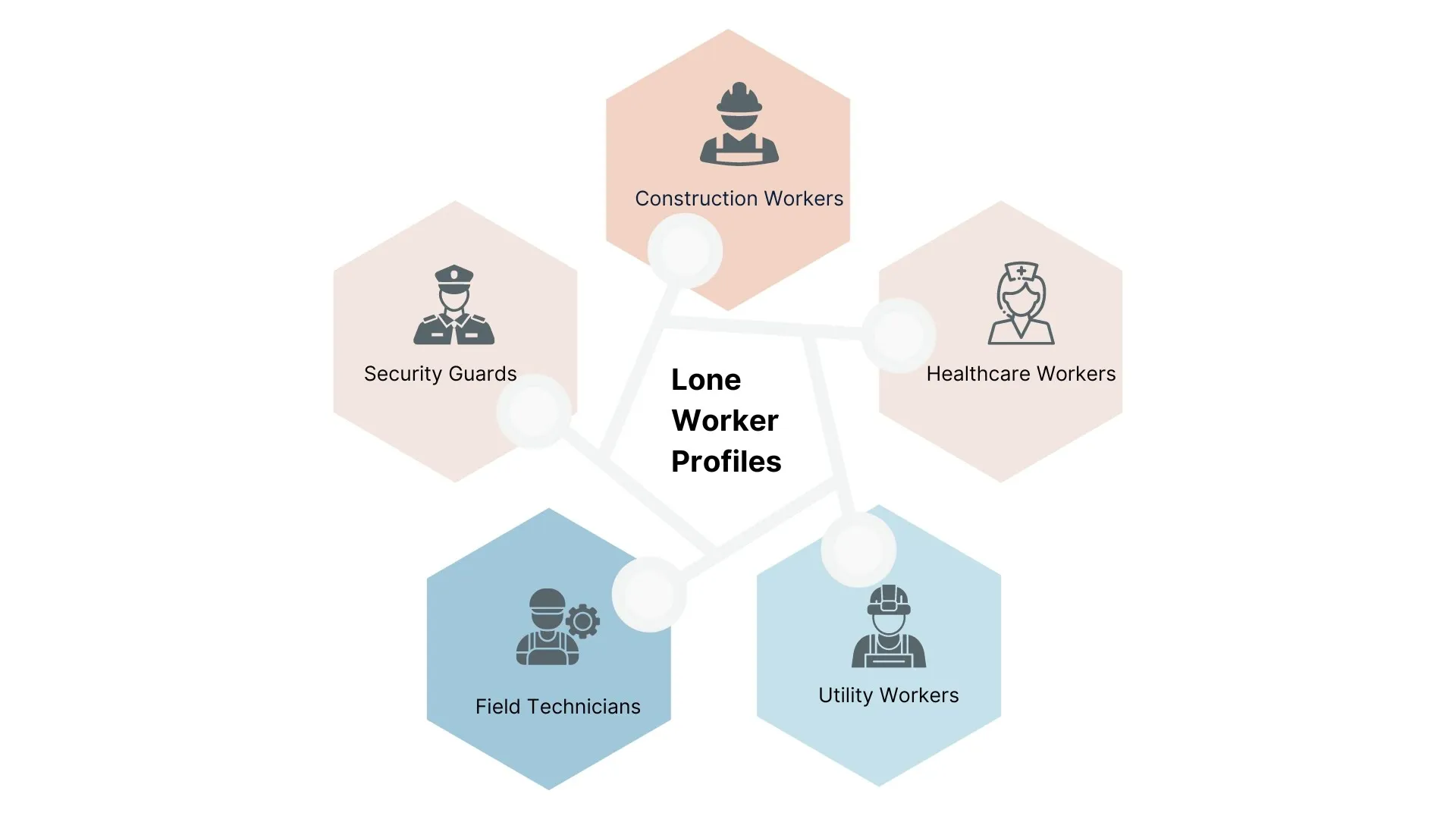
Common Lone Worker Profiles:
- - Construction Workers:Individuals working on large sites where teams are dispersed over a vast area.
- - Field Technicians:Engineers and maintenance workers who visit off-site locations for repairs and checks.
- - Healthcare Workers:Nurses and caregivers providing services in private homes.
- - Utility Workers:AI infrastructure inspection for industrial assets supports Utility Workers who maintain power lines, gas infrastructure, or water systems in remote areas.
- - Security Guards:Stationed at isolated sites, working late shifts with minimal interaction.
Industries Where Lone Work is Common
Lone work is found in many sectors, each with its unique challenges and risks. Below are some industries where lone workers are essential:
- - 1. Construction:In the construction industry and manufacturing sectors, lone work occurs frequently due to the expansive nature of worksites. AI solutions for manufacturing operations enhance workplace safety protocols. Workers often operate machinery, inspect sites, or manage remote areas independently. Agentic AI for autonomous operational workflows automates safety monitoring intelligently. Hazards include accidents with heavy machinery, falls, or health-related emergencies, all of which require fast response mechanisms.
- - 2. Oil & Gas:Remote and offshore sites in the oil and gas industry are staffed by workers who often operate alone. These employees are exposed to extreme environmental conditions and potential accidents with heavy equipment or hazardous substances. With limited immediate support, AI predictive maintenance software for industrial assets helps them rely on advanced monitoring technologies.
- - 3. Healthcare:Healthcare professionals, particularly those providing care in patients' homes, face risks ranging from violent encounters to medical emergencies. They are isolated while delivering critical services, making real-time communication tools and emergency alerts essential.
- - 4. Utilities:Electricians, plumbers, and water supply technicians often work alone in remote locations, climbing electrical towers or entering confined spaces. Their safety depends on technology that can notify emergency responders if something goes wrong. AI and IoT operational sustainability platform ensures reliable safety systems.
- - 5. Logistics:Delivery drivers, couriers, and transport personnel frequently operate alone for long stretches of time, often during late hours. Their exposure to potential accidents or criminal activities increases the need for safety measures.
Risks Faced by Lone Workers
Lone workers face a range of physical, environmental, and psychological risks due to their isolation:
Physical Risks
- - - Workplace Accidents:Without direct supervision, lone workers are more vulnerable to accidents, especially those involving machinery or hazardous materials. Ensuring workplace safety in such environments is crucial, requiring robust protocols and monitoring systems to mitigate risks and respond promptly to emergencies.
- - - Health Emergencies:A medical condition such as a heart attack or a stroke can be life-threatening without immediate access to help.
- - - Environmental Dangers:In industries like oil & gas, extreme weather conditions, chemical leaks, or explosions can put workers in life-threatening situations.
Psychological Risks
- - - Isolation:Prolonged periods of working alone can lead to feelings of loneliness and stress, which may affect mental health and productivity.
- - - Increased Stress:Being solely responsible for personal safety and decision-making in risky environments can cause burnout.
Security Risks
- - - Assault and Violence:In industries like healthcare and logistics, lone workers may encounter aggressive or dangerous individuals.
- - - Theft or Robbery:Delivery personnel and remote security guards may be targeted in secluded locations.
Protecting Lone Workers: Employer Responsibilities
Employers have a legal and moral obligation to protect the safety and well-being of their lone workers. Custom AI solutions for industrial operations can be tailored to specific workplace safety needs. Here are some key strategies that employers can implement to mitigate risks and create a safe working environment:
- - 1. Risk Assessment:Conduct a thorough risk assessment to identify potential hazards and evaluate the level of risk associated with lone work.
- - 2. Training and Education:Provide comprehensive training to lone workers on safety procedures, emergency response, and how to recognize and respond to potential threats.
- - 3. Communication and Monitoring:AI asset performance management platform helps establish regular communication channels with lone workers and implement monitoring systems to ensure their safety and well-being.
- - 4. Emergency Procedures:Develop clear emergency procedures and ensure that lone workers are familiar with them.
- - 5. Personal Safety Equipment (PSE):Provide appropriate PSE, such as protective clothing, safety gear, and communication devices.
- - 6. Support Services:Offer access to support services, including counseling, mental health resources, and employee assistance programs.
- - 7. Technology Solutions:Explore the use of technology solutions, such as lone worker alarm systems, GPS tracking, and wearable devices, to enhance safety and monitoring.
Technological Solutions for Lone Worker Safety
The growing number of lone workers has led to the development of safety technologies aimed at minimising risks and improving real-time communication. Mobile applications designed for lone workers are among the most effective tools for ensuring safety.
Lone Worker Mobile Applications :
Mobile apps for lone workers offer several key features that help manage incidents and provide emergency alerts in case of danger. These apps can be customised to suit the specific needs of different industries. By integrating Mobile AI Inspection, these applications can also assist in real-time hazard detection and environment monitoring, enhancing safety measures and enabling proactive responses to potential risks.
Key Features of Lone Worker Apps :
- - 1. Real-Time Location TrackingGPS-enabled apps track the location of lone workers, providing supervisors with real-time data. This is particularly useful for field workers in remote or hazardous areas where locating the employee quickly can be critical during an emergency.
- - 2. Scheduled Check-InsWorkers are prompted to check in at regular intervals to confirm their safety. If a worker fails to check in, the app can automatically send an alert to their supervisor.
- - 3. Panic ButtonA panic button feature allows lone workers to send an immediate distress signal with their location to supervisors or emergency responders. This is crucial in situations where workers are incapacitated or in physical danger.
- - 4. Incident ReportingApps enable workers to report incidents such as equipment failure, environmental hazards, or personal injuries. This data helps the employer take preventive measures and make informed decisions to improve safety protocols.
- - 5. Emergency AlertsIn case of emergencies like falls, gas leaks, or exposure to hazardous substances, IoT-enabled devices connected to mobile apps can trigger automatic emergency alerts, ensuring that help is dispatched promptly.
Best Practices for Employers Managing Lone Workers
Employers play a vital role in ensuring the safety of lone workers. Effective management involves a combination of policies, training, and technology adoption.
- - 1. Develop a Lone Worker Safety Policy:A comprehensive safety policy should outline the protocols for lone work, including risk assessments, regular check-ins, and emergency response procedures.
- - 2. Provide Training on Incident Management:All lone workers should be trained on how to use mobile apps, wearables, and other safety equipment. Training should also cover how to assess risks, report incidents, and respond to emergencies.
- - 3. Utilise AI and IoT for Predictive Maintenance:In industries like construction and oil & gas, equipment failure can result in severe consequences for lone workers. Predictive Maintenance tools powered by AI and IoT sensors help detect potential equipment malfunctions early, allowing for timely intervention.
Conclusion: The Future of Lone Worker Safety
As industries continue to rely on isolated work conditions, ensuring the safety of lone workers will remain a top priority. By leveraging AI, IoT, and mobile technology, organisations can not only track their employees but also provide them with real-time support in case of emergencies. With proactive incident management, real-time alerts, and robust communication systems, lone worker safety is becoming more effective and reliable.
The future of lone worker safety lies in advanced technology that promotes rapid response, risk mitigation, and, most importantly, peace of mind for those who work in isolation. The PETRAN AI asset performance platform demonstrates how comprehensive operational intelligence can enhance worker safety. By continuously evolving safety practices through innovative solutions, organisations can create a safer working environment for their employees.