What is a custom AI solution?
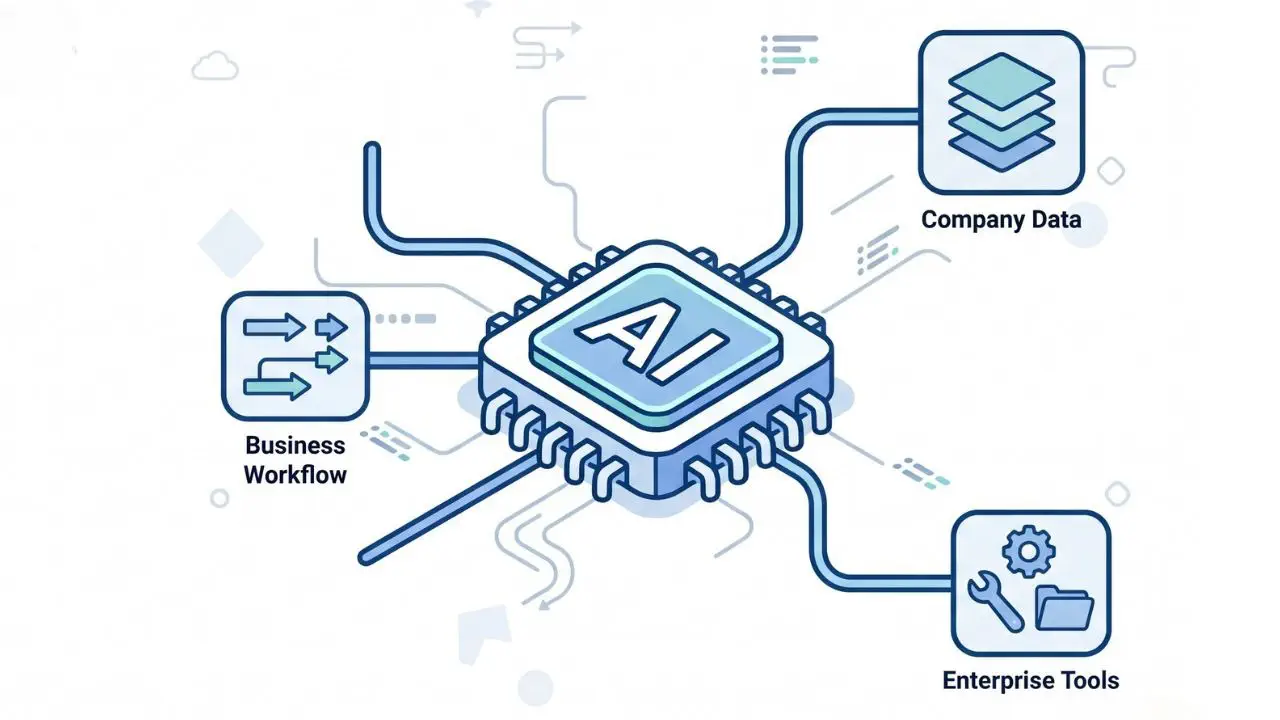
A custom AI solution is an artificial intelligence system designed, engineered, and deployed specifically for an organisation's data, workflows, and business outcomes - rather than a generic off-the-shelf tool. It can combine large language models, computer vision, predictive analytics, document automation, agentic AI, and traditional machine learning, integrated directly into enterprise systems such as ERP, MES, CRM, EAM, and internal applications. The result is AI that fits how work is actually done in your business, scales under enterprise governance, and produces measurable ROI inside the operational and financial KPIs the organisation already tracks.
What types of custom AI solutions does Ombrulla build?
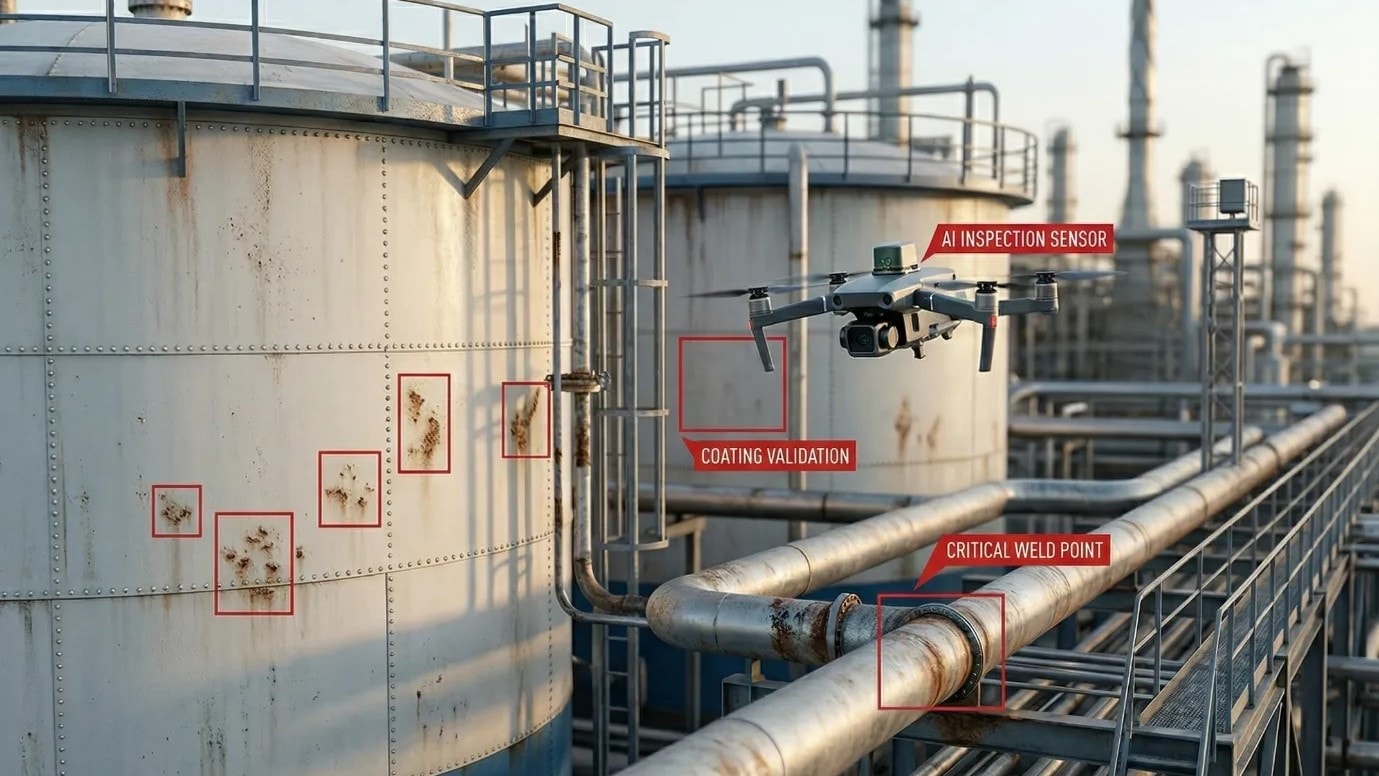
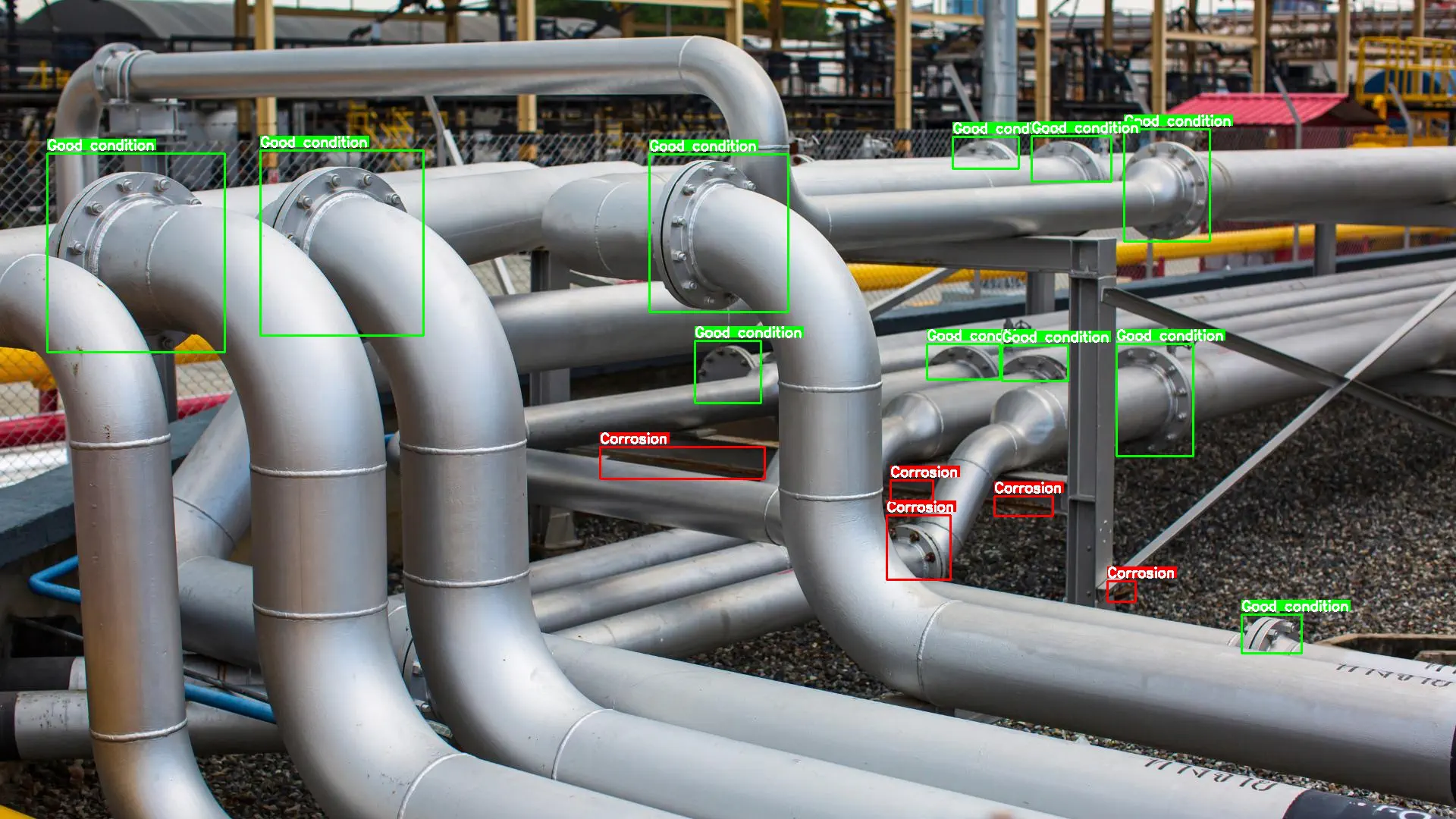
Ombrulla builds eight categories of custom AI solutions across enterprise and industrial use cases: GenAI and LLM applications for content generation and summarisation; RAG-based knowledge assistants with permission-aware search; computer vision systems for inspection, defect detection, and safety monitoring; predictive analytics and forecasting for demand, failure, and risk; document AI combining OCR and NLP for intelligent document processing; edge AI for low-latency, on-device inference; MLOps and LLMOps for production stability; and model fine-tuning using LoRA, instruction tuning, and preference optimisation for domain-specific accuracy.
How is a custom AI solution different from an off-the-shelf AI tool?
An off-the-shelf AI tool is built for the average use case across many customers. A custom AI solution is engineered for your specific data, workflows, governance, and outcomes. The differences show up in three areas: accuracy (custom models trained on your data outperform generic ones in specialised domains), integration depth (custom solutions embed inside ERP, MES, and CRM systems rather than running as separate dashboards), and governance (custom solutions enforce your access control, data residency, and audit requirements rather than the vendor's defaults). The trade-off is a longer initial build - typically offset by faster, more sustainable enterprise adoption.
Can you integrate a custom AI solution with ERP, MES, CRM, or existing apps?
Yes. Enterprise integration is the foundation of every Ombrulla engagement. We build connectors and APIs into systems including SAP, Oracle, Microsoft Dynamics, Salesforce, ServiceNow, IBM Maximo, Infor EAM, and custom internal platforms - using REST APIs, OPC-UA, MQTT, event-driven services, and pre-built data connectors. Integrations are bidirectional where appropriate (AI outputs flow into the system of record; user outcomes flow back to retrain the model) and respect existing permissions, role hierarchies, and audit requirements. The objective is AI that appears inside the workflows your teams already use, not a parallel system.
Do you offer a pilot or PoC for custom AI solutions?
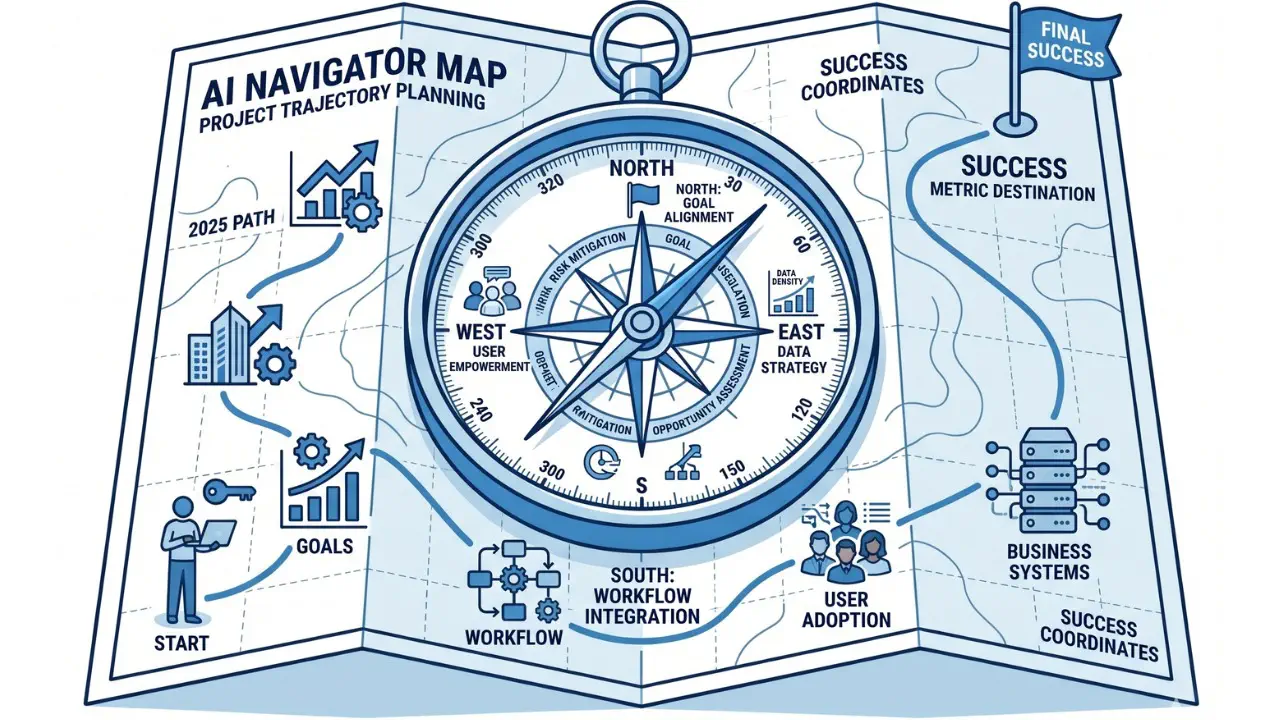
Yes. Every Ombrulla engagement begins with a structured pilot or proof of concept inside the real business workflow - typically 6–12 weeks depending on scope. The pilot phase covers discovery, data readiness validation, model development, integration, and KPI measurement against the agreed business baseline. The outcome is a transparent, evidence-based assessment of value: what works, what does not, and the projected ROI of scaling the solution. Pilots run under NDA, can be delivered remotely or on-site, and are scoped to produce a clear scale-or-stop decision at the end.
What data do you need to start a custom AI project?
Data requirements depend on the use case. For predictive analytics and computer vision, we typically need 6–12 months of historical operational data - sensor readings, production logs, images, maintenance records, or transaction history - at the granularity needed for the target prediction. For GenAI and RAG applications, we need access to the source documents, ticket history, or knowledge base content the assistant will retrieve from. For document AI, we need representative samples of the documents to be processed. The Discovery phase maps available data, identifies gaps, and recommends remediation before development begins, so no engagement starts with unrealistic data assumptions.
How do you make GenAI and LLM apps accurate and prevent hallucination?
We address LLM accuracy through five engineering disciplines deployed together. Retrieval-Augmented Generation (RAG) grounds answers in your verified documents, with source citations. Prompt engineering enforces output structure, format, and tone. Function calling and tool use let the model query authoritative systems rather than guessing facts. Evaluation pipelines test every output against a curated gold dataset before release. And output validation - schema checks, business-rule validation, confidence thresholds - catches errors before they reach users. Where these are not enough for the domain, we add LoRA fine-tuning to improve accuracy on specialised vocabulary and patterns.
How do you secure custom AI solutions and protect sensitive data?
Security is engineered into every layer of the platform. Access control uses role-based permissions, single sign-on, and multi-factor authentication. Data is encrypted in transit (TLS 1.3) and at rest (AES-256). Audit logs capture every model decision, user action, and data access for compliance review. Defences against prompt injection, jailbreaks, and PII leakage are built into the application layer. Deployment options span public cloud, private cloud, on-premises, and hybrid - supporting data residency requirements across SOC 2, ISO 27001, GDPR, HIPAA, and sector-specific frameworks. Every deployment is hardened against the specific threat model your industry faces.
How do you test and evaluate AI before rollout?
We treat AI evaluation as a structured engineering discipline. Every system is tested against a curated gold dataset with clear scoring rubrics - accuracy, precision, recall, latency, and cost per request. Unit tests cover prompts, tools, and integration logic. Regression tests catch quality drops when models, prompts, or data change. A/B testing compares candidate versions against the live system on real traffic. For high-stakes decisions, human-in-the-loop review samples outputs continuously and feeds corrections back into the model. The objective is statistical confidence that the system will perform in production, not just on a demo dataset.
How do you keep AI performance stable after launch?
Post-launch stability is the discipline of MLOps and LLMOps. Models, prompts, and integration code are versioned with full lineage. Drift monitoring tracks accuracy, latency, cost, and output distribution continuously - alerting when any metric crosses a threshold. Staged rollouts release changes to a small population first, with automatic rollback if quality degrades. Cost governance enforces token budgets per use case and routes requests intelligently between models based on complexity. Combined, these controls keep AI systems improving over time rather than silently degrading - which is the most common cause of AI programme failure after a successful launch.
How long does it take to build a custom AI solution?
Build timelines depend on scope, data readiness, and integration complexity. A focused pilot delivering measurable value typically takes 6–12 weeks from kickoff: 1–2 weeks of Discovery, 2–3 weeks of data readiness and platform setup, 3–6 weeks of model development and integration, and a final week of measurement and review. Full enterprise rollout - including multi-site deployment, change management, and production hardening - typically takes an additional 8–16 weeks per scaling wave. Pre-built capabilities and accelerators from prior engagements compress these timelines significantly compared with custom platforms built entirely from scratch.
What ROI can I expect from a custom AI solution?
ROI varies by use case but consistently delivers in four areas: reduced manual effort (typically 30–60% time savings on automated processes), fewer errors (40–60% reduction in transcription and routing mistakes), faster cycle times (40–70% compression on inspection-to-action, ticket resolution, or forecast-to-plan workflows), and earlier issue detection that converts emergency cost into planned cost. Most Ombrulla customers find that ROI on the initial pilot covers the multi-year platform investment, with sustained gains compounding through MLOps-driven accuracy improvement. We baseline KPIs at Discovery and report ROI quarterly throughout the engagement.