
Introduction
When lines get faster, people get tired, and sampling misses rare defects. AI Quality Inspection helps you inspect every unit the same way, catch problems earlier, and save image proof for traceability and audits.
In simple words: AI visual inspection uses cameras plus software to spot defects and confirm correct assembly, automatically.
What is AI Quality Inspection?
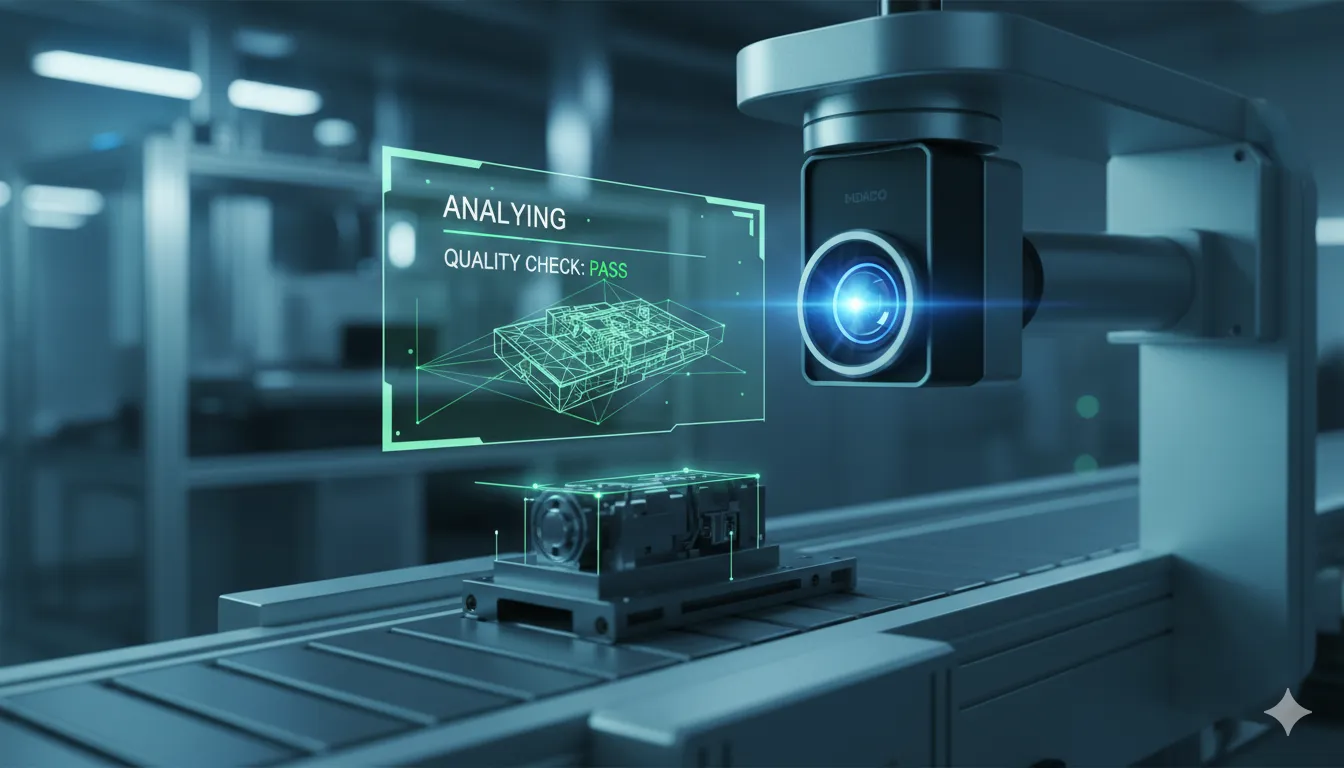
AI quality inspection is a visual inspection method where cameras capture product images and AI checks them against clear defect rules. It marks each part as Pass, Fail, or Needs review. People also call it AI Visual Inspection or artificial intelligence visual inspection. The goal is the same: one standard across every shift, with saved evidence you can pull up later.
Industries that use AI Quality Inspection
AI visual inspection works best in industries where defects are visible and repeatable, like:
- Manufacturing: scratches, dents, missing parts, wrong assembly
- Automotive: paint defects, weld issues, misalignment checks
- Textile: holes, stains, color variation, pattern issues
- Packaging and bottling: label alignment, cap placement, seal checks, fill level
- Electronics: PCB and micro component defects
- Metal and steel: cracks, corrosion, pits, coating defects
- Oil and gas/infrastructure: corrosion, leaks, surface cracks, structural defects
Why manufacturers move to AI visual inspection
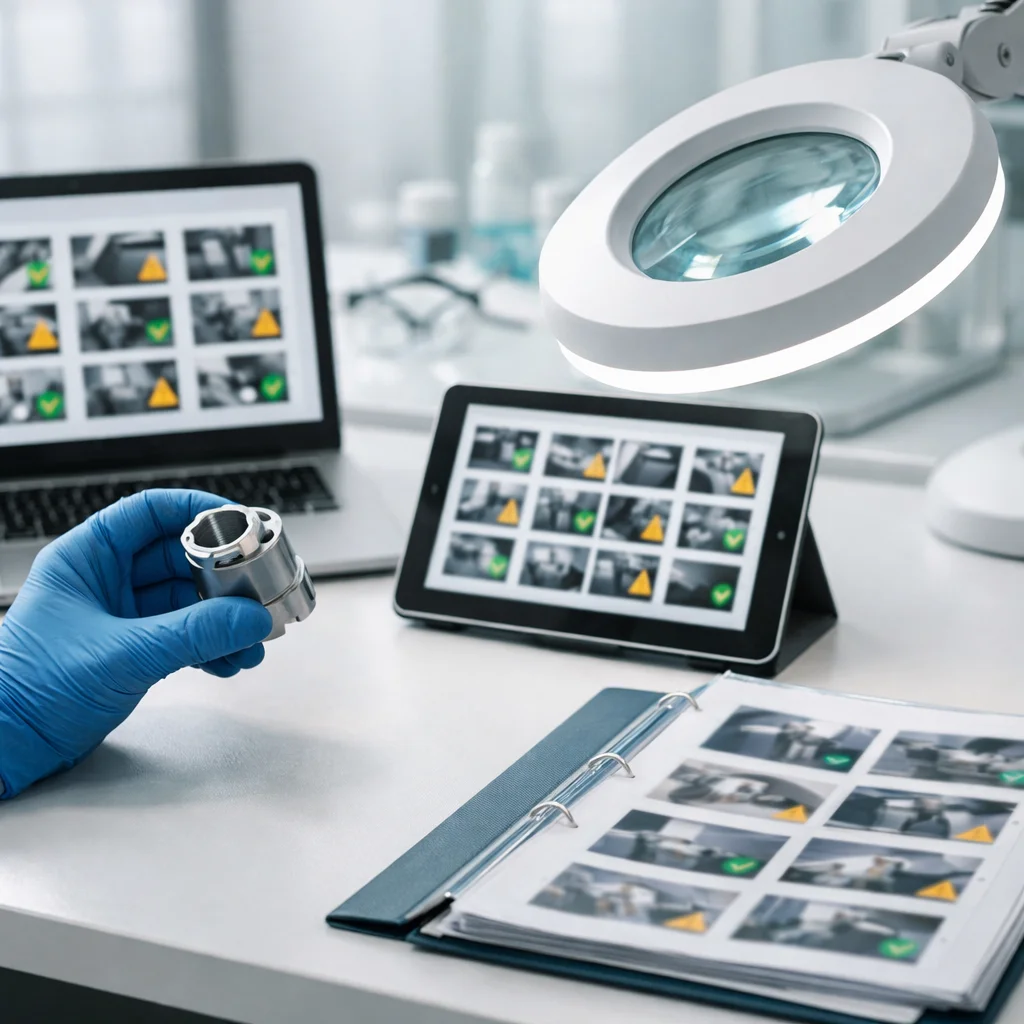
Manual inspection breaks down when:
- The line is fast and the operator is multitasking
- Defects are tiny (scratches, pits, missing marks)
- Different inspectors make different calls
- Sampling misses low frequency defects
- Customer complaints need proof, but there is no image record
AI visual inspection helps because it is consistent, works nonstop, and keeps a photo trail for every flagged part.
What problems does AI defect detection solve on the line?
AI defect detection is most valuable when you want to reduce:
- Escapes: bad parts that pass
- False rejects: good parts that get blocked
- Rework and scrap: because the defect is found late
- Arguments at inspection tables: because "good" is not defined the same way
- Audit stress: because you cannot prove what happened
It also helps teams find patterns: which station, which time, which batch and which operator shifts.
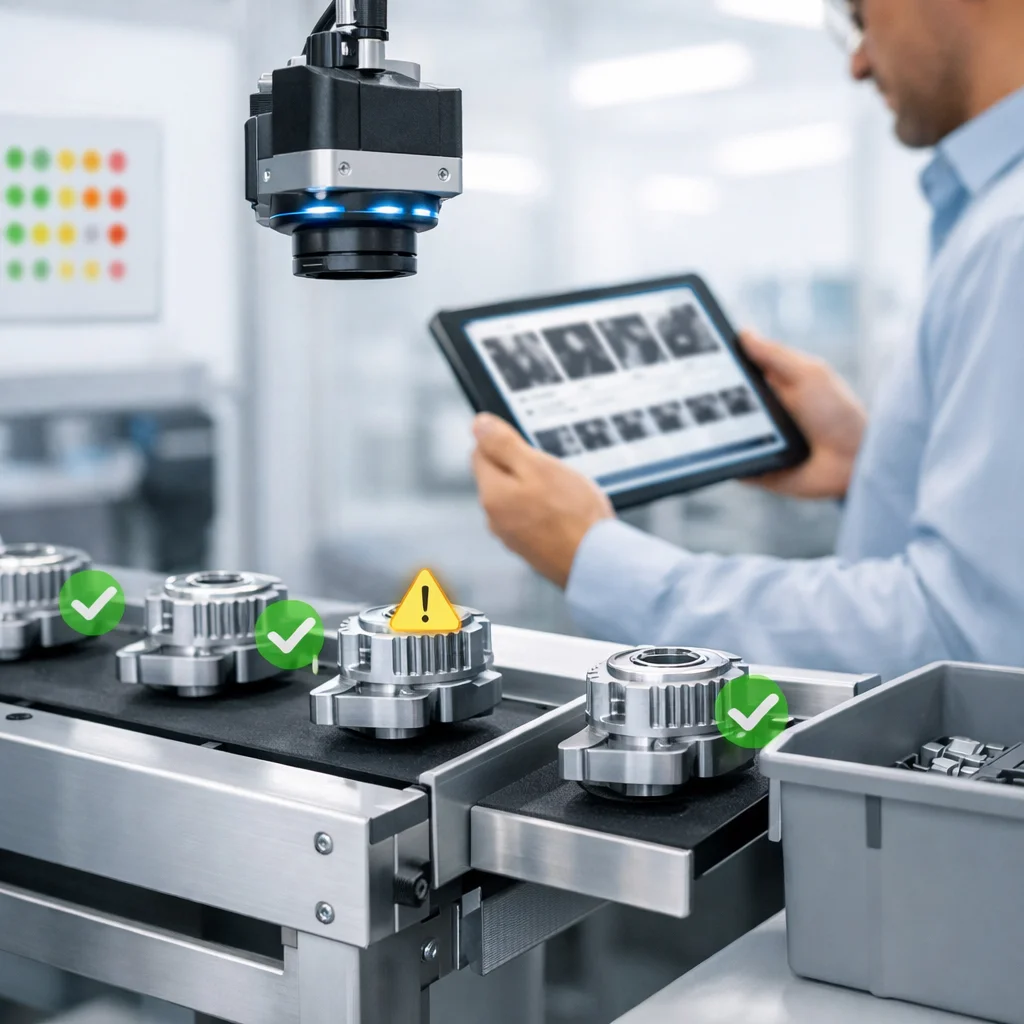
How false rejects hurt AI Quality Inspection
False rejects mean good parts get marked as bad. This hurts AI Quality Inspection because:
- More scrap and rework: good parts get thrown out or rechecked
- Line slows down: operators stop the flow to review too many parts
- People stop trusting the system: they start ignoring alerts
- Higher cost: extra handling, extra labor, delayed shipping
- Less stable quality: teams waste time on "not real" defects instead of fixing true issues
Simple goal: keep false rejects low, while still catching real defects
Real examples of AI quality inspection
Example 1: Third shift inconsistency
On the third shift, an operator checks housings while handling other tasks. The scratch check becomes a quick glance every few parts. The next morning, QA finds rework, but no one knows when it started.
With AI quality inspection, the scratch gets flagged right away, and the image is saved with time and batch details so you can trace it back.
Example 2: Normal variation vs true defects
A new lot arrives with a slightly different surface finish. Inspectors argue because it looks "off" but is not defective.
With AI defect detection, you tune using real samples from that lot, so normal variation passes and real defects still get caught.
How AI visual inspection works
AI visual inspection is simple to understand when you break it into steps:
- Capture: a camera takes a photo from a stable angle
- Stabilize: lighting and part position are kept consistent
- Learn: the model learns "good" parts and known defect types
- Decide: the system outputs pass, fail, or needs review
- Act: it triggers reject, stop, or sends to a review screen
- Prove: it saves images and results for traceability and audits
Most failures in AI inspection are not "AI problems." They come from:
- lighting changes and reflections
- parts rotating or sitting differently
- dirty lenses or unstable mounts
That is why practical setup matters as much as software.
Where AI Quality Inspection works best
AI quality inspection works best when the defect is visible and the view is repeatable.
Common fits
- Surface defects: scratches, dents, pits, coating marks
- Presence/absence: missing components, wrong assembly, wrong orientation
- Packaging and labels: misprints, wrong labels, missing data, alignment issues
Reflective or transparent parts
Often possible, but it depends on lighting, angles, and stable positioning. Best confirmed through a pilot with real samples.
Why choose Ombrulla for AI Quality Inspection
- Line speed decisions: sub second defect calls for fast production
- Better consistency: the goal is fewer misses and less shift to shift variation
- Proof for audits: auto document issues and generate audit ready reports
- Works with your setup: deploy on edge, on prem, or cloud; supports existing cameras and also drones
- Easy model building: label, train, and keep improving models with minimal coding
- Real integrations: can connect with MES/ERP and trigger actions (like tickets)
- More capture options: images/video from conveyor cameras, mobile devices, drones, rovers, cobots
Case studies
German automotive component manufacturers used AI driven video analytics for inspection of bearings and gears. Reported results: 50% lower defect rates, 35% higher production efficiency, and 25% lower quality inspection cost. They also reduced analysis time from weeks to minutes
Inline vs end of line
Choose inline inspection when
- You want fast feedback to stop scrap early
- A defect starts at a specific station
- You need immediate root cause signals
Choose end of line inspection when
- You need final verification before shipping
- You need audit ready proof for customers
- You want one final gate for quality
Choose both when
- One defect is critical early, and another happens later
What Ombrulla's AI visual inspection solution includes
This is where you clearly separate from generic content. A strong visual inspection solution usually includes:
- Inspection stations: camera, lens, lighting, mounting guidance
- Model setup: defect definitions, training with your real images
- Operator review screen: quick accept/reject for borderline cases
- Dashboards: trends by station, shift, defect type, batch
- Traceability: saved images tied to batch or serial
- Integration: reject triggers, line stop, and optional MES/PLC signal
- Support: tuning when materials, suppliers, or finishes change
How to measure success
Avoid one "accuracy" number. Measure what affects production:
- Escapes: bad parts that passed
- False rejects: good parts that got flagged
- Review rate: how often an operator must decide
- Cycle time impact: does it keep up with line speed
- Traceability: can you pull images by batch/serial and time
If escapes go down and false rejects stay controlled, your AI quality inspection is working.
Conclusion
AI visual inspection improves quality control by applying one standard to every unit, catching defects earlier, and saving image proof for audits and customer questions.
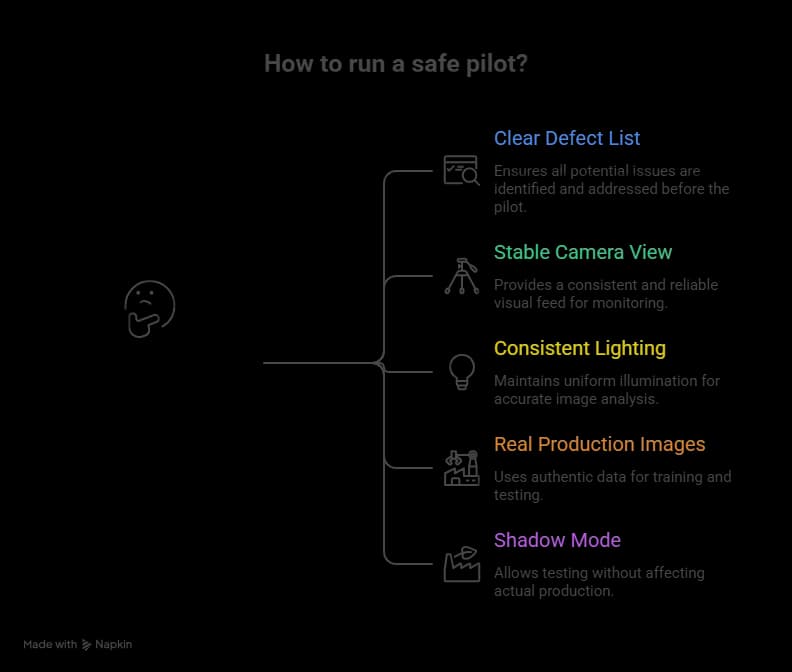
If you share your defect list and a set of real production images (good parts plus defects), we can recommend the right setup, confirm feasibility, and define what a successful pilot should measure.