What Challenges Does Infrastructure Management Face Today?
- Infrastructure operators face ageing assets, limited inspection capacity, critical equipment risk, worker safety exposure, and slow engineering decisions from fragmented data.
- Ombrulla addresses these challenges with AI infrastructure inspection, structural health monitoring, predictive maintenance, RTLS safety, and digital twins.
The Five Challenges Facing Infrastructure Management
- 42,000+ US bridges in poor condition (ASCE 2025 Report Card)
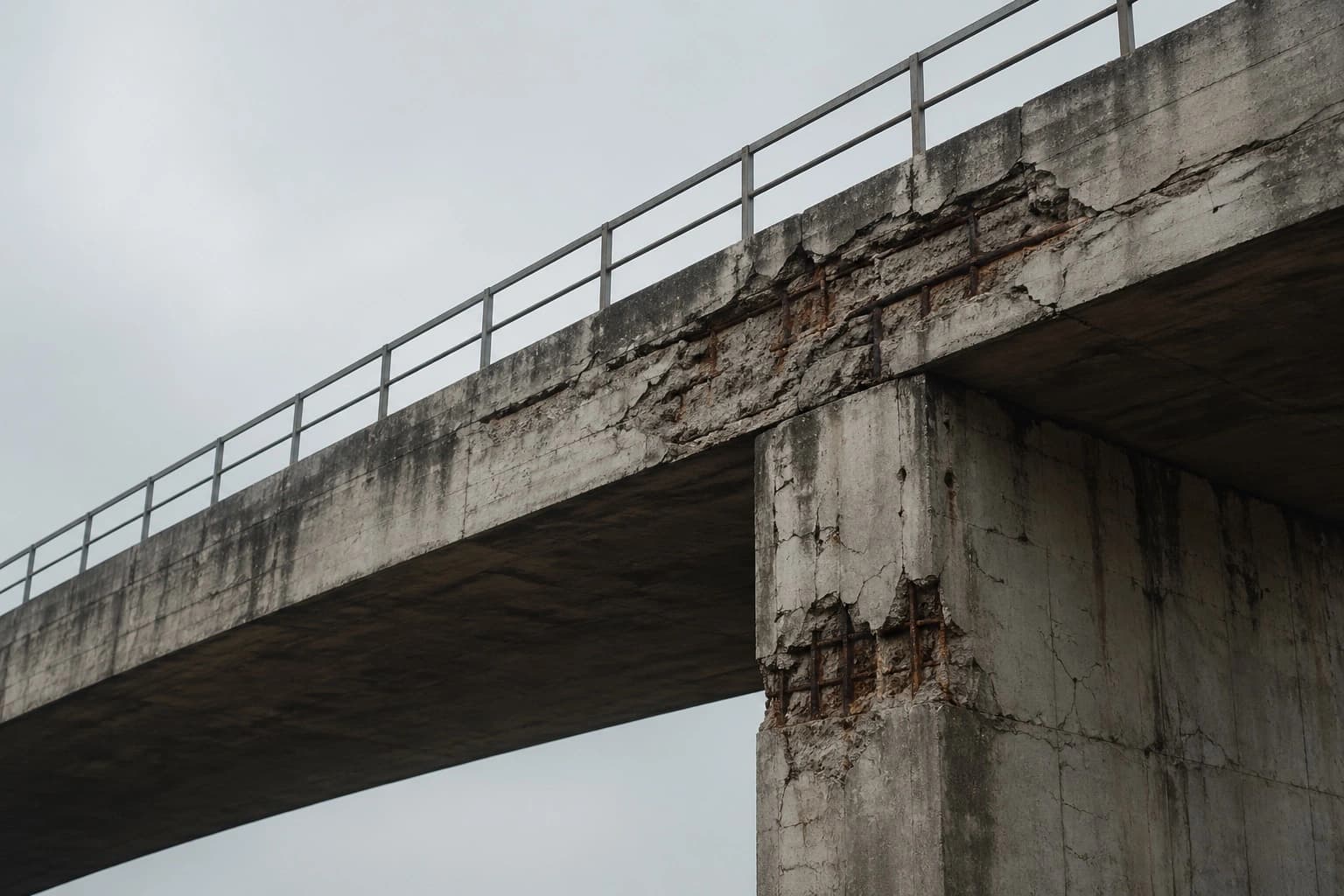
- Ageing bridges, tunnels, dams, and utilities are carrying heavier loads for longer than originally planned. Deferred maintenance creates growing safety and funding risk.
- • Many bridge assets have exceeded their design life
• Funding gaps force operators to prioritise by risk
• Continuous monitoring helps detect deterioration earlier

Infrastructure repairs unfunded in the US alone (ASCE)
ASCE 2017 Infrastructure Report Card
US bridges currently rated in poor structural condition
ASCE 2025 Infrastructure Report Card
US bridges that have exceeded their 50-year design life
ASCE 2025 Report Card
Concrete images used to train IBM Research Inspecto AI defect model
IBM Research Inspecto 2025
UK construction fatalities 2023/24 — highest single industry sector
UK HSE 2024/25 annual statistics
Defect classes detected by IBM’s Inspecto LVM: cracks, net-cracks, precipitations, rust, spalling, algae
IBM Research Inspecto specification
Capital efficiency improvement from condition-based vs calendar-based maintenance
ISO 55000 / asset management benchmarks
Structural Health Monitoring — Continuous Intelligence Between Inspection Visits
- Structural Health Monitoring uses sensors on bridges, tunnels, dams, buildings, and rail structures to measure asset health continuously. It turns periodic inspection into live condition intelligence.
Bridge SHM
Tunnel SHM
Dam & Water SHM
Road, Rail & Utilities
AI Visual and Drone Inspection — Every Defect, Every Surface, Without Closing the Asset
- Traditional structural inspection often requires scaffolding, rope access, lane closures, or confined entry. TRITVA uses drones, cameras, thermal sensors, and LiDAR to inspect difficult assets faster and with less site exposure.
Drone-Mounted AI Inspection
TRITVA-connected drones inspect bridge undersides, tunnel portals, dam faces, towers, and facades. AI detects cracks, rust, spalling, corrosion, coating failure, weld cracks, and missing components.
Ground and Fixed Camera Systems
Where drone flight is impractical, TRITVA uses ground cameras, fixed camera arrays, and mobile inspection platforms for tunnels, culverts, drainage channels, and confined structures.
3D LiDAR Point Cloud and BIM Integration
LiDAR-equipped drones capture 3D point clouds for displacement, deformation, section loss, and clearance checks. Findings can be georeferenced into BIM and GIS workflows.
Predictive Asset Performance Management — Prevent the Equipment Failures That Derail Projects
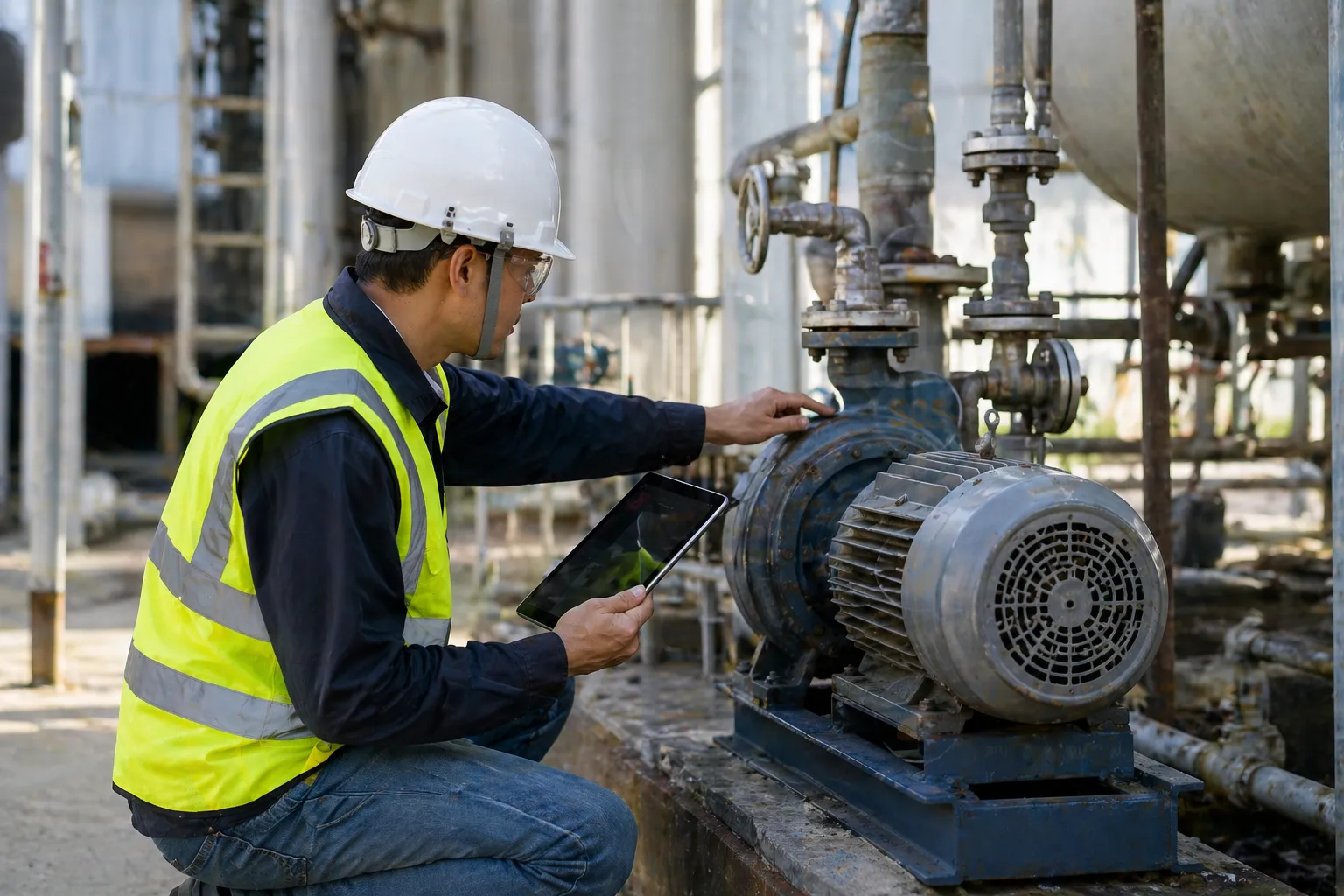
- Infrastructure equipment operates under harsh conditions and often sits on the critical path. PETRAN APM helps teams detect failure risk early and plan maintenance before equipment downtime becomes programme delay.
Tunnel Boring Machine (TBM) Monitoring
Learn More
Crane Health Monitoring
Learn More
Construction Plant & Generator Monitoring
Learn More
Worker Safety & RTLS — Real-Time Protection on Complex, Hazardous Infrastructure Sites
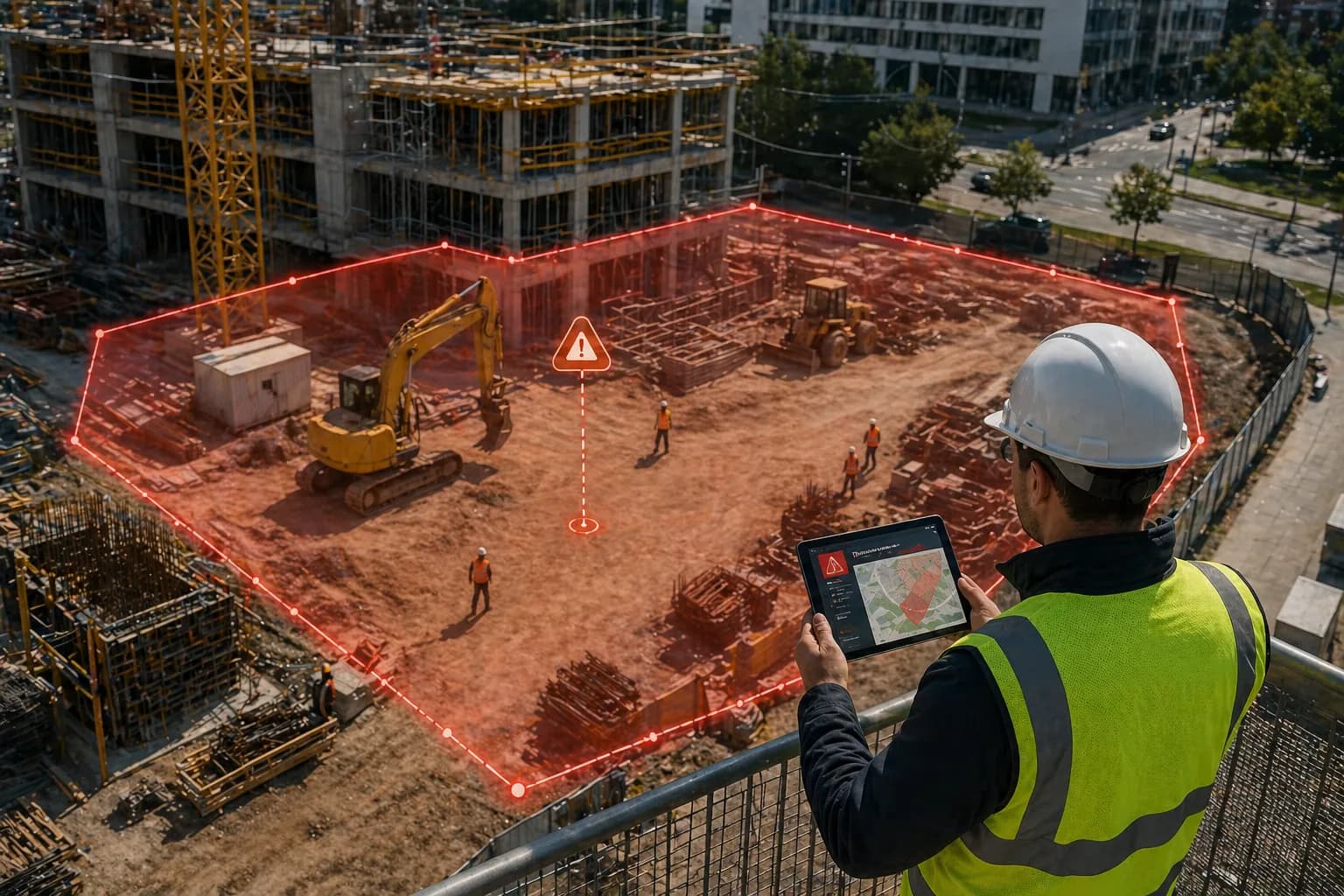
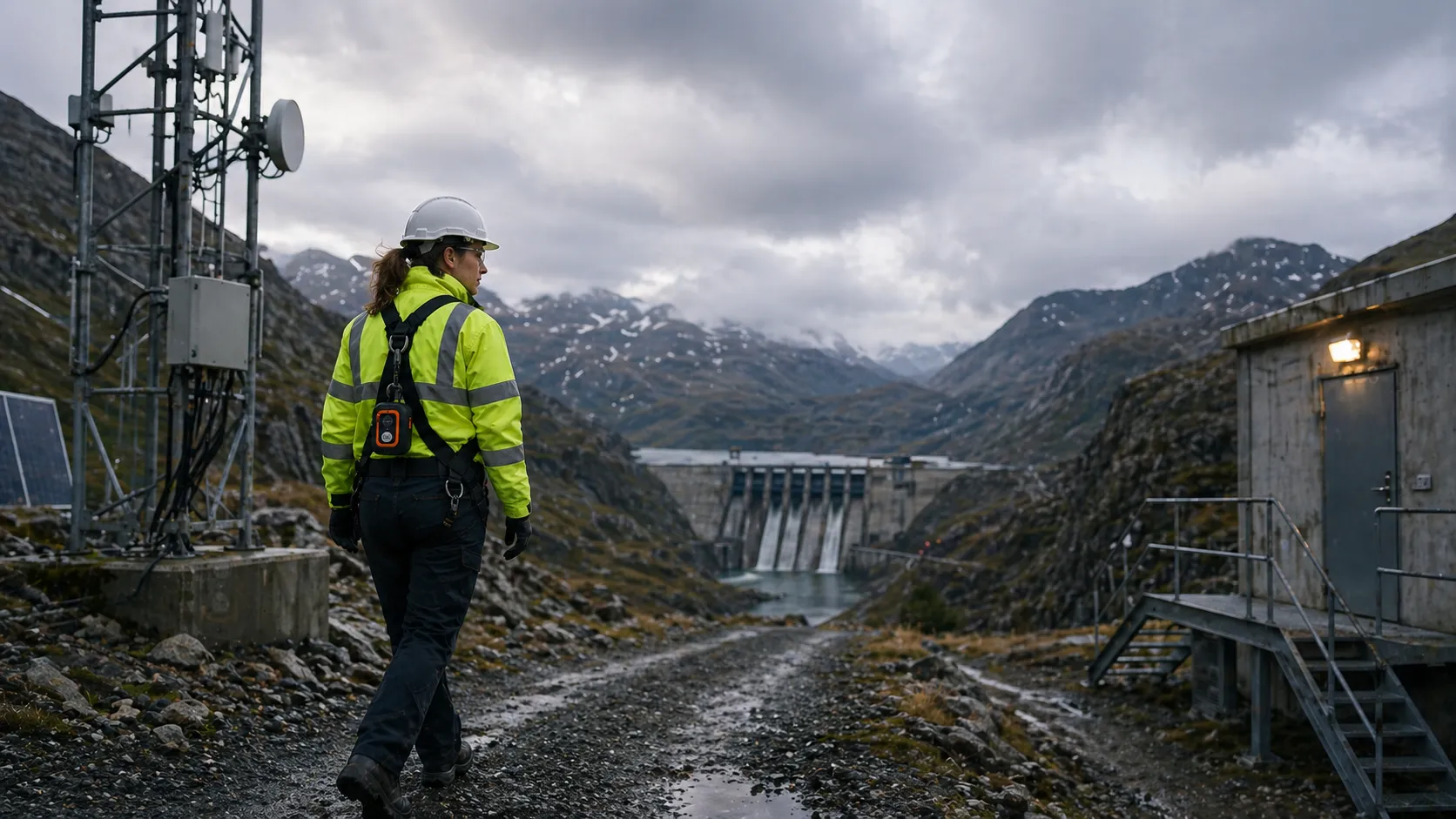
- Infrastructure projects combine work at height, confined spaces, excavations, heavy plant, and remote lone working. PETRAN workplace safety gives safety teams live location, zone, and alert data for faster response and stronger evidence.
RTLS Worker Tracking on Large Sites

Construction Site Safety Geofencing

Lone Worker Safety on Remote Infrastructure
Agentic AI — From Structural Alert to Engineering Response in Seconds
- Infrastructure teams receive SHM, inspection, equipment, safety, weather, and SCADA data at the same time. PETRAN Agentic AI reads the operational picture, starts approved workflows, and keeps human approval gates for high-consequence actions.
Dam Safety Agentic Response
Learn More
Infrastructure Inspection Triage
Learn More
Construction Equipment Predictive Response
Learn More
Digital Twin — A Live Virtual Model of Your Infrastructure Portfolio
- An infrastructure digital twin combines SHM sensor data, TRITVA inspection findings, equipment health, RTLS worker positions, weather, and maintenance history into a live model of each asset.
Structural Asset Visualisation - ISO 55000 lifecycle · IBM Maximo integration · Esri GIS overlay
Historical Replay for Incident Investigation - Post-event analysis · Insurance evidence · Regulatory submission
Capital Programme Planning Simulation - ISO 55000 investment planning · Risk-cost optimisation · PSCP capital planning
Why Infrastructure Operators Choose Ombrulla Over Traditional Approaches
AI Drone Inspection vs Manual Scaffold/Rope Access
Continuous SHM vs Period-Based Inspection
Predictive Maintenance vs Reactive Plant Repair
RTLS Safety vs Physical Barriers Alone
Getting Started — Ombrulla’s Infrastructure Deployment Approach
01 Asset Assessment
Portfolio risk, SHM gaps, and critical assets identified.
02 Pilot Deployment
TRITVA drone inspection + PETRAN SHM live on priority assets.
03 APM & Safety
Critical equipment health monitoring + RTLS worker safety zones.
04 Enterprise Integration
Connected to IBM Maximo, BIM 360, Esri GIS, and project CMMS.
05 Scale & Govern
Portfolio rollout with ISO 55000 and CDM 2015 evidence.
Detailed Deployment Roadmap
- Ombrulla’s infrastructure deployment approach delivers value in weeks, building from high-impact pilots to full portfolio governance.
- Map structural risk, programme-critical equipment, and worker safety exposure. Review inspection records, condition ratings, maintenance history, and safety plans to prioritise deployment.

Explore Related Industries

Manufacturing Solutions

Automotive Manufacturing