Ombrulla — home
London banner
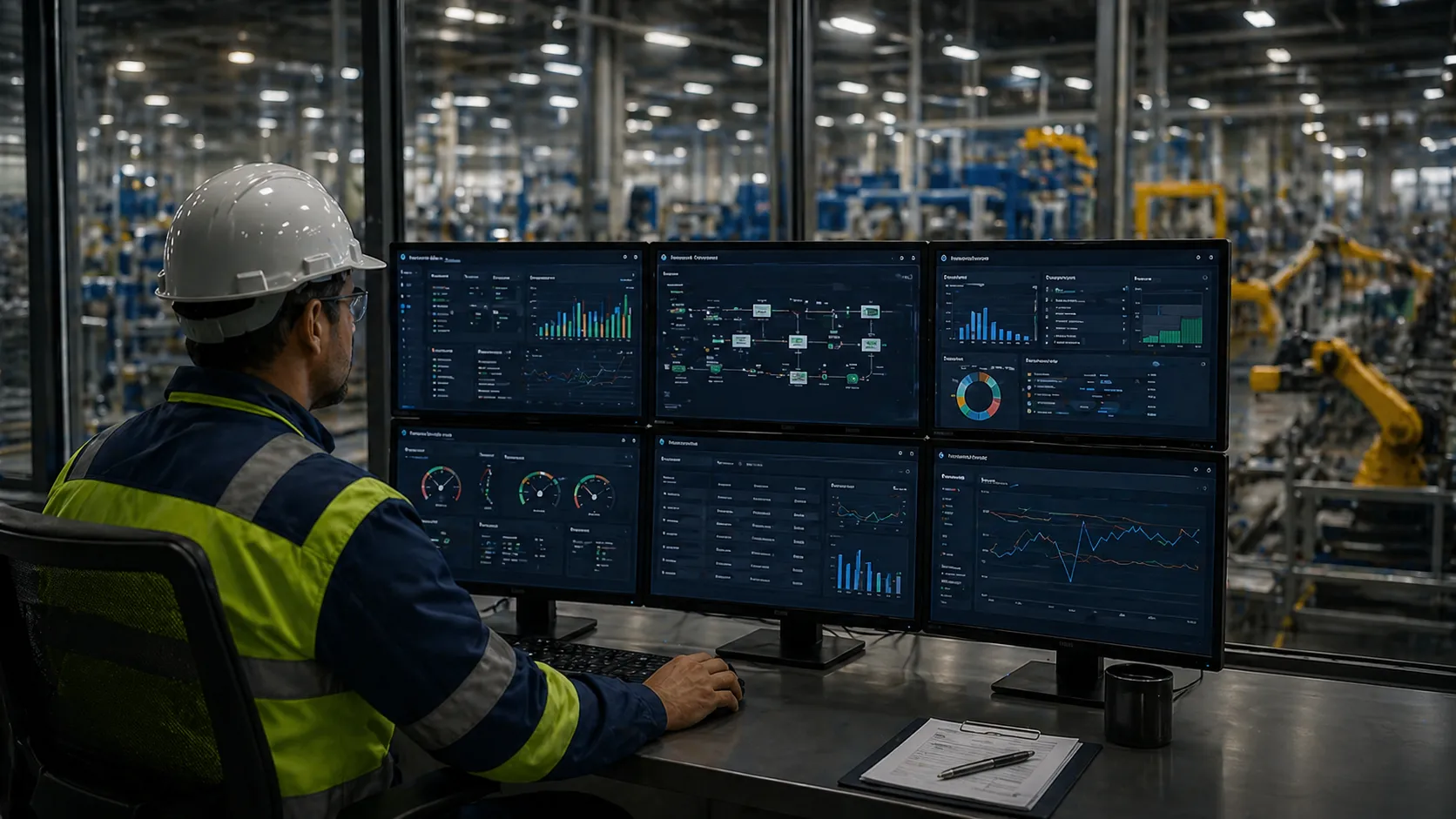
Ombrulla's AI and IoT solutions for manufacturing industry operations

What Challenges Does the Manufacturing Industry Face Today?

The Five Challenges Facing Manufacturing Operations in 2025

  • Unplanned downtime, quality defects, worker safety, energy sustainability, and decision speed - each a quantified financial and operational risk modern manufacturers can no longer afford to ignore.
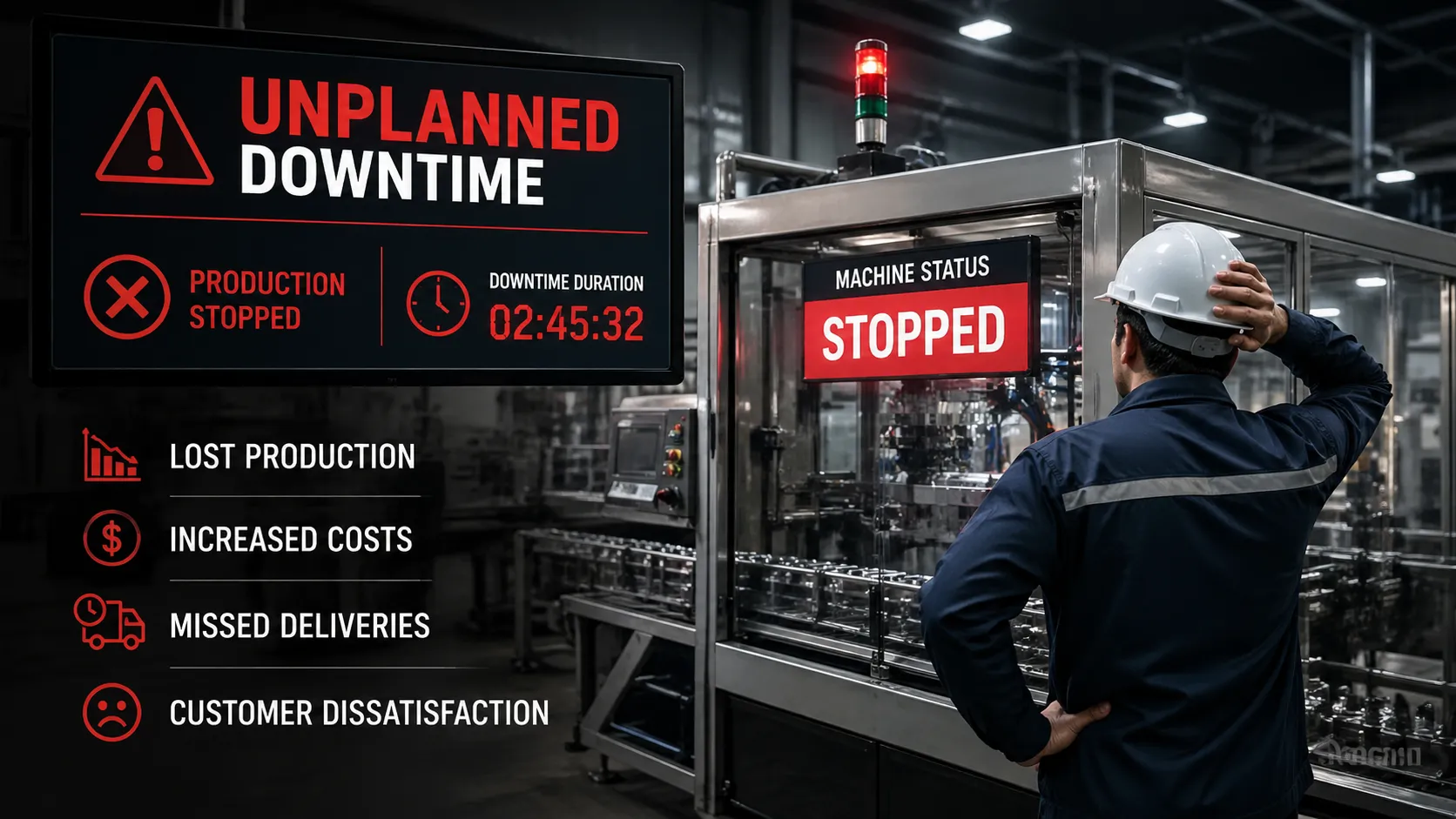
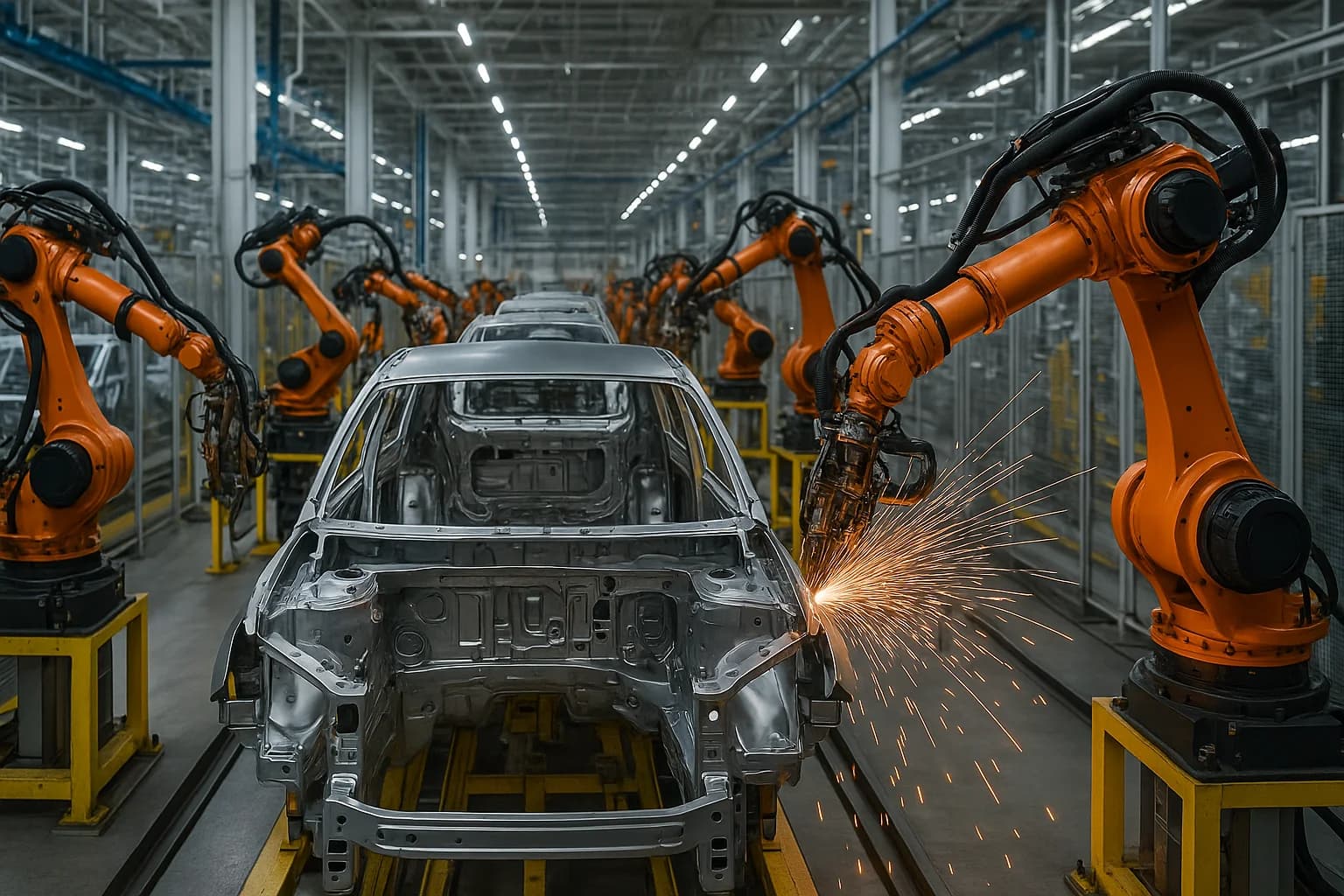
Unplanned downtime can cost manufacturers around $100,000 per hour. Most failures develop through measurable signals that IoT condition monitoring can detect before breakdown.
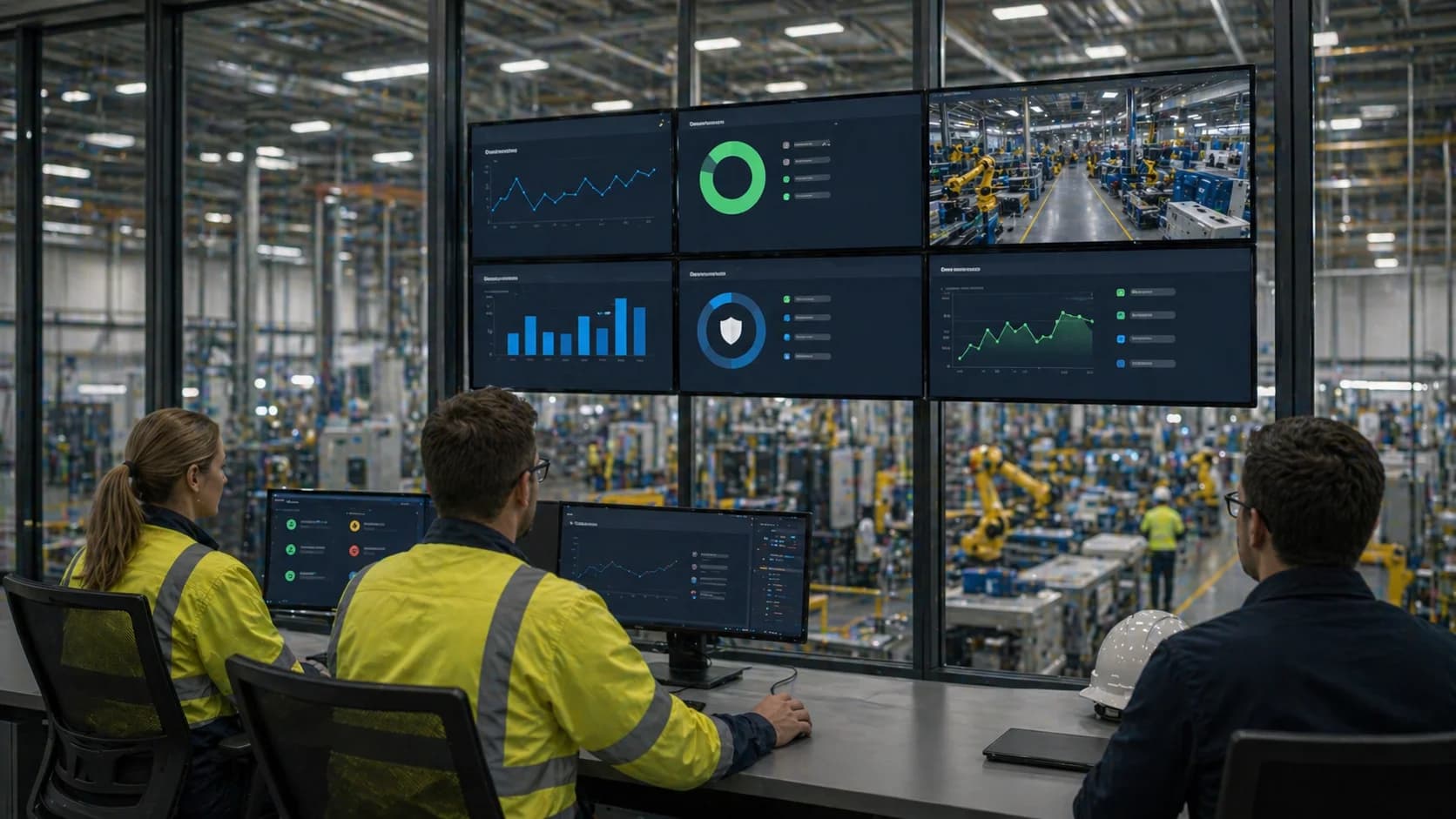
  • -50% downtime reduction achievable with AI-powered predictive maintenance (IBM)
  • -25–40% lower maintenance costs vs. reactive approaches (2025 benchmark)
  • -71% of manufacturing executives list downtime reduction as a primary KPI
Reduce Downtime
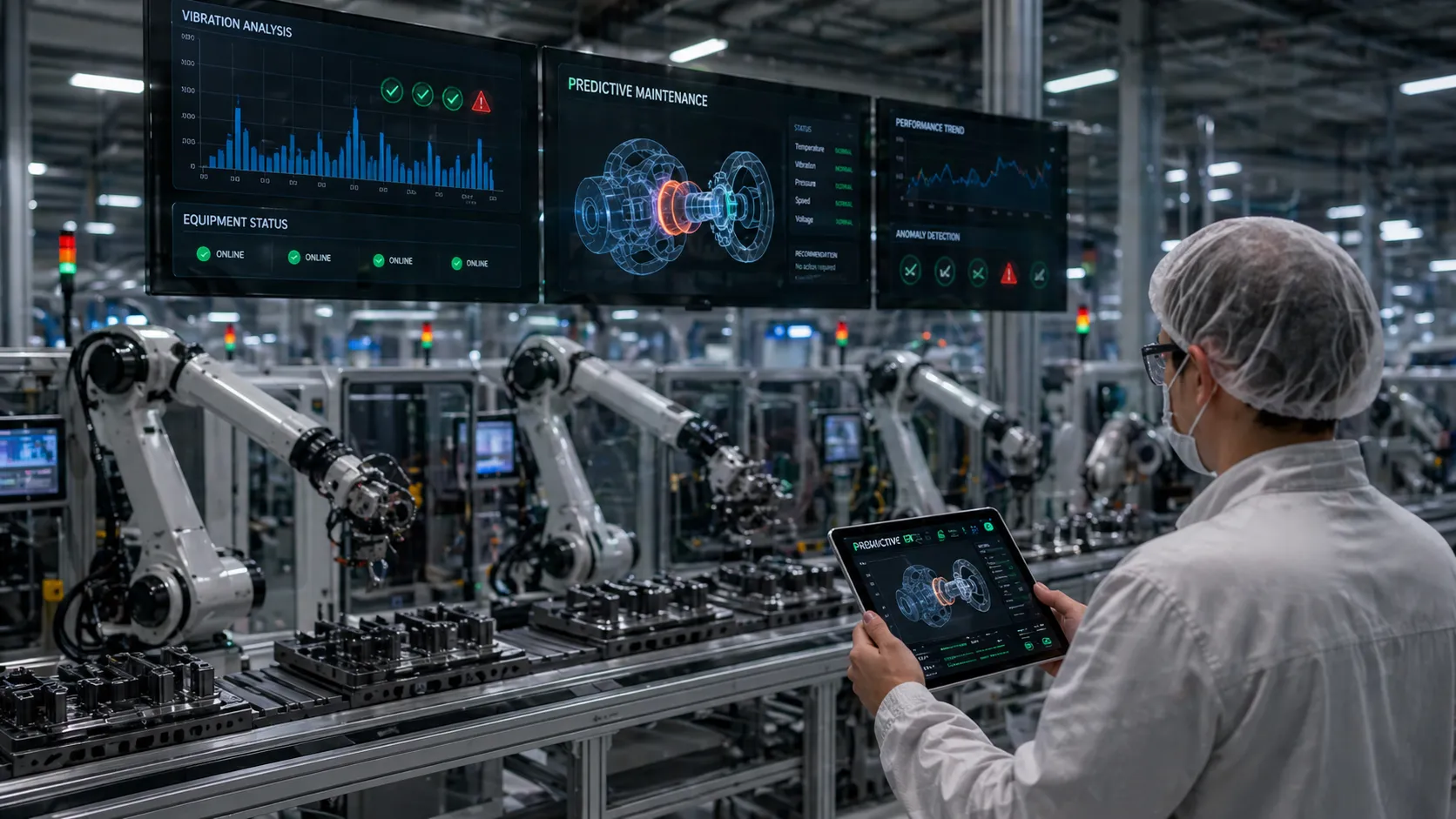
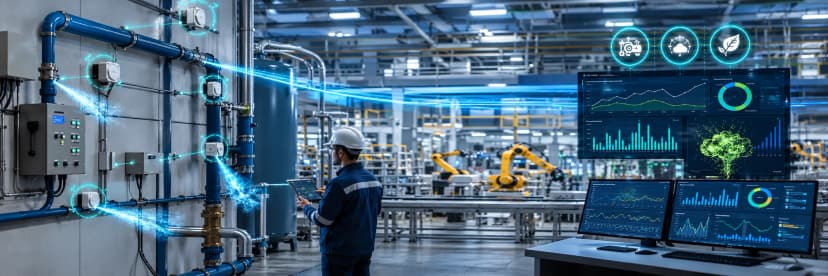
AI-powered predictive maintenance detecting equipment failure before it causes unplanned downtime on the factory floor
$100K

Cost of one hour of unplanned downtime in manufacturing

IBM Industry 4.0 data

Up to 50%

Defect detection improvement from smart manufacturing AI

IBM IBV Smart Manufacturing

25–40%

Maintenance cost reduction from AI vs reactive maintenance

2025 AI manufacturing benchmark

30%

Yield improvement from AI-powered manufacturing operations

IBM AI for Manufacturing

71%

Executives targeting unplanned downtime reduction as core KPI

IBM Manufacturing survey

12%

Average energy saving from AI energy management in manufacturing

2025 manufacturing survey

6–18m

Payback period for high-impact manufacturing AI deployments

McKinsey / Tech-Stack 2025

Ombrulla's AI & IoT Solutions for Manufacturing

  • Ombrulla delivers AI and IoT solutions that improve product quality, reduce downtime, protect workers, and connect decisions across the factory. Explore the full solutions portfolio or start with TRITVA for inspection and PETRAN for operational intelligence.

AI Visual Inspection - Automated Defect Detection at Production Speed

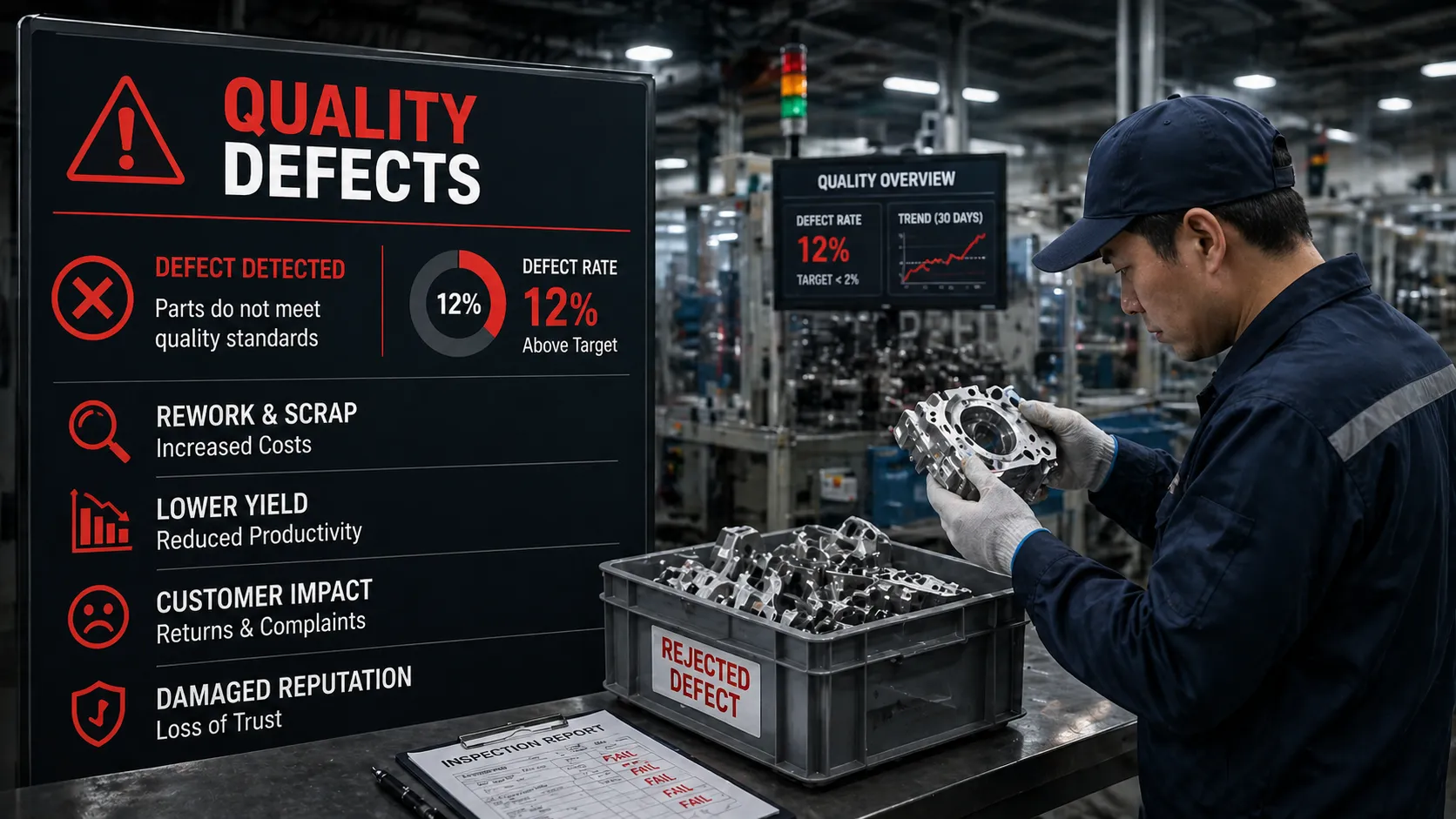
  • High-speed production needs consistent inspection, but manual checks miss subtle defects and vary by shift, lighting, and operator fatigue.
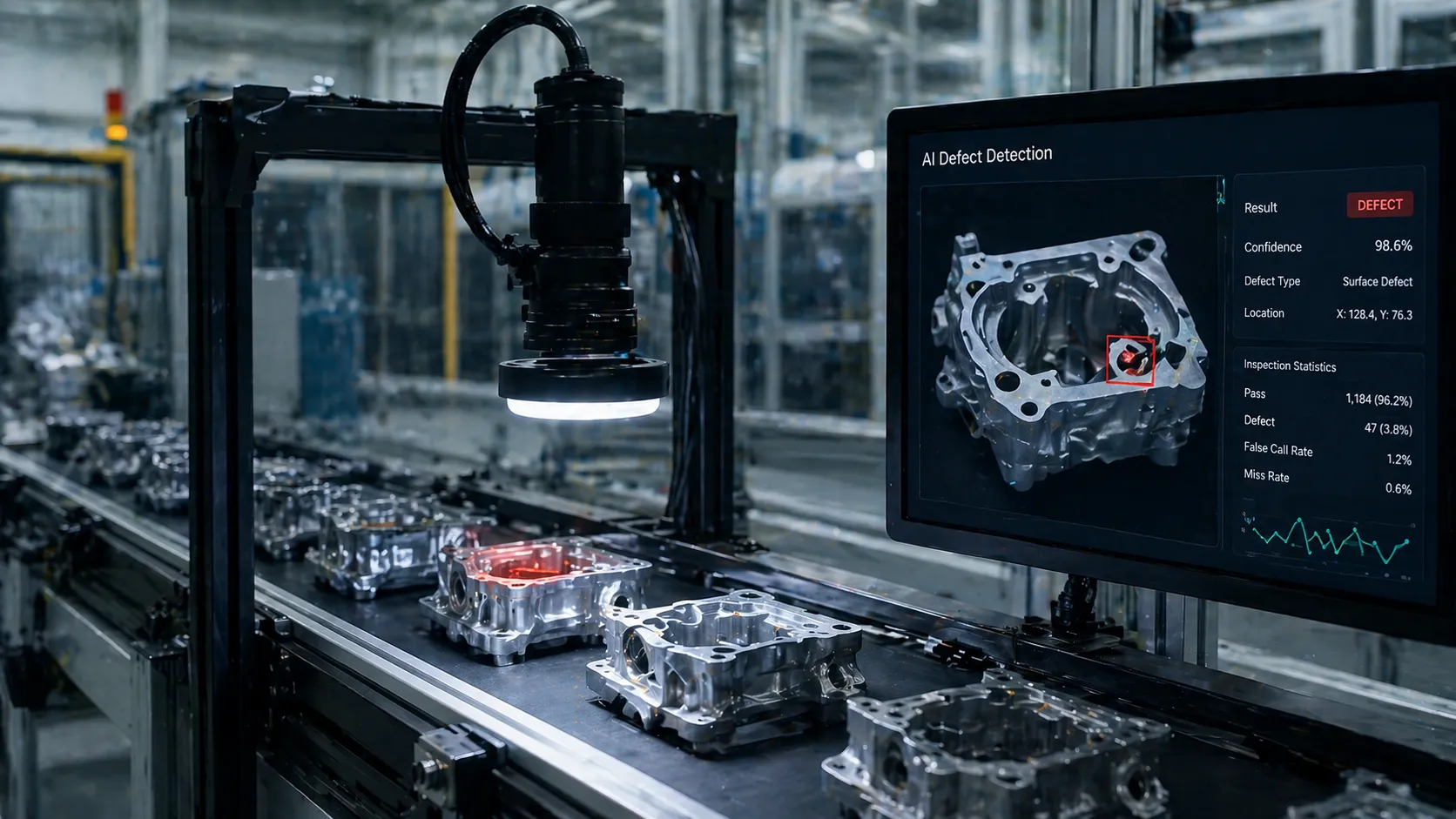
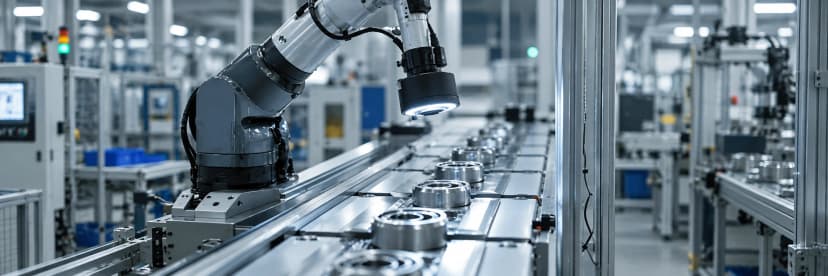
  • TRITVA uses fixed cameras, line-scan systems, and mobile inspection devices to detect surface cracks, dimensional deviations, assembly errors, coating issues, contamination, and weld defects at production speed. For more detail, see the AI visual inspection manufacturing guide.

Business Impact

AI-driven quality control reduces rework, scrap, and warranty claims by ensuring every manufactured product meets high precision standards.

Improved Product Quality

Reduces rework, scrap, and warranty claims.

Automated AI inspection systems speed up quality checks without disrupting production line flow, improving overall efficiency.

Faster Quality Checks

Speeds up inspections without slowing production lines.

AI-powered defect detection minimizes waste, lowers quality-related expenses, and optimizes production resource utilization.

Lower Costs

Minimizes waste and reduces quality-related expenses.

Ombrulla's AI detects microscopic cracks in machine-tooled parts at a smart factory, flags defects before packaging, and uses a digital twin to simulate stress performance preventing defective batches, costly recalls, and safeguarding brand reputation.

Use Case

A smart factory uses Ombrulla's AI to detect microscopic cracks in machine-tooled parts. The defects are flagged before packaging, and a digital twin simulates stress performance to confirm risks. By preventing defective batches from shipping, the manufacturer avoids a costly recall and protects brand reputation.

Predictive Asset Performance Management - Prevent the Failures That Cost Thousands Per Hour

  • CNCs, presses, robotics, moulding machines, conveyors, and compressors can stop entire production schedules when they fail unexpectedly.
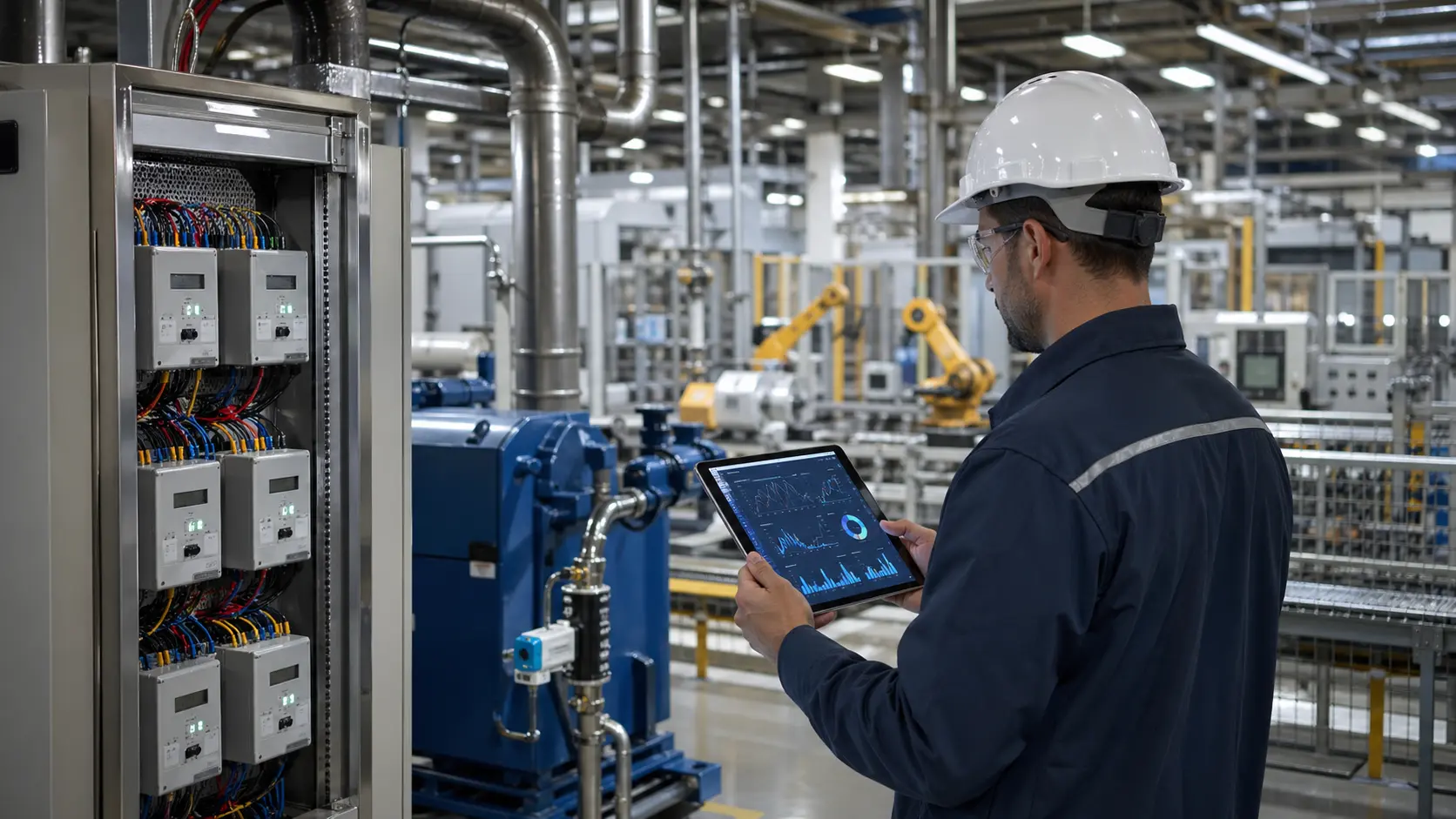
  • PETRAN connects to existing equipment sensors and PLC/SCADA data through industrial protocols. Its asset performance management and predictive maintenance models calculate failure risk, remaining useful life, and recommended action, then route work into systems such as IBM Maximo, SAP EAM, or Siemens Opcenter.

Business Impact

AI-powered monitoring ensures smoother production cycles with fewer equipment stoppages and minimal unplanned downtime.

Less Downtime

Ensures smoother production cycles with fewer stoppages.

Predictive maintenance technology protects high-value machinery such as CNCs, presses, and robotics from premature wear and failure.

Extended Machine Life

Protects expensive CNCs, presses, and robotics from premature failure.

AI-driven maintenance optimization reduces unplanned repairs, lowers maintenance costs, and improves overall operational efficiency.

Operational Savings

Reduces unplanned repairs and unnecessary maintenance.

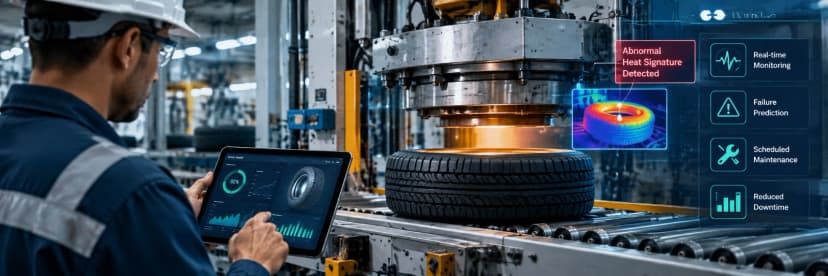
Ombrulla's APM pods detect abnormal heat signatures on an automated press roller in a tire manufacturing plant, predicting failure and scheduling maintenance during shift changeover to prevent downtime and save over $250K in production losses.

Use Case

A tire manufacturing plant deploys Ombrulla's APM pods on automated presses. The system detects abnormal heat signatures on one press roller, predicting an impending failure. Maintenance is scheduled during the night shift changeover, preventing a full-day stoppage and saving over $250K in downtime costs.

Energy & Operational Sustainability - Cut Energy Costs While Meeting Regulatory Compliance

  • Energy costs, emissions reporting, and customer ESG requirements are now operating concerns for manufacturers, not annual reporting exercises.
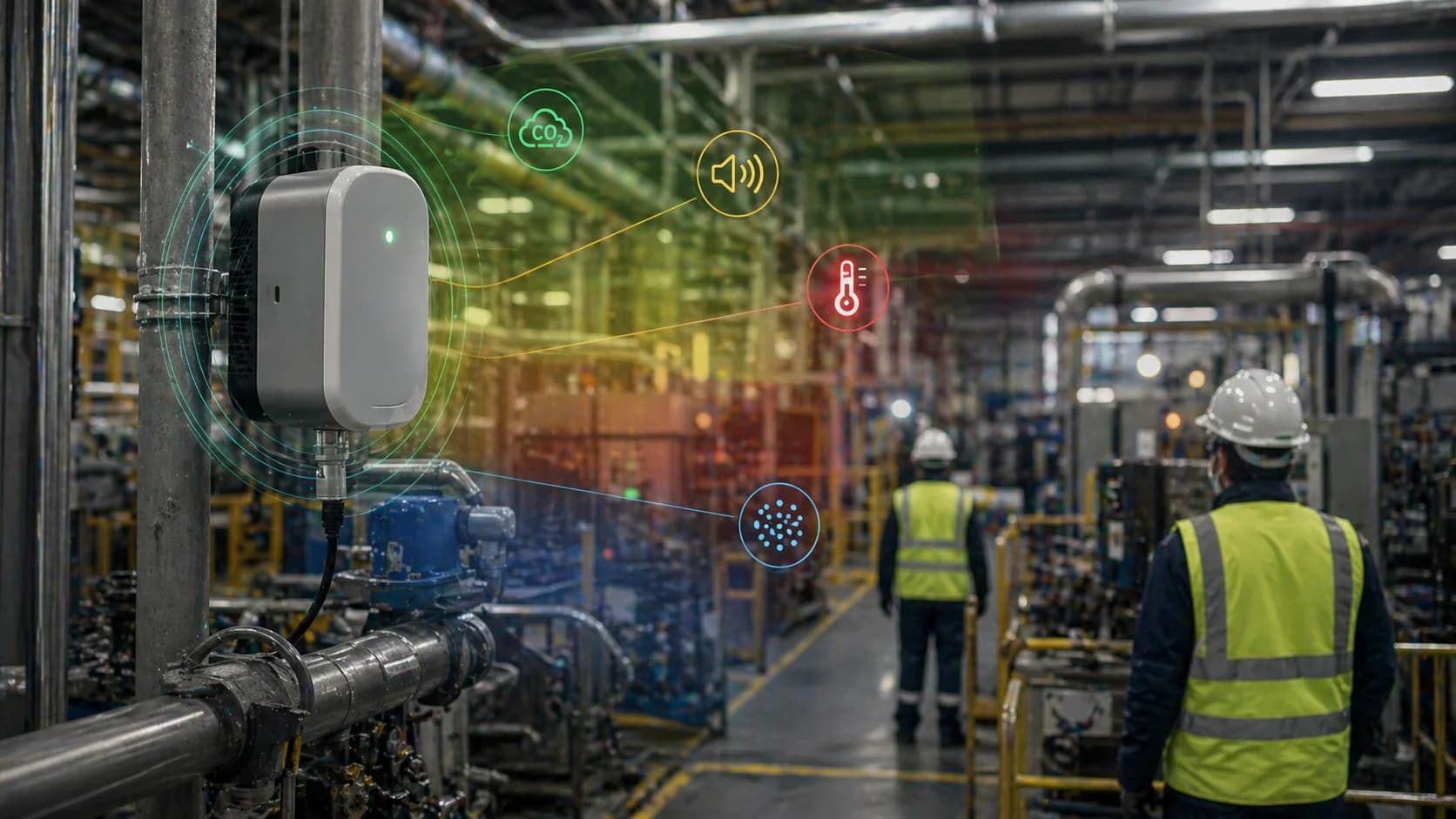
  • PETRAN's operational sustainability module monitors energy by line, equipment class, and process stage. AI flags compressed air leaks, steam losses, refrigeration waste, and abnormal consumption so teams can reduce cost while building ISO 50001 and CSRD-ready evidence.

Business Impact

AI energy management reducing manufacturing operating costs through leak detection and efficiency gains.

Energy Cost Reduction

Cuts operating costs by 10–15% through waste detection and efficiency optimization.

Automated compliance reporting for ISO 50001 and CSRD ESG regulatory requirements.

Regulatory Compliance

Generates audit-ready evidence for ISO 50001, CSRD, and investor ESG frameworks.

AI-driven sustainability initiatives enhancing brand reputation and investor ESG ratings.

Brand & Investor Value

Demonstrates sustainability commitment to customers, investors, and regulators.

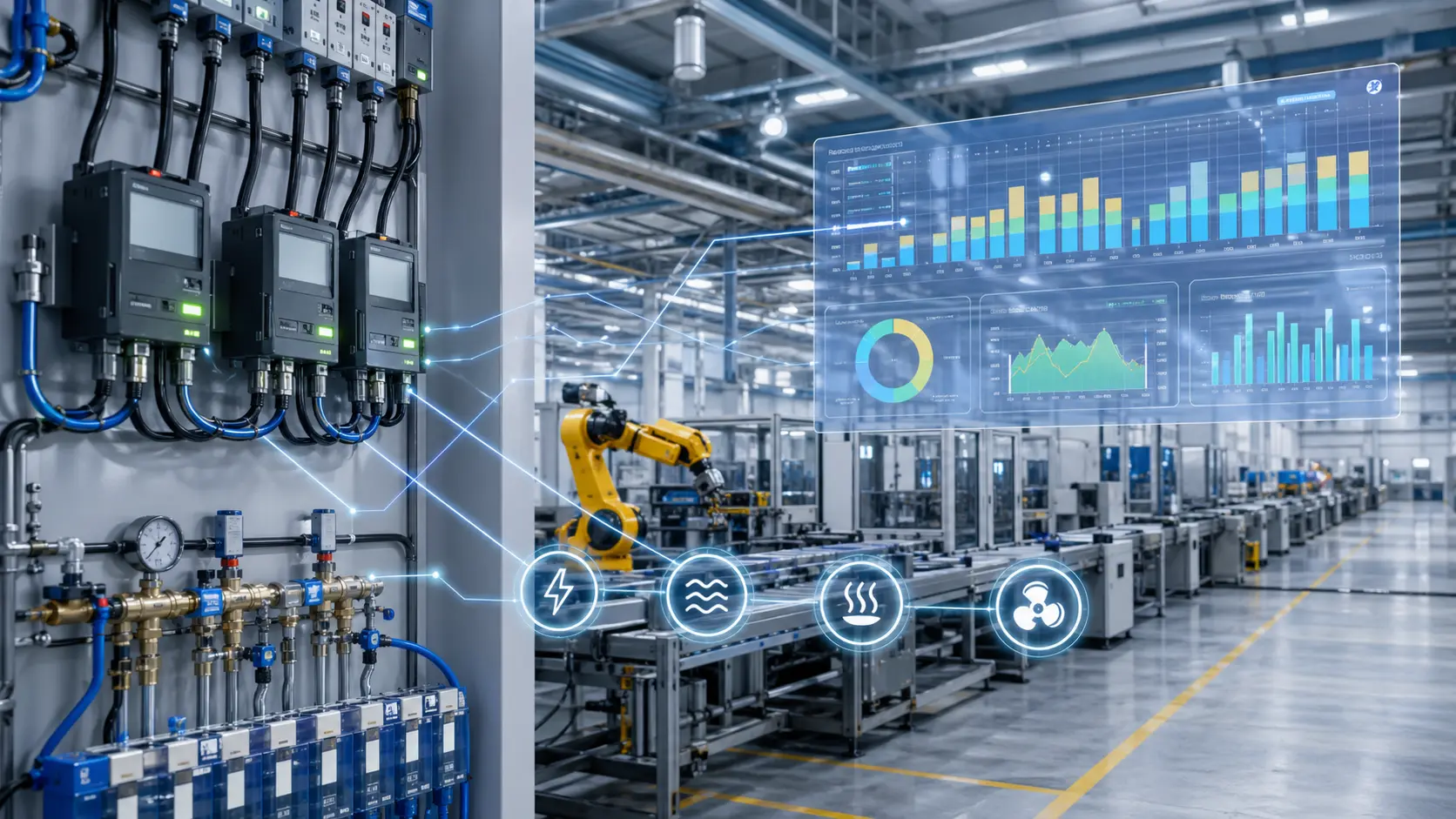
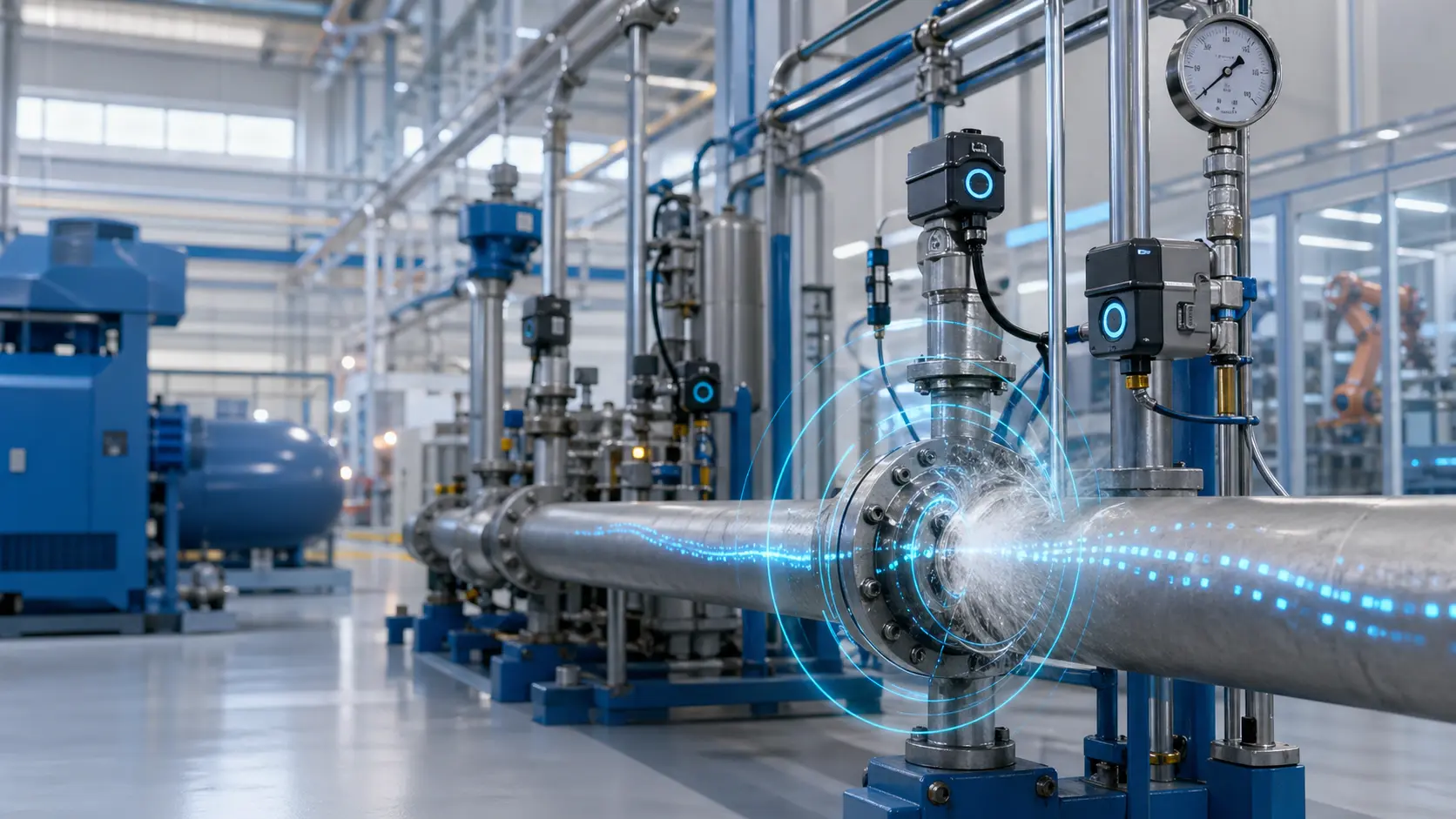
A smart factory uses Ombrulla's energy monitoring AI to detect that compressed air leaks are consuming 28% of system energy. AI pinpoints leak locations for rapid repair. Monthly energy baseline drops 15%, reducing operating costs and meeting CSRD emissions targets.

Use Case

A smart factory deploys PETRAN energy sub-metering on its compressed air, steam, and electrical systems. Within weeks, AI detects that compressed air leaks account for 28% of compressor energy consumption. AI pinpoints exact leak locations using acoustic analysis. The facility repairs the leaks and implements a monitoring protocol that maintains leak detection. Result: 15% monthly energy cost reduction and documented Scope 1 emissions reduction for CSRD reporting.

Worker Safety & RTLS Tracking - Real-Time Protection on Every Factory Floor

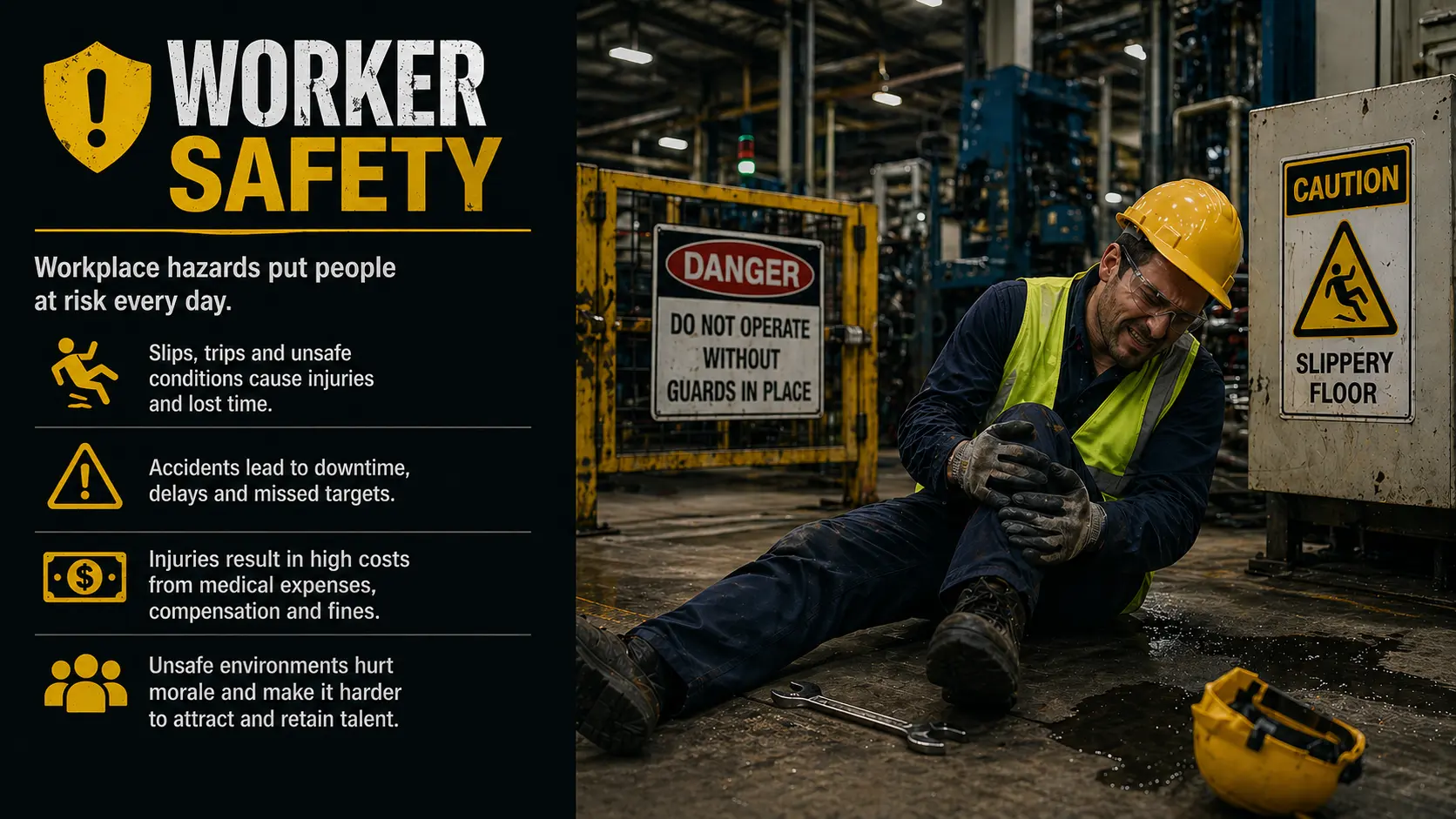
  • Factories expose workers to moving machinery, confined spaces, chemicals, noise, heat, and restricted zones. Traditional barriers and periodic audits cannot react to every changing condition.
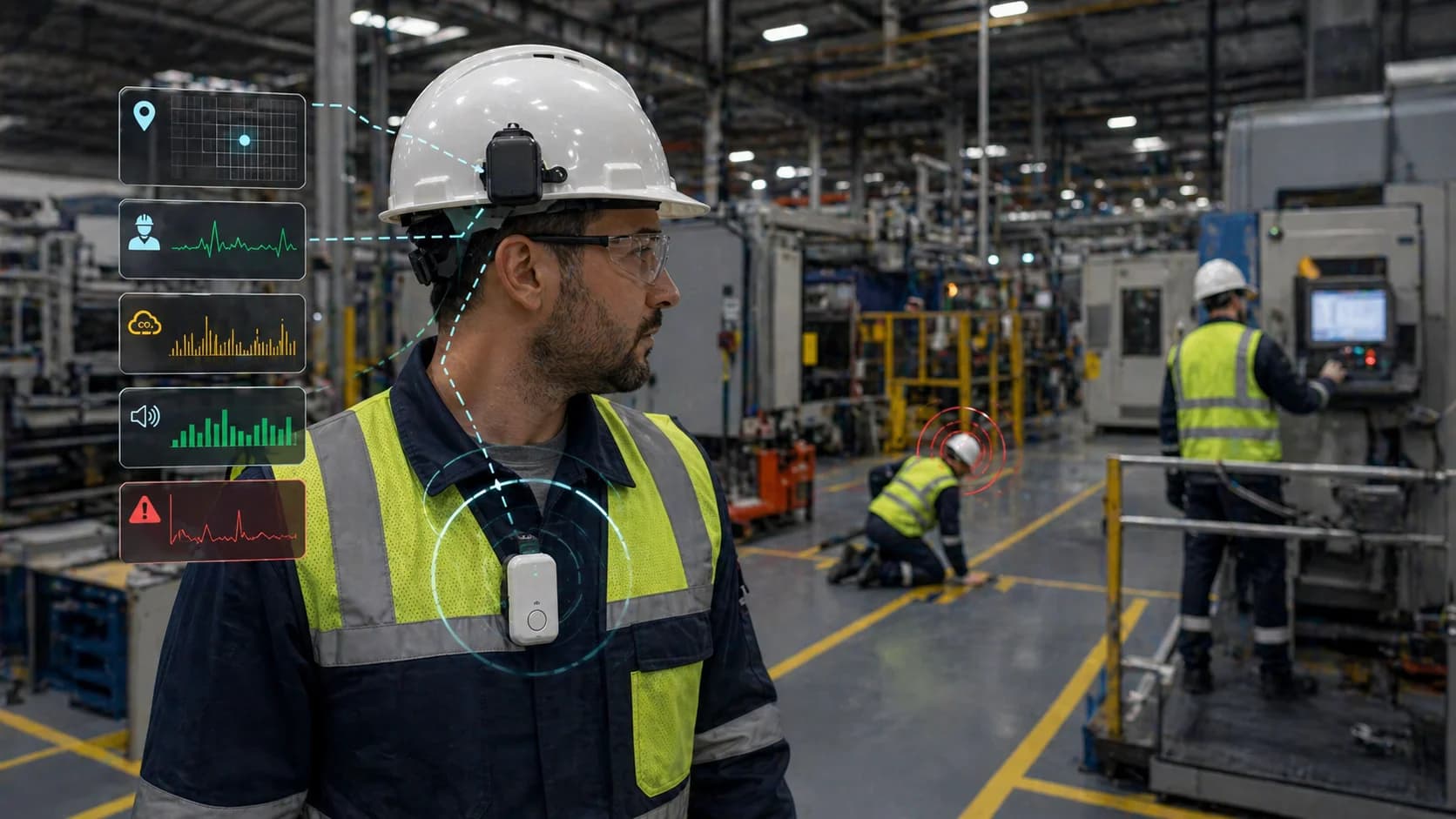
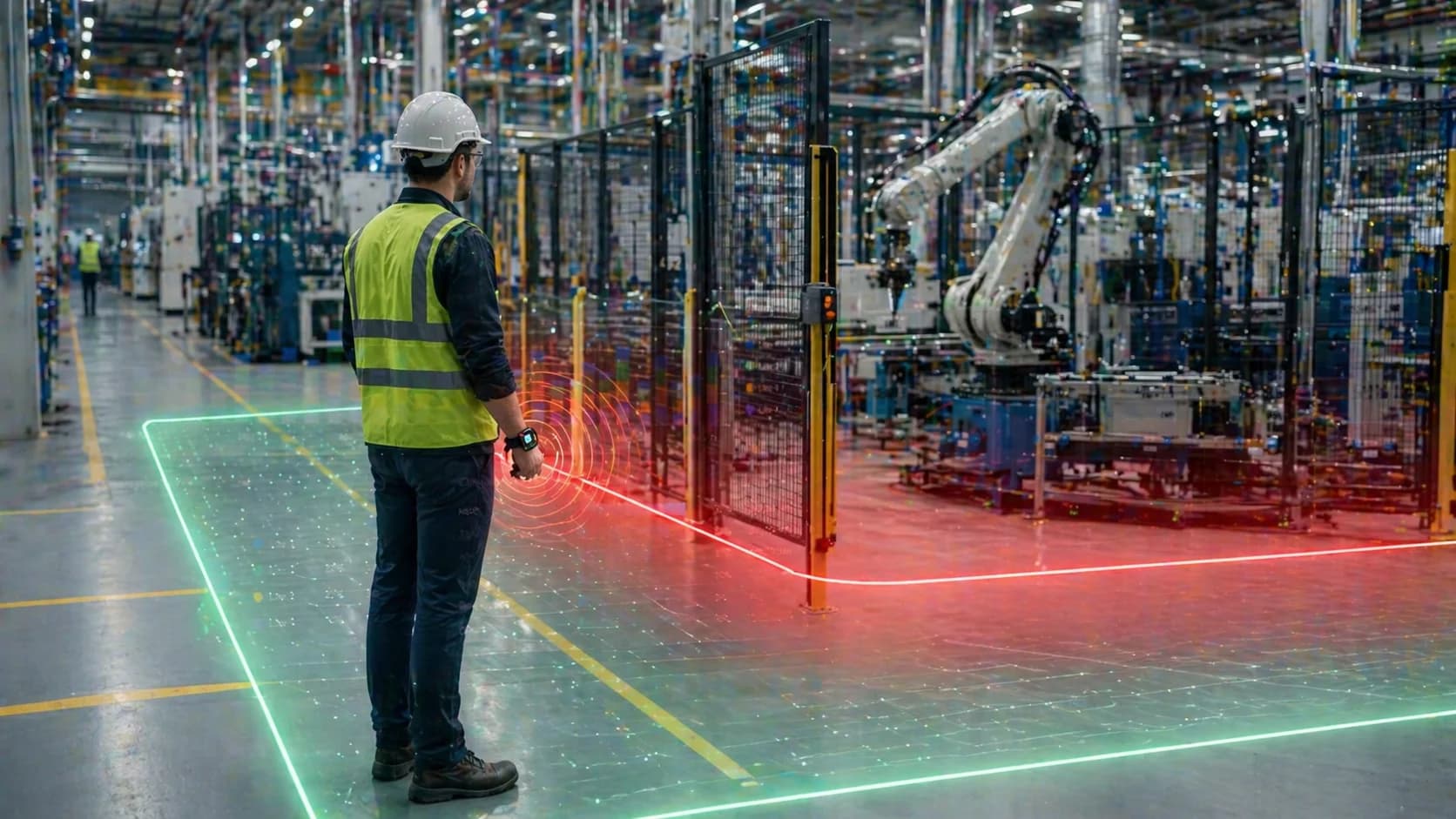
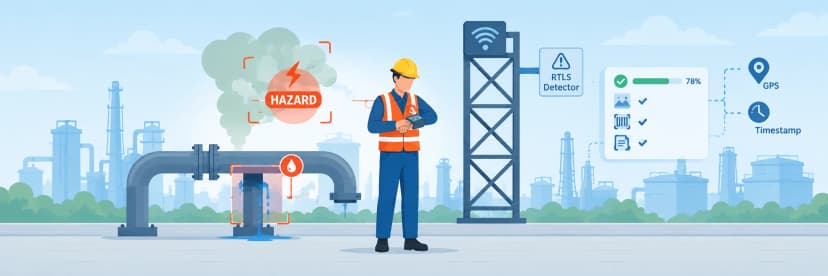
  • PETRAN's workplace safety platform combines RTLS positioning, wearable environmental sensors, man-down detection, SOS alerts, and dynamic geofencing. It gives safety teams a live view of worker position, zone risk, and active safety events.

Business Impact

AI worker safety systems preventing workplace accidents and reducing worker compensation claims through continuous monitoring.

Safer Workplaces

Prevents accidents and reduces worker compensation claims.

Automated safety monitoring generating audit-ready compliance records for OSHA and ISO regulatory requirements.

Higher Compliance

Ensures audit-ready safety logs for OSHA and ISO standards.

AI safety initiatives building workforce trust and improving retention through demonstrable workplace safety commitment.

Better Workforce Retention

Employees trust employers who prioritize safety.

Ombrulla's AI-powered safety wearables detect a worker entering a restricted high-voltage testing zone, trigger an instant alert, halt the testing process, and automatically log the incident to ensure safety and compliance.

Use Case

On a factory floor, Ombrulla's wearables detect a worker entering a restricted high-voltage testing zone. The system sends an alert to the worker and simultaneously halts the testing process until clearance is confirmed. The incident is logged automatically, ensuring both safety and compliance.

Agentic AI - From Production Signal to Operational Action in Seconds

  • Manufacturing teams already collect quality, equipment, safety, MES, ERP, and supply chain data, but response still depends on manual escalation.
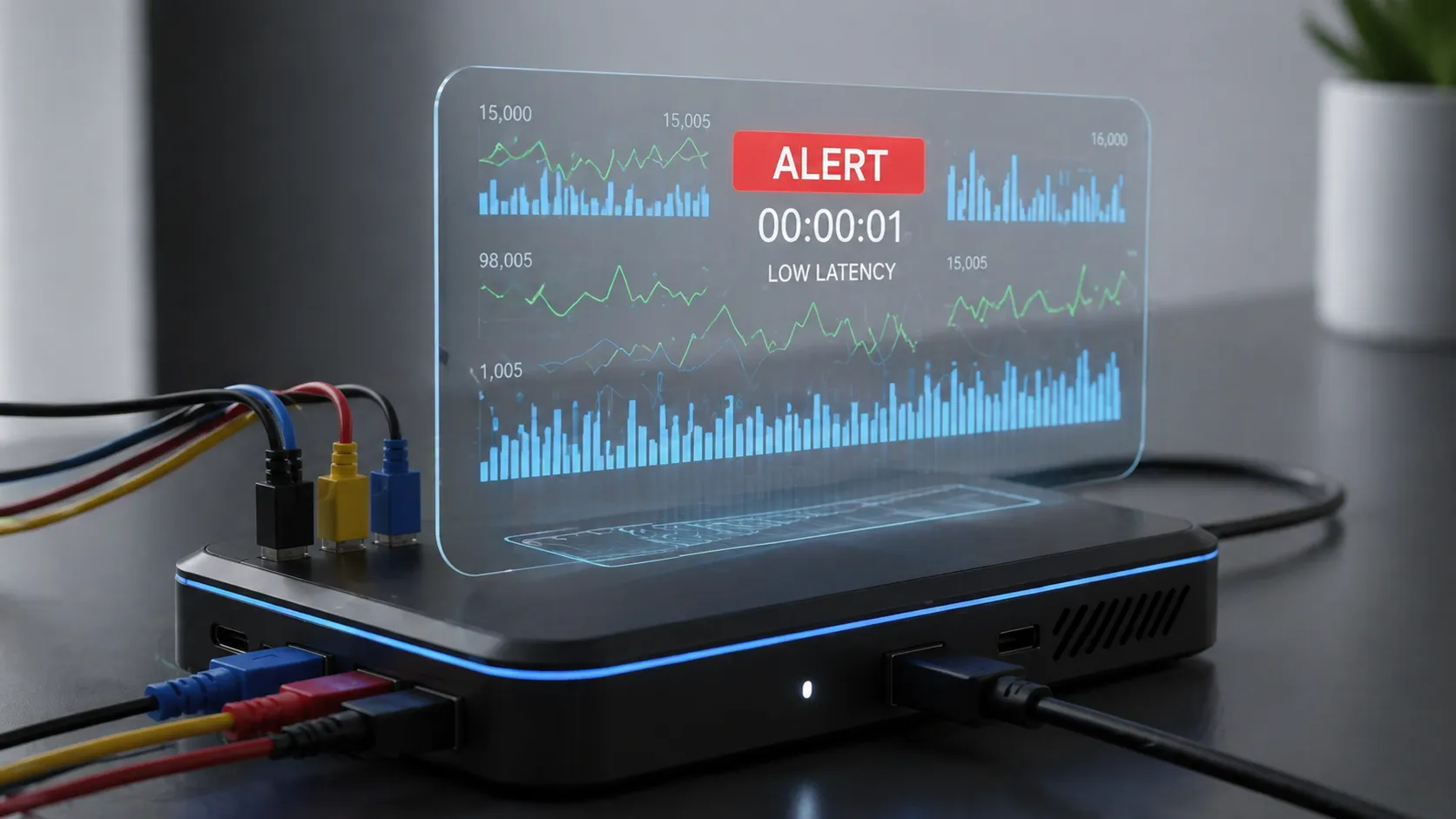
  • PETRAN's agentic AI reads the operational model and executes approved workflows when defined conditions are met. Routine actions can happen in seconds, while human approval remains for high-impact production, safety, or cost decisions.

Business Impact

AI systems enable rapid response to production and safety issues, minimizing downtime and ensuring quick corrective action.

Rapid Response

Shortens reaction time to production or safety issues.

Artificial intelligence reduces human errors by providing real-time monitoring, predictive insights, and automated decision support.

Error Reduction

AI minimizes mistakes that result from human oversight.

AI integration boosts operational efficiency, product quality, and workplace safety giving organizations a strong competitive edge.

Competitive Advantage

Boosts efficiency, quality, and safety simultaneously.

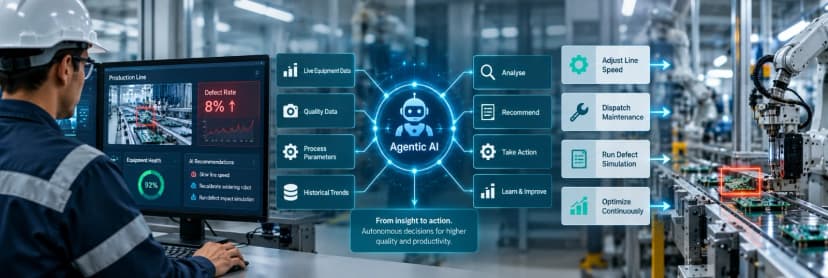
Ombrulla's Agentic AI detects rising defect rates in circuit board production, recommends slowing the assembly line, recalibrating soldering robots, and running defect simulations executing the plan automatically to maintain quality and productivity.

Use Case

In an electronics manufacturing plant, Ombrulla's Agentic AI notices rising defect rates in a batch of circuit boards. It recommends slowing the assembly line by 8%, dispatching a maintenance crew to recalibrate soldering robots, and running a defect impact simulation. With one approval, the AI executes the plan protecting output quality while maintaining productivity.

Digital Twin - A Live Virtual Model of Your Production Lines, Assets, and Workers

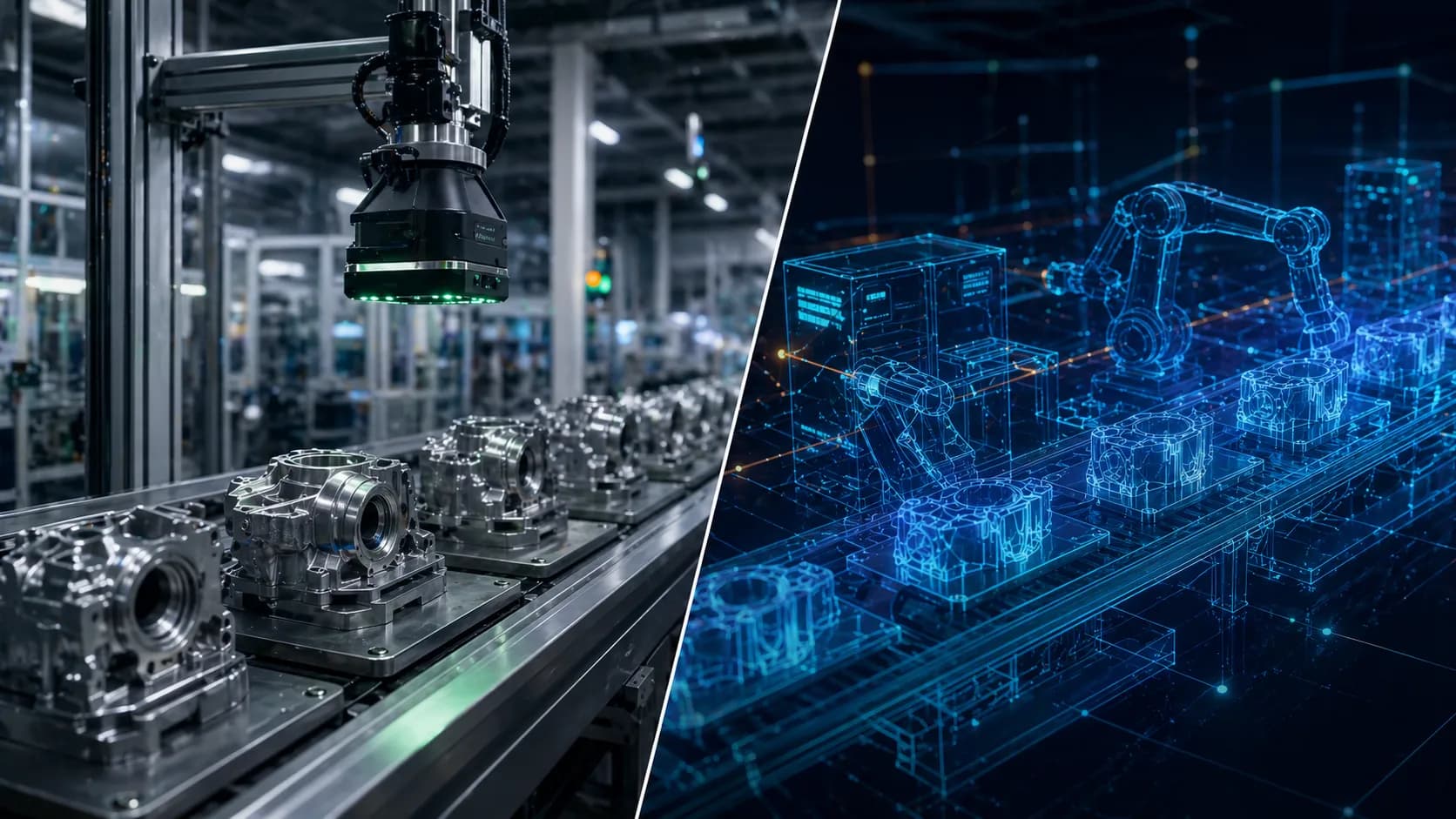
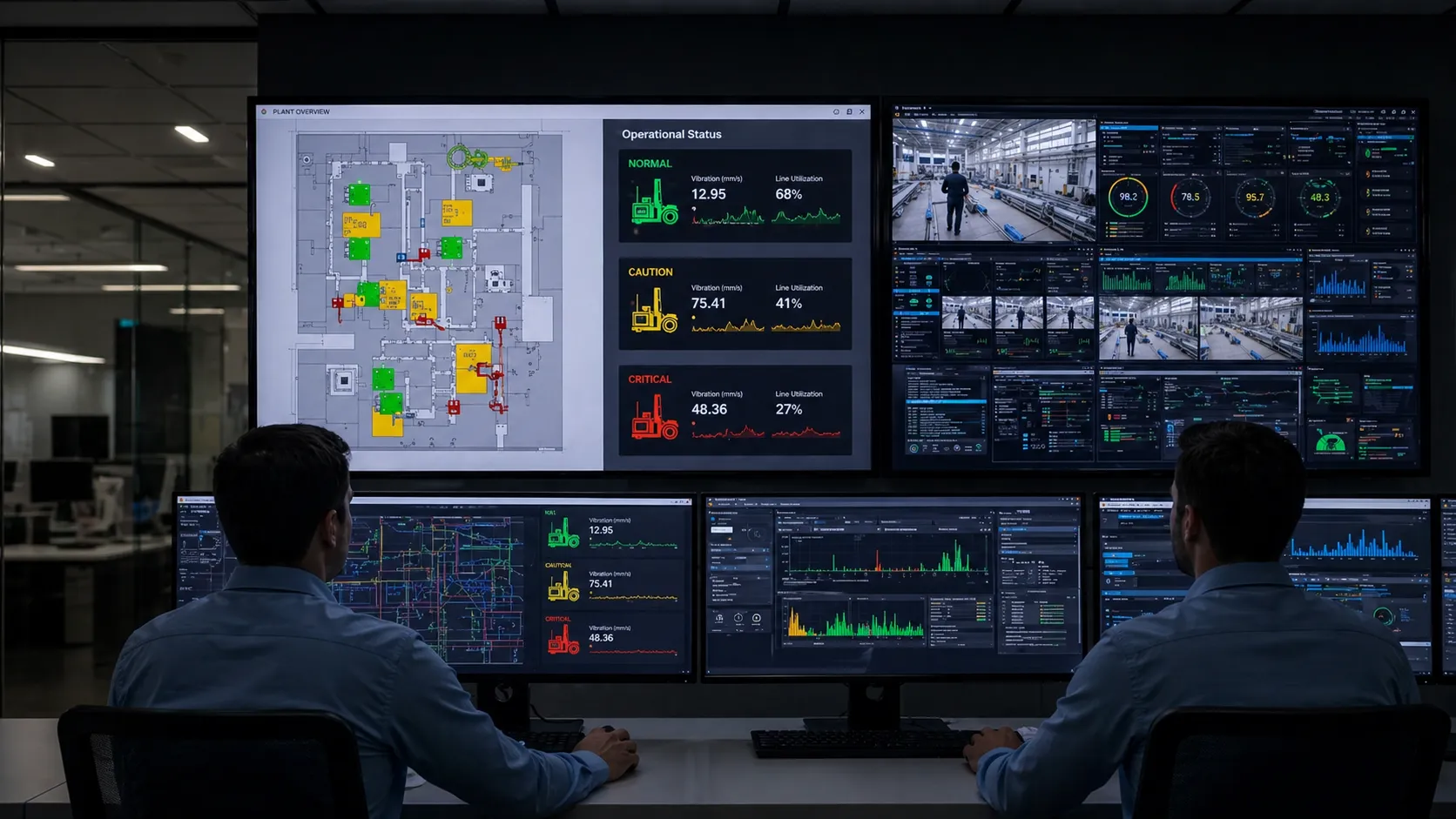
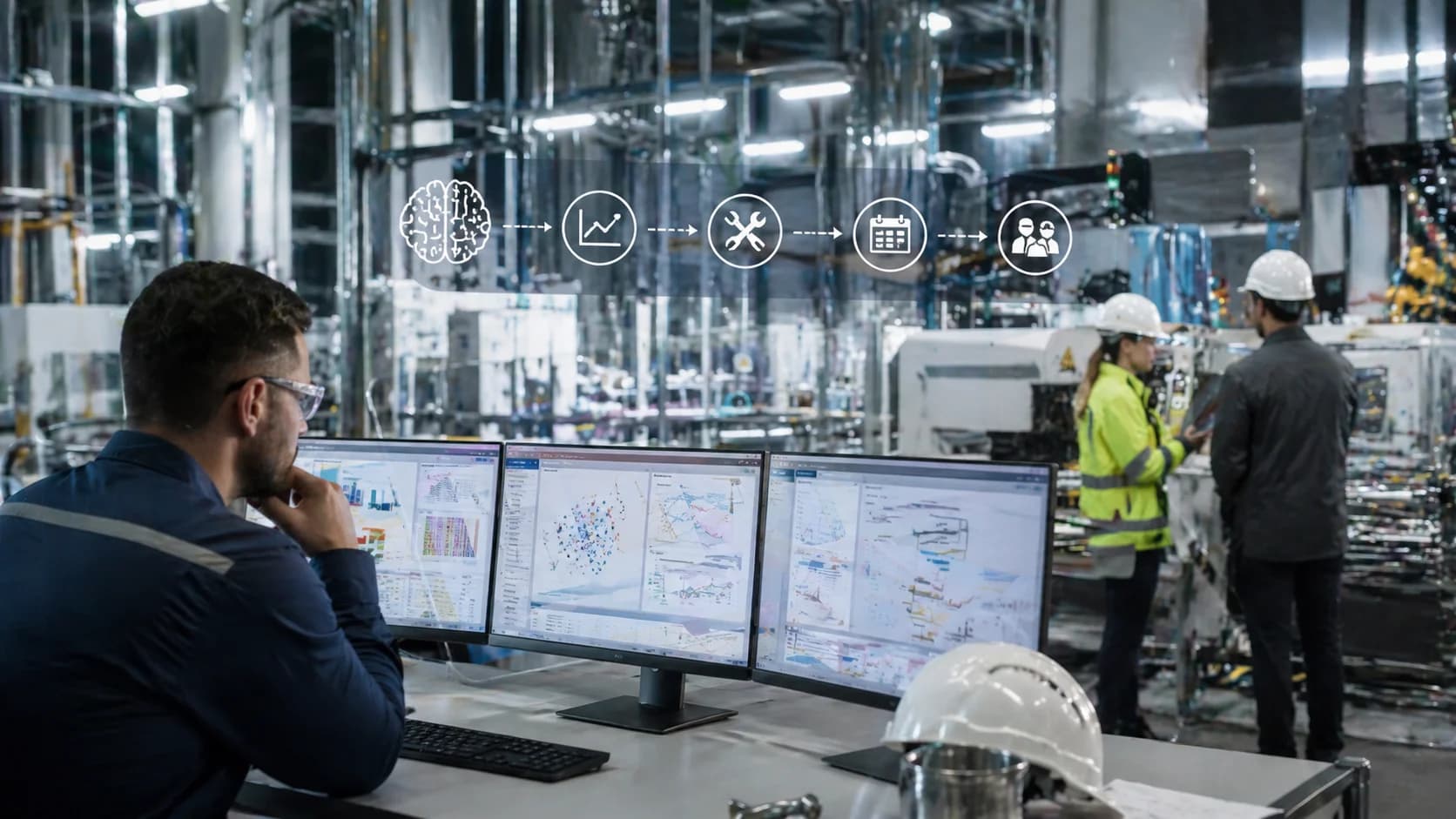
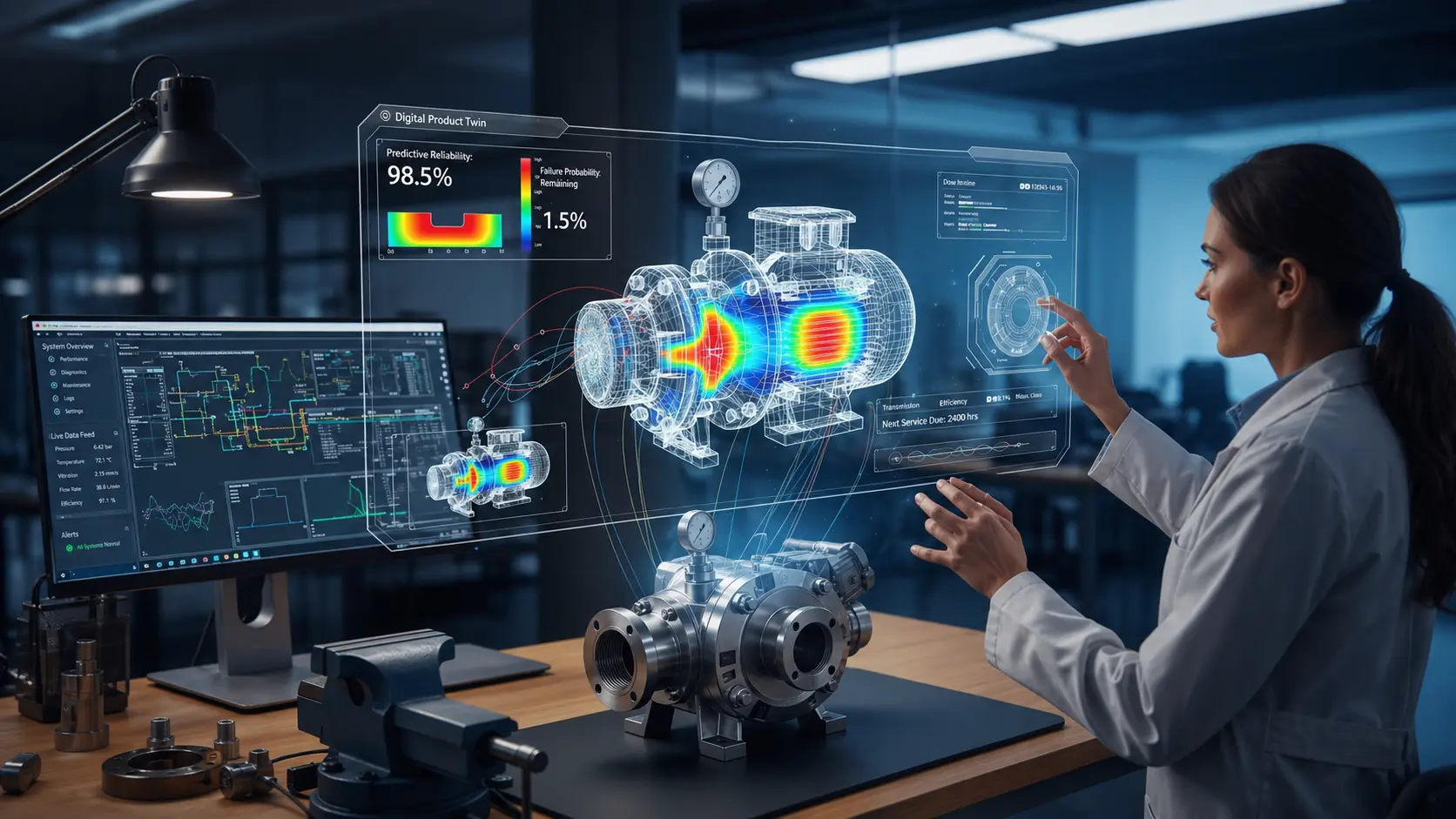
  • A manufacturing digital twin gives teams a live model of production lines, assets, workers, quality events, and energy use. PETRAN combines TRITVA inspection data, IoT asset health, RTLS positions, MES records, and sustainability metrics into one operational view.

Which Ombrulla Solution Addresses Which Manufacturing Challenge

Which Ombrulla Solution Addresses Which Manufacturing Challenge
ChallengeOmbrulla SolutionRegulatory Alignment
Unplanned Downtime ($100K/hr)PETRAN APM: vibration/temperature/current condition monitoring, AI failure prediction, automated CMMS work orders, edge AI local alarmingIBM: downtime reduction up to 50% · Maintenance cost reduction 25-40%
Quality Defects (5-30% revenue)TRITVA AI Visual Inspection: 100% inline inspection at production speed, sub-mm defect detection, TRITVA → PETRAN Digital Twin root cause integrationIBM IBV: defect detection improvement up to 50%
Worker Safety (OSHA / ISO 45001)PETRAN RTLS: UWB 10-30cm accuracy, dynamic geofencing, man-down/SOS, gas and environmental monitoring, machine halt via OPC-UA integrationISO 45001 · OSHA · RIDDOR - immutable audit trail
Energy & Sustainability (12% avg saving)PETRAN Operational Sustainability: energy sub-metering, AI leak detection, ISO 50001 M&V, Scope 1/2 GHG accounting for CSRD/ESRS E1ISO 50001 · CSRD ESRS E1 · IBM Envizi integration
Decision Speed (data fragmentation)PETRAN Agentic AI: reads quality + asset + safety + energy + production data; executes pre-approved workflow actions in secondsIATF 16949 Problem Resolution · ISO 9001 CAPA · OSHA incident
Quality Traceability (recall risk)PETRAN Digital Twin + TRITVA: per-part inspection record, process conditions at time of production, full digital thread for ISO 9001 / IATF 16949 traceability8D / CAPA evidence · Customer-specific requirements

Why Manufacturers Choose Ombrulla Over Point Solutions

Why Manufacturers Choose Ombrulla Over Point Solutions
ComparisonWhy PETRAN/TRITVA Wins
AI Visual Inspection vs Manual InspectionManual inspection varies by fatigue, lighting, and product complexity. TRITVA inspects every part at production speed with consistent sensitivity and automated quality records.
Predictive vs Reactive MaintenanceReactive maintenance is expensive and calendar maintenance often services the wrong assets. PETRAN prioritises assets that are actually developing faults, reducing emergency repairs and unnecessary work.
RTLS Safety vs Physical BarriersPhysical barriers address fixed hazards. PETRAN RTLS responds to dynamic conditions such as zone breaches, worker-machine proximity, man-down events, and environmental exposure.
Unified Platform vs Siloed Point SolutionsPoint solutions keep quality, maintenance, safety, and sustainability data separate. PETRAN unifies these signals so teams can correlate root causes across systems.
Agentic AI vs Manual EscalationManual escalation can take minutes or hours. PETRAN Agentic AI executes approved responses in seconds, including work orders, schedule changes, and team notifications.

Getting Started - Ombrulla’s Proven Manufacturing Deployment Approach

01 Operational Assessment (1–2 weeks)

01 Operational Assessment (1–2 weeks)

Map the production lines, equipment, and worker groups with the highest ROI potential. Establish baselines for defect rate, downtime, safety risk, and energy intensity.

02 Pilot Deployment (3–6 weeks)

02 Pilot Deployment (3–6 weeks)

Pilot TRITVA on the highest-priority inspection station, PETRAN APM on critical assets, and RTLS safety in high-risk zones. Validate alerts, tune thresholds, and train teams.

03 Enterprise Integration (2–4 weeks)

03 Enterprise Integration (2–4 weeks)

Connect PETRAN to CMMS, MES, ERP, EHS, and historian systems. Inspection records, safety events, and work order updates move through existing workflows.

04 Scale and Govern (3–12 months)

04 Scale and Govern (3–12 months)

Scale to additional lines and sites using pilot templates, RBAC, versioned model updates, and scheduled compliance reporting.

05 Continuous Optimisation (Ongoing)

05 Continuous Optimisation (Ongoing)

Review inspection accuracy, false calls, anomaly precision, safety records, and energy evidence. Expand PETRAN capabilities as data maturity improves.

Frequently Asked Questions

What challenges does the manufacturing industry face in 2025?

Manufacturing faces five core challenges: downtime, quality defects, worker safety, energy and sustainability pressure, and slow decisions across fragmented data. PETRAN and TRITVA address these with predictive maintenance, AI inspection, RTLS safety, operational sustainability, digital twins, and agentic AI.

How does AI improve quality control in manufacturing?

AI visual inspection improves quality control by checking every unit consistently at production speed. TRITVA detects defects, records image evidence, classifies issues, and creates traceable quality records for ISO 9001 and IATF 16949 workflows.

What is Industry 4.0 and how does it apply to manufacturing?

Industry 4.0 connects AI, IoT, cloud systems, and cyber-physical production assets. In practice, it means condition monitoring, AI inspection, RTLS safety, digital twins, and agentic AI integrated with MES, ERP, CMMS, and SCADA systems.

How does predictive maintenance reduce downtime in manufacturing?

Predictive maintenance reduces downtime by detecting early failure signals such as abnormal vibration, current draw, heat, pressure decay, or speed variation. PETRAN estimates failure risk and remaining useful life, then routes recommended action into CMMS workflows.

What is OEE and how does AI improve it?

OEE measures availability, performance, and quality. AI improves OEE by reducing unplanned stoppages, identifying bottlenecks, recommending process adjustments, and catching defects earlier. PETRAN tracks OEE at machine, line, and shift level.

How much does unplanned downtime cost manufacturers?

Industrial downtime is often benchmarked around $100,000 per hour and can be higher in automotive, electronics, and tightly coupled production lines. Costs include lost output, emergency labour, expedited parts, rescheduling, and customer delivery risk.

How does AI visual inspection compare to manual inspection?

AI inspection is more consistent than manual inspection, works at line speed, and creates a digital evidence trail. TRITVA can detect subtle visual defects, reduce inspector variability, and support traceability for audits and customer quality requirements.

What is the ROI of AI in manufacturing?

ROI depends on the use case and baseline, but high-impact AI deployments commonly target lower downtime, fewer quality escapes, reduced scrap, safer operations, and faster decisions. Modular pilots often show measurable value within weeks and scale after proof of impact.

How does RTLS worker tracking improve safety in factories?

RTLS worker tracking gives safety teams live worker location, zone alerts, mustering visibility, and incident replay. PETRAN can combine RTLS with wearables, SOS, man-down detection, and machine-control integrations.

What is agentic AI and how does it work in manufacturing operations?

Agentic AI reads quality, asset, worker, energy, and production data, then executes approved workflows such as work orders, notifications, schedule changes, or containment actions. Human approval remains for high-impact decisions.

How does a digital twin work in manufacturing?

A manufacturing digital twin is a live virtual model of a line, factory, or supply chain. PETRAN combines quality data, equipment health, worker positions, MES records, and energy data for live visibility, replay, simulation, and AI-assisted workflows.

What manufacturing regulations and standards does AI help satisfy?

Ombrulla helps generate evidence for ISO 9001, IATF 16949, ISO 45001, OSHA, ISO 50001, CSRD/ESRS E1, and IEC 62443. Evidence is produced through inspection records, safety events, energy baselines, audit logs, and digital twin replay.

How does PETRAN integrate with SAP, IBM Maximo, or existing MES and ERP systems?

PETRAN integrates with MES, CMMS/EAM, ERP, EHS, SCADA, and historian systems through APIs, webhooks, and connectors. It can read production context, create work orders, write quality outcomes, route safety events, and update asset health models.

How long does it take to deploy AI in a manufacturing plant?

A focused deployment usually starts with assessment and pilot scoping, followed by a 3-6 week pilot on priority quality, maintenance, or safety use cases. Enterprise integration and site scaling follow after measurable value is proven.

What are the most impactful AI use cases in manufacturing today?

The most impactful use cases are predictive maintenance, AI visual inspection, RTLS worker safety, compressed air and energy waste detection, agentic quality response, and digital twin simulation. These map directly to downtime, quality, safety, sustainability, and decision-speed KPIs.

Transform Your Manufacturing with AI

Discover how Ombrulla's intelligent automation can boost quality, reduce downtime, and protect your workforce.