What is AI people counting?
AI people counting uses computer vision on standard CCTV or 3D sensors to detect, track, and count people in real time - distinguishing people from carts or shadows and handling crowds - to provide accurate occupancy, footfall, and flow analytics.
How accurate are AI people counting systems?
Modern AI people counting systems, particularly those utilizing 3D stereoscopic vision and deep learning models, achieve accuracy rates of 95% to 98% or higher, even in challenging industrial and retail environments. This high level of precision is maintained under varying lighting conditions, during peak traffic periods when people move in groups, and at entrances with complex backgrounds. The systems are specifically trained to eliminate 'false counts' caused by shadows, reflections on glass doors, or non-human objects. Continuous learning loops within the PETRAN platform allow the models to adapt to site-specific nuances, ensuring that the data remains reliable for critical operational tasks such as capacity management, safety compliance, and financial conversion analysis.

Is AI people counting privacy-safe and GDPR compliant?
Yes, with privacy-by-design: video is processed at the edge, only anonymous counts and movement data are kept, and frames are discarded - no faces or biometric identifiers are stored or transmitted.
What industries benefit most from AI people counting?
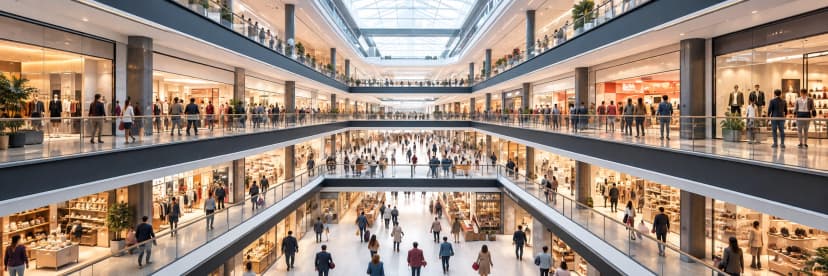
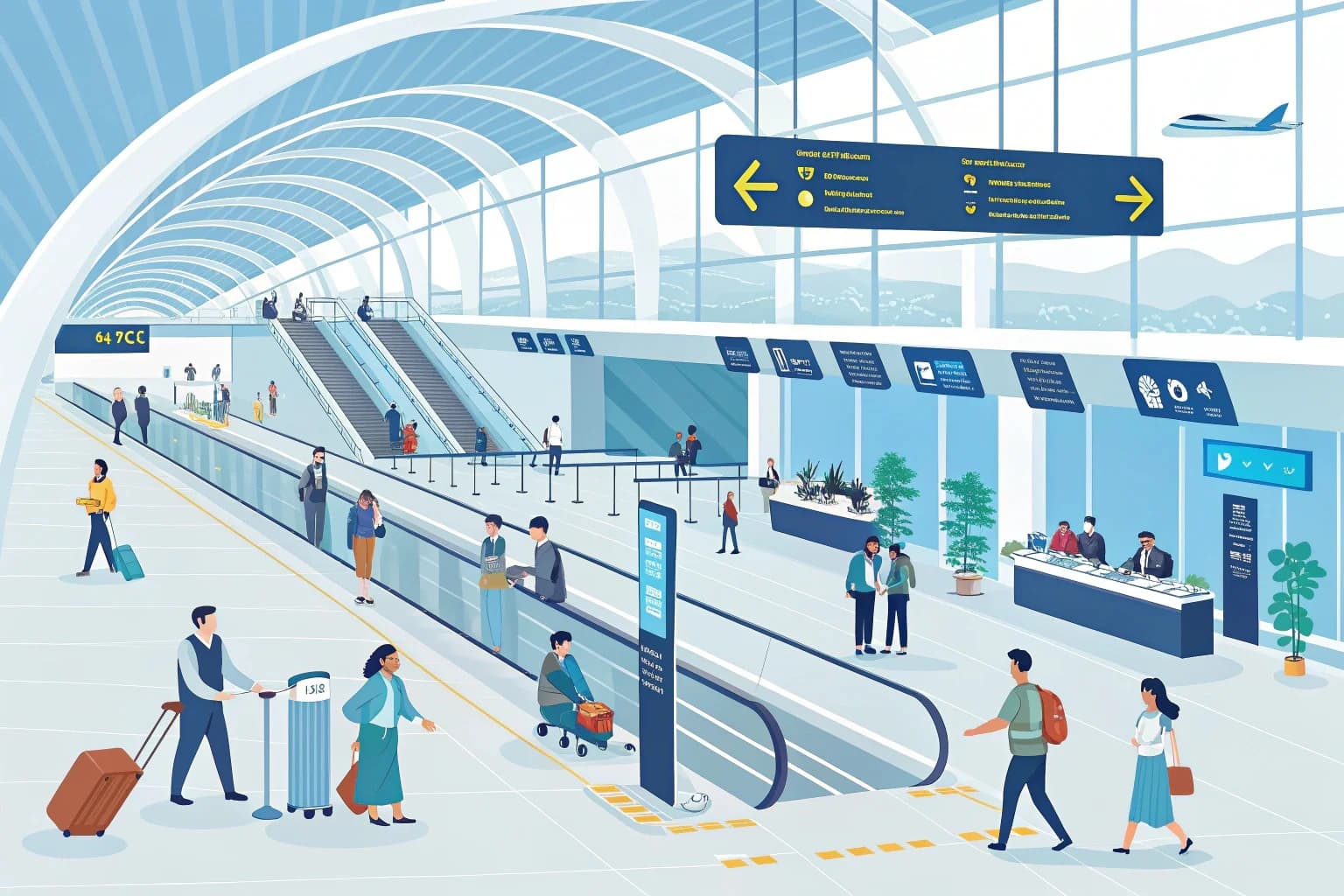
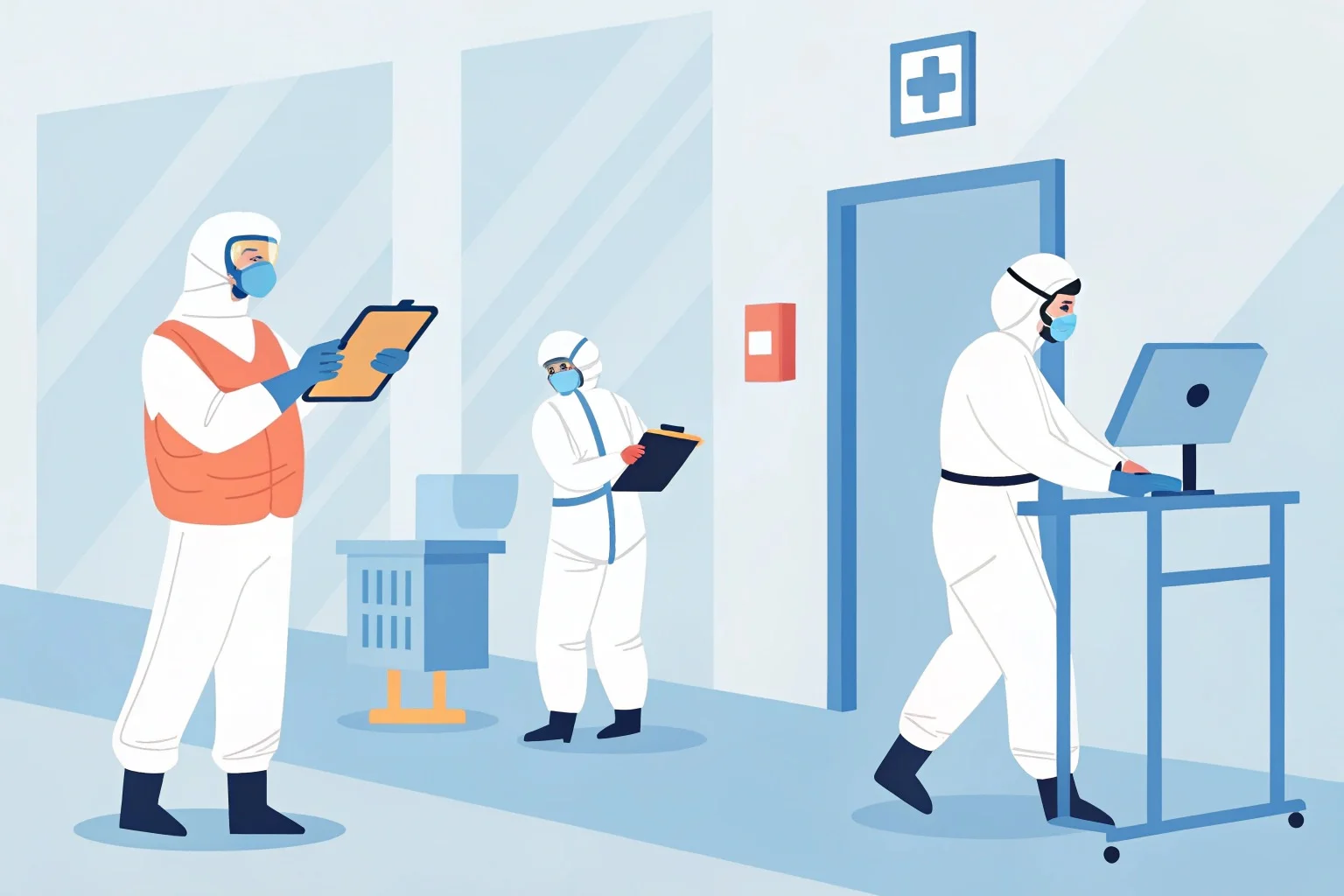
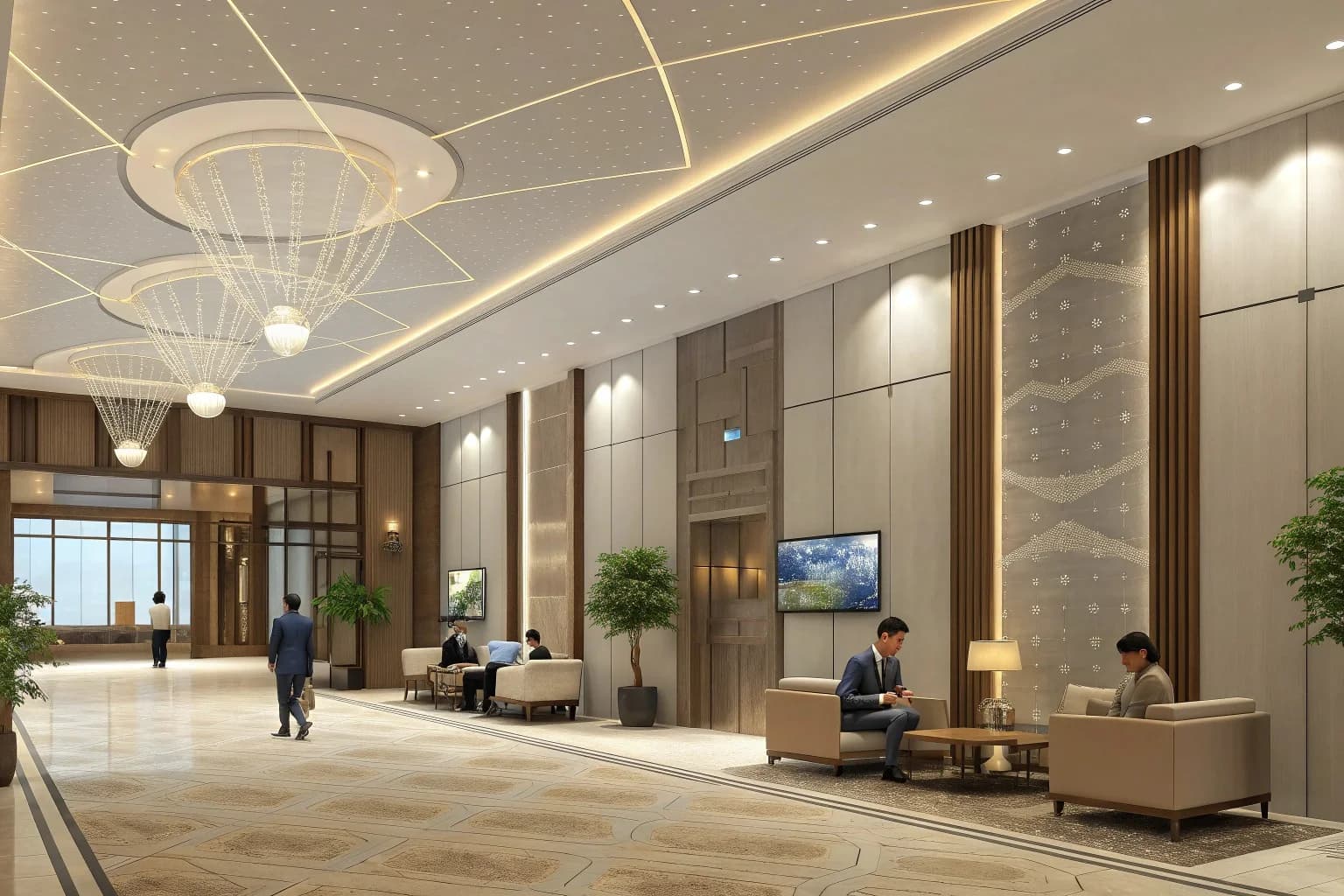
AI people counting provides significant value across any industry that manages physical spaces and visitor flow. In Retail, it is used to calculate conversion rates and optimize staffing levels based on footfall. In Airports and Transportation hubs, it is critical for queue management and terminal congestion monitoring. Healthcare facilities use it to ensure compliance in restricted zones and manage patient flow. Corporate Offices and Smart Buildings utilize the data to optimize HVAC and lighting systems based on real-time occupancy, supporting sustainability goals. Additionally, large Public Venues-such as stadiums and museums-rely on AI people counting for safety compliance and to provide a better visitor experience by managing crowd density and dwell times.
How does AI people counting help with resource and staff optimization?
AI people counting enables resource and staff optimization by providing a clear, data-driven map of peak demand periods. By analyzing historical footfall patterns alongside real-time occupancy data, managers can schedule staff shifts to align perfectly with visitor volume, ensuring that customer service levels remain high during busy periods without over-staffing during lulls. This 'demand-matched' staffing typically leads to a 10-15% reduction in labor costs while simultaneously improving the customer experience. Beyond personnel, the data also informs maintenance schedules (e.g., cleaning restrooms based on actual usage rather than fixed intervals) and utility management, allowing for significant operational cost savings across the entire facility.
Can AI people counting integrate with existing CCTV infrastructure?
Yes. ONVIF-compliant IP camera streams connect directly, so most sites need no new cameras - reducing cost and enabling rapid rollout, with optional 3D edge sensors where sub-meter accuracy is required.
How does real-time occupancy monitoring enhance workplace safety?
Real-time occupancy monitoring is a critical component of modern industrial and public safety. By providing an instant, accurate count of personnel and visitors in every zone of a facility, the system ensures that capacity limits are never exceeded, reducing the risk of crushes or emergency bottlenecks. In the event of an evacuation, safety managers can instantly see which areas are cleared and which still contain people, providing life-saving information to emergency responders. When integrated with PETRAN's safety module, occupancy data can also trigger automated geofencing alerts if too many people enter a high-risk area, ensuring compliance with fire safety regulations and internal HSE policies.
What is the difference between an AI counter and a traditional infrared counter?
The difference between AI counters and traditional infrared (IR) counters is the difference between 'intelligent vision' and 'simple interruption.' IR counters work by detecting the break in a light beam; they cannot distinguish between a person, a shopping cart, or a group of people walking side-by-side, and they are highly susceptible to inaccuracies in wide entrances. AI counters, by contrast, use computer vision to 'see' and classify individuals. They can track people across a wide area, understand the direction of travel even in complex crossings, and ignore inanimate objects. This results in significantly higher data fidelity, particularly in high-traffic environments where traditional IR sensors frequently fail or provide wildly inaccurate results.
What is a people counting system or footfall counter?
A people counting system, also known as a footfall counter, is a technology-based solution used to accurately count the number of people who enter or exit a specific area or space.
How accurate are people counting systems?
Accuracy varies depending on the technology used. Advanced systems employing AI and 3D sensors can achieve accuracy rates of over 95%.
What technologies are used in people counting systems?
Common technologies include infrared sensors, video analytics, thermal imaging, and Wi-Fi/Bluetooth tracking.
Can people counting systems differentiate between staff and customers?
Yes, some systems can distinguish between employees and customers, especially when integrated with staff identification methods or by analyzing movement patterns.
What is crowd analysis?
Crowd analysis involves interpreting data on the movement and behavior of groups of people to understand patterns, predict future movements, and plan responses to potential events.
How is crowd analysis used in real-time scenarios?
Real-time crowd analysis can monitor passenger movement throughout areas like airports, aiding in congestion detection and queue management.
What is an occupancy monitoring system?
An occupancy monitoring system tracks the number of people in a space in real-time, providing data on space utilization, enhancing security, and improving operational efficiency.
How does occupancy monitoring contribute to energy efficiency?
By providing insights into space usage, occupancy monitoring can automate lighting, heating, and air-conditioning systems, reducing energy expenditure and carbon emissions.
What is a queue monitoring system?
A queue monitoring system tracks and analyzes wait times, line lengths, and customer flow in real-time using cameras, sensors, or AI-driven software to improve customer experience and optimize staffing.
How is queue monitoring implemented in existing infrastructures?
Queue monitoring can be integrated into existing CCTV systems, allowing for real-time wait-time monitoring and alerts without the need for additional hardware installations.