Ombrulla Logo

Turn Every Handheld Field Inspection Into AI-Verified Action

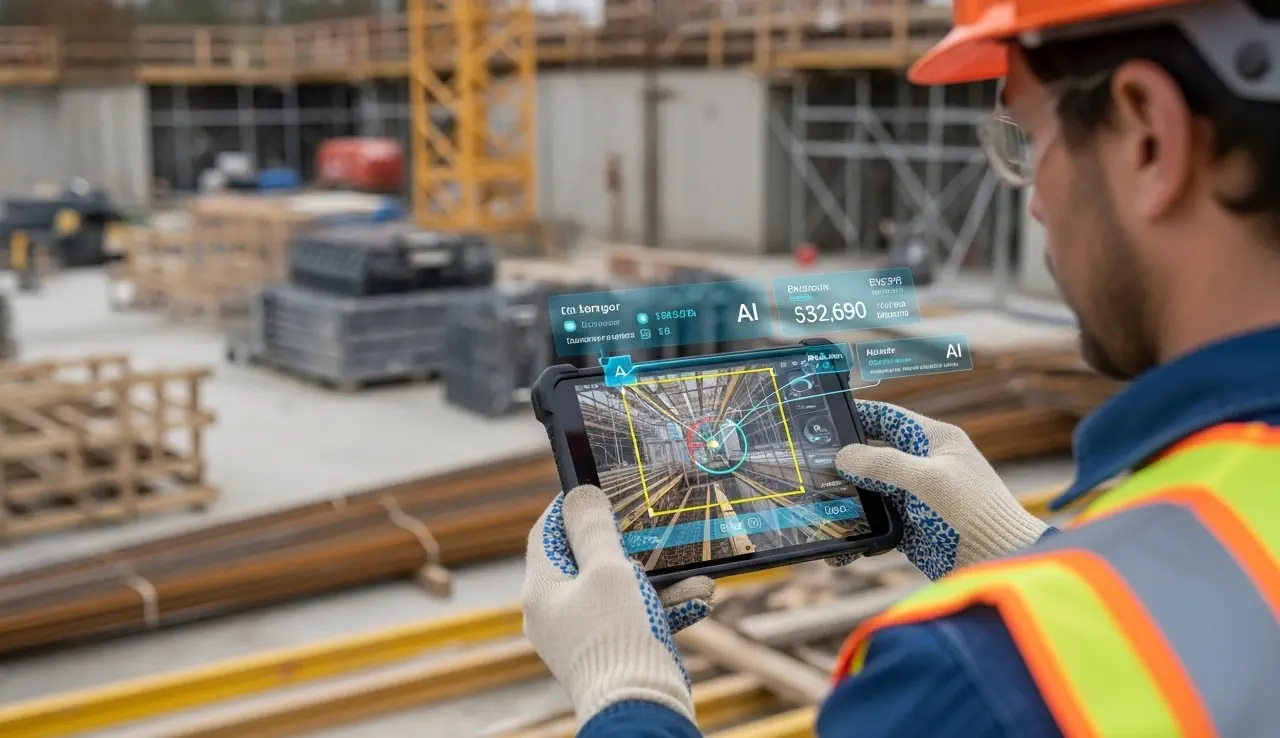
Ombrulla's AI mobile inspection app puts a guided checklist and computer-vision assist into every inspector's hand - for any mechanical, electrical, safety, or structural asset your team can physically reach. Not a drone. Not a rover. Not a fixed camera on a line. A better way to do the walk-up inspection a person is already doing - fully offline, then synced to your CMMS/EAM through one PETRAN-powered workflow.
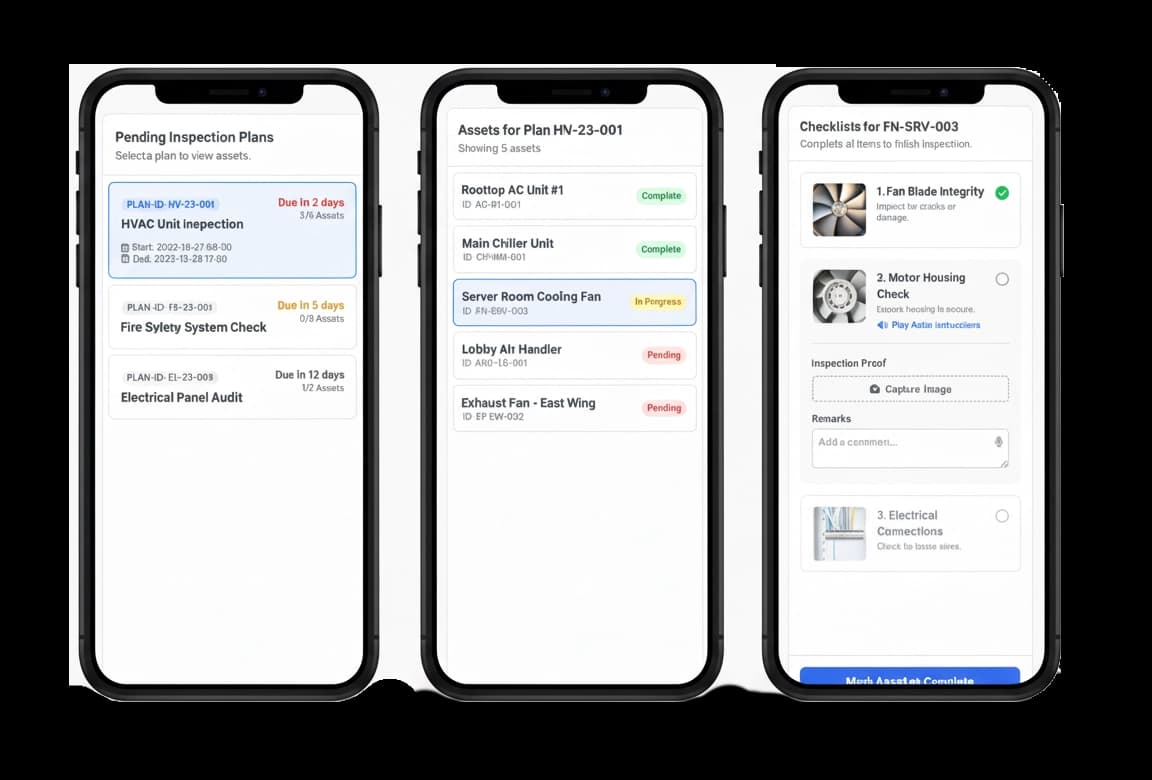
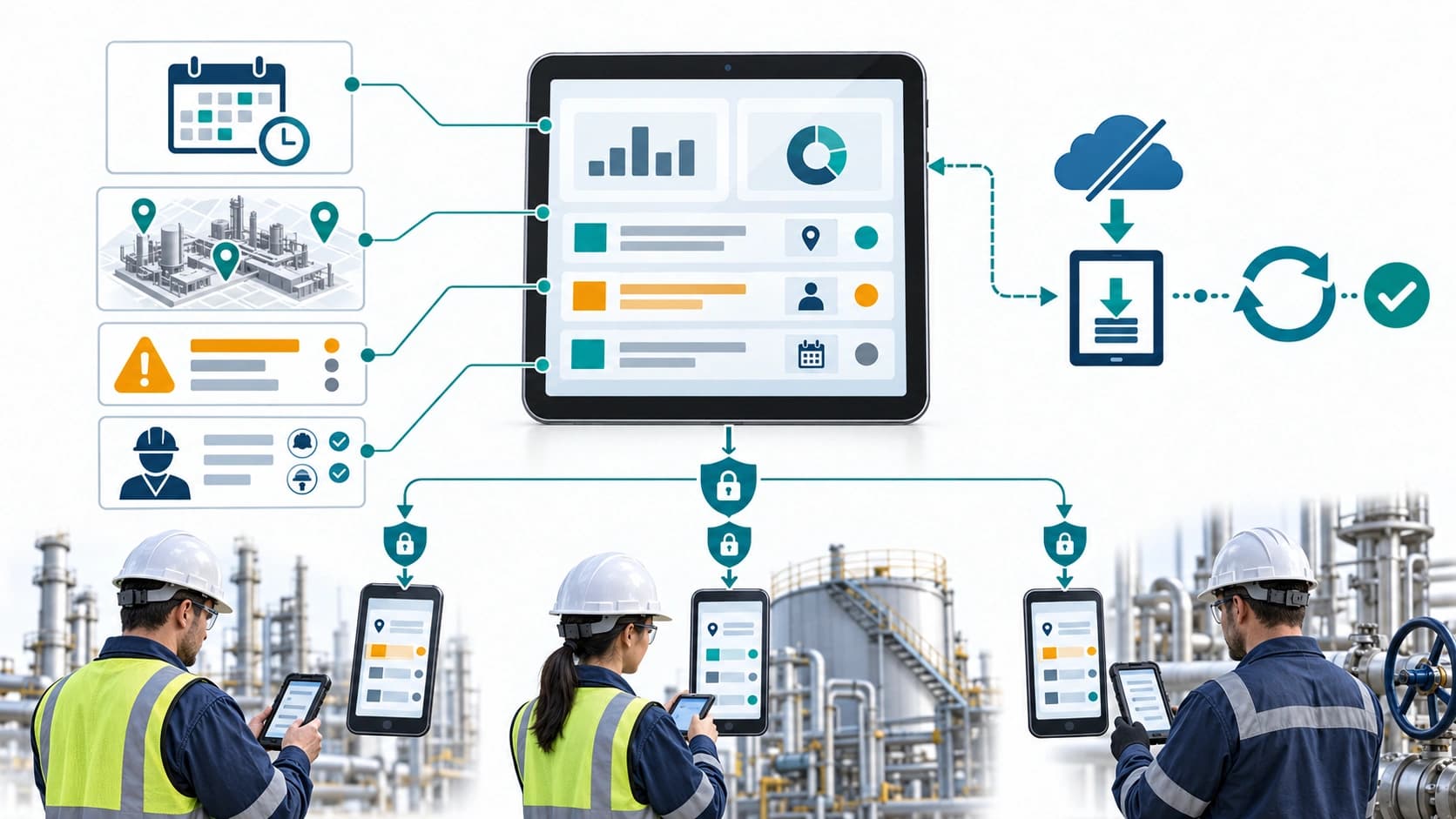
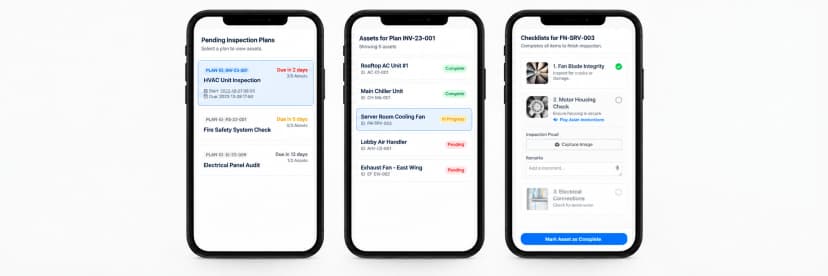
Mobile AI Inspection app showing field inspection plans, asset management, and guided inspection workflows for industrial operation
65%

Faster inspection-to-action

AI prioritises findings within seconds of sync.

45%

Lower cost per inspection (Year 1)

Planned maintenance replaces emergency repairs.

40%

Fewer data-entry errors

OCR and photo capture reduce manual errors.

60%

Faster compliance documentation

Audit-ready records are generated automatically.

Why AI Mobile Inspection ?

  • Field inspections often depend on individual judgement, manual checklists, and unstructured photographs or notes. This leads to inconsistent inspections, missed defects, and delayed reporting-making it difficult to maintain reliable, audit-ready records across sites.
  • -Inconsistent Inspection Execution: Inspectors may follow different sequences, standards, or interpretations, resulting in variable inspection quality.
  • -Missed Defects and Manual Data Errors: Visual anomalies can be overlooked, while manually recording gauge readings, asset details, and observations increases the risk of errors.
  • -Delayed, Unstructured Reporting: Photographs, notes, and findings often remain scattered, requiring additional administrative work before they can support audits or maintenance decisions.
AI Infrastructure Inspection with drones and rovers

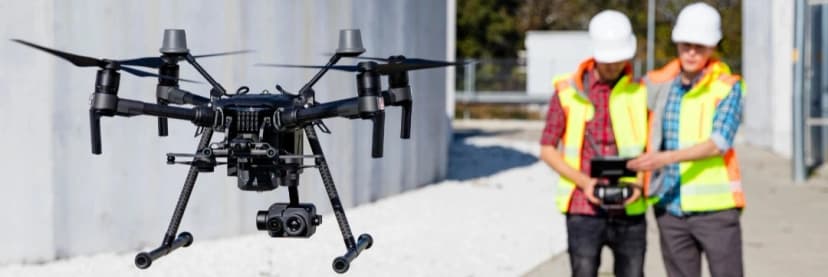
Needs to fly, drive, or otherwise reach assets a person can't safely or practically access on foot

Ombrulla Mobile AI - Powered by PETRAN

  • Ombrulla replaces inconsistent, memory-dependent inspections with a single structured system - where every asset, every checklist item, and every piece of evidence follows the same standard, every time. Built on the PETRAN platform and powered by TRITVA AI, it turns subjective field judgment into objective, auditable data.
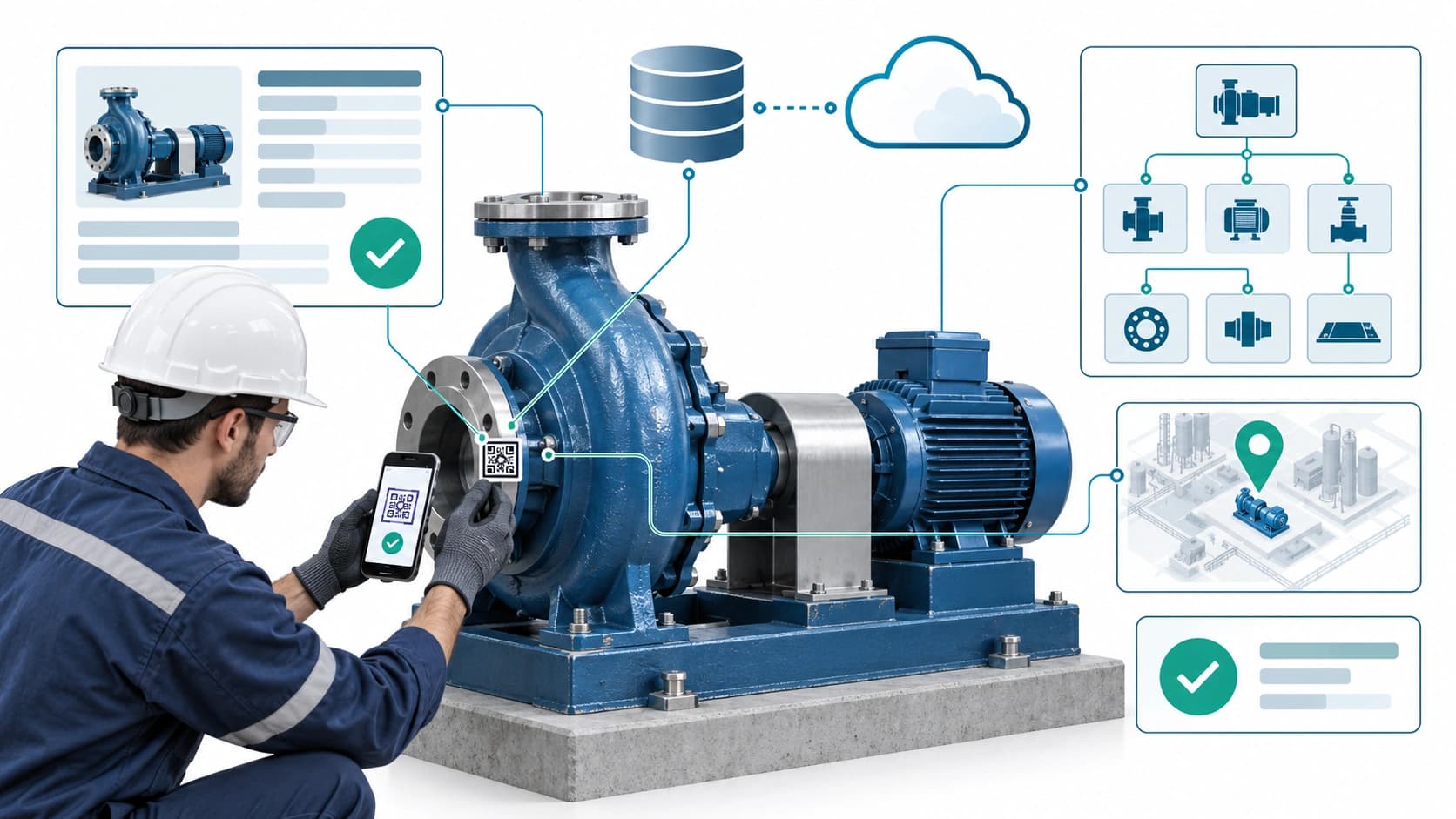
Asset & Checklists - Mobile AI inspection checklist and asset setup.01

Asset & Checklists

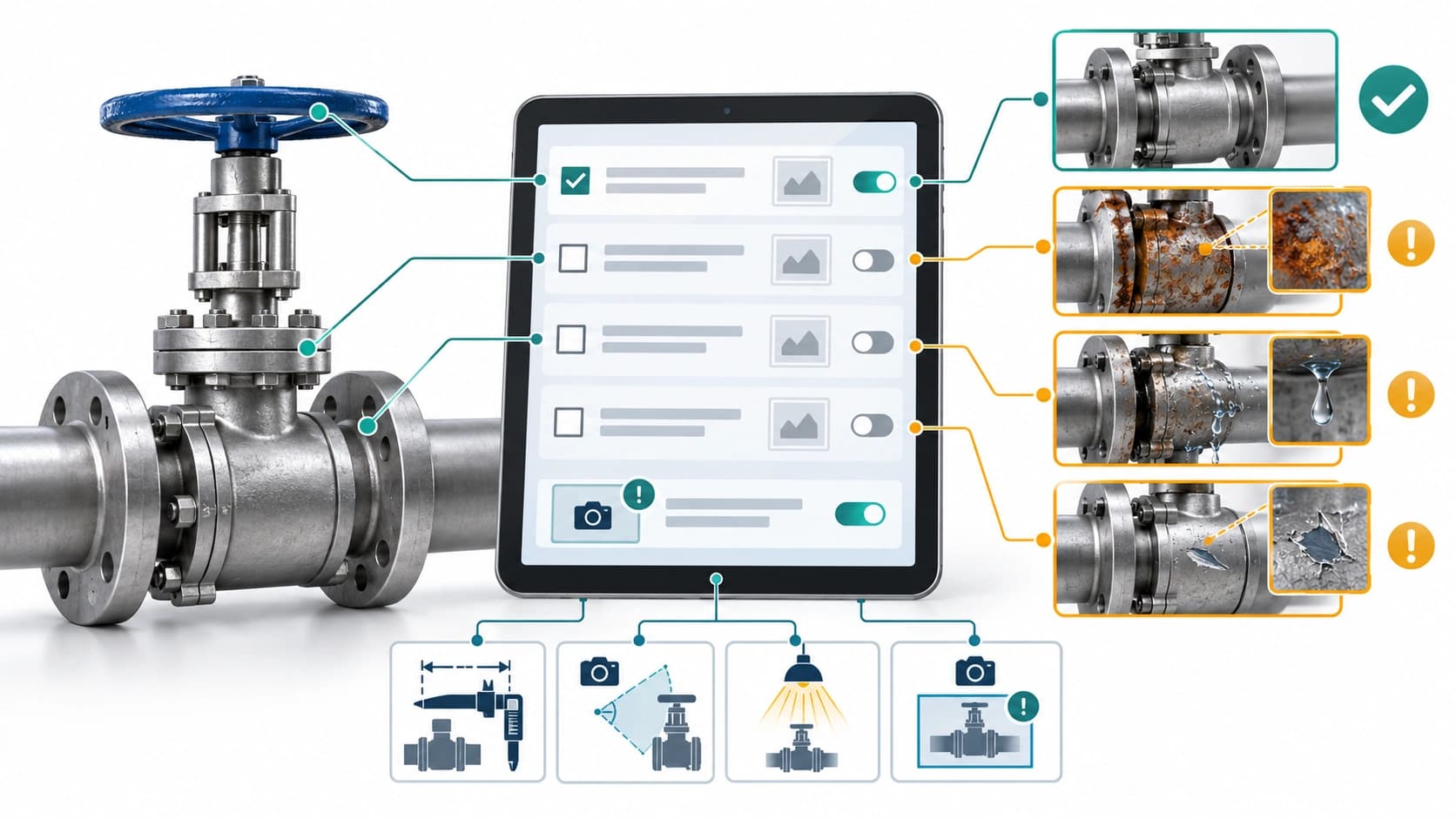
Every asset in your operation carries one or more checklists. Each item defines exactly what needs to be inspected and the standard it must meet, removing ambiguity before the inspector ever steps into the field.

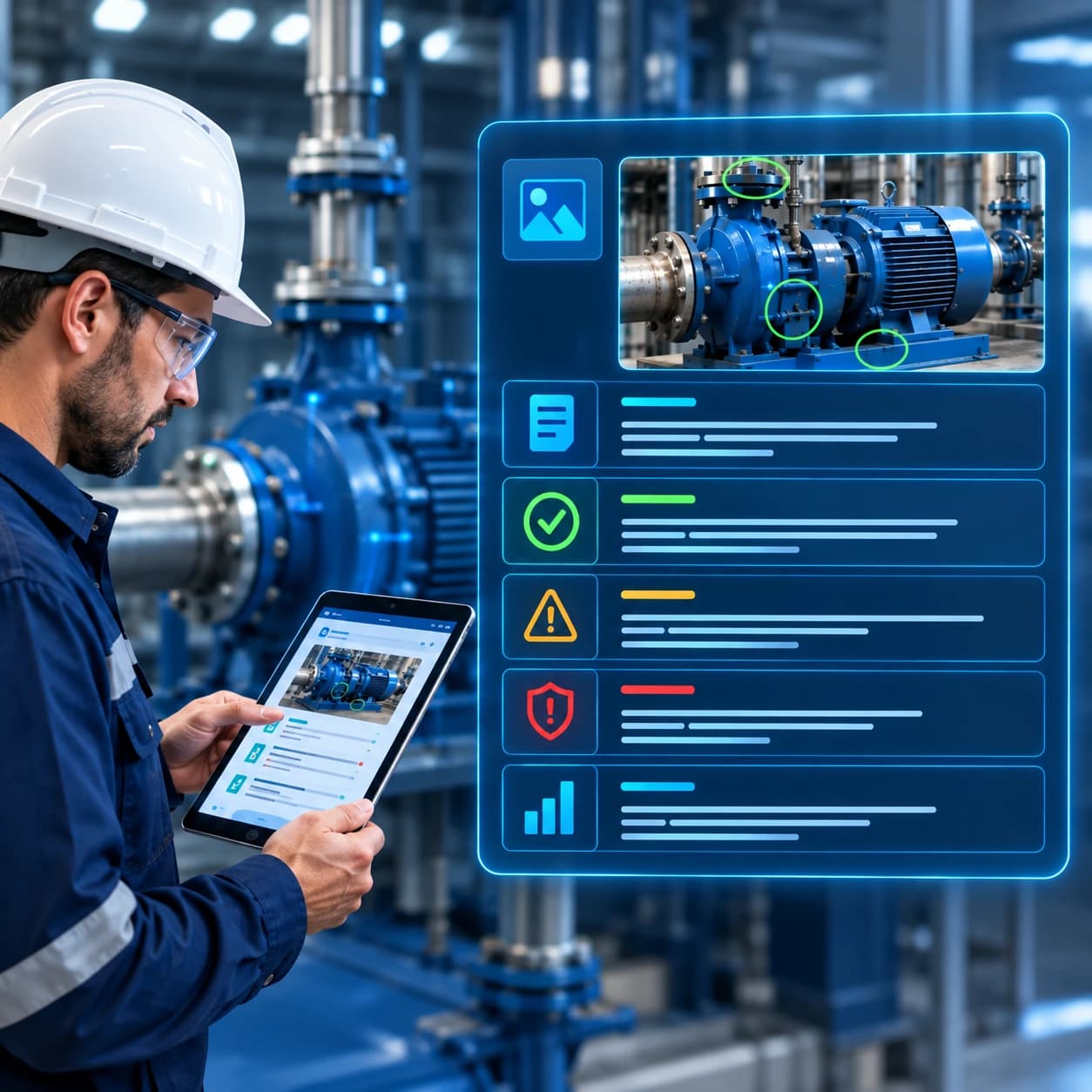
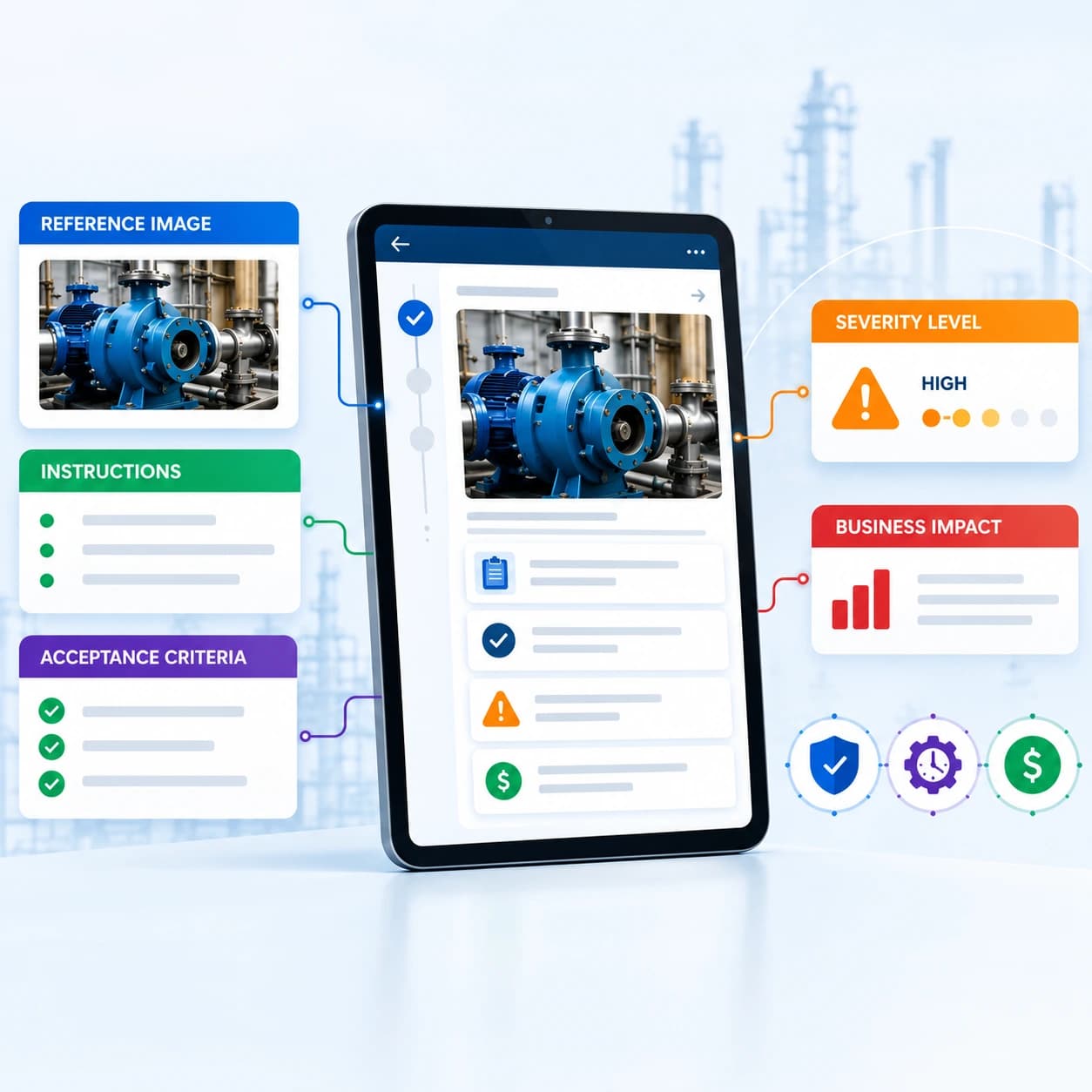
Checklist Item Intelligence - Mobile AI acceptance criteria, reference images, and AI model rules.02

Checklist Item Intelligence

Each checklist item carries a reference image, clear instructions, acceptance criteria, severity level, business rules, and, where relevant, a linked AI model for automated assessment.

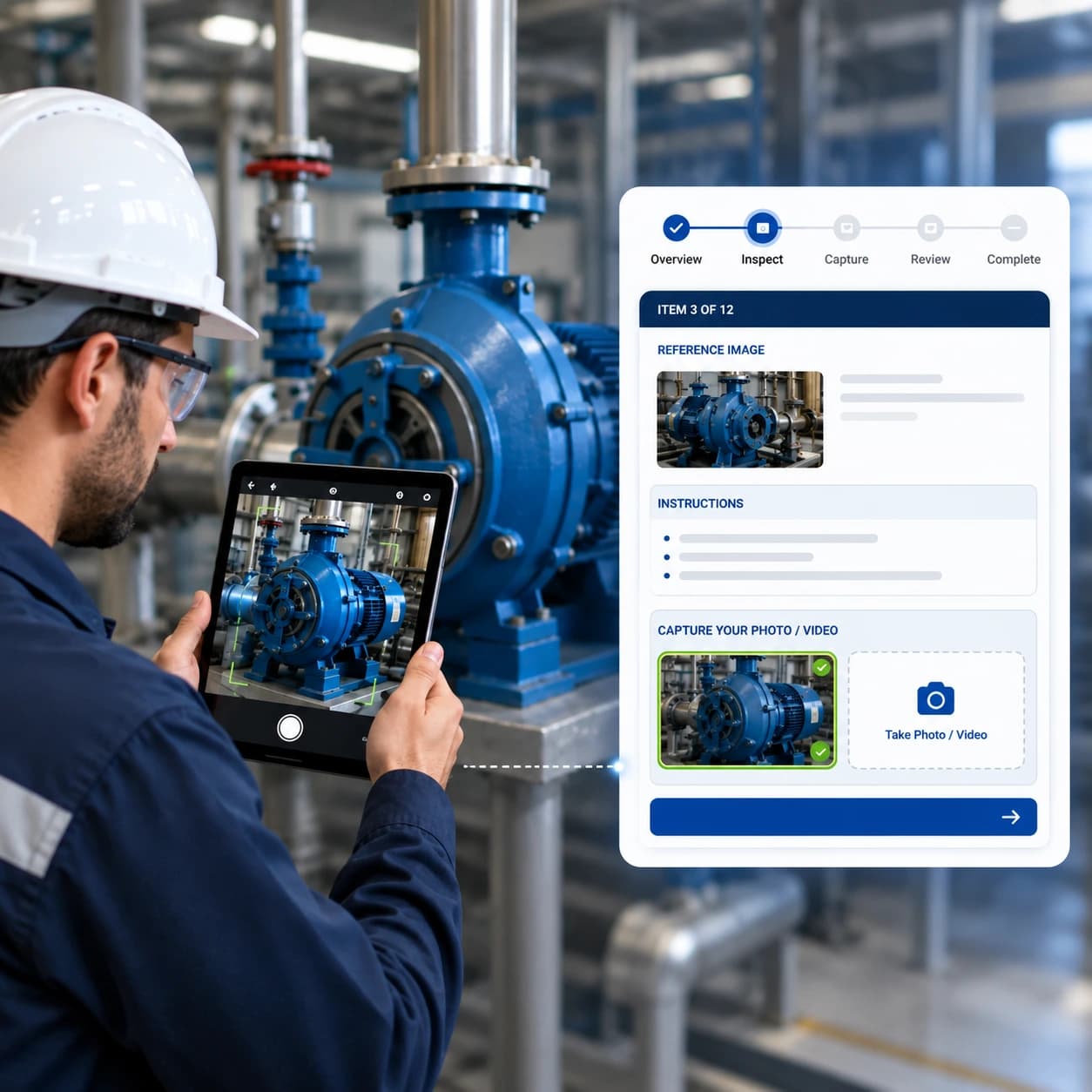
Guided Capture - Inspector capturing evidence guided by reference standards.03

Guided Capture

Inspectors capture a photo or video against each point, guided by the reference image and instructions. There's no guesswork about what ‘good’ looks like, and no room for interpretation to drift between inspectors.

AI Mobile Inspection Workflow

  • Every asset is registered with an ID, category, and location, then tagged with a QR code or NFC chip for instant field identification. Checklists are built once and reused across assets, with a reference image attached to every item so inspectors know exactly what ‘good’ looks like before they even start.

Step 1: Register and Digitally Identify Every Asset

Create a reliable digital identity for every asset and connect it to its physical location using QR codes, barcodes or NFC tags.

Deliverables:

  • -Asset master containing ID, category, model, serial number, criticality and location.
  • -Structured hierarchy connecting site, area, system, asset and component.
  • -Installed and verified QR, barcode or NFC tag linked to the correct asset record.
Industrial asset digital registration and QR-NFC identification hierarchy workflow

Mobile AI Inspection Across Every Asset an Inspector Can Reach

  • Apply guided, AI-assisted inspection workflows to any mechanical, electrical, safety-critical, or structural asset your inspectors can physically walk up to and safely access - helping teams capture consistent evidence, identify defects faster, and standardise inspection quality across every site, with no drone, rover, or fixed-camera installation required.
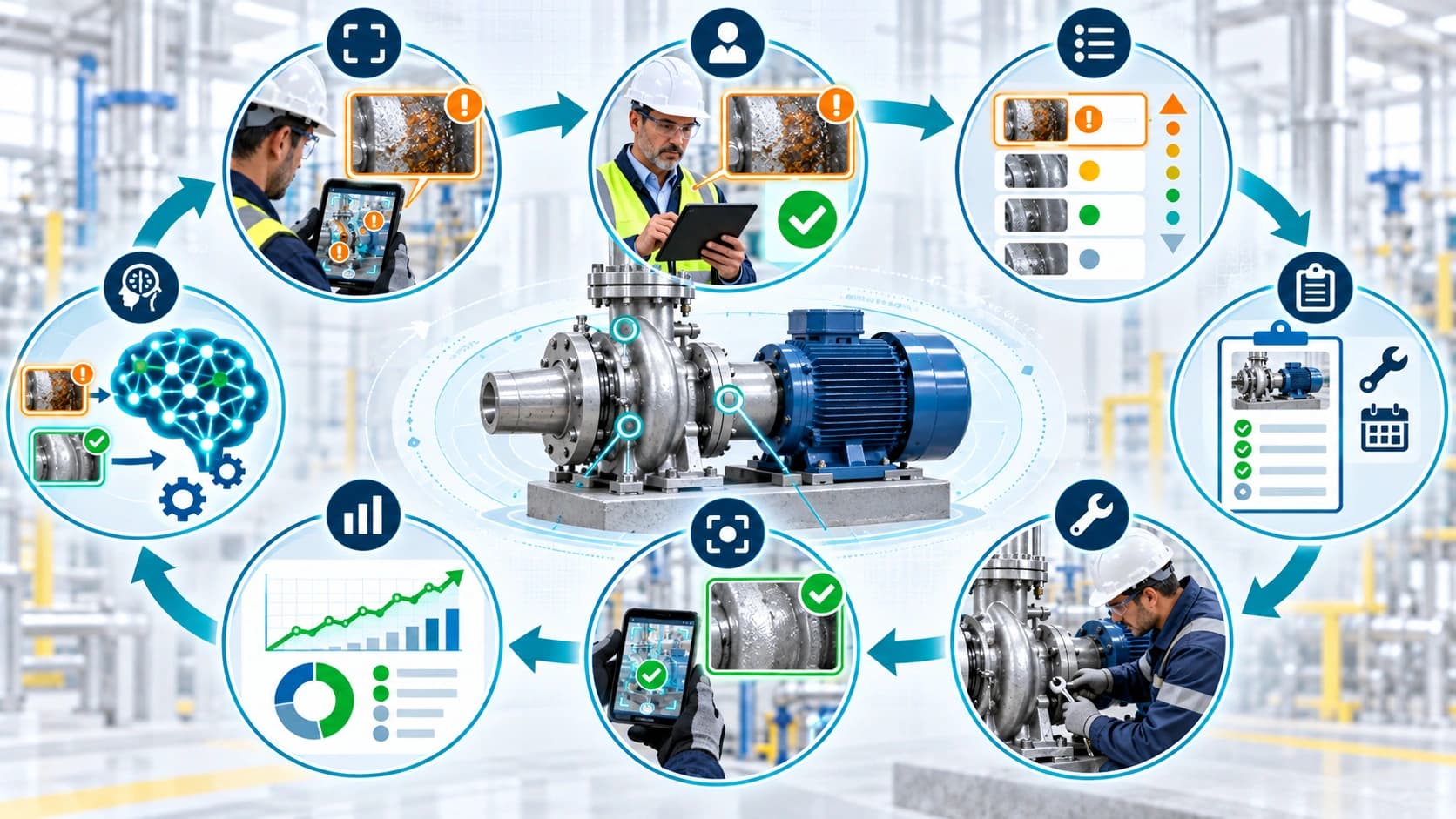
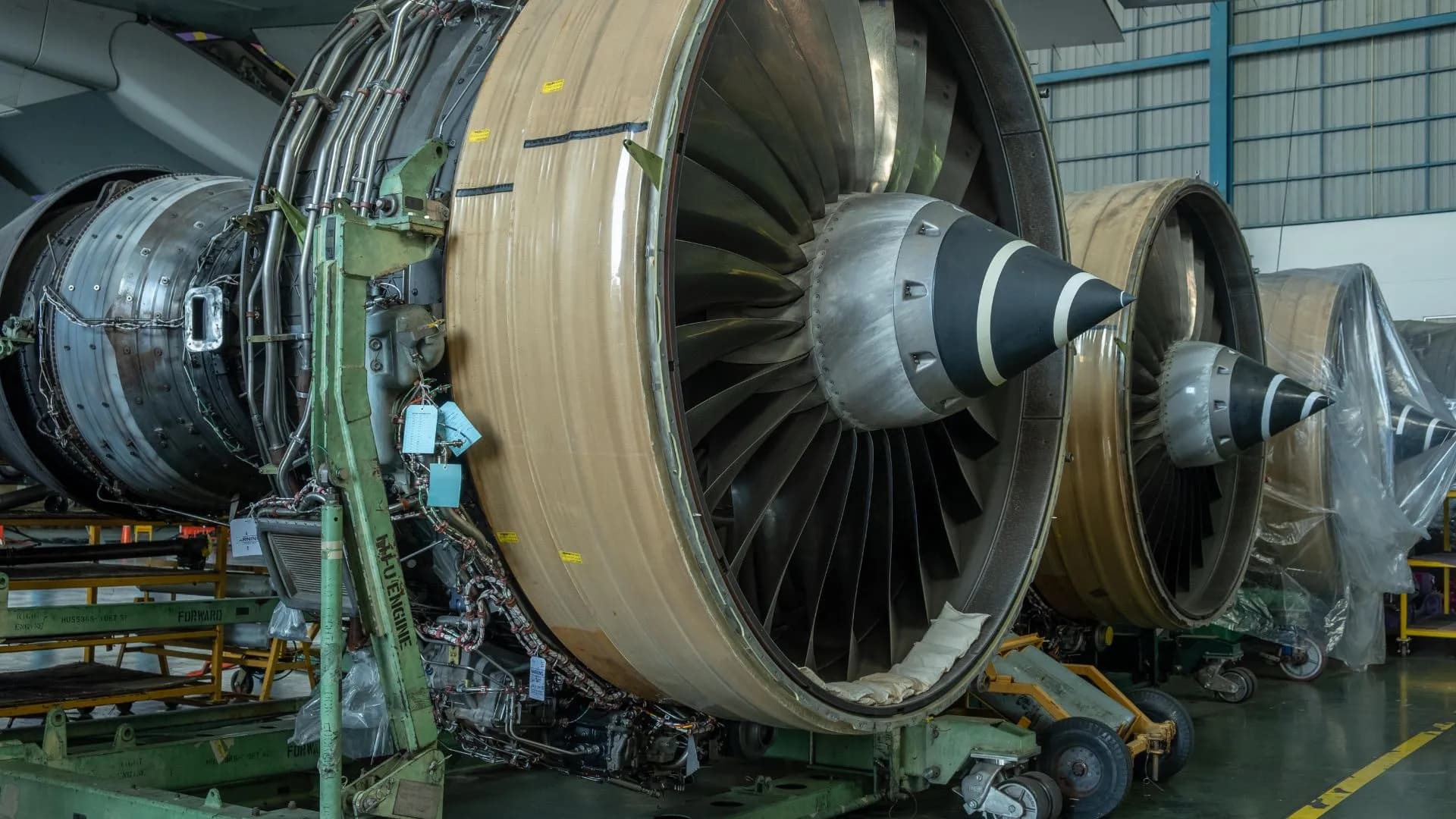
Mechanical Equipment Inspections

Mechanical Equipment Inspections

Inspect pumps, compressors, valves, motors, bearings, and rotating assets for leaks, wear, corrosion, overheating, and abnormal conditions.
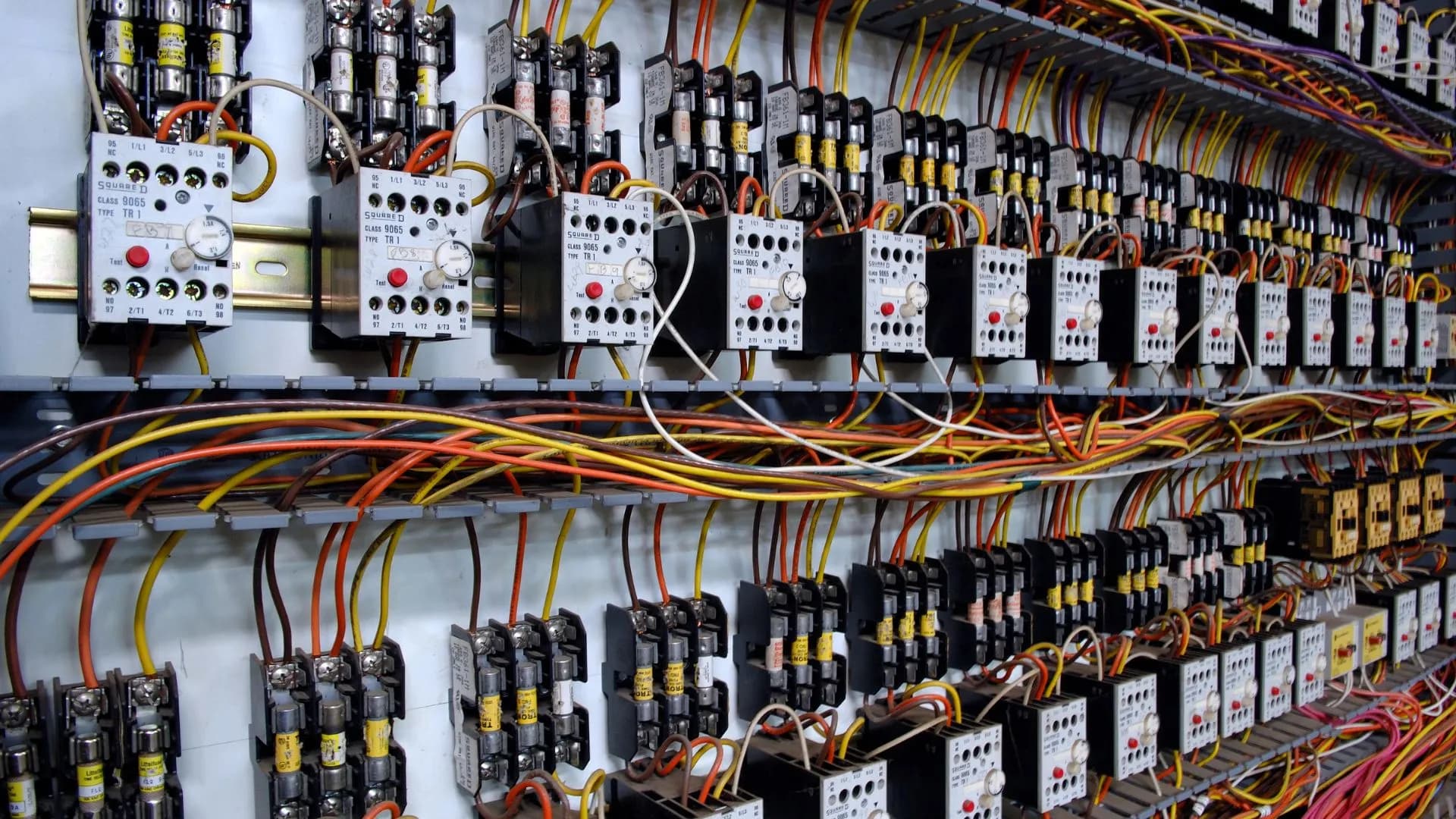
Electrical Asset Inspections

Electrical Asset Inspections

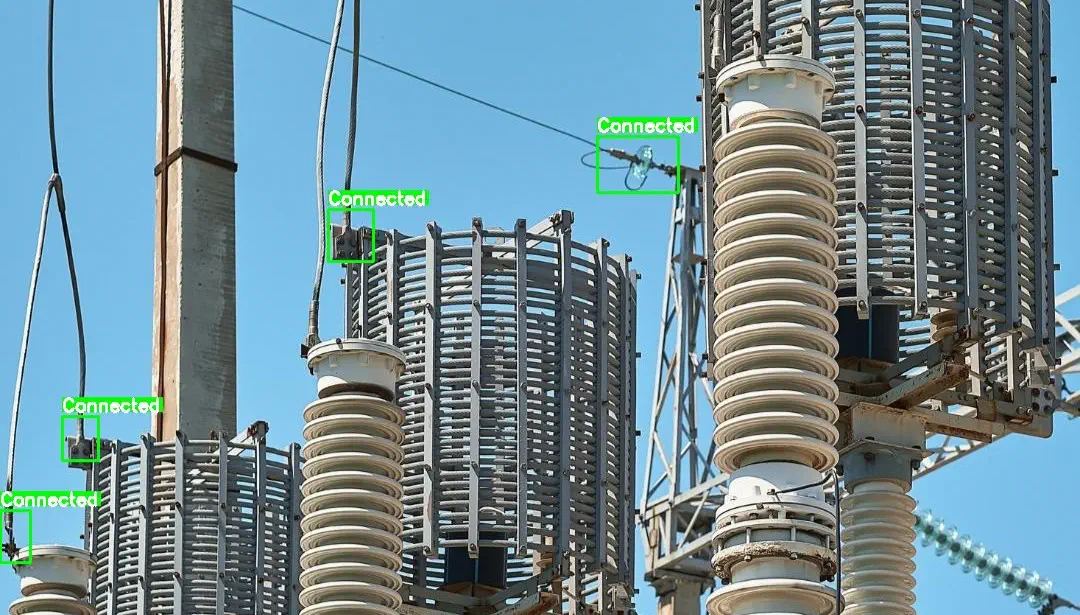
Check switchgear, control panels, cables, meters, and electrical enclosures for defects, missing components, unsafe states, and incorrect readings.
Safety-Critical Rounds

Safety-Critical Rounds

Standardise inspections for PPE, fire equipment, emergency exits, signage, housekeeping, and other HSE compliance requirements.
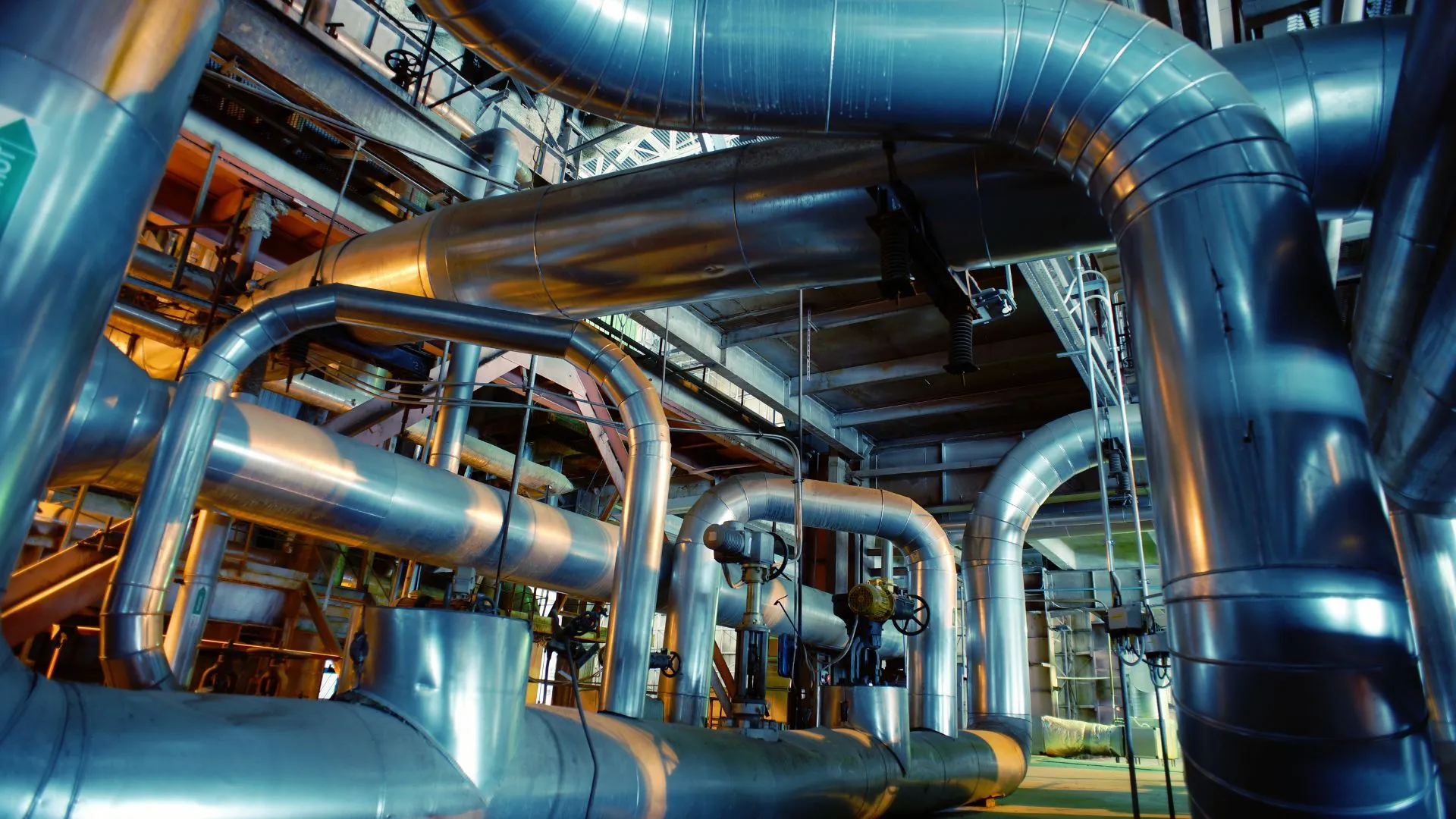
Pipelines, Structures and Utilities

Pipelines, Structures and Utilities (near-reach)

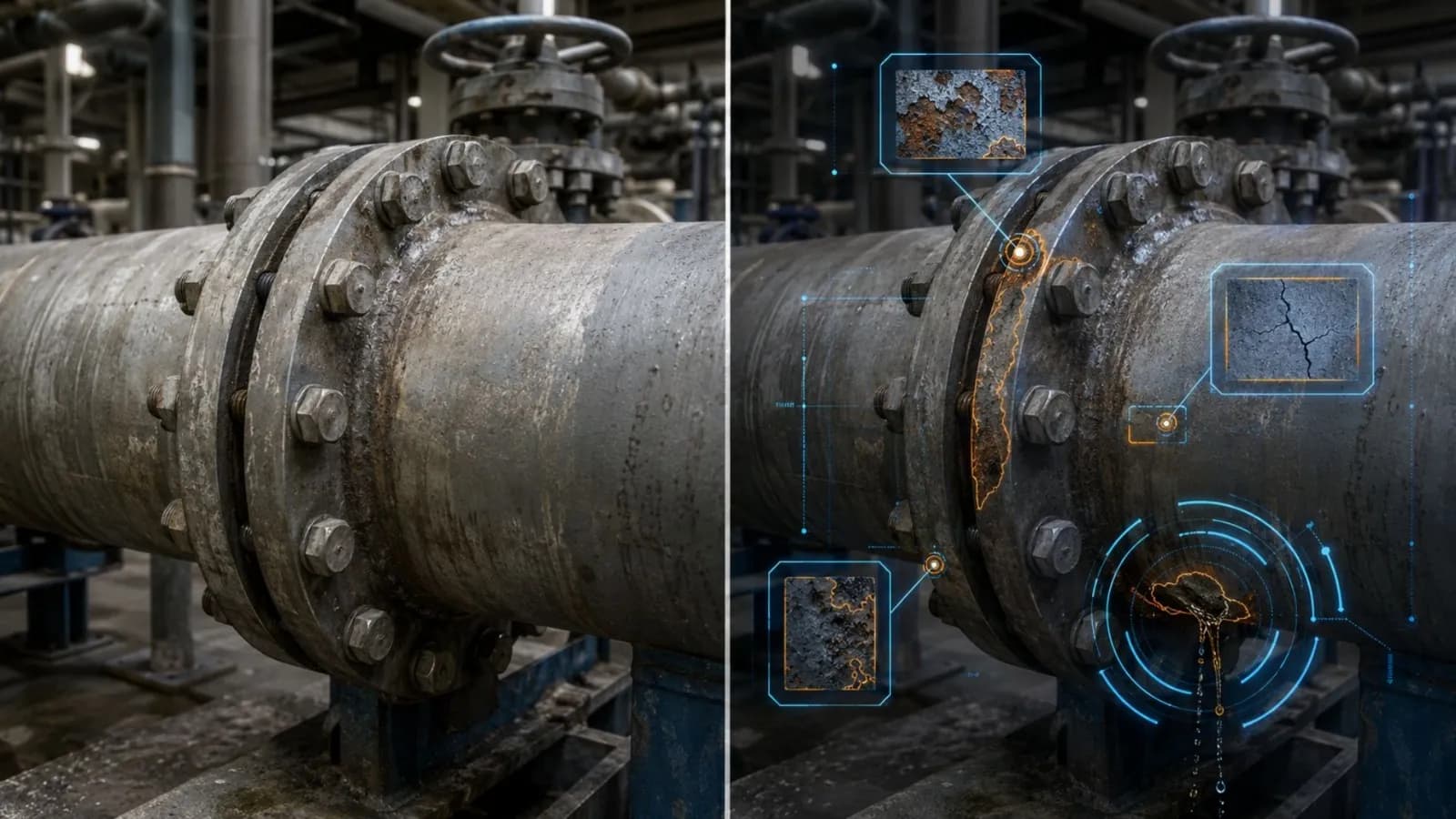
Capture evidence across accessible sections of pipelines, tanks, bridges, facilities, and utility systems for cracks, corrosion, leakage, damage, and configuration changes.
See How Much a 45% Drop in Inspection Costs Is Worth to You

Why Leading Organisations Choose Ombrulla

PETRAN-Native Inspection Workflow Icon

PETRAN-Native Inspection Workflow

Manage assets, checklists, reference images, AI rules, findings, and corrective actions within one connected platform, reducing training, integration effort, and system maintenance.

Industrial AI Built for Field Conditions Icon

Industrial AI Built for Field Conditions

AI models are designed for variable lighting, viewing angles, occlusion, weathering, and complex asset conditions, helping maintain reliable inspection performance across sites and shifts.

Business Rules Aligned With Operations Icon

Business Rules Aligned With Operations

Combine AI findings with asset criticality, gauge readings, service history, and operational context to prioritise issues, define SLAs, and route actions through a configurable no-code rule engine.

Enterprise Integration and Data Control Icon

Enterprise Integration and Data Control

Integrate with SAP PM, IBM Maximo, CMMS, EAM, and ERP platforms through REST APIs, while retaining control through cloud, private-cloud, or on-premises deployment and immutable activity logs.

AI Mobile Inspection vs Traditional Methods

  • This comparison evaluates the performance of conventional manual inspection workflows against Ombrulla’s AI-powered mobile inspection platform across inspection consistency, evidence quality, processing speed, traceability, integration and corrective-action response. It shows how guided data capture, visual AI, rule-based decisioning and PETRAN-connected workflows improve field execution without adding another isolated inspection system.
AI Mobile Inspection vs Traditional Methods
DimensionTraditional Manual InspectionOmbrulla AI Mobile Inspection
ConsistencyVaries by inspector, fatigue level, and field experienceIdentical AI detection criteria applied on every inspection, every site, every shift
Finding-to-Action SpeedHours to days, dependent on manual report writing, triage, and routingSeconds to minutes via automated rule-based routing and work-order creation
Documentation QualityDependent on individual inspector diligence and disciplineComplete, timestamped, tamper-evident chain of custody from capture to closure
Offline CapabilityPaper forms - high risk of data loss during manual transferFull offline capture with conflict-safe automatic sync when connectivity is restored
Gauge Reading AccuracySubject to parallax error and manual transcription mistakesOCR-extracted values, threshold-triggered alerts, fully automated
Audit TrailDependent on filing discipline and individual record-keepingBuilt-in, searchable trail from capture through AI verdict to closed work order
Cost Per InspectionHigh - repeat visits, rework, and administration overheadUp to 45% lower within the first year of deployment
MTTR ImpactDelays between detection, reporting, and remediation actionUp to 65% reduction in inspection-to-action cycle time
Regulatory DefensibilityRisk of evidence gaps under ISO 55000 and API 580 scrutinyMeets ISO 55000, API 580, IEC, and NERC CIP - by design, not by manual effort

AI Mobile Inspection Use Cases Across Industries

  • Ombrulla's PETRAN-powered mobile AI inspection platform brings guided workflows, visual evidence, and AI-assisted assessment directly to field teams walking accessible assets. For the sections of a site that need aerial or robotic reach, it hands off cleanly to Ombrulla's drone and rover platform rather than trying to cover that ground itself.

Standardise field inspections across upstream, midstream and downstream operations while improving defect visibility and audit readiness.

Standardise field inspections across upstream, midstream and downstream operations while improving defect visibility and audit readiness.

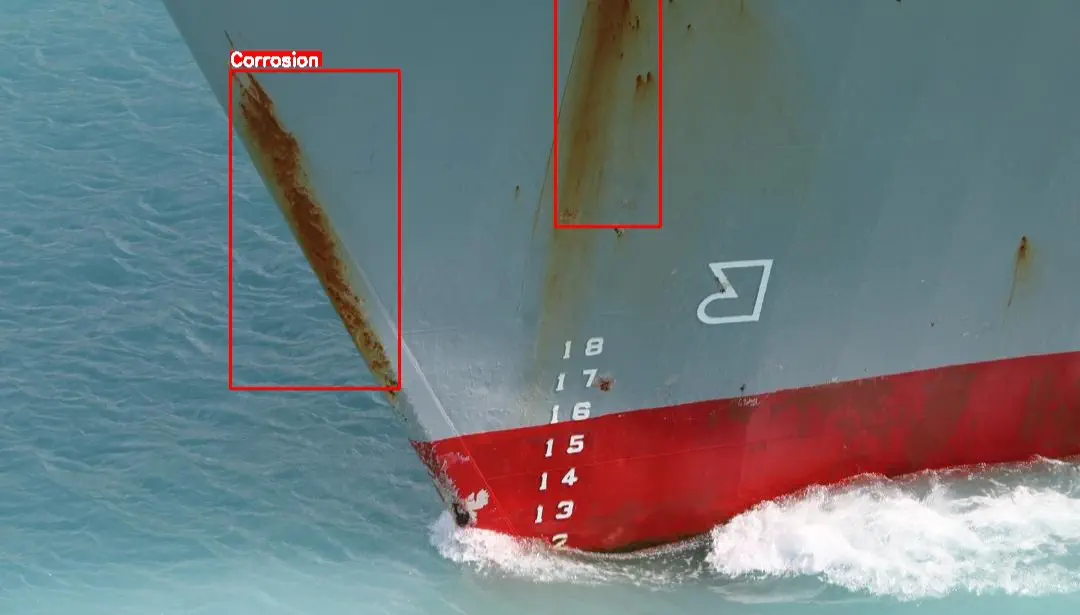
  • -Pipeline corrosion, coating damage and dent inspection
  • -Leak-indicator and surface-anomaly detection
  • -Storage tank, valve, and pressure-vessel checks
  • -Pump, compressor, and rotating-equipment inspection
  • -Gauge, meter, and nameplate reading using AI and OCR
  • -Flare stack, piping, and safety-equipment condition checks
  • -HSE rounds, PPE verification, and compliance documentation
Explore Mobile AI Inspection for Oil & Gas
Oil & Gas AI Mobile Inspection
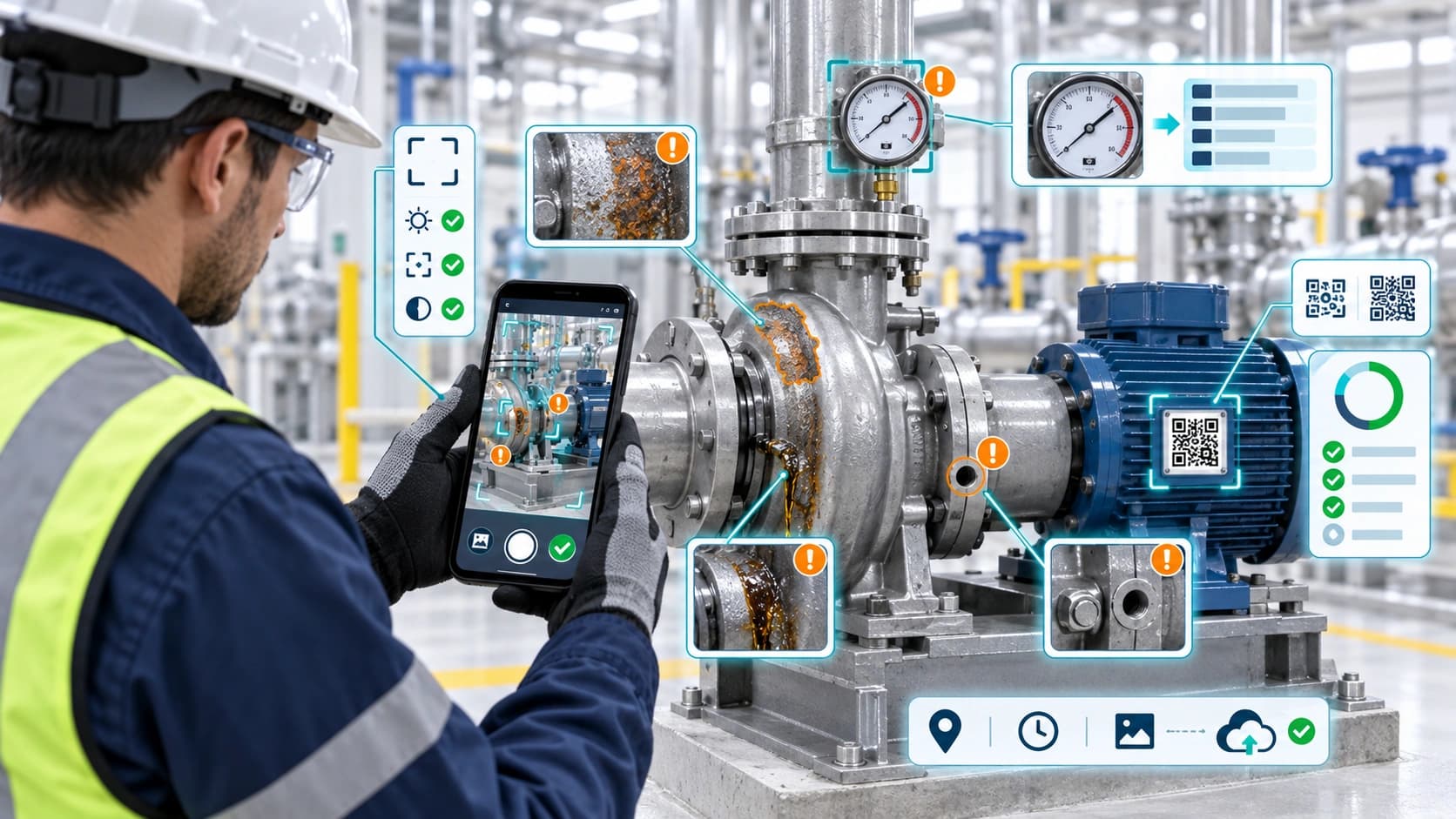
Field technician conducting a digital mobile AI inspection on industrial equipment.

Still Relying on Paper Checklists and Guesswork?

Replace manual forms and subjective evaluations with AI-guided mobile workflows. Empower field inspectors to capture consistent evidence, detect anomalies in real time, and generate audit-ready compliance records automatically.

Frequently Asked Questions

What is a mobile AI inspection app?

A mobile AI inspection app turns a smartphone or tablet into a guided, AI-assisted field inspection tool for an inspector who is physically present at the asset. It uses computer vision, OCR, guided checklists, and real-time analytics to capture asset conditions, identify potential defects, digitise readings, and generate structured inspection records - while the inspector remains in the loop and makes the final call. It's built for any asset a person can walk up to and safely inspect, not for autonomous drone, rover, or fixed-line capture.

Does Mobile AI Inspection replace drone or rover inspection?

No. Mobile AI Inspection is built for assets an inspector can physically and safely reach on foot. For assets that require aerial or ground-robotic access - elevated structures, confined spaces, or hazardous zones - see AI Infrastructure Inspection, which covers drone and rover capture on the same PETRAN/TRITVA platform.

How is Mobile AI Inspection different from AI Visual Inspection?

AI Visual Inspection (Tritva) uses a fixed camera mounted on a production line for continuous, automated, line-speed inspection with no person in the loop. Mobile AI Inspection is for scheduled or one-off field visits where an inspector carries the device and makes the call, guided by AI. If you need the fixed-line version, see AI Visual Inspection.

How does mobile AI inspection work?

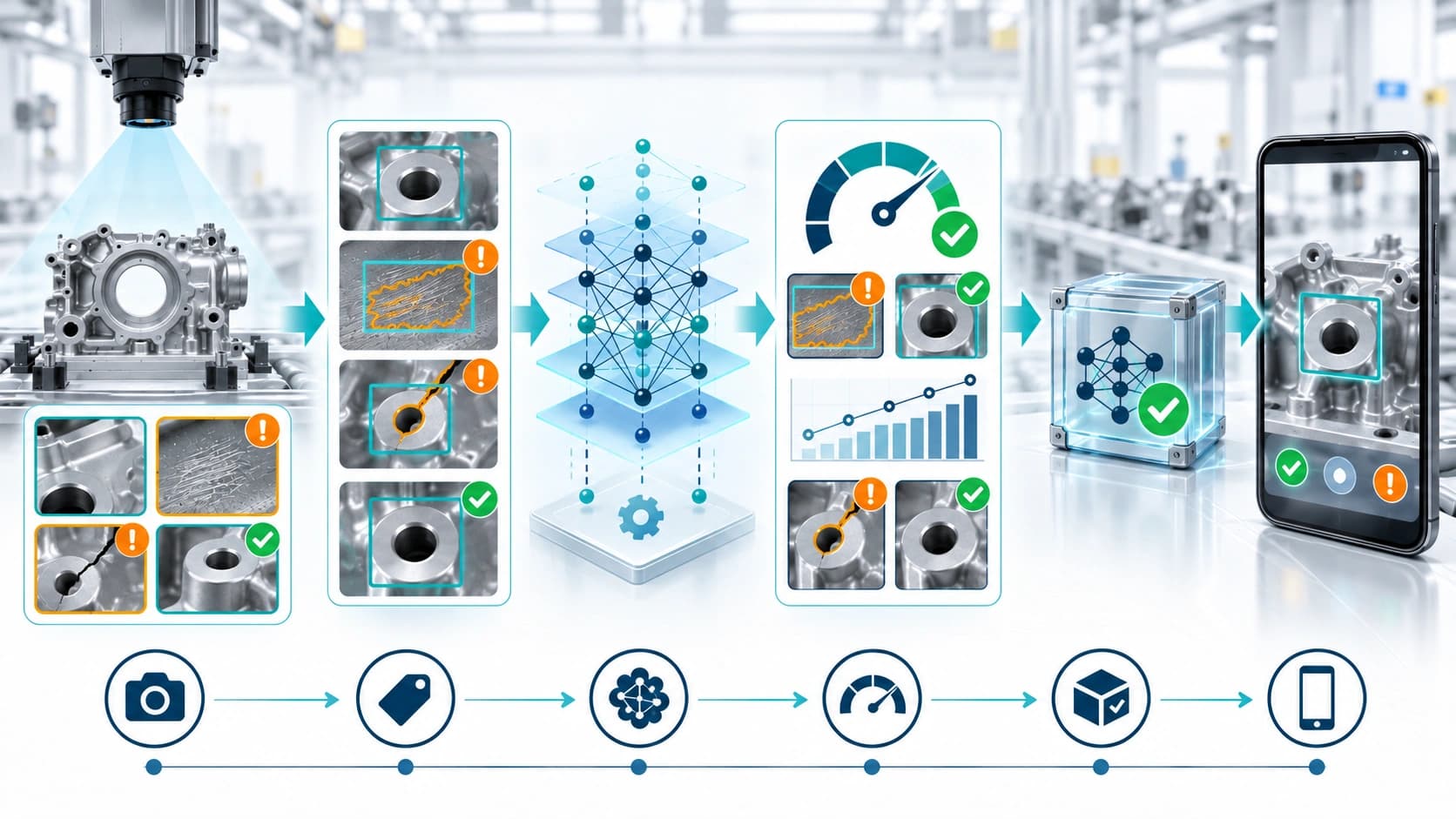
The inspector captures photos, videos, voice notes, or equipment readings using a mobile device. AI analyses the collected data to identify defects, classify asset conditions, extract meter readings, and recommend the next inspection step. The findings can then be sent to dashboards or maintenance systems for review and action.

What defects can a mobile AI inspection app detect?

Depending on how the AI model is configured and trained, it can help detect corrosion, cracks, leaks, surface damage, missing components, abnormal wear, safety hazards, and other visible anomalies. Detection capability varies according to image quality, asset type, inspection conditions, and model training.

Can a mobile AI inspection app work offline?

Yes. An offline inspection app can allow field teams to complete checklists, capture photos, record readings, and document defects in areas with limited connectivity. The inspection data can be securely synchronized with the central platform when an internet connection becomes available.

Can mobile AI read gauges and meters automatically?

Yes. Gauge OCR inspection uses optical character recognition and computer vision to extract readings from analogue gauges, digital meters, nameplates, and equipment displays. Inspectors should still be able to verify readings before submitting them, particularly when images are unclear or gauges are damaged.

How accurate is AI-based defect detection?

Accuracy depends on factors such as training-data quality, defect type, lighting, camera angle, image resolution, and operating conditions. Mobile AI should support inspector decisions rather than replace professional judgement. Organisations should validate models using representative images from their own assets and environments.

Can mobile AI inspection integrate with CMMS work orders?

Yes. A field inspection app with CMMS work order integration can convert confirmed findings into maintenance notifications, corrective actions, or work orders. This helps eliminate duplicate data entry and connects inspection evidence directly to planning, assignment, and resolution workflows.

Can mobile AI inspection integrate with SCADA and IoT systems?

Yes. Mobile inspection data can be combined with IoT condition monitoring, SCADA data, and asset-management information to provide broader visibility into asset health. Field observations add visual and contextual evidence to sensor alerts and operational readings.

Which industries use mobile AI inspection apps?

Mobile AI inspection apps are used across oil and gas, construction, utilities, manufacturing, infrastructure, transportation, mining, and energy. Common applications include asset-integrity inspections, safety audits, quality checks, meter-reading collection, preventive maintenance, and compliance documentation.