Ombrulla logo

TRITVA - AI Visual Inspection & Defect Detection Platform

Catch defects at line speed, inspect infrastructure from the air, and automate quality workflows with an AI computer vision platform built for industrial scale.
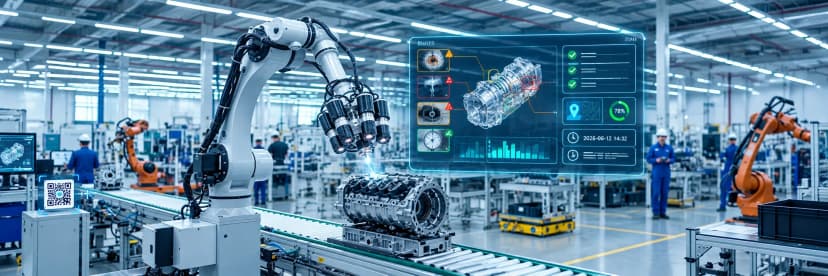
Tritva AI-powered visual inspection platform for enterprises
95–99%

Defect Detection Accuracy

Detect defects with greater consistency than manual inspection, outperforming typical human inspection accuracy of 70–85%.

30–60%

Fewer Defect Escapes

Reduce defect escape rates within 90 days of deployment to lower rework, warranty claims, and customer returns.

40–60%

Lower Inspection Labour Cost

Automate visual inspection at line speed to cut manual effort, remove bottlenecks, and maintain 100% inspection coverage.

30–50%

Faster Issue Resolution

Detect defects early and trigger AI-driven alerts so teams can respond faster, reduce downtime, and maintain consistent production quality.

What Is TRITVA?

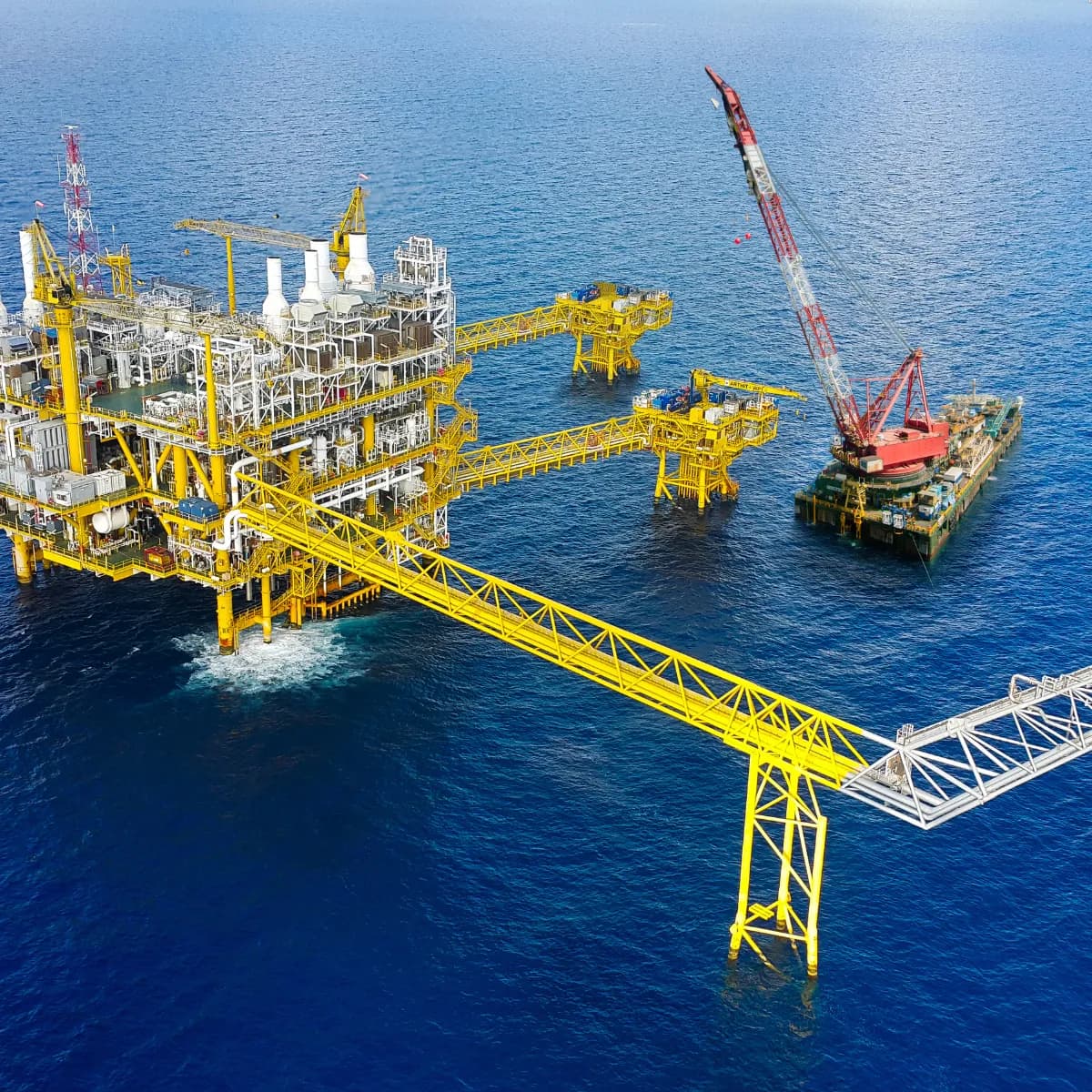
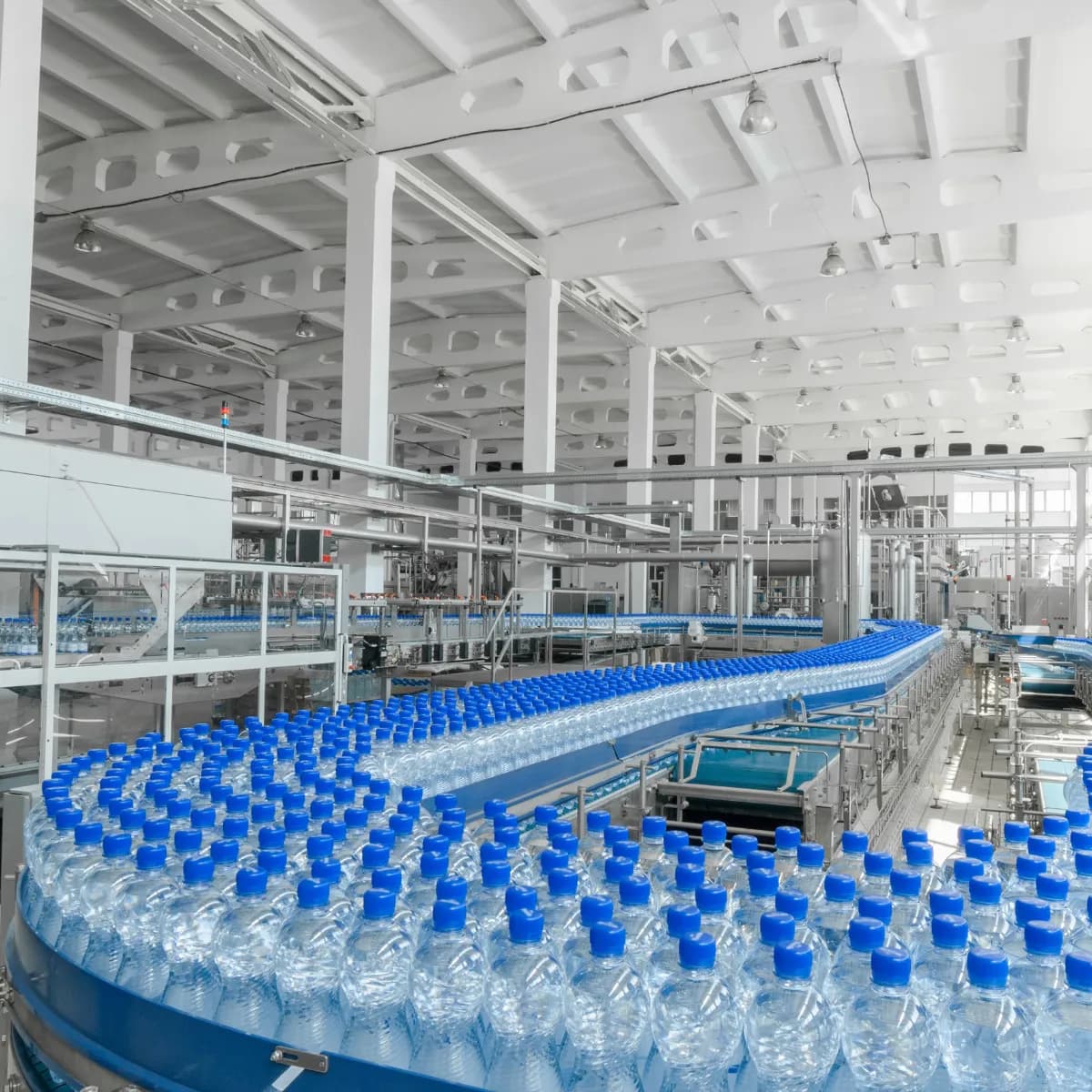
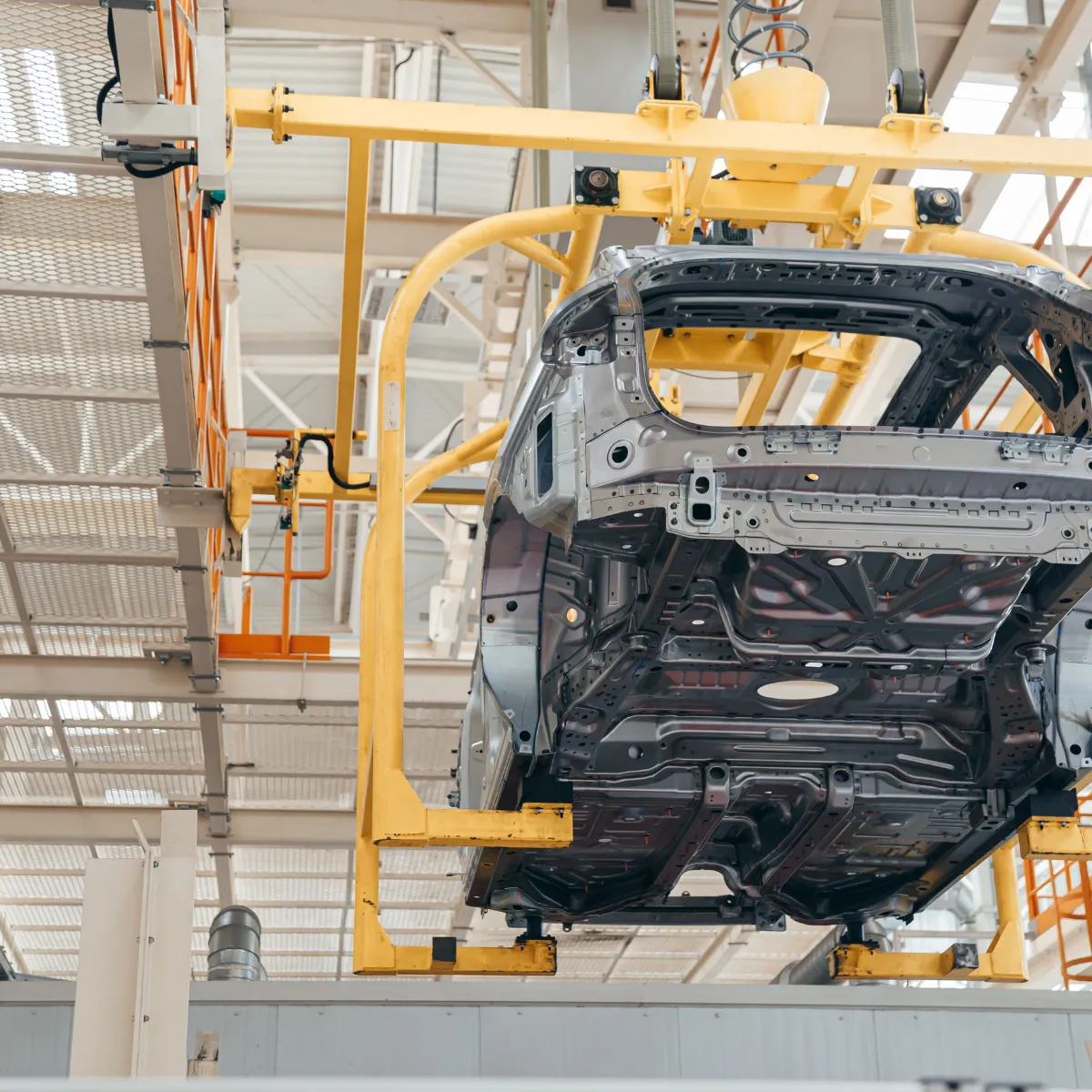
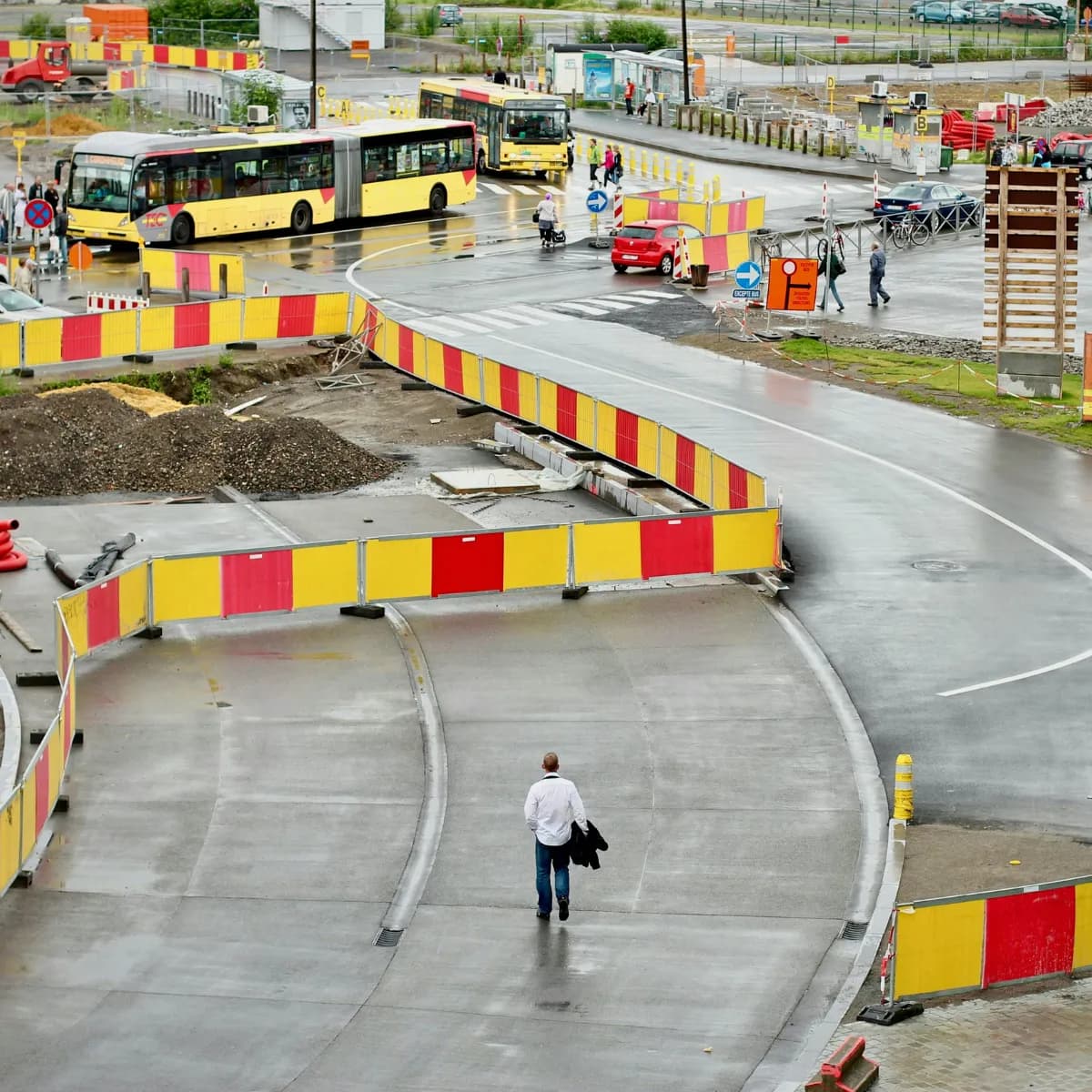
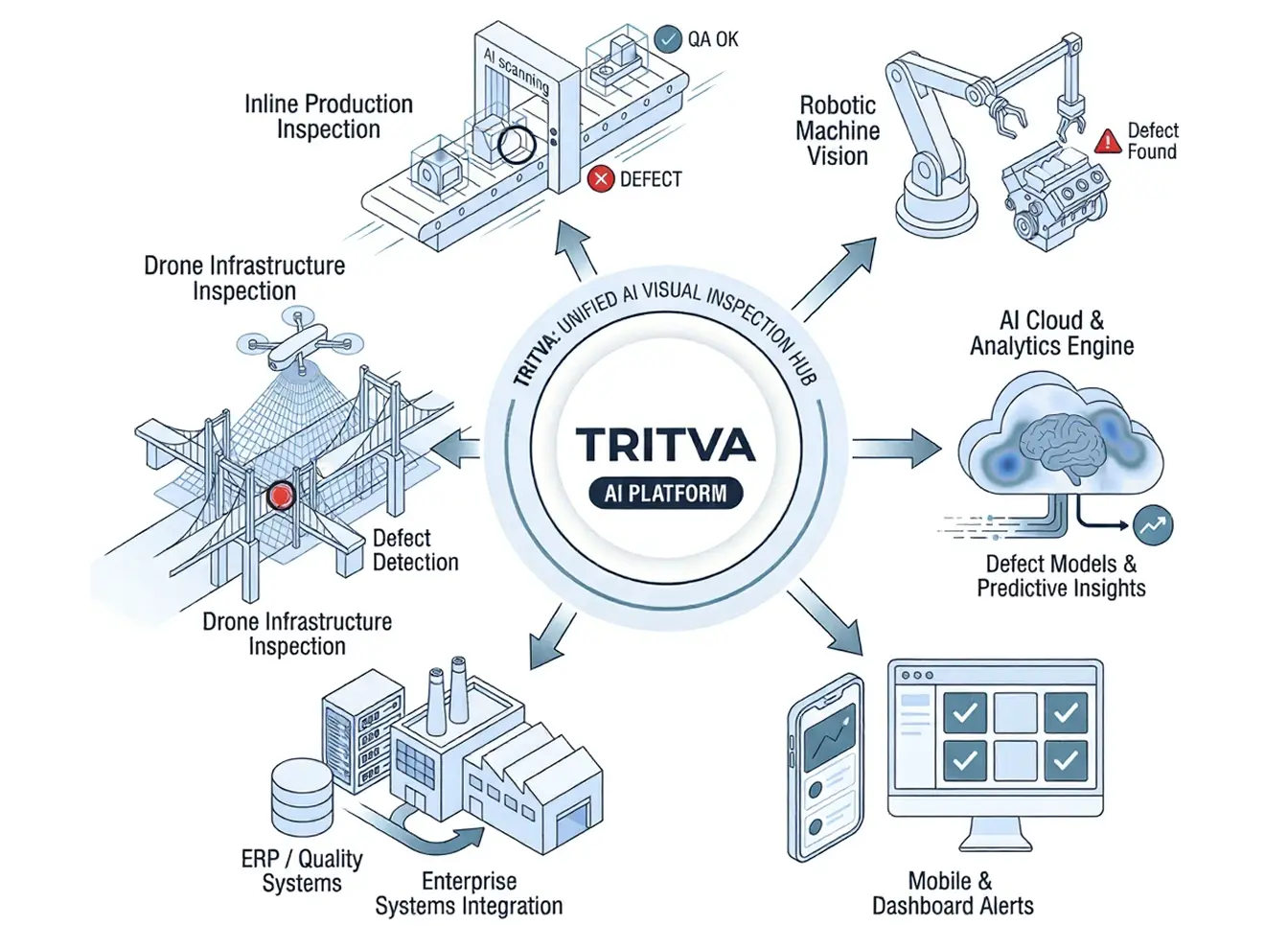
TRITVA is Ombrulla’s AI-powered visual inspection platform for detecting defects, anomalies, and safety risks across manufacturing lines, oil and gas assets, civil infrastructure, and construction sites. Using computer vision and machine learning, it analyses visual data in real time to identify issues faster and more consistently than manual inspection.

-

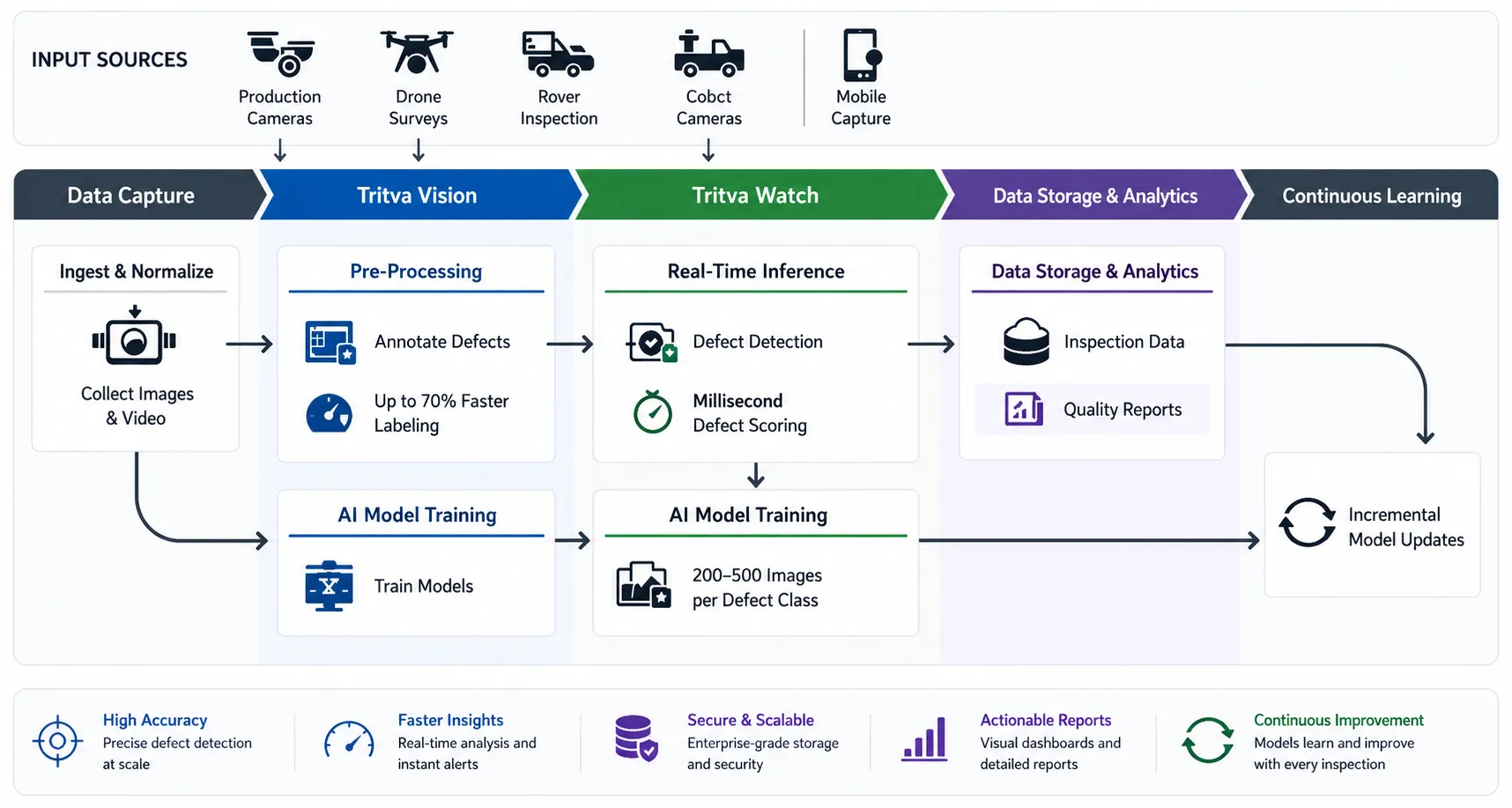
Multi-source data capture: Ingests images and video from fixed industrial cameras, drones, autonomous rovers, cobots, and mobile devices.

-

Real-time AI inspection: Detects quality defects, structural anomalies, and safety hazards instantly across industrial and field environments.

-

End-to-end deployment: Supports cloud, on-premises, and edge infrastructure for flexible, site-ready implementation.

Business Benefits of TRITVA

  • Deliver measurable ROI quickly, with typical annual savings of £500K–£1.5M for mid-size manufacturers through avoided quality costs.
AI-driven cost reduction icon representing lower quality management expenses through automated defect detection.

Lower the cost of quality

Reduce inspection labor, rework, warranty claims, and customer returns with AI-driven defect detection.

Precision and accuracy icon representing increased production throughput with consistent quality inspection.

Increase throughput without compromising quality

Inspect at line speed with sub-200 ms inference and 100% coverage, without slowing production.

Faster decision-making icon representing real-time quality data analytics for informed operational decisions.

Turn quality data into real-time decisions

Give leaders live visibility into defect rates, FPY trends, and failure modes across operations.

Audit readiness icon representing simplified compliance through automated inspection record generation.

Simplify compliance and audit readiness

Generate complete, traceable inspection records automatically for faster reporting and easier audits.

Defect detection icon representing revenue protection by preventing defective products from reaching customers.

Protect revenue by preventing defect escapes

Catch defects before they reach customers and reduce the risk of recalls, shutdowns, and liability costs.

Scalable inspection icon representing the ability to expand AI inspection coverage without increasing headcount.

Scale inspection without scaling headcount

Expand across lines, sites, and assets with digital inspection instead of adding manual inspection teams.

Predictive analytics icon representing proactive quality prevention through early defect pattern detection.

Shift from quality control to quality prevention

Use predictive analytics to identify defect patterns early and correct process issues before they escalate.

Worker safety icon representing improved safety in hazardous environments through remote AI inspection.

Improve safety in hazardous environments

Deploy AI, drones, and remote inspection systems to reduce human exposure in high-risk locations.
CTA image

Run Tritva Your Way

Cloud, edge or hybrid architectures optimized for reliability, cost and Control

How TRITVA Works

Vision enables teams to develop, train, and continuously improve industrial inspection AI models through a scalable no-code environment.
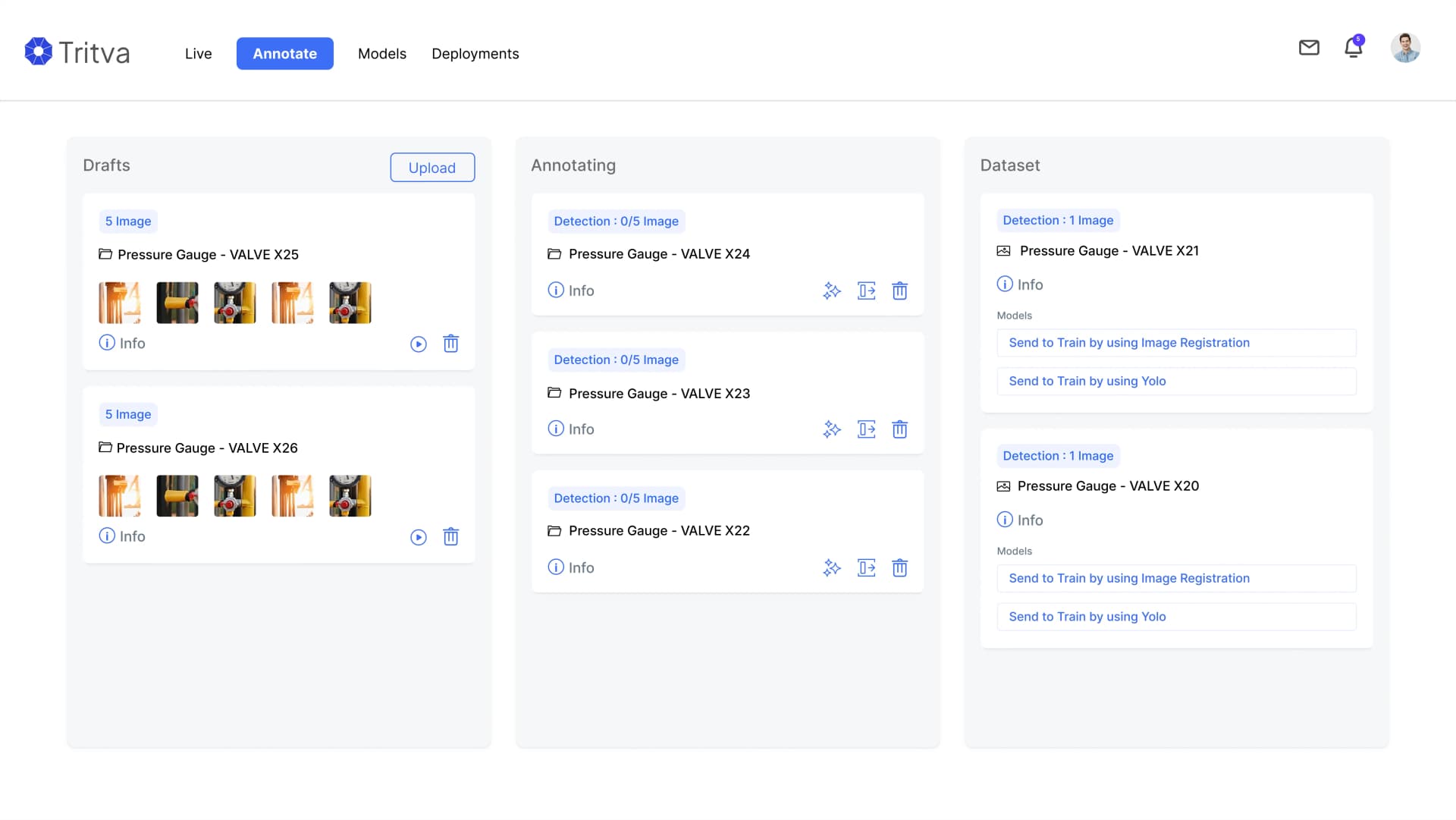
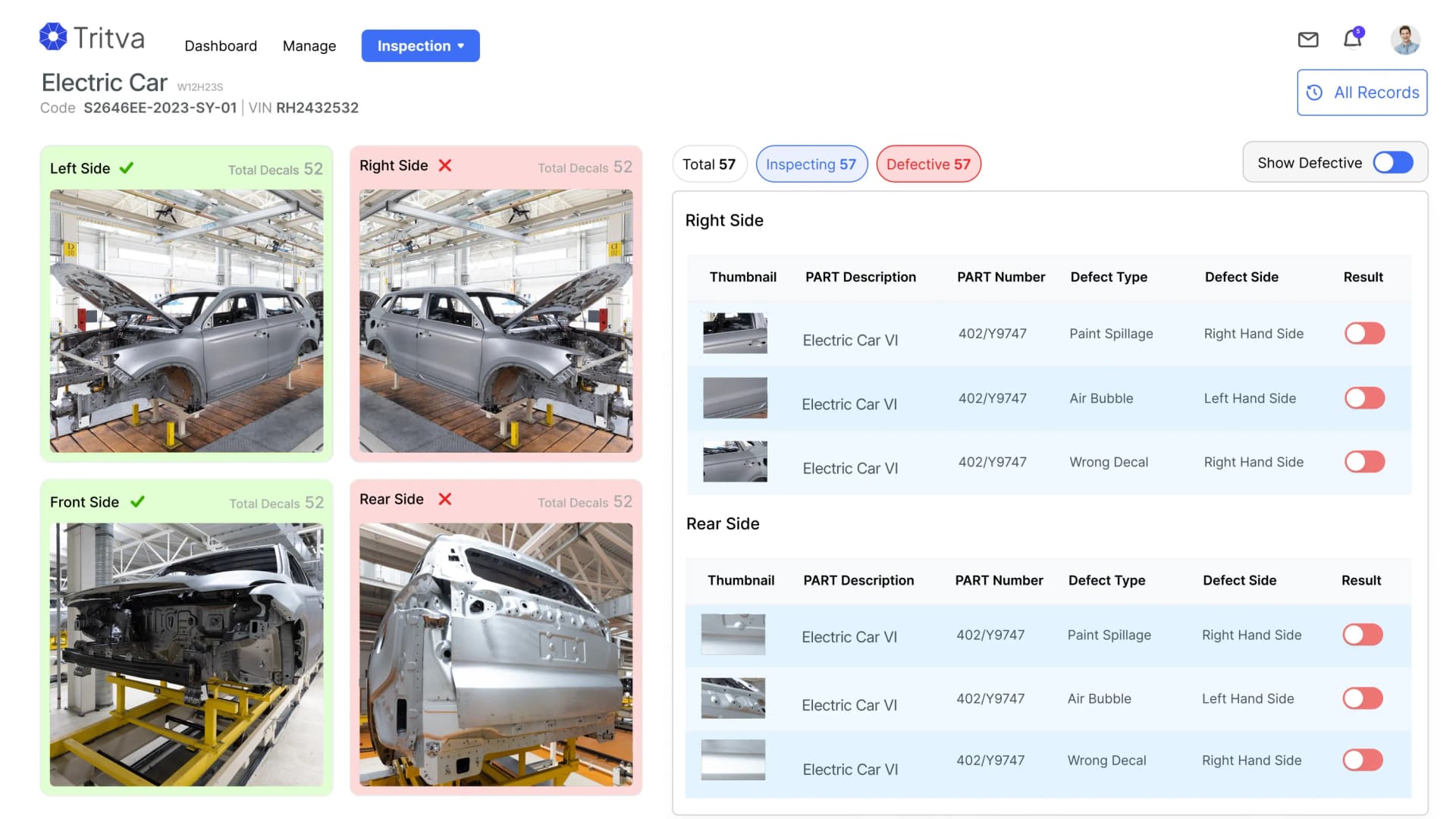
Tritva Vision AI model training interface showing annotation and defect classification tools.
  • -Faster Model Development: Build custom inspection AI models quickly with no-code workflows and pre-trained foundations.
  • -Standardised Defect Classification: Define and manage defect taxonomies consistently across products, assets, and sites.
  • -Continuous Model Optimisation: Improve model accuracy over time with retraining, version control, and rollback capability.

Start with one high-impact use case.

Deploy TRITVA Your Way Cloud, On-Premises, or Edge

TRITVA Platform Capabilities

Industries That Rely on TRITVA for AI Visual Inspection

How TRITVA Inspects: From Data Capture to Continuous Improvement

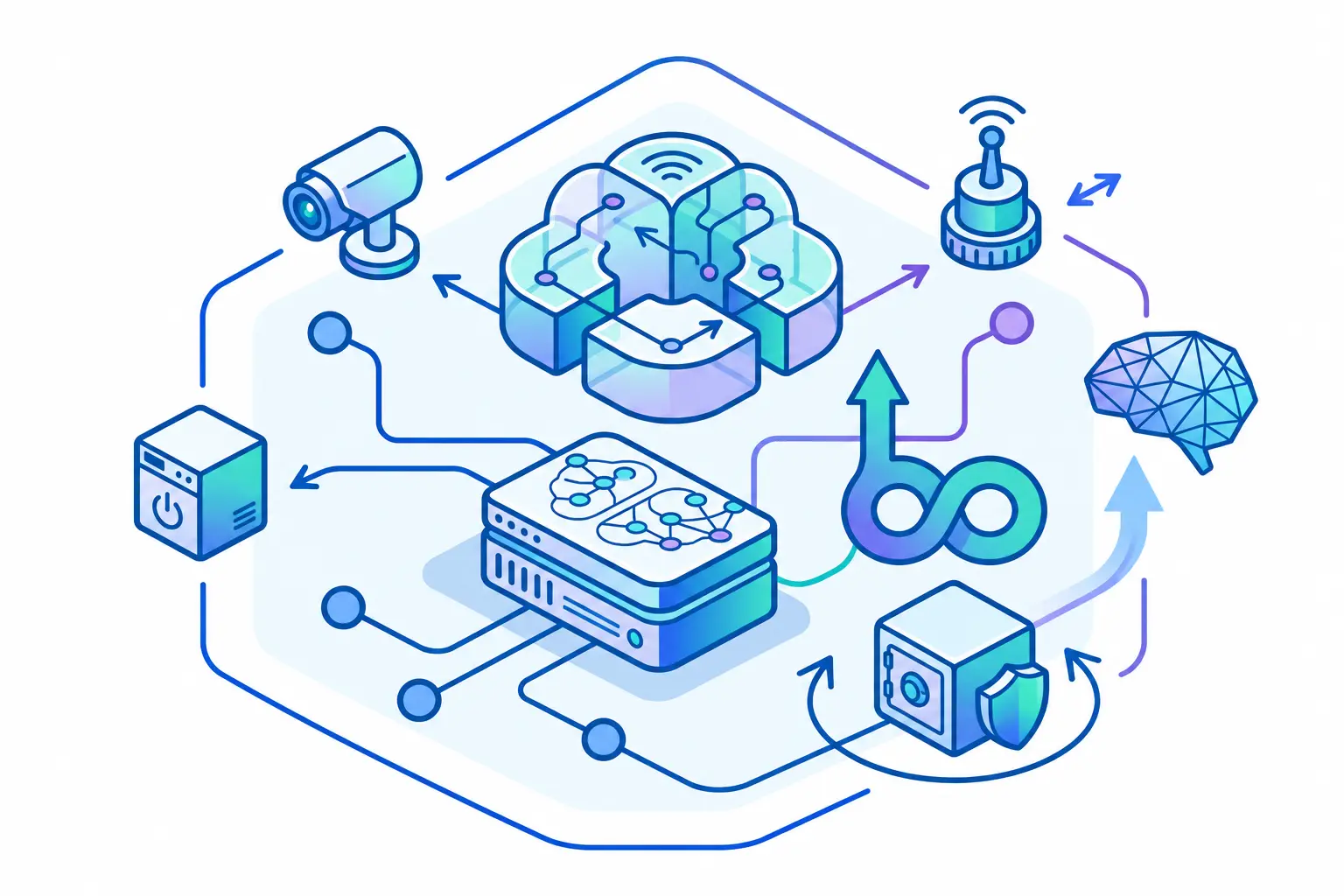
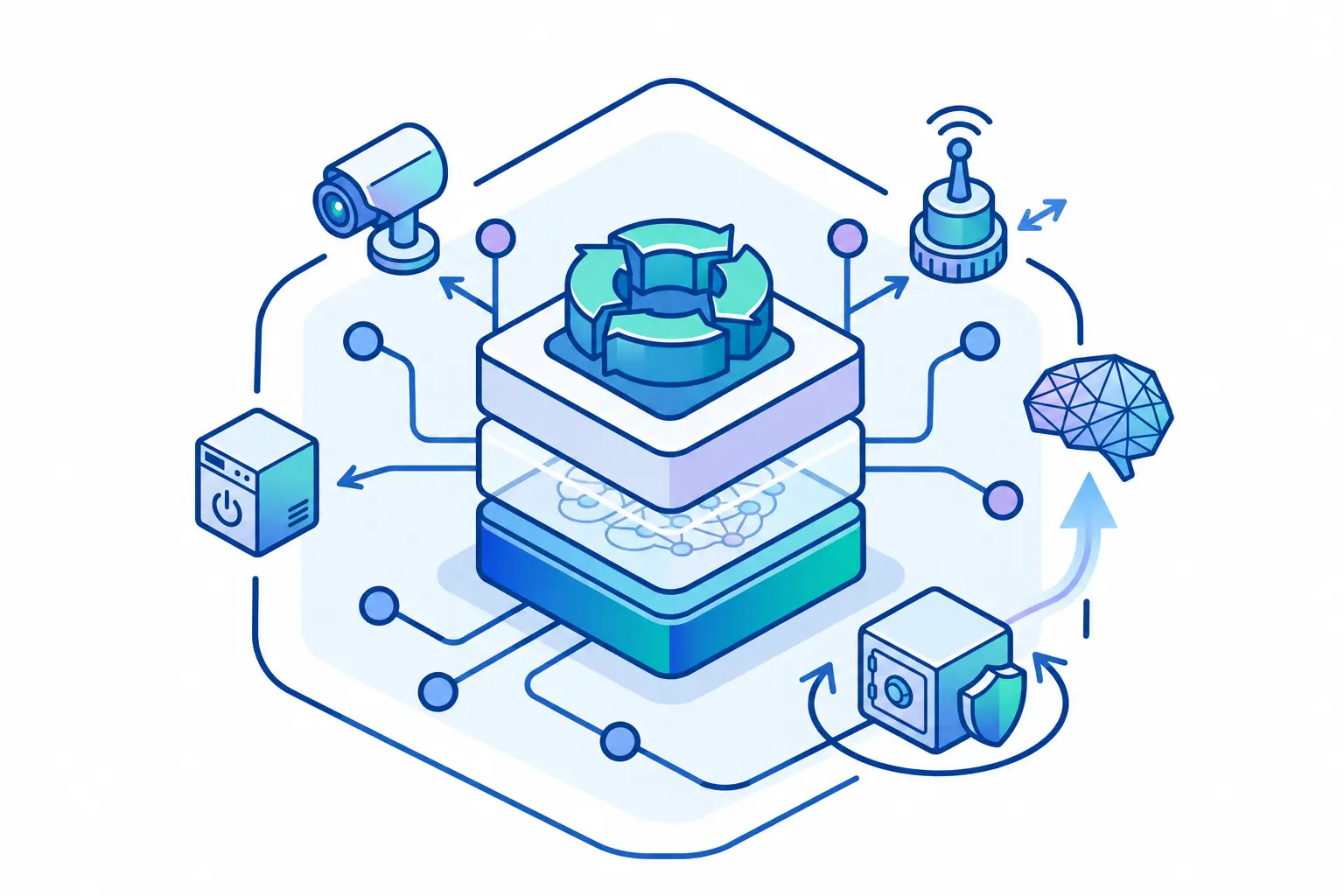
Tritva inspection process from data capture to continuous improvement

Frequently Asked Questions

What is an AI visual inspection platform?

An AI visual inspection platform is software that uses computer vision and machine learning to automatically analyse images and video from cameras, drones, or mobile devices to detect defects, anomalies, and non-conformances in products, components, or physical infrastructure. Unlike traditional rule-based machine vision systems, AI visual inspection platforms learn from labelled examples, adapt to new defect patterns, and continuously improve accuracy making them suitable for complex, varied, and high-throughput industrial inspection environments.

What is TRITVA and what does it do?

TRITVA is an AI-powered visual inspection platform developed by Ombrulla. It uses computer vision and machine learning to automatically detect defects in manufacturing production lines, inspect oil and gas infrastructure, analyse drone survey imagery for civil infrastructure condition, and manage quality inspection workflows for construction projects. TRITVA comprises three integrated modules Tritva Vision (AI model building), Tritva Watch (real-time inference), and Tritva Sky (analytics and learning) deployed on cloud, on-premises, or edge infrastructure.

How accurate is AI defect detection compared to manual inspection?

AI defect detection systems typically achieve 95–99% accuracy on trained defect classes, compared to 70–85% for human visual inspectors who are subject to fatigue, distraction, and subjective judgement variation. AI systems also operate at consistent accuracy across all shifts and at line speeds that exceed human capability. Tritva's adaptive models improve continuously as new inspection data is collected, further increasing accuracy over time for site-specific defect types.

What is the difference between AI visual inspection and traditional machine vision?

Traditional machine vision uses fixed, rule-based algorithms (edge detection, colour thresholds, template matching) that must be manually reprogrammed for each new product variant or defect type. AI visual inspection uses deep learning models trained on real defect examples, enabling them to generalise to new variants, detect subtle or complex defects that rules cannot capture, and self-improve over time. AI inspection is significantly more flexible, accurate, and scalable than traditional machine vision.

How does TRITVA inspect oil and gas infrastructure?

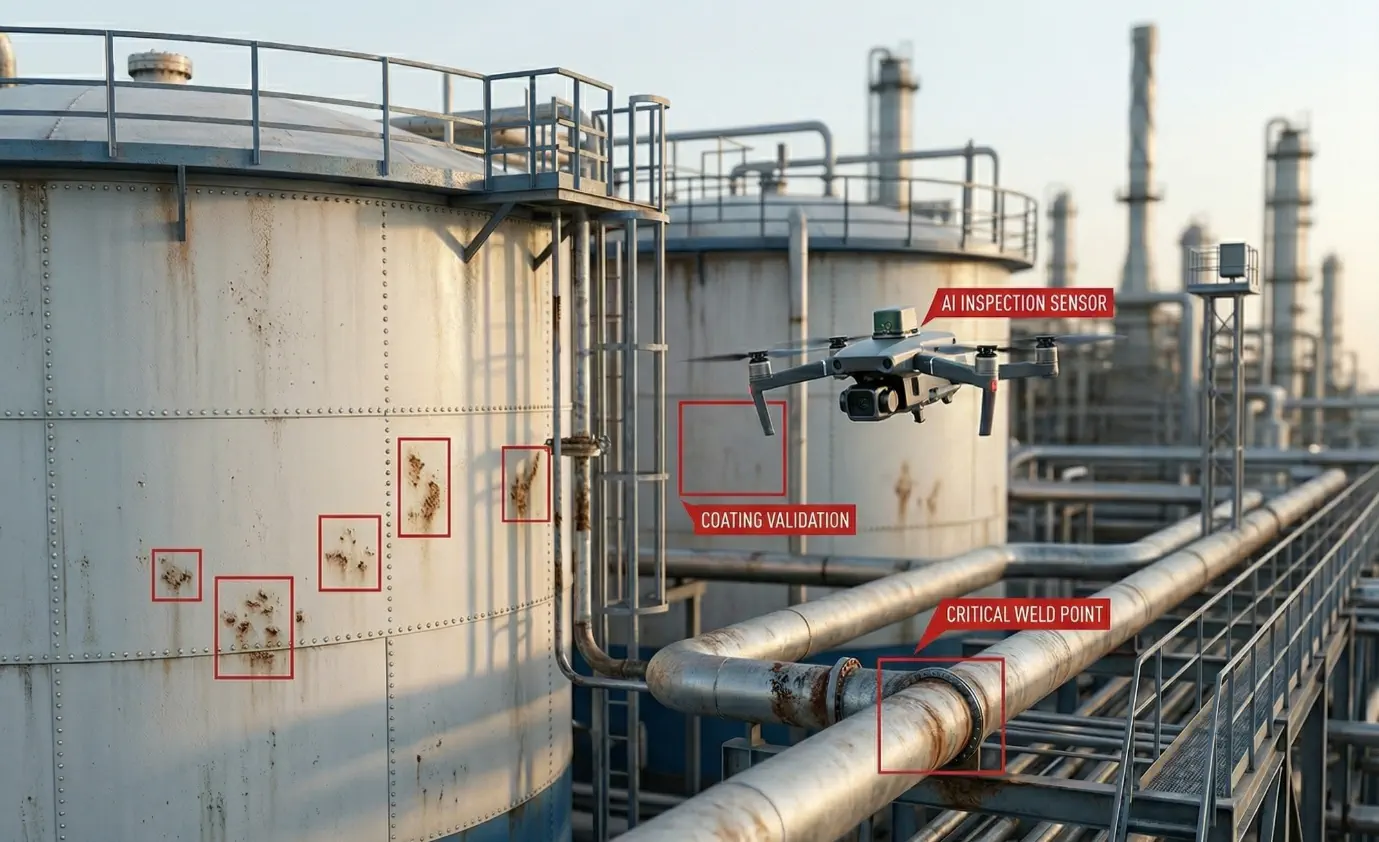
TRITVA inspects oil and gas assets pipelines, storage tanks, pressure vessels, flare stacks, and offshore structures using drone-mounted cameras, crawler robots, and fixed AI cameras deployed in hazardous or hard-to-access locations. AI computer vision models trained on O&G defect types detect corrosion, cracks, coating degradation, weld anomalies, and structural deformation with sub-millimetre sensitivity. Every finding is geotagged, classified by severity, and stored in an auditable inspection record supporting API 570, API 510, and PSSR compliance.

How does drone inspection AI work with TRITVA?

TRITVA's Tritva Sky module processes aerial inspection imagery and video captured by survey drones. After a drone flight, imagery is uploaded to Tritva Sky (or streamed in real time via edge processing). AI models analyse every image to detect structural defects, classify them by type and severity, and plot their locations on a georeferenced asset map. Automated inspection reports are generated in minutes replacing days of manual imagery review with defect findings linked to the relevant asset in the inspection history database.

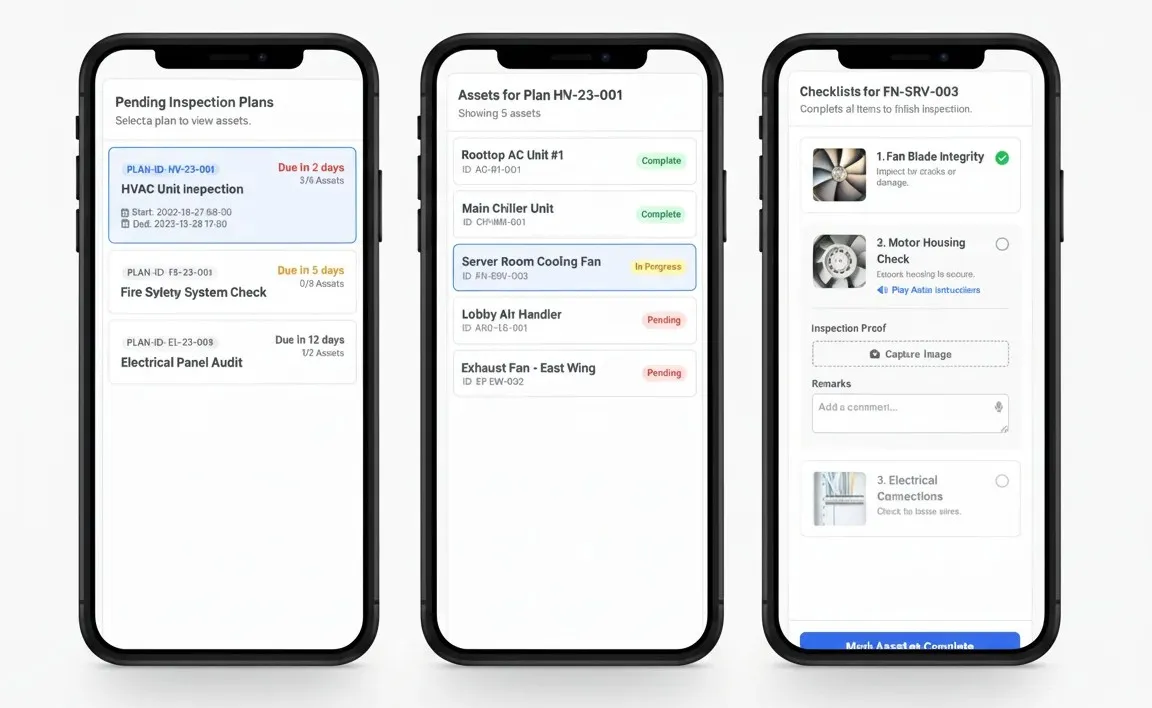
Can TRITVA integrate with SAP, Oracle, or other ERP and MES systems?

Yes. TRITVA has pre-built connectors for SAP QM, SAP PM/EAM, Oracle Quality Management, Siemens Opcenter, IBM Maximo, and other major ERP, MES, and quality management platforms. When TRITVA detects a defect or inspection non-conformance, it can automatically create a quality notification, non-conformance report, or work order in the connected system with the AI detection image, defect classification, and confidence score attached as evidence. Full REST API and webhook support enables custom integrations with any enterprise platform.

Does TRITVA work in offline or air-gapped environments?

Yes. TRITVA's edge deployment option runs the full AI inference engine locally on edge hardware industrial PCs, NVIDIA Jetson modules, or ruggedised appliances without any cloud connectivity requirement. This makes TRITVA suitable for offshore platforms, remote pipeline sites, underground facilities, and secure manufacturing environments with strict network isolation policies. When connectivity is restored, edge inspection data is synchronised with the central Tritva Sky analytics hub.

What is the ROI of implementing AI visual inspection?

Organisations that replace manual inspection and legacy machine vision with AI typically achieve: 20–50% reduction in defect escape rate, 15–35% improvement in First-Pass Yield, 30–60% reduction in manual inspection labour costs, and 40–70% reduction in post-flight inspection report time for drone surveys. The elimination of customer warranty claims from escaped defects and regulatory penalties from inspection compliance failures can deliver additional ROI multiples. Most TRITVA deployments achieve positive ROI within 6–12 months.

How does TRITVA support ISO 9001 and quality compliance?

TRITVA provides a tamper-evident digital audit trail for every inspection event recording the image captured, the AI model that analysed it, the defect classification and confidence score, the operator review decision, and any linked corrective action. This creates the documented, objective inspection evidence required for ISO 9001, ISO 17020, IATF 16949, and API inspection standard compliance. Tritva Sky's reporting module generates compliance-ready inspection reports directly from the stored data, eliminating manual report compilation.

How long does it take to deploy TRITVA and train the first inspection model?

A basic TRITVA deployment connecting cameras, onboarding users, and training an initial defect detection model typically takes 2–4 weeks for a single production line or inspection point, depending on data availability and infrastructure readiness. Pre-built foundation models and transfer learning reduce the number of labelled training images required. More complex multi-site or multi-product deployments are typically completed in 6–12 weeks. Ombrulla provides implementation support, model training services, and training for customer teams.