What is a custom AI solution?
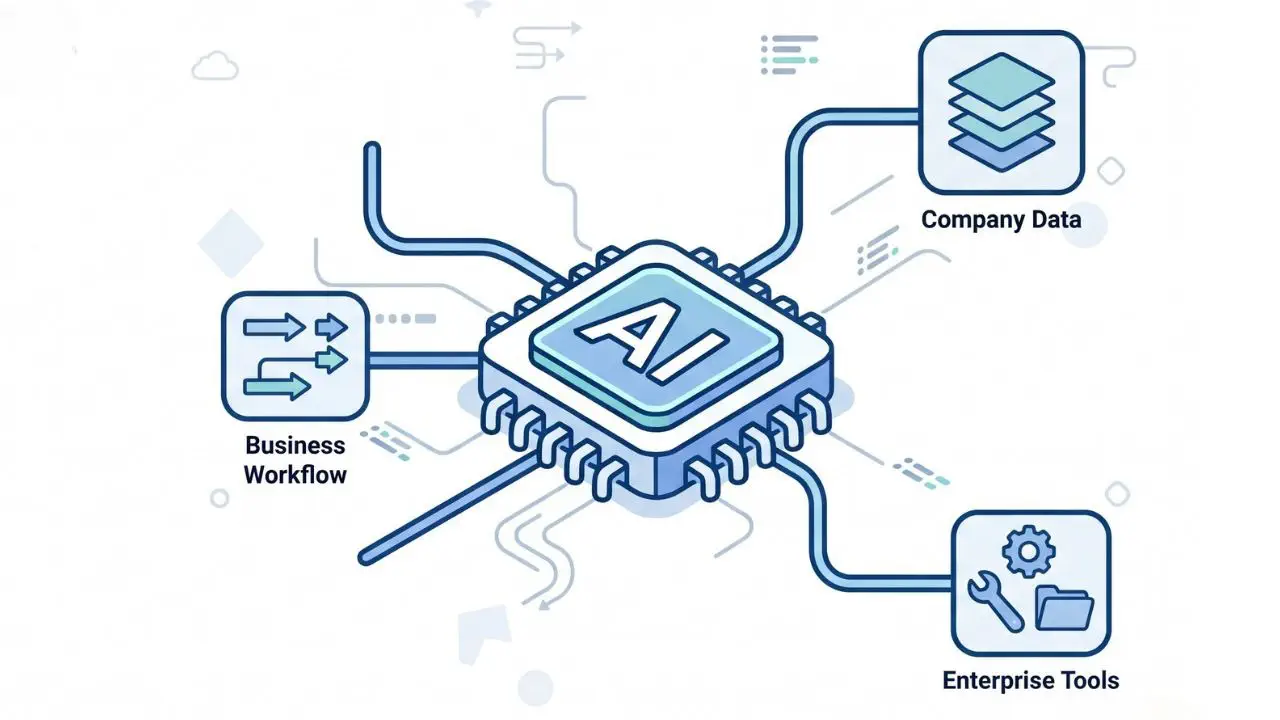
A custom AI solution is an AI system designed and built specifically for an organisation’s unique processes, data, and enterprise technology stack — rather than a generic off-the-shelf AI product adapted to a workflow it was never designed for. Custom AI solutions are used when standard tools are too inaccurate on your domain, cannot integrate with your operational systems, or cannot enforce your data access and governance requirements. Custom development covers the full AI spectrum: GenAI and LLM applications, computer vision systems, predictive analytics models, document automation, edge AI, and MLOps infrastructure.
What types of custom AI solutions does Ombrulla build?
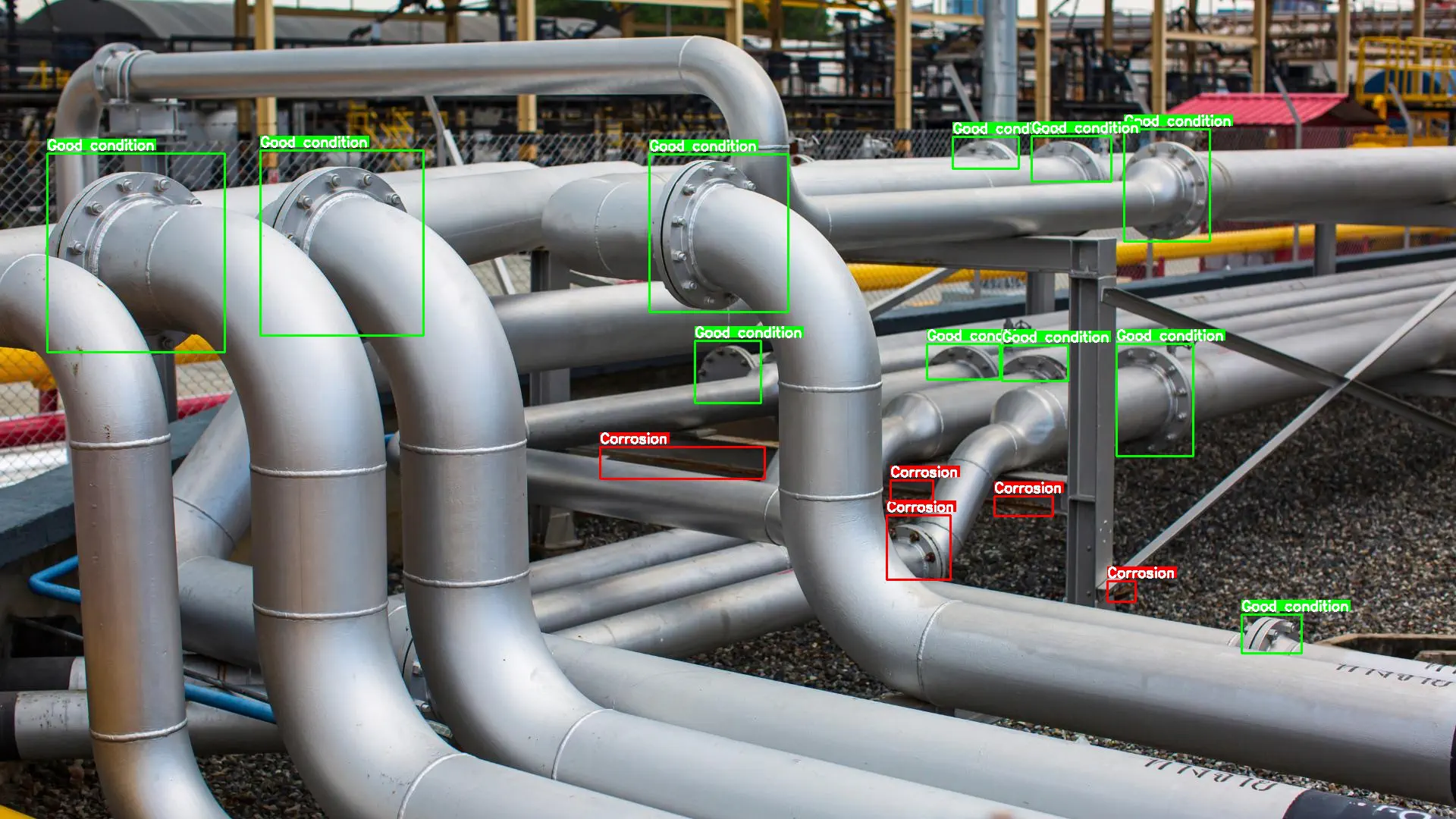
Ombrulla builds eight types of custom AI solutions: (1) GenAI and LLM applications — instruction-following agents that generate, summarise, classify, or draft using your business context; (2) RAG knowledge assistants — Q&A systems grounded in your internal documents with access control applied; (3) Computer vision systems — defect detection, assembly verification, safety monitoring; (4) Predictive analytics — failure prediction, demand forecasting, yield and risk scoring; (5) Document AI — OCR + NLP for PDF and form processing; (6) Edge AI and IoT — on-device inference for low-latency and offline environments; (7) MLOps and LLMOps — model lifecycle management and governance; (8) Model fine-tuning and content automation — domain-specific model adaptation and structured output generation at scale.
How is a custom AI solution different from an off-the-shelf AI tool?
Off-the-shelf AI tools are trained on generic public data and designed for the median use case. Custom AI solutions are trained on your domain data, integrated into your systems (ERP, CMMS, MES, CRM), and enforce your specific governance rules (RBAC, data residency, retention policies). Key differences: accuracy on your domain-specific terminology and defect taxonomy; outputs that land in the systems your teams already use rather than a separate dashboard; data ownership that remains entirely with you; and governance built around your compliance requirements. The cost of custom development is justified when the accuracy or integration gap between off-the-shelf and custom is significant enough to affect operational outcomes.
Can you integrate a custom AI solution with ERP, MES, CRM, or existing applications?
Yes. Integration with enterprise systems is a core part of every Ombrulla engagement — not an optional add-on. AI outputs are routed directly into the systems where the work gets done: work orders in IBM Maximo or SAP EAM, quality records in SAP MES or Oracle MES, demand plans in SAP ERP or Oracle ERP, tickets in ServiceNow or Jira, and dashboards in Power BI or Grafana. Integration is implemented through REST APIs, GraphQL, Kafka, Azure Event Hub, EDI, or direct database connectors depending on what the target system supports. AI that stays in a separate interface rarely gets used consistently.
Do you offer a pilot or proof-of-concept for custom AI solutions?
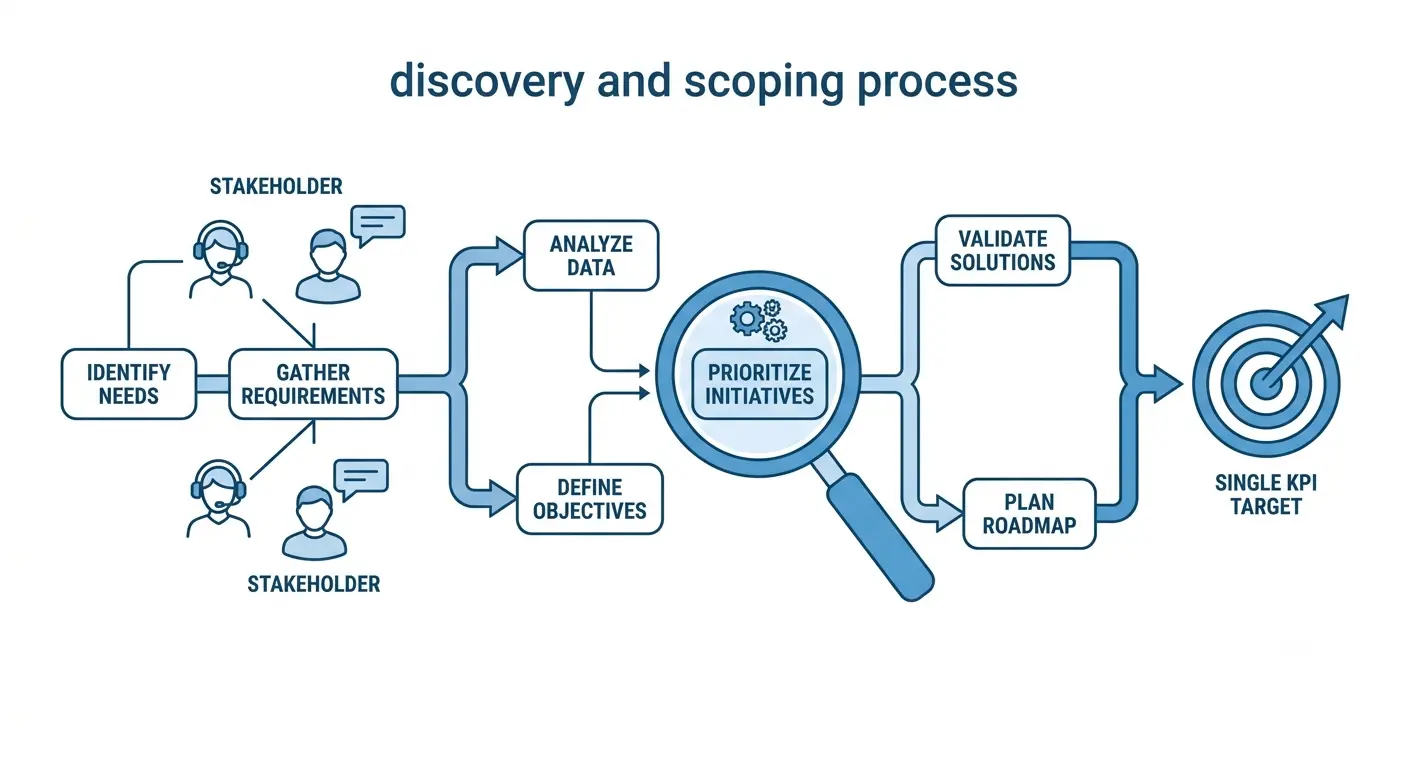
Yes. Every Ombrulla engagement begins with a pilot in the real production workflow — not a demo environment, not a controlled lab setup. The pilot is designed to produce a quantified result against an agreed baseline metric (defect rate, time saved, prediction accuracy) within 4–8 weeks. This gives you evidence of ROI before committing to enterprise-wide deployment. The pilot also captures the edge cases, data quality issues, and workflow nuances that only appear in real conditions — making the production deployment significantly more reliable. NDA is available at the discovery stage. No upfront cost for the initial consultation.
What data do you need to start a custom AI project?
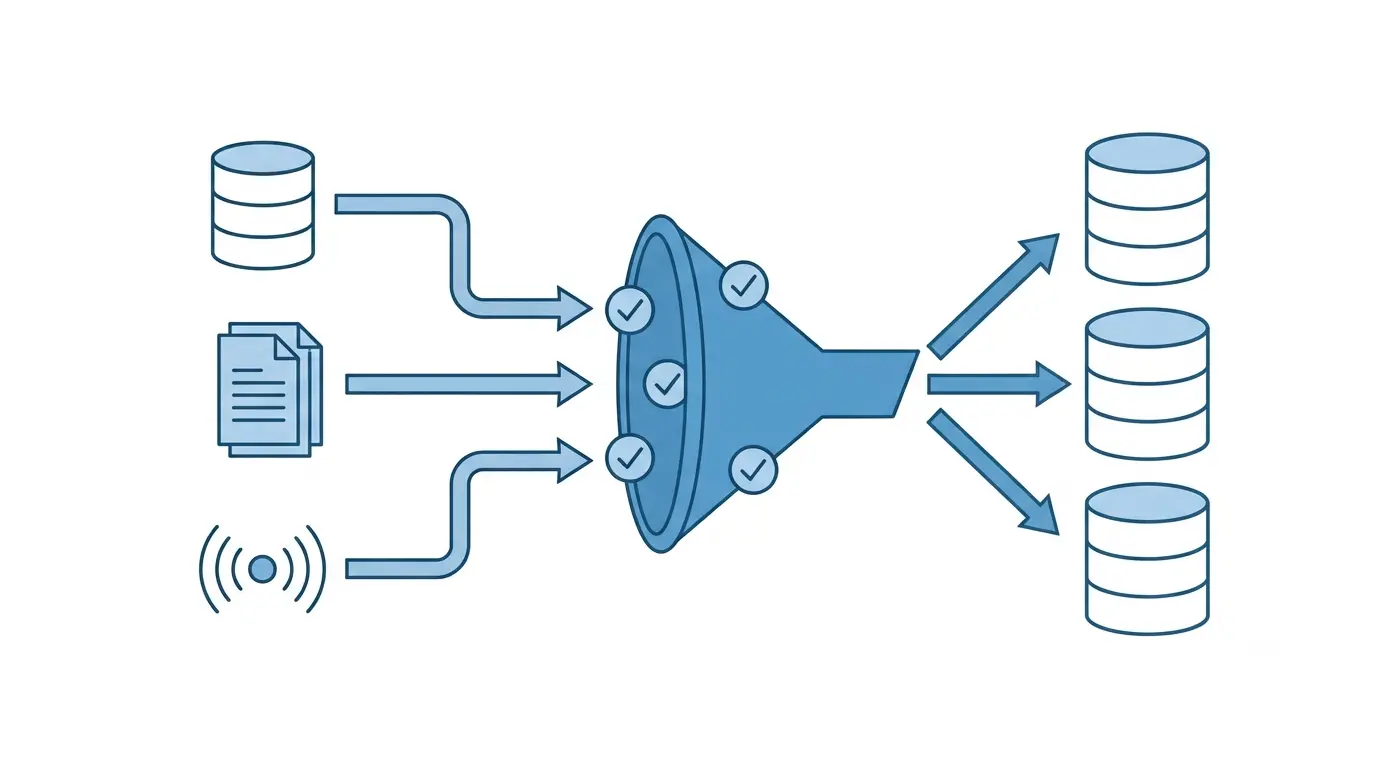
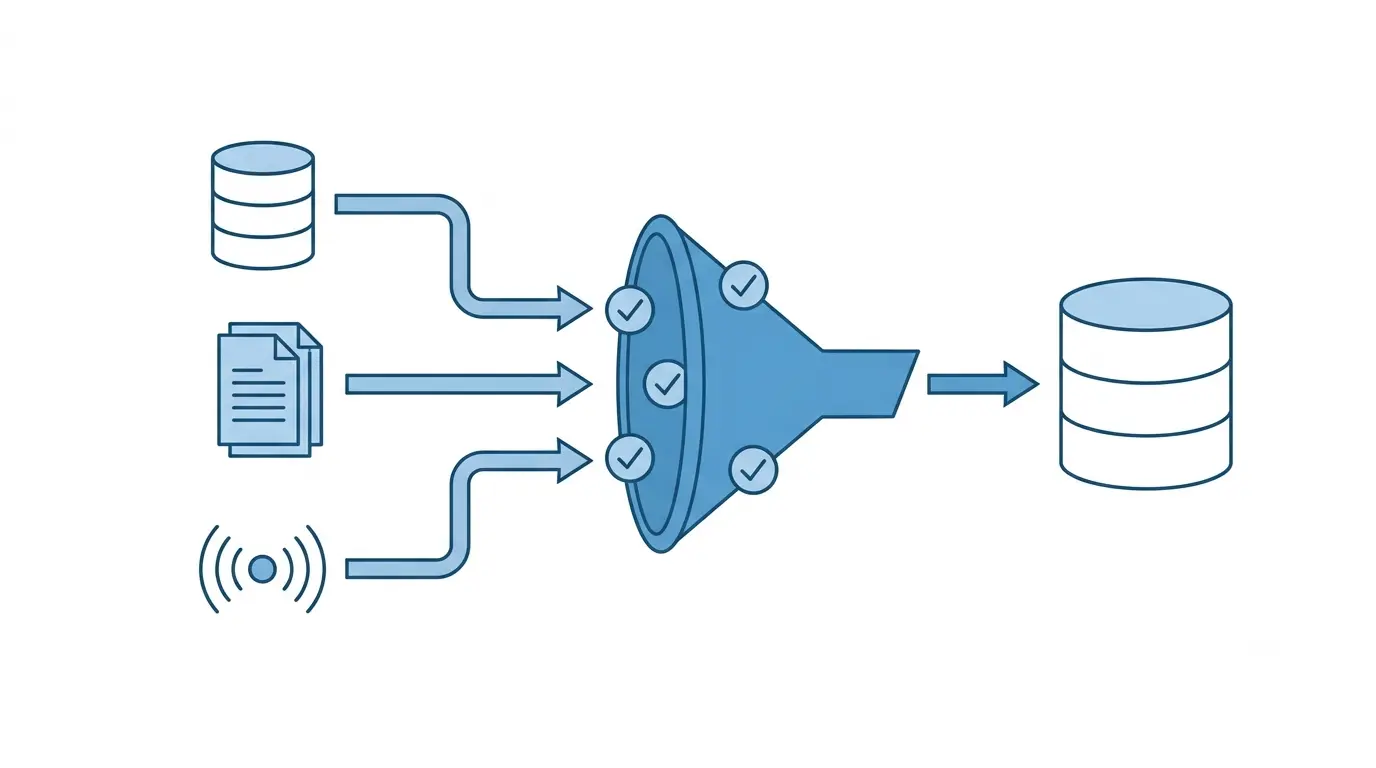
Data requirements depend on the solution type. For predictive analytics and computer vision, we assess your existing data assets during the Data Readiness step and identify any gaps before development begins. For RAG knowledge assistants, we need access to the internal documents (SOPs, manuals, tickets, reports) that should ground the AI’s answers. For LLM applications, we need examples of the target input/output pairs that define what a good response looks like. Ombrulla does not require large, labelled datasets to start — pre-built AI skills and foundation models provide a starting point, with custom training data collected during the pilot where needed.
How do you make GenAI and LLM apps accurate and prevent hallucination?
Hallucination in LLM applications is primarily controlled through four mechanisms: (1) RAG — grounding every response in retrieved passages from your documents rather than relying on the model’s parametric memory; (2) Source citation — every answer includes a reference to the source document and section, making errors immediately visible and verifiable; (3) Guardrails — output validation rules that detect off-topic, factually inconsistent, or policy-violating responses before they reach the user; (4) Evaluation — gold dataset testing against known correct answers before every production deployment. Hallucination is not eliminated by these measures, but it is reduced to a rate that is manageable and monitorable for production enterprise use.
How do you secure custom AI solutions and protect sensitive data?
Security is designed into every custom AI solution from the start: Role-Based Access Control (RBAC) ensures users only access data and AI outputs they are permitted to see. SSO via SAML 2.0 and OIDC connects to your existing identity provider. Audit logs record every query, output, and model action. PII filtering prevents sensitive data from being included in model training data or LLM prompts. Prompt injection defences prevent external manipulation of the AI’s behaviour. Data residency is configured per deployment — UK, EU, US, or India — and remains in your designated region. Compliance patterns for GDPR, ISO 27001, SOC 2 Type II, and sector-specific regulations (IEC 62443 for industrial environments) are available.
How do you test and evaluate AI before rollout?
Ombrulla tests AI systems using the same rigour applied to production software: a gold dataset of known-correct examples is used to benchmark accuracy before every deployment; prompt and tool unit tests verify that changes to prompts or function definitions do not break expected behaviour; A/B tests compare the new version against the current production version on real traffic before full promotion; regression checks catch performance degradations automatically. For vision models, precision, recall, and F1 scores are measured against your specific defect taxonomy. For LLM outputs, automated scoring is combined with human evaluation rubrics for qualitative assessment. No model change goes to production without passing the test suite.
How do you keep AI performance stable after launch?
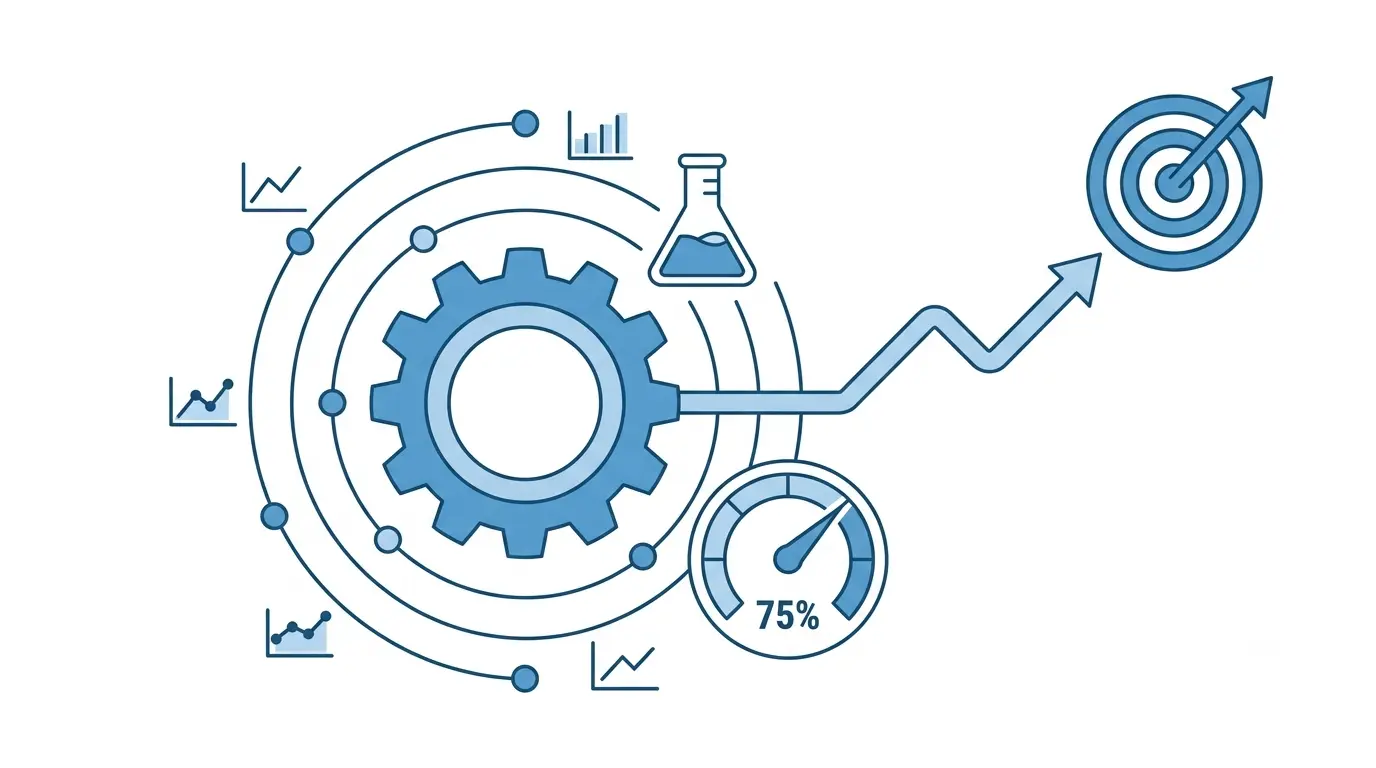
Post-deployment stability is maintained through MLOps and LLMOps pipelines that monitor four dimensions: (1) Quality drift — statistical monitoring of model input distribution and output quality detects when the real-world data has changed enough that the model is no longer accurate; (2) Latency — response time SLAs are tracked; degradation triggers investigation; (3) Cost — token budgets, model routing rules, and caching prevent LLM inference costs from growing unpredictably; (4) Feedback — user feedback (thumbs up/down, flag as incorrect) is routed into the retraining pipeline. When drift is detected, a retrained model is validated and promoted through the approval workflow before replacing the production model.
How long does it take to build a custom AI solution?
Timeline depends on solution complexity and data readiness. A single-use-case AI solution — a RAG knowledge assistant, a computer vision inspection model, or a predictive analytics model for a specific asset class — typically progresses as follows: Discovery and Data Readiness (2–3 weeks), Pilot build and testing (3–4 weeks), Pilot in real workflow and measurement (2–4 weeks), Integration into enterprise systems and production deployment (2–4 weeks). Total: 9–15 weeks from kickoff to production for a single well-scoped use case. Multi-use-case or multi-site programmes take proportionally longer. Ombrulla’s recommendation is always to scope the smallest valuable use case first, prove ROI, and expand.
What ROI can I expect from a custom AI solution?
ROI depends on the use case, baseline, and operational context. Typical ROI ranges from Ombrulla engagements and industry benchmarks: GenAI and RAG knowledge assistants — 40–60% reduction in time spent on repeat knowledge retrieval and documentation tasks; Computer vision quality inspection — 30–50% reduction in defect escapes and rework cost; Predictive maintenance AI — 30–50% reduction in unplanned downtime, 10–25% maintenance cost reduction; Document AI automation — 60–80% reduction in manual document processing time. Payback periods for well-scoped implementations typically range from 6–18 months. Ombrulla builds a specific ROI model using your baseline metrics at the discovery stage so expectations are grounded in your operational reality.