Ombrulla logo

Predictive Maintenance – Stop Unplanned Downtime Before it Starts

Enhance asset reliability and lower operating costs with real time analytics and IoT condition based monitoring. Industrial Analytics, AI/machine learning, IoT sensing combined solution for industrial use cases.

Predictive Maintenance – Converting Uncertainty into Lead Time

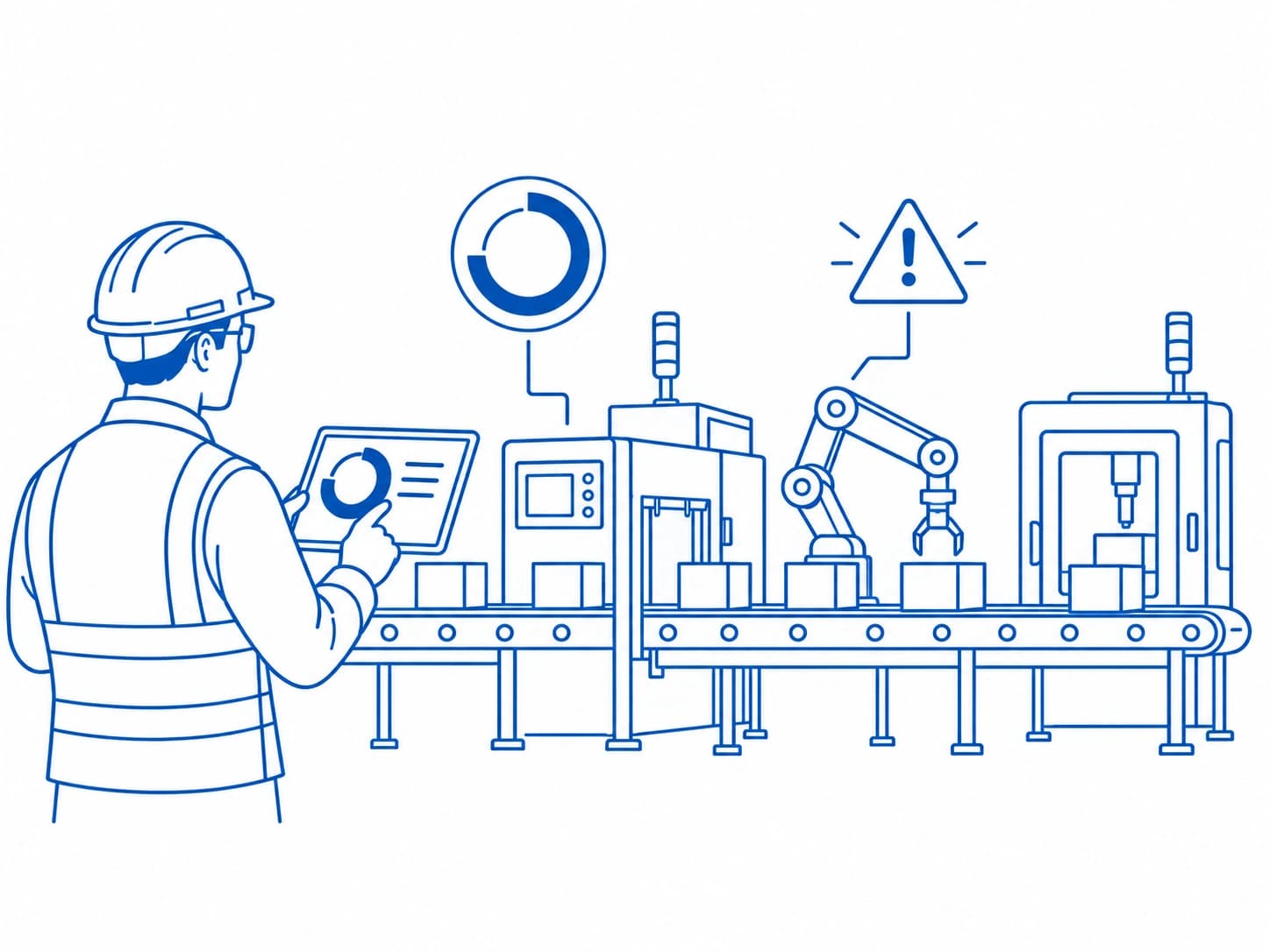
Your board wants growth, with no surprises. Unscheduled breaks, emergency maintenance and higher-than-expected energy spend just keep getting in the way. Predictive Maintenance (PdM) on the PETRAN Platform turns sensor data into early warnings, Remaining Useful Life (RUL) forecasts, and guided work — so you avoid breakdowns, reduce maintenance spend, preserve throughput and prove results with auditready evidence.

Business Outcomes of Predictive Maintenance

PETRAN transforms AI + IoT into measurable business value— slashing maintenance spend, increasing availability and OEE, minimizing risk and compliance questions, speeding time-to-value by focusing on the drivers that most matter in operations.

Predictive Maintenance Capabilities Built for Scale and Control

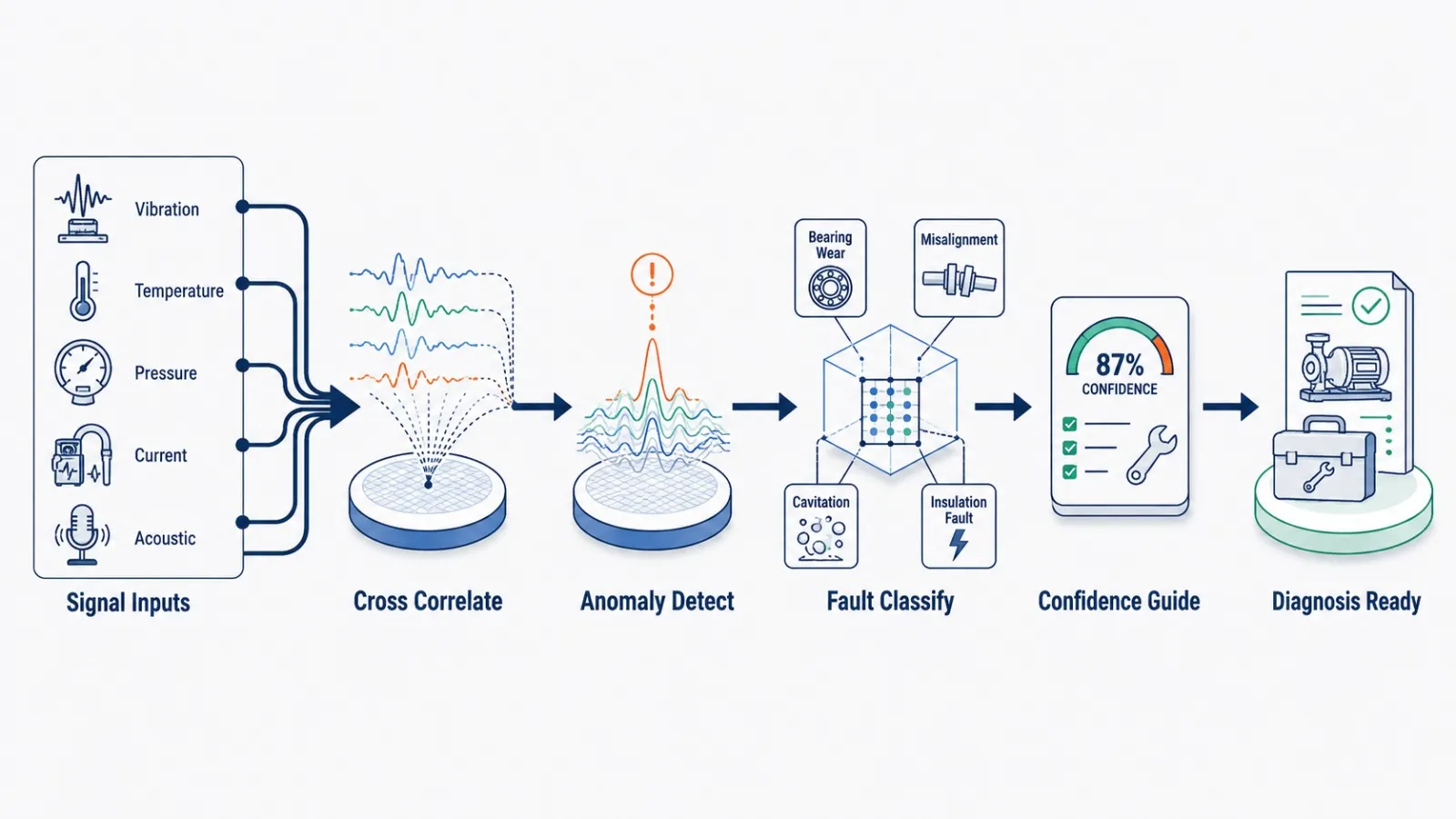
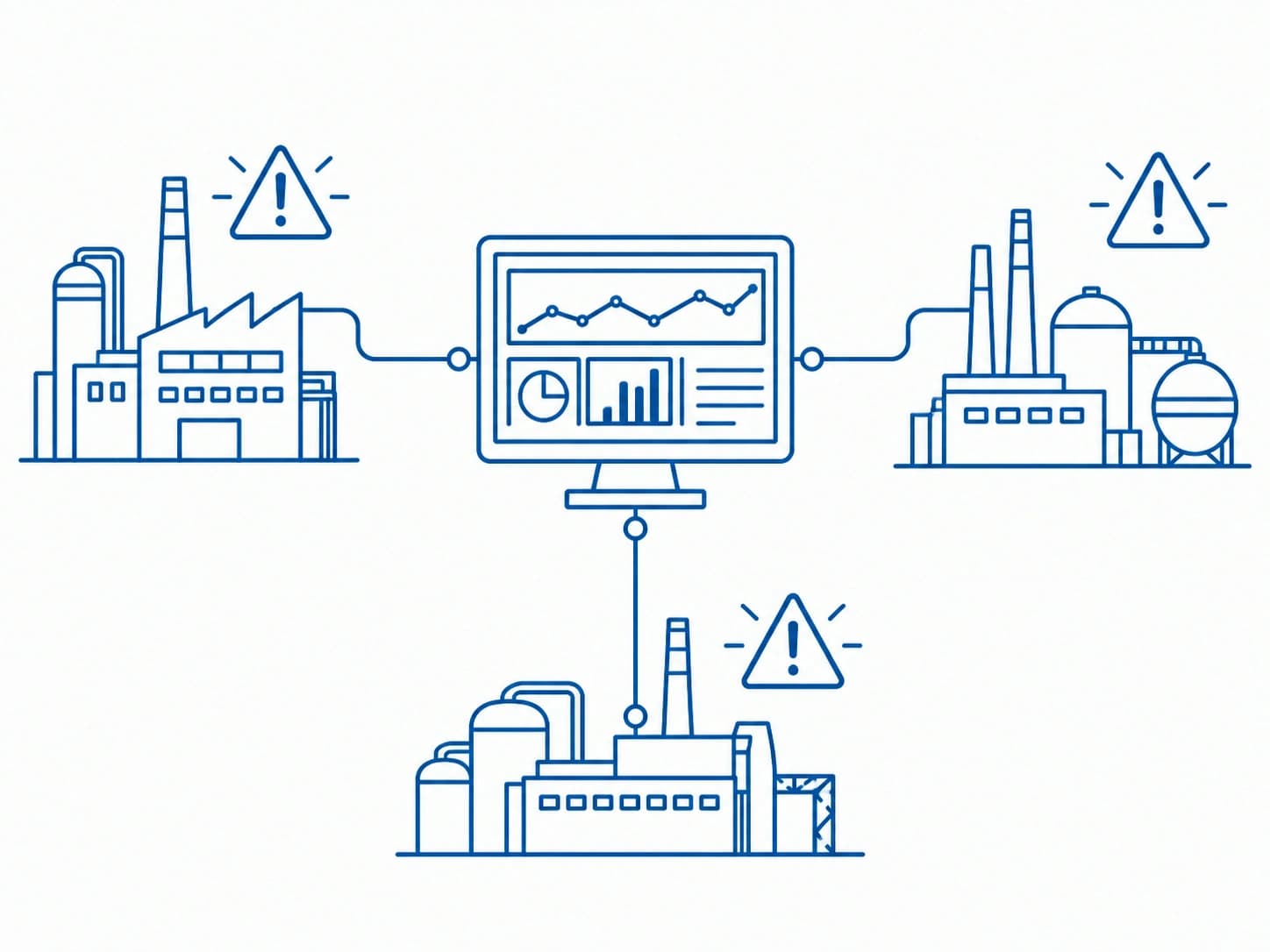
Predictive maintenance allows you to catch equipment problems early, coordinate repairs before catastrophic failures and keep your process up and running. By integrating real-time sensor and PLC/SCADA data with AI-based condition monitoring, RUL forecasting and CMMS/EAM integration, it minimizes unplanned downtime, reduces maintenance costs and improves safety and compliance—at scale across sites and fleets.

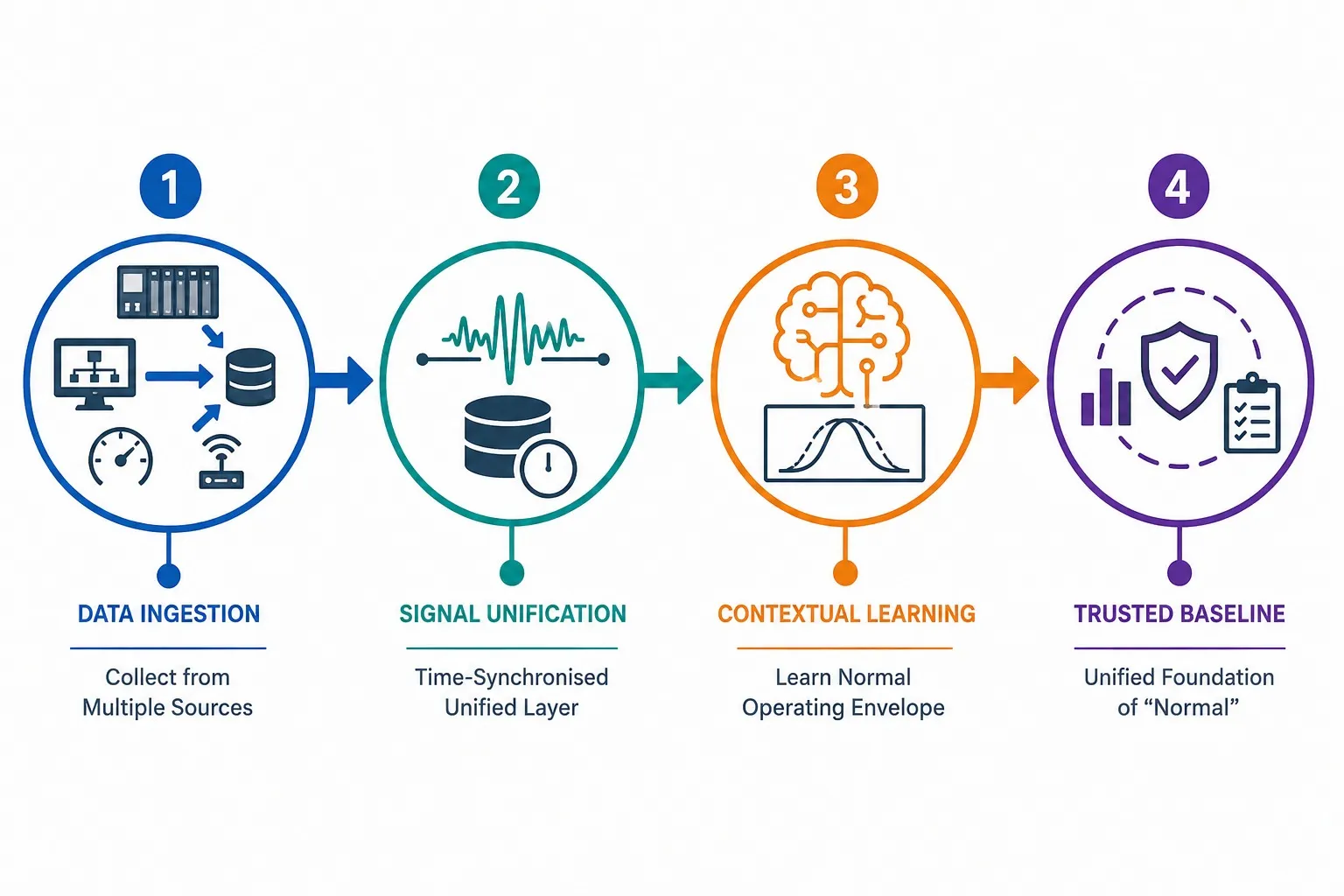
Authoritative Data, Decision-Ready

Authoritative Data, Decision-Ready

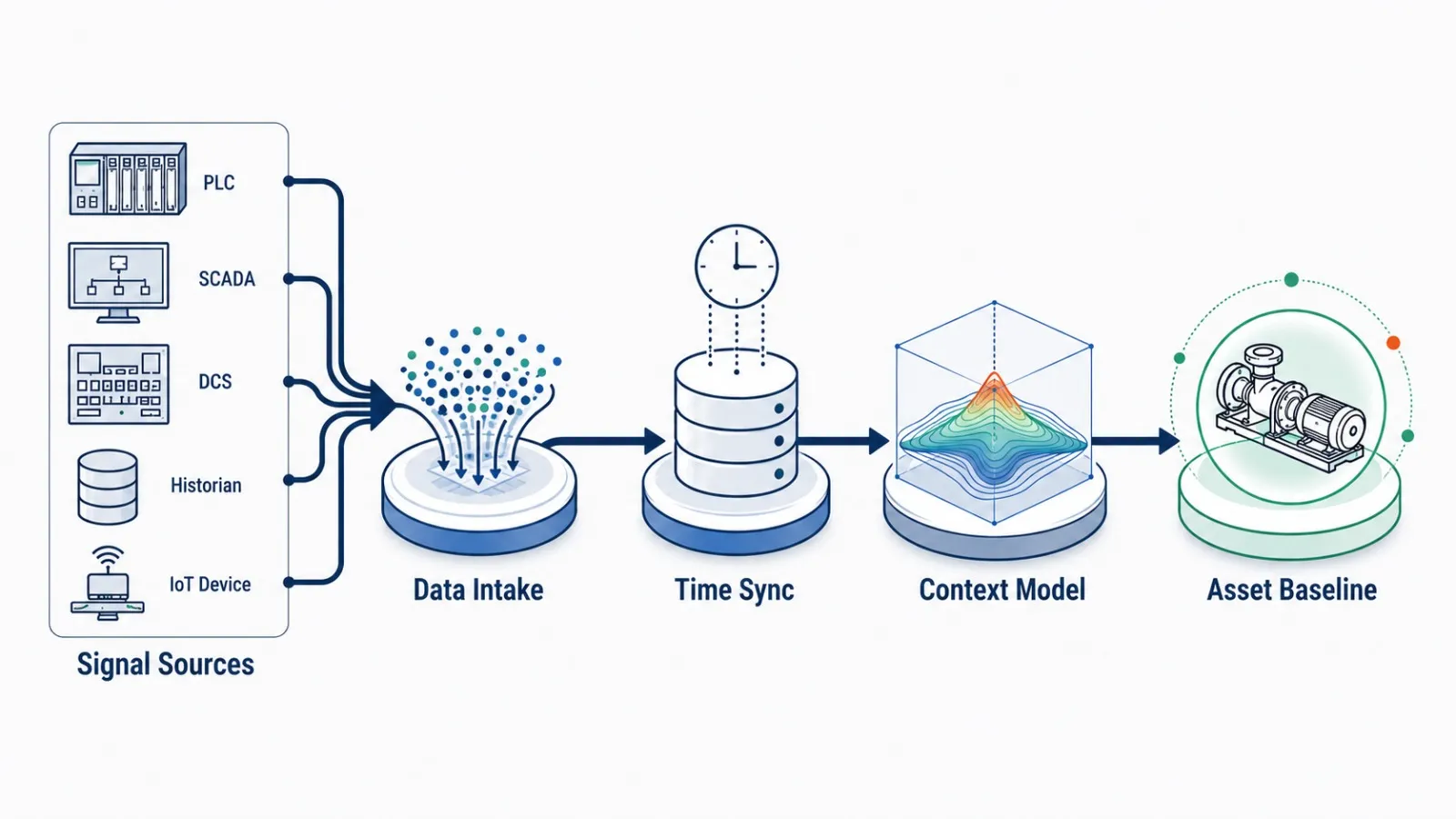
Unify vibration, pyrometry/thermal with impedance tens of other connected technologies to provide a consistent view (time synchronized asset-tagged and quality checked) that leaders can trust—to take action in full confidence.

Real-Time Insight Where it Counts

Real-Time Insight Where it Counts

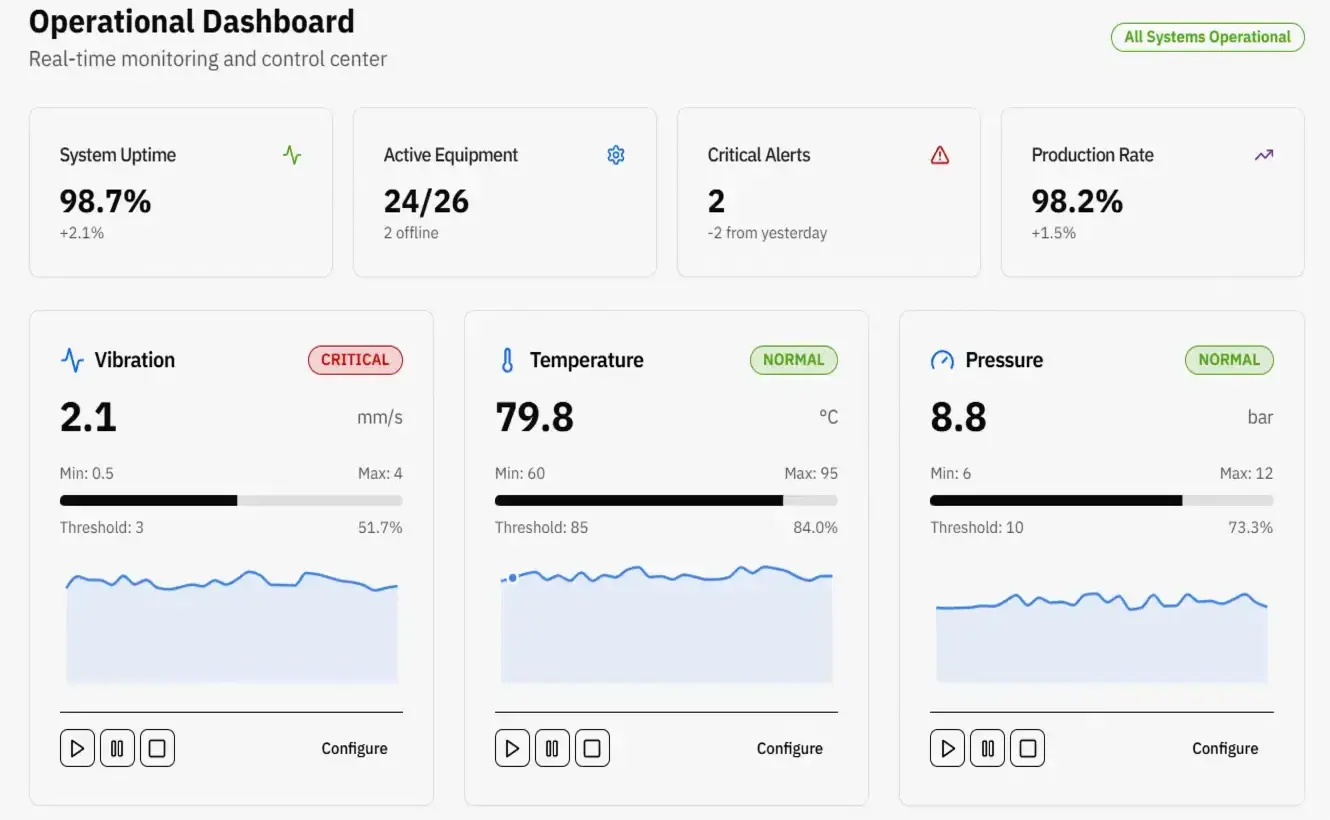
Identify edge issues in seconds and reliably stream the right data to the cloud, even in challenging or low-connectivity locations — ensuring you’re alerted to problems before they become incidents.

Simple, Executive-Ready Asset

Simple, Executive-Ready Asset

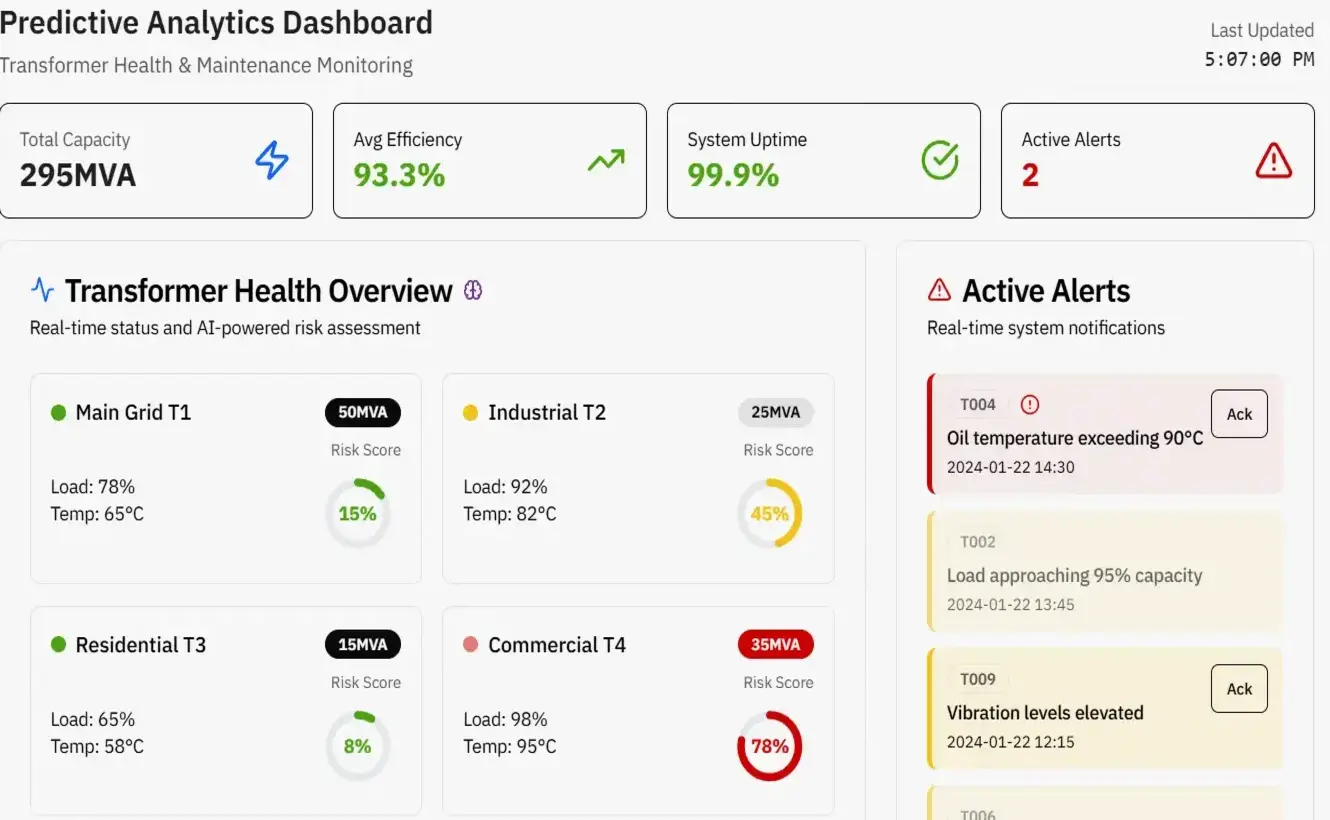
Transform intricate signals into unambiguous health indicators and trends including confidence levels—removing the noise, reducing false alerts and directing teams to assets that deserve attention.

RUL Projections You Can Plan On

RUL Projections You Can Plan On

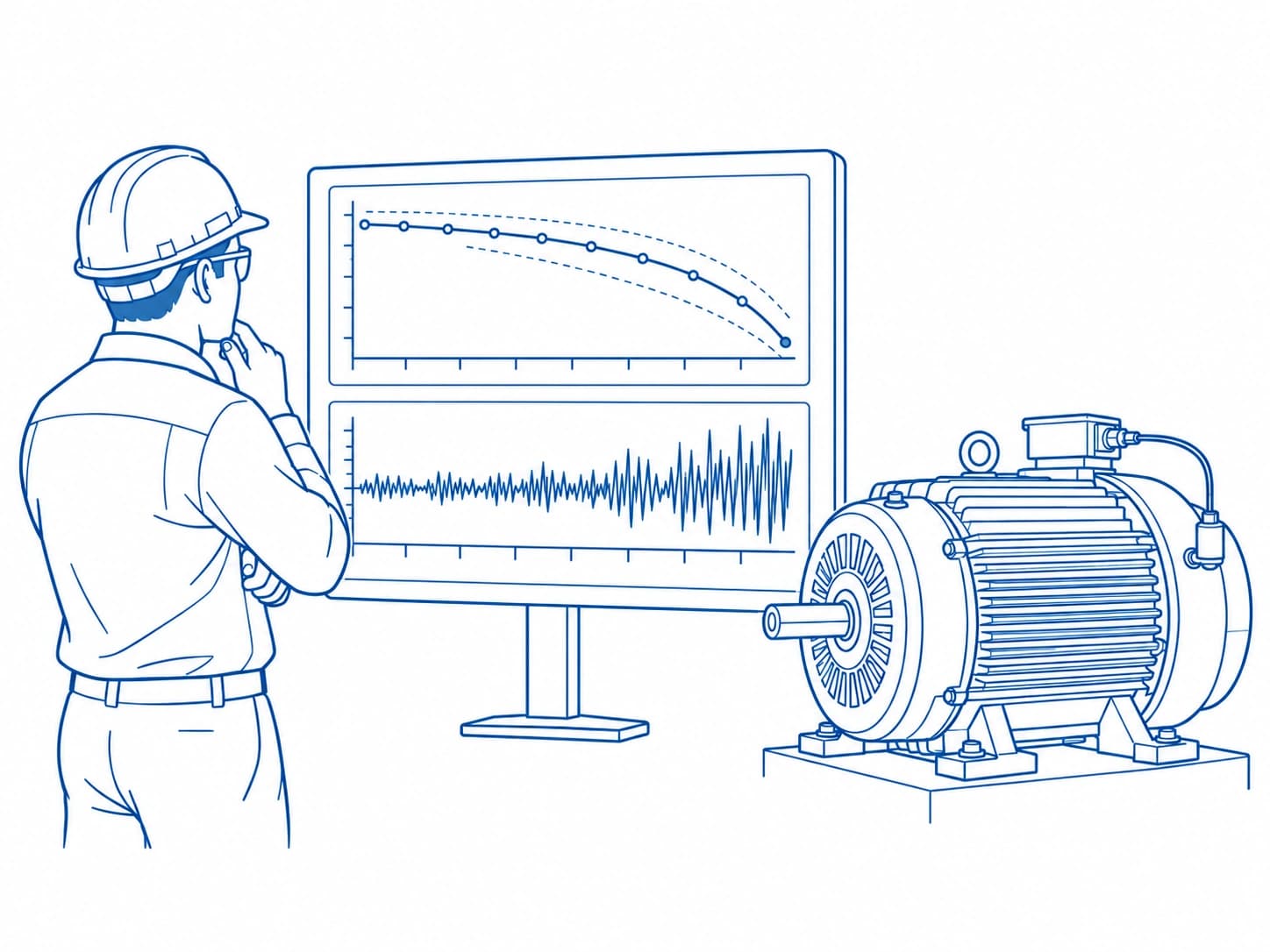
Predict Remaining Useful Life with uncertainty bands and operational context (load, duty cycles, environment, work history) so maintenance can be planned – not hurried.

Automated Failure Mode Identification

Automated Failure Mod e Identification

Translate anomalies into likely failure modes (bearing wear, misalignment, cavitation, imbalance) with explainability — so teams get to “what’s wrong” faster and not just “something’s off somewhere.”

Root Cause and Action How-to-Plays

Root Cause and Action How-to-Plays

Offer concrete, actionable next steps—such as probable causes and suggested remedy, timing and risk of the remedies, tools that will be needed, and parts to order—and learn from technician feedback to continually refine the accuracy of recommendations and outcomes.

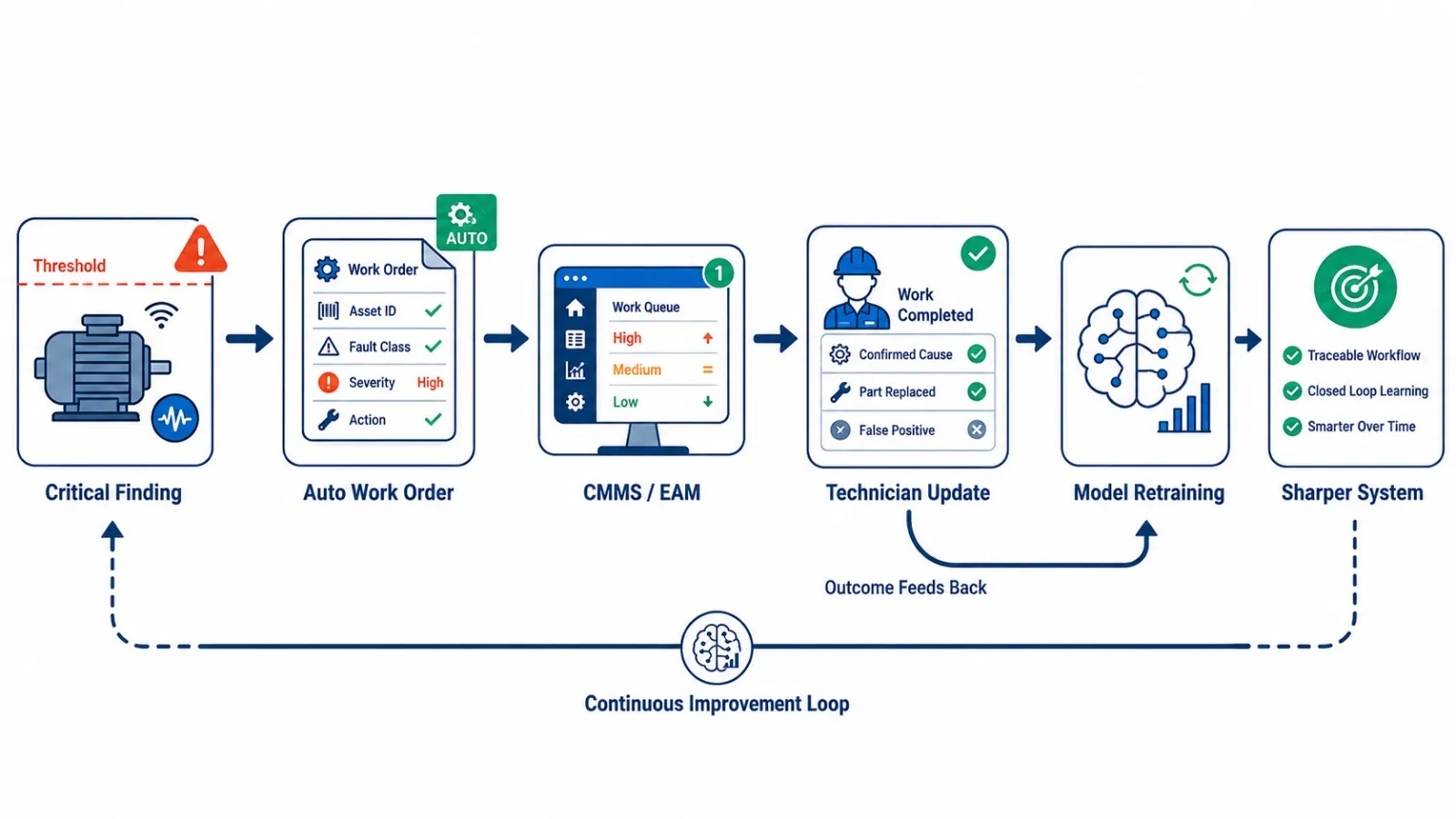
CMMS/EAM-Driven Closed-Loop Execution

CMMS/EAM-Driven Closed-Loop Execution

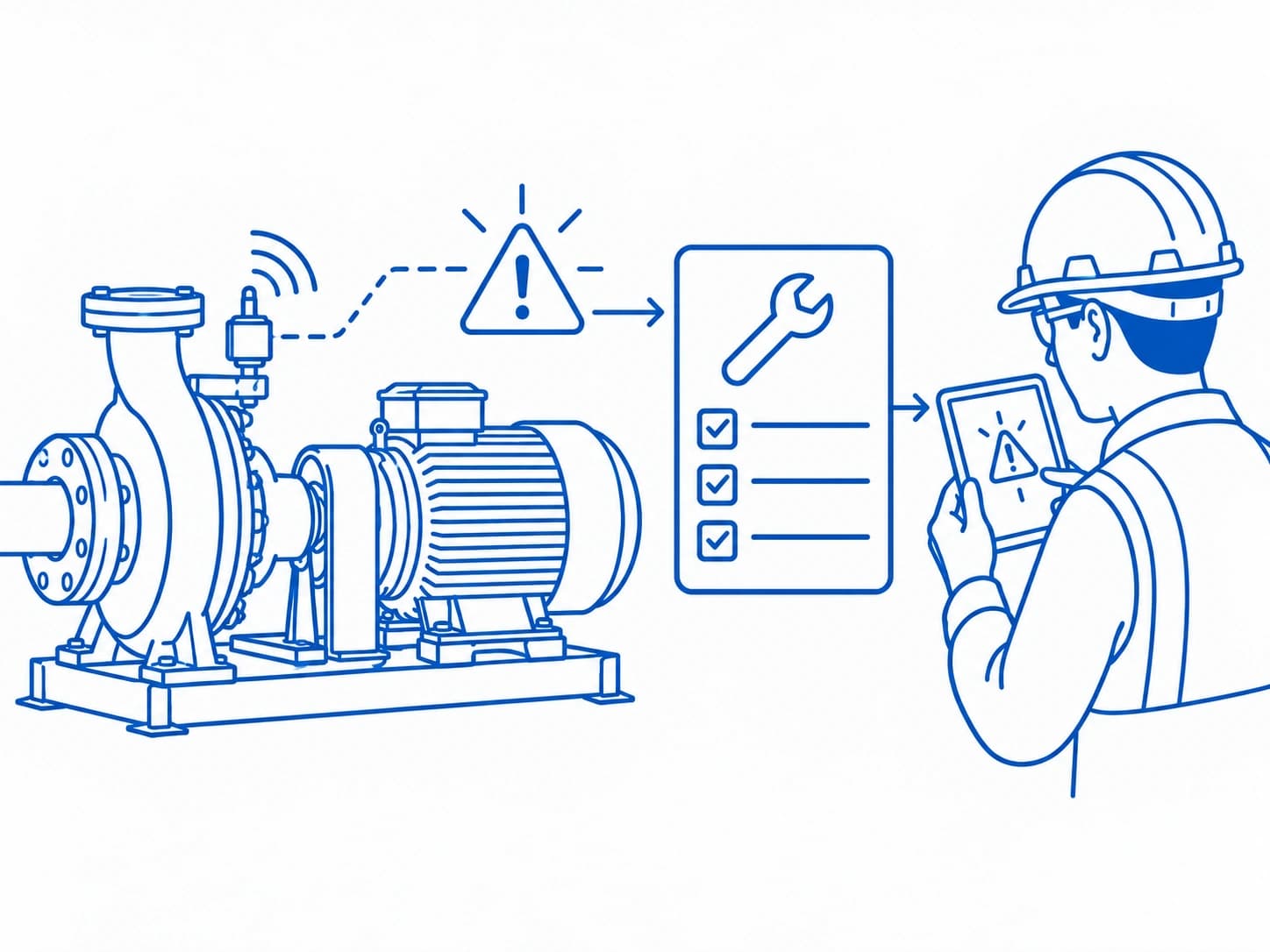
Generate risk-prioritized work orders – with tasks, skills, permits and spares - directly in CMMS/EAM & capture evidence of completed for proof of value and compliance.

Enterprise-Class Governance, Security and Scale

Enterprise-Class Governance, Security and Scale

Operate like a business: approvals and change control, model performance monitoring and rollback, secure access (RBAC/SSO, encryption, audit trails) across cloud, on-prem or VPC.

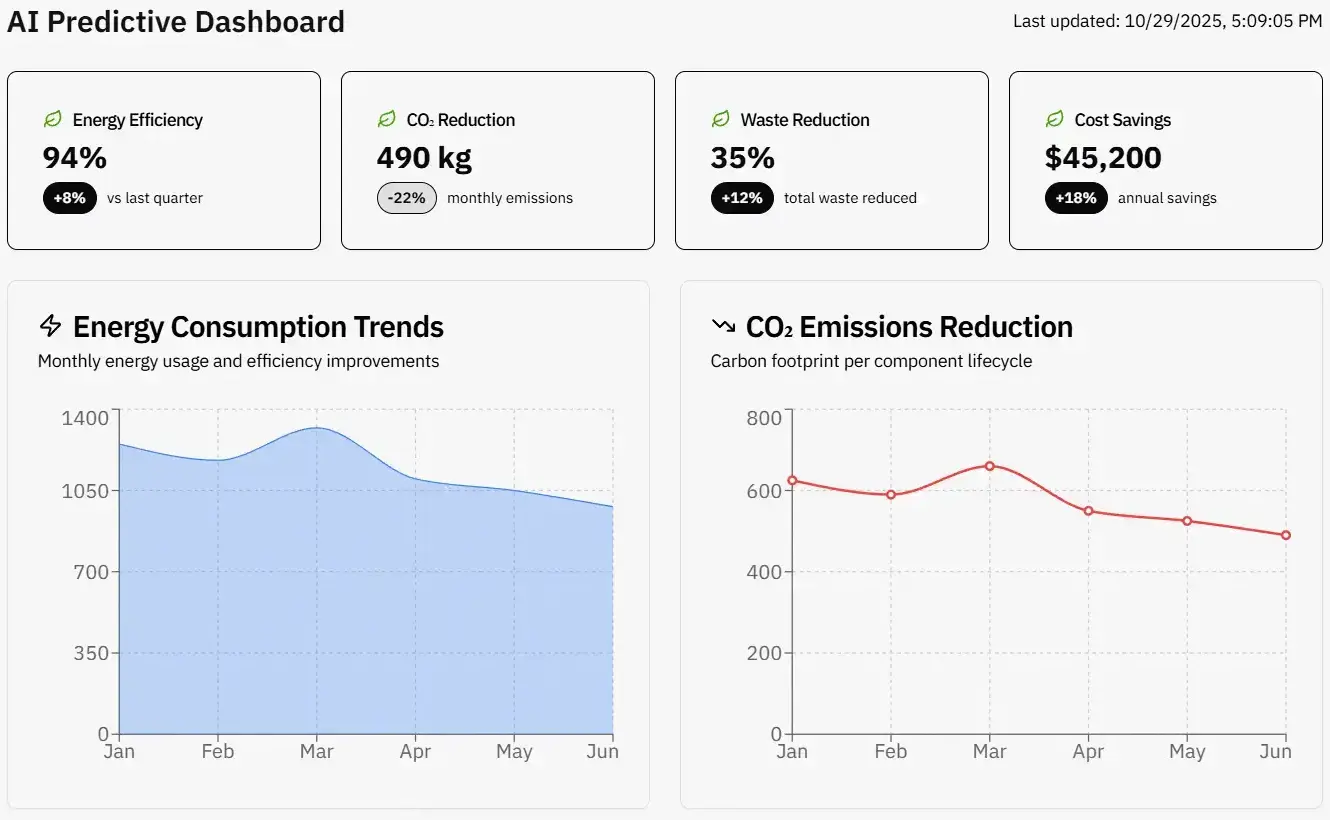
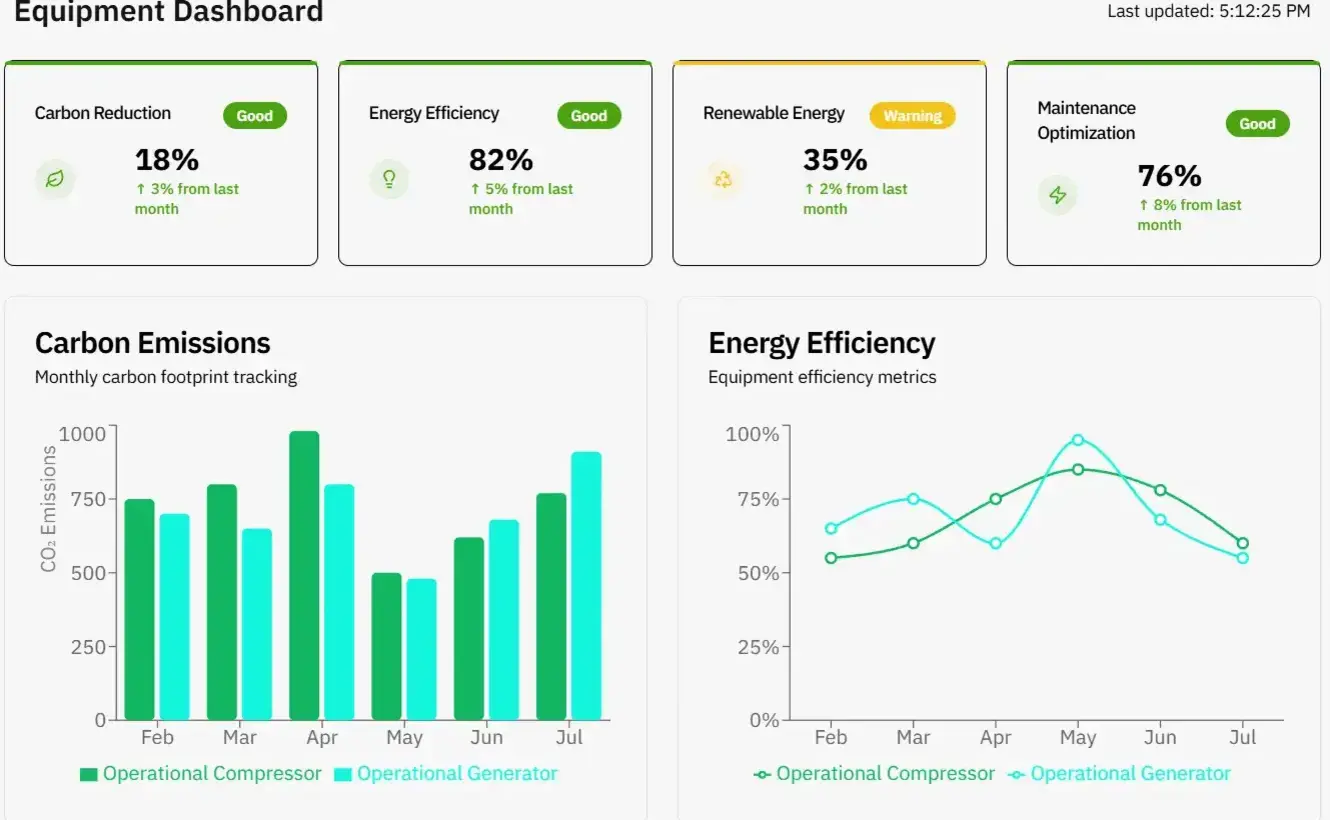
Executive KPI Dashboard

A one, board-fit snapshot of reliability, maintenance cost, production impact and program performance, so that leadership can monitor results and lay investment with complete assurance.

Reliability That Protects Revenue

View MTBF, MTTR, and avoided downtime in one view, so you can prioritize the assets and plants that put the highest production volume at risk and take action before small issues become failures.

Reliability That Protects Revenue

Predictable Cost, Controlled Risk

Track maintenance cost/asset, overtime, spares consumed and energy per unit—so you can move spend from break-fix to condition-based work with clear ROI and less surprises.

Predictable Cost, Controlled Risk

Stable Throughput and Better Quality

Track Throughput Prosecution, On Time Performance, and Scrap/Rework, ensuring operations stays planed and assets run within bounds across every shift & line.

Stable Throughput and Better Quality

Governance You Can Stand Behind

Measure model performance and drift, work-order compliance with time-to-acknowledge/repair , so you know what’s working, what needs tuning, and where the program is ready to scale.

Governance You Can Stand Behind

Business Case and Procurement Path Ready

A low-risk, structured approach to assess and scale condition monitoring with Ombrulla—backed by measurable ROI, expected total cost of ownership, and transparent governance from pilot to enterprise rollout.

Faq

Predictive maintenance (PdM) uses sensor data and analytics to predict equipment failures before they happen so teams can schedule service at the optimal time.

Preventive follows fixed intervals (calendar/usage). Predictive uses real-time condition data and models to service only when risk rises—reducing cost and downtime.

IoT sensors (vibration, temperature, electrical, pressure/flow, oil) stream data to edge/cloud analytics. Models detect anomalies, estimate Remaining Useful Life (RUL), and trigger recommended work orders.

Rotating assets (motors, pumps, fans, gearboxes, compressors), CNC/spindles, conveyors, turbines/generators, substations/switchgear, cranes/lifts, HVAC, and critical utilities.

Basic condition signals (e.g., vibration and temperature) plus operating context (speed/load, setpoints, production). You can expand to electrical, pressure/flow, and oil analysis over time.

No. Unsupervised anomaly detection provides early wins. Labeled events later improve failure-mode classifiers and RUL accuracy.

Accuracy depends on sensor quality, sampling rates, operating variability, and model maturity. Mature programs track error bands and continuously retrain.

Many pilots show avoided downtime within 6–12 weeks once data is connected and alert thresholds are tuned.

MTBF, MTTR, avoided downtime hours, alarm precision, maintenance cost per asset, spare usage/parts turns, energy per unit, scrap/rework, schedule adherence, model accuracy/drift.

Yes. By preventing unplanned stops and stabilizing processes, PdM raises availability and performance, which lifts overall equipment effectiveness (OEE).

Modern platforms connect via OPC-UA, Modbus/TCP, MQTT, and REST APIs to historians and sync recommended actions into CMMS/EAM work orders.

Yes. Edge inference enables sub-second alerts and resilience when connectivity is limited; the cloud handles fleet learning and retraining.

Look for RBAC/SSO, encryption in transit/at rest, audit logs, tenant isolation, and deployment options (cloud, on-prem, private VPC).

Manufacturing: motors/gearboxes, spindles, conveyors, ovens/furnaces Oil & Gas/Chemicals: pumps/compressors, heat exchangers, pipelines, fired heaters Utilities/Energy: turbines, substations, water/wastewater pumps, solar/inverters Mining/Metals: crushers/mills, ventilation fans, haul trucks Transport/Logistics: fleets, cranes/lifts, cold-chain equipment, rail assets

Use adaptive thresholds, multi-signal anomaly scoring, risk matrices, and SLA-based escalation so only actionable alerts reach teams.

Select a critical asset class, connect data, baseline normal behavior, tune alerts, prove avoided downtime, then template to other lines/plants.

Costs include platform subscription, sensors/gateways as needed, and optional services for deployment and change management; savings usually come from avoided downtime and reduced PM load.

Yes. Detecting degradation (e.g., misalignment, fouling, bearing wear) improves efficiency and lowers kWh per unit.

Incomplete sensing, poor data quality, lack of workflow integration, and limited change management. Address with a clear pilot scope, data validation, and CMMS/EAM orchestration.

Use baselines and Measurement & Verification (M&V) to quantify avoided downtime, cost savings, and quality gains, all linked to work orders and source data.