Ombrulla - home

Lone Worker Tracking: Real-Time Safety Monitoring That Meets Your Duty of Care

PETRAN protects your lone workers with one-tap SOS, silent duress, sensor-fusion man-down detection, timed welfare check-ins, dynamic geofencing, and satellite fallback - backed by immutable audit evidence that satisfies your legal duty of care under the UK Health and Safety at Work Act 1974, the Management of Health and Safety at Work Regulations 1999, and equivalent international frameworks.
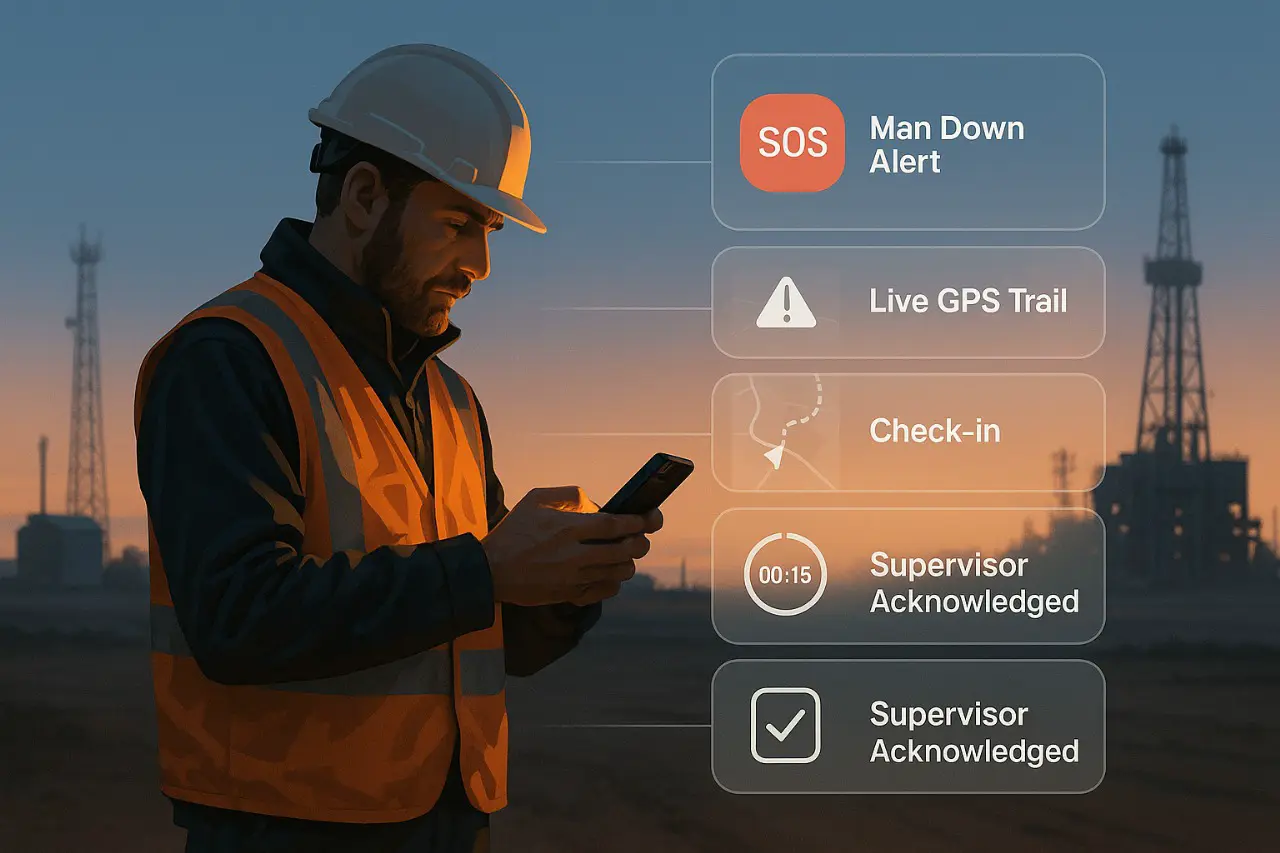

PETRAN Lone Worker Tracking Solution with real-time safety monitoring, SOS alerts, and compliance evidence

What Is Lone Worker Tracking?

  • PETRAN Lone Worker Tracking helps enterprises protect employees working alone - in remote sites, hazardous environments, after-hours rounds, customer premises, or mobile field operations - by monitoring real-time location, detecting emergencies automatically, accelerating response, and maintaining compliance-ready audit records. The platform converts the legal duty of care into a continuous, evidenced, and automated safety workflow.
  • -Real-time worker safety monitoring: tracks lone workers using GPS/GNSS for outdoor positioning, BLE for indoor and site-specific zones, and RFID/NFC for checkpoint validation.
  • -Automatic emergency detection and escalation: supports one-tap SOS, silent duress, sensor-fusion man-down detection, fall alerts, prolonged-inactivity alerts, missed welfare check-ins, and geofence-based warnings.
  • -Duty-of-care compliance evidence: maintains immutable, timestamped audit records that demonstrate lone worker safety responsibilities have been managed effectively under HSW Act 1974, ISO 45001, BS 8484:2022, and RIDDOR 2013.

The Scale of the Problem

  • Lone worker safety is not a peripheral compliance issue - it is a measurable workforce, financial, and regulatory exposure that scales with every distributed industrial operation.
124

Workers killed in work-related accidents in Great Britain (2024/25)

UK HSE Statistics 2024/25

680,000

Workers sustained non-fatal injuries at work (2024/25)

UK HSE Statistics 2024/25 (Labour Force Survey)

642,000

Workplace violence incidents recorded in England and Wales (2023/24)

Crime Survey for England and Wales (CSEW) 2023/24

£22.9bn

Estimated annual cost of workplace injuries and ill health in the UK

UK HSE Statistics 2024/25

How PETRAN Protects Lone Workers - Eight Core Capabilities

  • PETRAN delivers eight enterprise-grade safety capabilities in a single platform - engineered to protect workers across the full operational spectrum from urban field service to remote offshore operations and hazardous-area industrial sites.
SOS and Silent Duress Icon

Instant SOS and Silent Duress

PETRAN enables immediate emergency alerts with live worker location, contextual incident data, and two-way response confirmation. Workers can trigger a visible SOS in life-threatening situations, or a covert silent duress PIN when confrontation, hostage, or sensitive situations require discreet alerting - protecting the worker without escalating risk in real time.

Man-Down Detection Icon

Man-Down Detection

PETRAN detects falls, impact events, and prolonged inactivity using multi-sensor fusion across accelerometer, gyroscope, and barometer - auto-escalating when the worker cannot respond. Adaptive thresholds and a configurable grace period eliminate the false-alarm fatigue that derails most fall-detection deployments, while ensuring genuine emergencies trigger rapid response.

Location and Geofencing Icon

Location and Geofencing

PETRAN tracks worker location seamlessly across indoor and outdoor environments using GPS/GNSS, BLE proximity, and RFID/NFC checkpoints - supporting faster emergency response, restricted-zone enforcement, and dwell-time monitoring for high-risk areas. The system maintains a continuous breadcrumb trail for investigation, evidence, and route optimisation.

Check-Ins and Playbooks Icon

Check-Ins and Playbooks

PETRAN automates welfare check-ins and escalation workflows so safety supervisors are never relying on memory or manual scheduling. Each role and risk level has its own check-in cadence; missed check-ins trigger configurable escalation through SMS, app notification, supervisor call, and emergency response - all logged for audit.

Connectivity Icon

Resilient Connectivity

Lone worker incidents often occur precisely where conventional cellular coverage fails. PETRAN maintains safety coverage even in low-network, remote, or offshore areas through a layered connectivity stack - automatically selecting the best available channel and storing events locally when none is available, with conflict-safe sync the moment connectivity returns.

Security Icon

Security and Privacy

PETRAN protects worker data through policy-based tracking that respects both privacy and duty-of-care obligations. On-duty-only tracking, role-based access to location data, configurable retention rules, and worker transparency controls ensure the platform satisfies GDPR, regional privacy frameworks, and union or works-council concerns - without compromising safety.

Communications Icon

Two-Way Communications

During an incident, communication latency is the most common cause of escalation. PETRAN enables immediate two-way contact between worker and supervisor through in-app chat, auto-dial calls, and pre-defined response templates - every interaction logged into the incident timeline for full traceability and post-incident review.

Analytics Icon

Analytics and Compliance

PETRAN provides operations and HSE leaders with full visibility into safety performance and compliance posture through role-based dashboards. Continuous device health monitoring, response SLA tracking, and false-alarm analytics drive measurable, evidence-based improvement in lone worker programme effectiveness - supporting ISO 45001 surveillance audits and internal governance reviews.

Hardware: Any Device, Any Environment, One Lone Worker Platform

  • PETRAN is engineered to support every worker, every environment, and every risk profile through a unified device-agnostic platform - combining best-of-breed wearables, smartphones, badges, and satellite communicators without locking enterprises into a single hardware vendor.

Mobile Application

A ruggedised iOS and Android application that turns any smartphone into a fully featured lone worker safety device. Supports SOS alerts, sensor-fusion man-down detection, welfare check-ins, GPS and geofencing, in-app chat, and complete offline operation - with fast enterprise deployment through MDM platforms including Microsoft Intune, VMware Workspace ONE, and Jamf.

Mobile Application Icon

BLE Panic Badges and Beacons

Wearable BLE panic badges allow workers to trigger emergency alerts instantly without unlocking a phone - critical in confrontational situations or when hands are occupied. Fixed BLE beacons provide indoor location tracking in plant rooms, basements, ship interiors, and any environment where GPS is unavailable, enabling continuous worker visibility across the full site footprint.

BLE Panic Badges Icon

RFID and NFC Worker IDs

RFID and NFC cards provide simple tap-based presence verification at gates, checkpoints, plant rooms, and vehicle handover points. Each tap creates a timestamped, immutable record - supporting patrol verification, entry and exit logs, contractor accountability, and the audit evidence required for ISO 45001, BS 8484, and CDM 2015 compliance reviews.

RFID/NFC Worker IDs Icon

Satellite Communicators

Satellite-enabled devices provide emergency SOS and location tracking for workers operating beyond cellular coverage - offshore platforms, remote pipeline inspection, rural utility work, and wilderness operations. PETRAN merges satellite and cellular location data into a single continuous worker movement trail using Iridium and Globalstar networks, eliminating coverage gaps that have historically left lone workers unprotected.

Satellite Communicators Icon

Standards Compliance: Built for the Regulations That Govern Lone Worker Safety

  • PETRAN is engineered around the regulatory and standards frameworks that define enterprise lone worker safety - providing the automated monitoring, response, and evidence capabilities that auditors, regulators, and customers require.

BS 8484:2022 - Provision of Lone Worker Device Services

The British Standard defining requirements for lone worker device services and Alarm Receiving Centre (ARC) integration. PETRAN aligns with BS 8484 across response time standards, evidence capture requirements, and device capability specifications. BS 8484-aligned deployment configurations including ARC integration options are available - speak to Ombrulla for the configuration appropriate to your operational risk profile.

ISO 45001 - Occupational Health and Safety

ISO 45001 Clause 8.1.3 (Elimination of Hazards and Reduction of OH&S Risks) requires documented operational controls for worker activities in remote or isolated environments. PETRAN's immutable check-in logs, SOS records, and escalation audit trails provide the objective evidence required for both ISO 45001 surveillance and certification audits - without dependence on manual record-keeping.

Health and Safety at Work Act 1974 / MHSWR 1999

PETRAN directly supports compliance with both the primary duty under the Health and Safety at Work Act 1974 and the risk-assessment requirement under the Management of Health and Safety at Work Regulations 1999 - providing automated monitoring, emergency response capability, and a timestamped evidence trail that demonstrates the employer has maintained the monitoring arrangements required for lone worker risk mitigation.

ATEX Directive / IECEx

For lone workers in hazardous area classifications - oil and gas Zone 1/2, petrochemical plants, grain handling, and chemical processing - PETRAN supports integration with ATEX and IECEx-certified wearable devices. The platform's device-agnostic architecture connects certified hardware to PETRAN through the unified device ingestion layer without custom development.

RIDDOR 2013

When an incident occurs involving a lone worker, PETRAN's automatically generated incident record provides the complete timeline, location data, sensor readings, and contextual information required for RIDDOR reporting - reducing investigation time from days to hours, ensuring reporting deadlines are met, and providing a defensible record if regulatory enquiry follows.

CDM 2015 (Construction)

Under CDM 2015, principal contractors are responsible for the safety of every worker on site, including lone workers and contractors. PETRAN's CDM 2015 deployment provides worker induction verification, zone access control aligned to the construction phase plan, lone worker check-in monitoring, and CDM competency evidence for handover documentation.

How PETRAN Compares: Lone Worker App vs GPS Tracker vs Dedicated Device

How PETRAN Compares: Lone Worker App vs GPS Tracker vs Dedicated Device
CapabilityBasic GPS TrackerDedicated Lone Worker DevicePETRAN Lone Worker Platform
SOS / panic buttonNone - GPS trackers do not provide emergency alerting.Manual SOS button only; no covert duress option.One-tap SOS plus silent duress PIN, two-way confirmation, and satellite fallback.
Man-down / fall detectionNone - passive location only.IMU-based on device - single sensor, fixed thresholds.Sensor fusion (accelerometer + gyroscope + barometer) with adaptive thresholds and confidence scoring.
Geofencing and zone controlBasic polygon geofences; entry/exit only.Limited - no dwell timers or nested zones.Polygonal and nested geofences, dwell timers, high-risk zone enforcement, and no-go zones.
Indoor positioningNone - GPS only.BLE on some dedicated devices.BLE proximity indoors, RFID/NFC checkpoint tap-ins, seamless indoor/outdoor handoff.
Satellite connectivityNone - cellular only.Optional on premium dedicated devices.Iridium and Globalstar integration; PETRAN merges satellite and cellular trails seamlessly.
Offline / store-and-forwardNone - events lost if cellular fails.Limited buffer on dedicated device.Full offline-first: every event cached locally and synchronised on reconnect - no event loss.
Enterprise CMMS / EHS integrationNone - closed platform.None - proprietary vendor cloud dashboard only.IBM Maximo HSE, SAP EHS, ServiceNow, Jira, Microsoft Teams, and webhook integrations.
Legal audit trail (BS 8484 / ISO 45001)Basic location log only.Check-in logs and SOS records.Immutable timestamped trail: location, check-ins, SOS, duress, escalation actions, and communications.
Gas monitoring convergenceNone.None - separate standalone device required.Lone worker safety and gas exposure monitoring unified on the PETRAN platform.
Agentic AI workflow automationNone.None.PETRAN agentic AI: missed check-in → auto-escalation → CMMS work order → response crew dispatch, fully automated.

Industry Applications

  • PETRAN Lone Worker Tracking is deployed across multiple industry verticals - each configuration aligned to the specific regulatory frameworks, environmental hazards, and operational realities of the sector. The four primary verticals are detailed below.
Lone worker safety for oil and gas operations

Oil and Gas

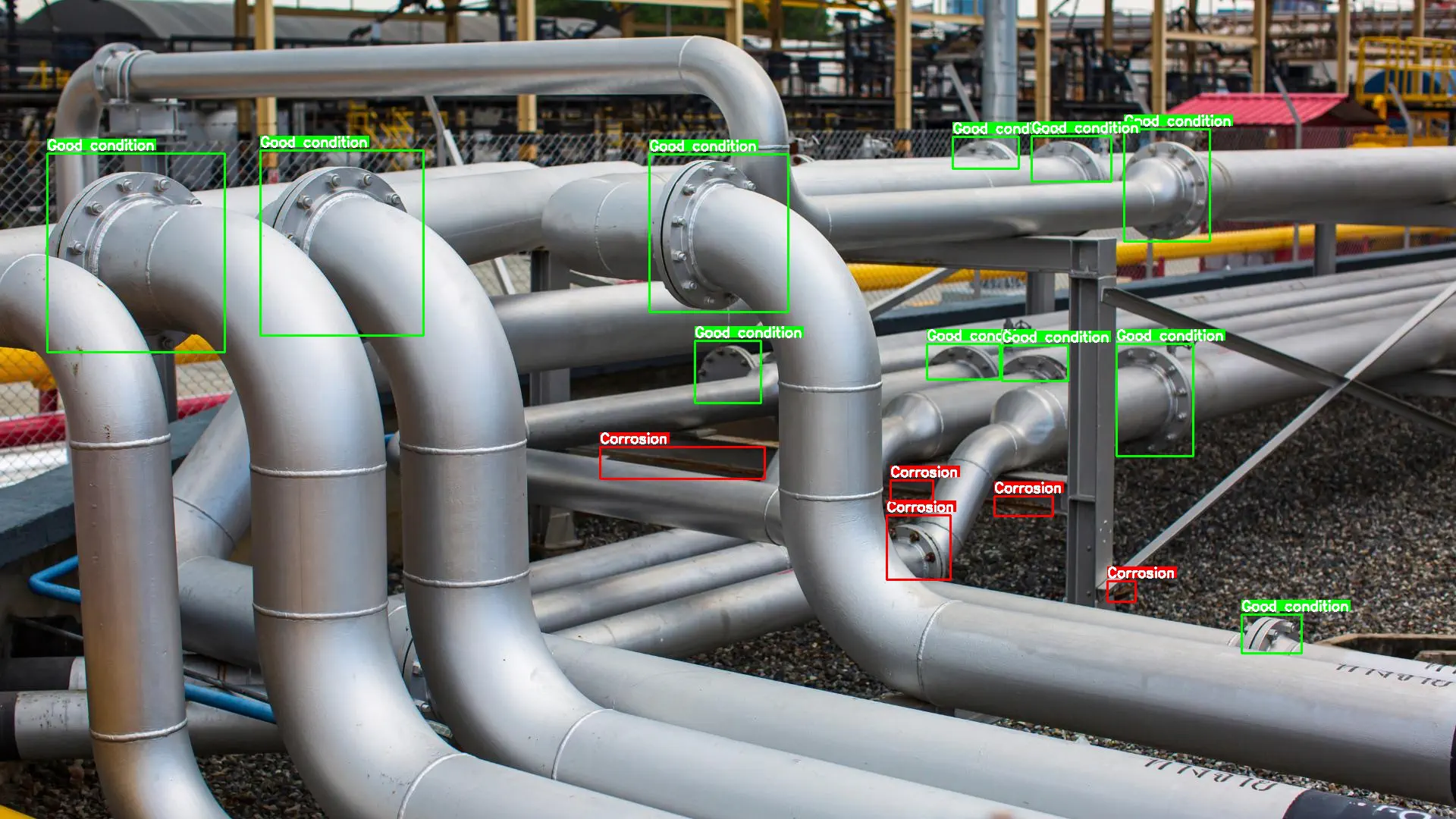
PETRAN protects lone workers across hazardous and remote oil and gas environments through real-time GPS and satellite tracking, ATEX/IECEx-certified hardware support, integrated gas-exposure monitoring, digital permit-to-work validation, and satellite fallback connectivity for offshore and remote pipeline operations.
Lone worker safety for oil and gas
Lone worker safety for construction sites

Construction

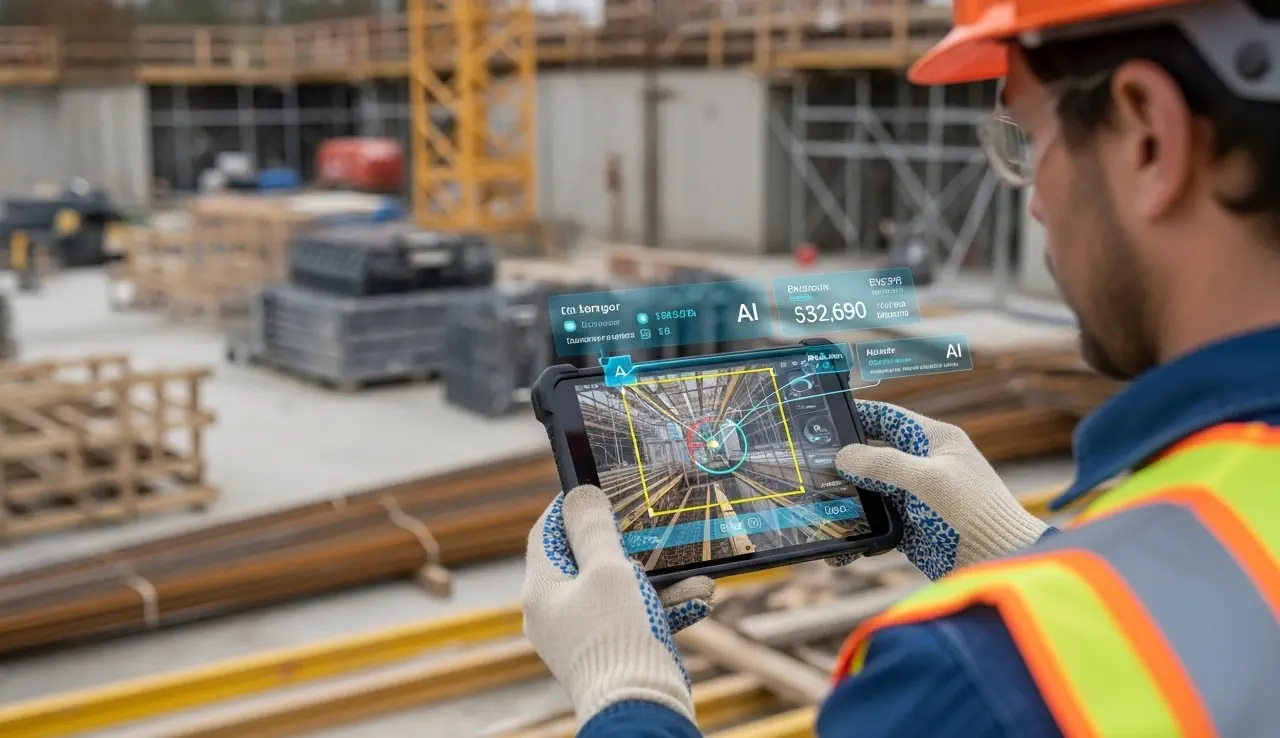
PETRAN helps principal contractors monitor lone workers and contractors across dynamic, evolving construction sites with role-based check-ins, sensor-fusion man-down alerts, dynamic geofencing aligned to the construction phase plan, patrol verification through NFC checkpoints, and CDM 2015-aligned audit evidence for handover documentation.
Lone worker safety for construction
Lone worker safety for maritime operations

Maritime

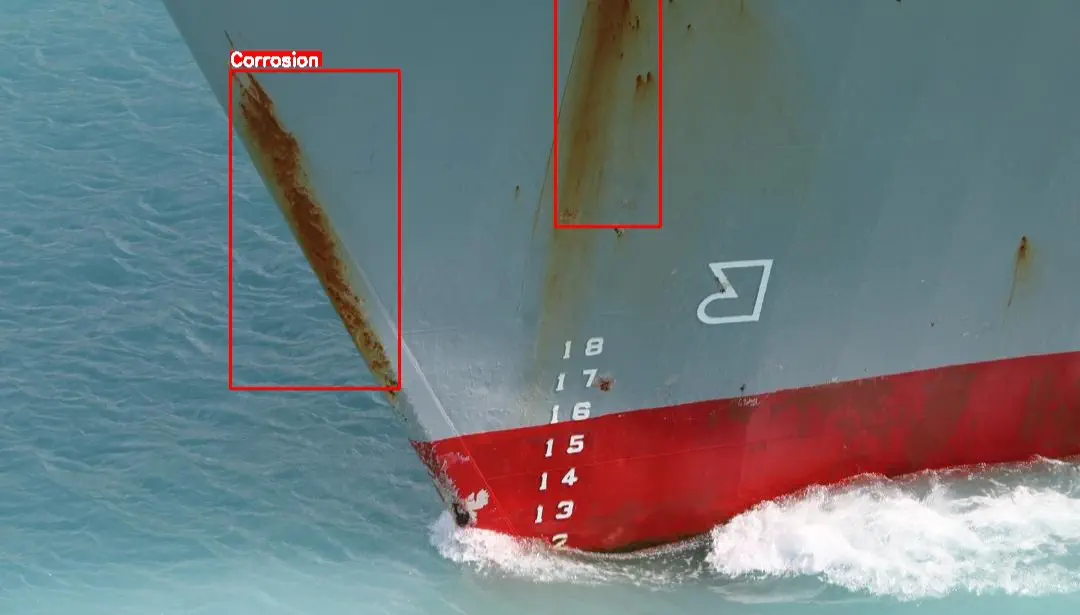
PETRAN enables reliable lone worker safety on vessels, in dockyards, and across below-deck environments where GPS is unavailable - using BLE indoor positioning, BLE panic badges, muster verification through NFC checkpoints, and satellite or LTE-M connectivity for safety coverage that holds up in port, at sea, and through harbour transitions.
Lone worker safety for maritime
Lone worker safety for utilities

Utilities

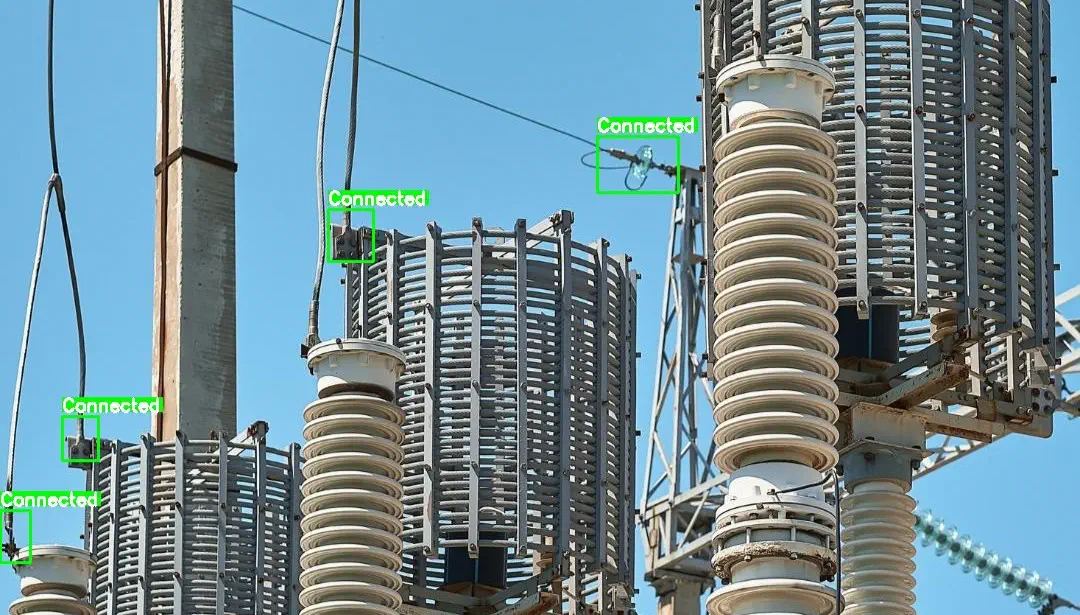
PETRAN supports field crews working alone across substations, overhead lines, water treatment sites, and customer premises with offline-first GPS tracking, geofenced access control, silent duress for confrontational situations, and storm-mode escalation protocols for severe weather response - all aligned with industry regulatory frameworks.
Lone worker safety for utilities

Lone Worker Tracking 8-Step Implementation on PETRAN

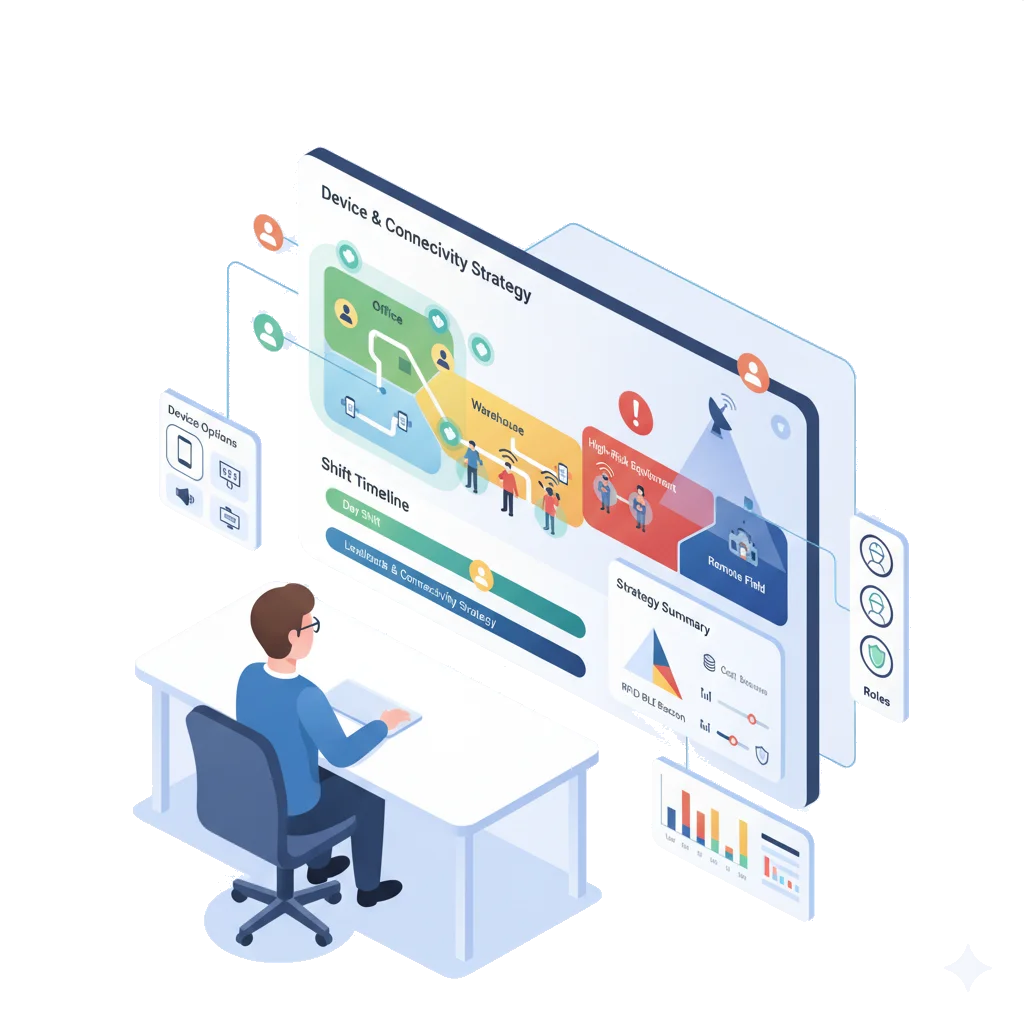
  • A structured, stage-wise deployment methodology that ensures rapid pilot validation, seamless integration with existing enterprise systems, and scalable enterprise rollout across multiple sites and worker populations - without disrupting operations or compliance posture.

Frequently Asked Questions

What is a lone worker tracking app?

A lone worker tracking app is a worker safety application that uses real-time location monitoring, automated emergency detection, and structured welfare check-ins to protect employees who work without direct supervision - and to provide employers with documented evidence to demonstrate legal duty-of-care compliance. Under UK law (HSW Act 1974 and MHSWR 1999), employers must manage the risks to lone workers, which requires monitoring systems that include regular contact at pre-agreed intervals and a means for the worker to signal for help. A lone worker tracking app discharges these duties through GPS location, SOS and panic alerts, man-down detection, timed check-ins with auto-escalation, and immutable audit trails. PETRAN is Ombrulla's industrial-grade lone worker tracking platform, deployed across oil and gas, construction, maritime, utilities, manufacturing, and facilities management.

How does a lone worker safety app improve worker protection?

A lone worker safety app improves worker protection through three connected mechanisms: faster emergency detection, faster response, and better evidence. Detection includes one-tap SOS, silent duress PIN, sensor-fusion man-down detection, and missed check-in escalation - surfacing the emergency the moment it begins rather than after a colleague notices something is wrong. Response transmits live GPS location, battery level, sensor context, and worker history through redundant network channels with two-way acknowledgement. Evidence captures every event in an immutable, timestamped audit trail for HSE investigation, regulatory reporting, and compliance review under BS 8484 and ISO 45001.

What features should I look for in a lone worker app?

When evaluating lone worker apps, ten capabilities matter most: one-tap SOS and silent duress alerts; sensor-fusion man-down detection (not single-sensor); timed welfare check-ins with auto-escalation; live GPS tracking with polygonal geofencing; offline-first operation with conflict-safe sync; satellite fallback connectivity for remote and offshore operations; immutable audit trails aligned to ISO 45001 and BS 8484:2022; enterprise integration with CMMS, EHS, HRIS, and MDM platforms; on-duty-only tracking and role-based privacy controls; and no-code workflow configuration so operations teams can adapt the platform without developer support. PETRAN delivers all ten capabilities in a single integrated platform.

Does the lone worker tracking app work offline or in low signal?

Yes. PETRAN is engineered with an offline-first architecture that stores all events - locations, check-ins, alerts, sensor readings - in encrypted local storage when connectivity is unavailable, then synchronises with conflict-safe logic when the network returns. The platform supports a layered connectivity stack: LTE and 5G for normal coverage, LTE-M and NB-IoT for low-signal industrial environments, and satellite (Iridium, Globalstar) for remote, offshore, or wilderness operations. This combination ensures lone workers remain protected and incidents remain documentable across every environment they operate in - without coverage gaps that historically left workers unprotected.

How does SOS and silent duress work in a lone worker app?

SOS is triggered through the mobile app, a BLE panic badge, or a hardware button - instantly transmitting GPS location, battery level, and incident context to designated responders through redundant network channels, with two-way acknowledgement confirming the alert was received. Silent duress uses a covert PIN that the worker enters instead of their normal unlock code - to bystanders the device looks like normal app activity, but supervisors receive an immediate silent alert with full context. Silent duress is essential in confrontational, hostage, or sensitive situations where a visible SOS would escalate the threat to the worker.

Can the app detect falls or inactivity (man-down)?

Yes. PETRAN uses multi-sensor fusion across accelerometer, gyroscope, and barometer to detect fall events with high accuracy - combining vertical-velocity profile, impact force, and post-event orientation to distinguish genuine falls from normal activity. After detection, a configurable grace period allows the worker to cancel a false trigger before auto-escalation; if the worker does not respond, an SOS escalates automatically with full incident context. Prolonged-inactivity monitoring also triggers alerts when worker movement stops beyond a defined threshold, catching incapacitation events that do not involve a measurable fall.

What is geofencing in a worker safety app?

Geofencing in a worker safety app creates virtual boundaries around physical zones - high-risk areas, no-go zones, attendance areas, restricted hazardous classifications - that trigger automatic alerts when workers enter, exit, or dwell beyond a defined duration. PETRAN supports polygonal geofences (arbitrary shapes), nested geofences (zones within zones), and time-window geofencing (different rules at different shift times). The capability enables proactive risk control: workers entering a permit-required area without an active permit can be alerted immediately, and supervisors gain visibility into who is in which hazardous zone in real time.

How is worker privacy handled in lone worker tracking?

PETRAN treats worker privacy as a first-class design principle rather than an afterthought. The platform supports on-duty-only tracking (location data is captured during defined shift windows and stopped automatically afterwards), role-based access (only authorised supervisors can view worker positions), configurable data retention (raw location data retained only for the duration required by regulation and risk policy), worker transparency (workers can view their own data and tracking status), and regional data residency to comply with GDPR, CCPA, and equivalent privacy frameworks. Privacy controls are configurable per worker group and per region to satisfy union and works-council requirements.

Which devices and hardware are supported?

PETRAN supports a comprehensive ecosystem of safety hardware: iOS and Android smartphones (the most cost-effective starting point), BLE panic badges from leading manufacturers, fixed BLE beacons for indoor positioning, RFID and NFC checkpoint tags, ATEX and IECEx-certified wearables for hazardous areas, satellite communicators from Iridium and Globalstar networks, and integrations with existing personal gas detectors. The platform's device-agnostic architecture means new device types can be added through the unified ingestion layer without custom development - protecting existing hardware investment as the safety programme scales.

Can we integrate the lone worker tracking app with our systems?

Yes. PETRAN integrates bidirectionally with enterprise CMMS and EAM systems (IBM Maximo, SAP EHS, Infor EAM, ServiceNow), HRIS for worker identity and certification (Workday, SuccessFactors, BambooHR), MDM for app deployment (Microsoft Intune, VMware Workspace ONE, Jamf), EHS platforms for incident records and CAPA workflows, and messaging tools (Microsoft Teams, Slack) for escalation notifications. Integrations use REST APIs, webhooks, and pre-built connectors. The objective is for safety alerts, incidents, and worker data to flow automatically across the enterprise stack - eliminating manual re-entry and ensuring every system holds an accurate, current record.

How does the system reduce false alarms?

False alarms erode trust and cause real emergencies to be missed. PETRAN reduces false alarms through four mechanisms deployed together. Adaptive thresholds tune fall-detection sensitivity to the worker's activity profile rather than a fixed industry default. Grace periods give the worker the opportunity to cancel a false trigger before escalation. Confirmation prompts require explicit response on benign incidents before escalation completes. And analytics-driven tuning continuously refines thresholds based on real false-alarm patterns observed across the customer's specific environment. The result is genuine emergencies escalate fast while false alarms are filtered out before they reach the response team.

Will lone worker tracking drain battery on worker phones?

No. PETRAN is engineered for minimal battery impact through adaptive GPS sampling (sampling rate adjusts to worker movement state), batched data synchronisation (multiple events grouped into single network transmissions), efficient BLE scanning (duty-cycled to minimise radio time), and intelligent network selection (preferring lower-power channels when sufficient). In typical field use, PETRAN consumes only 5–10% of phone battery across an 8-hour shift - comparable to a messaging app - leaving plenty of headroom for the worker's other operational applications and overnight standby if required.

What industries benefit most from a lone worker safety app?

Lone worker safety apps deliver the highest value in industries where workers routinely operate alone, in hazardous environments, or beyond direct supervision. Primary verticals include oil and gas (offshore platforms, pipeline inspection, remote well sites), construction (multi-site contractors, after-hours work, hazardous-area trades), maritime (vessel crews, dockyards, below-deck operations), utilities (substations, overhead lines, customer premises, water treatment), manufacturing (after-hours shifts, hazardous-area roles, contractor management), facilities management (security, cleaning, maintenance), healthcare (community nurses, home visits), logistics (drivers, delivery agents), mining, and agriculture - all environments where lone worker risk is statistically elevated.

How fast can we deploy a lone worker app?

Deployment timelines depend on scope. A mobile-only pilot for a small worker group can go live in 1–3 days once mobile devices are available - configure check-in schedules, enrol workers via MDM, train the team, and run the first emergency drill. A single-site enterprise deployment covering 100–500 workers typically takes 4–8 weeks, including risk profiling, policy design, device strategy, configuration, pilot validation, and integration. Multi-site enterprise rollouts add 2–4 weeks per additional site after the first site is stable. Ombrulla provides a structured 8-step methodology that compresses deployment time while protecting compliance posture.

Is the solution compliant and audit-ready?

Yes. PETRAN provides a complete, immutable audit trail of every safety event - location, check-ins, SOS, duress, sensor readings, response actions, and supervisor communications - timestamped and tamper-evident. The platform supports compliance with the UK Health and Safety at Work Act 1974, Management of Health and Safety at Work Regulations 1999, RIDDOR 2013, BS 8484:2022, ISO 45001 (specifically Clause 8.1.3), CDM 2015 for construction, and equivalent regional frameworks. Quarterly compliance evidence packs are generated automatically and exportable for audit submission, regulatory enquiry, or insurer review.

How is lone worker tracking data secured?

PETRAN protects lone worker data with enterprise-grade security across every layer. Data in transit is encrypted using TLS 1.3; data at rest uses AES-256 encryption. Access control combines single sign-on (SSO), multi-factor authentication (MFA), role-based access control (RBAC), and MDM enforcement on mobile devices. Regional data residency options support GDPR, CCPA, and sector-specific requirements. Complete audit logging captures every data access for compliance review. Deployment options span public cloud, private cloud, on-premises, and hybrid - supporting the security and residency requirements of regulated industries and government customers.

Can supervisors communicate with lone workers through the app?

Yes. PETRAN supports multiple two-way communication channels designed for incident response: in-app chat between worker and supervisor (text and image), one-tap auto-dial calls, pre-defined templated responses for common scenarios (acknowledged, on my way, request additional support), and group broadcast for multi-worker incidents. Every interaction is logged in the incident timeline with timestamp and full traceability - supporting both real-time response coordination and post-incident review. The communication layer integrates with Microsoft Teams and Slack for organisations that prefer their existing collaboration tools.

What is the difference between a worker safety app and a GPS tracker?

A GPS tracker only shows where a worker is located. A worker safety app extends location tracking with the full suite of capabilities that genuine duty-of-care monitoring requires: SOS and silent duress alerts, sensor-fusion man-down detection, timed welfare check-ins with auto-escalation, two-way communication, geofencing with restricted-zone enforcement, satellite fallback, offline operation, and immutable audit trails aligned to BS 8484 and ISO 45001. The distinction matters legally: a GPS tracker does not discharge an employer's lone worker monitoring duties under HSW Act 1974 or MHSWR 1999 - a properly configured worker safety platform does.