Ombrulla logo

Industrial Solutions for Uptime, Quality, and Safety

Look, if you're buried in repeat rework, late defect catches, and maintenance backlogs that won't budge, you're not alone—I've watched it tank too many ops. Ombrulla's AI and IoT solutions hook straight into your inspection, reliability, and safety tools, slamming issues from 'spotted' to 'sorted' in record time.

What this page is for

This page helps you find the right industrial AI solutions for your plant or site. It is a hub, so each section is short and links to the full solution page.

If you are dealing with recurring defects, unplanned downtime, slow work-order closure, or safety incidents that turn into paperwork, start here.

You will see our AI and IoT solutions and where each one fits in real operations. If you want, we can start with a small pilot and measure the before/after.


Why Ombrulla solutions matter

Most AI pilots spot problems, but nothing changes on the floor. Alerts show up, teams stay busy, and issues don’t get closed. Ombrulla builds industrial AI solutions that push work forward, not just insight.

Where AI projects usually fail in operations :

  • Works in a pilot, then breaks in real conditions
  • Too many alerts, no clear owner
  • Not connected to CMMS/EAM, MES, ERP, or EHS
  • Audit evidence ends up scattered

What we do differently :

We start with the workflow. Our AI and IoT solutions connect signals to action:

  • tickets and work orders with evidence
  • routing, approvals, and traceable logs

What you can expect

You should see changes in numbers you already track: defects, downtime, closure time, and safety response. Results depend on your baseline, so we focus on what can be measured and repeated.

Typical improvements

Reduced Defects, Rework, and Escapes

Improves quality outcomes by identifying issues earlier and preventing defects from reaching later stages or customers.

Minimized Unplanned Downtime and Firefighting

Enables proactive interventions that reduce unexpected failures and reactive maintenance efforts.

Faster Work Order and Incident Closure

Streamlines workflows and decision-making, allowing teams to resolve issues more efficiently.

Clear and Traceable Audit Evidence

Maintains transparent records of actions taken, including clear visibility into who acted and when.

Improved Safety Response with Clean Timelines

Ensures timely and well-documented safety actions, supporting quicker responses and accurate reporting.

Key Benefits of Ombrulla Solutions for Enterprise Operations

Reduce downtime and maintenance backlog

You catch issues earlier and route them to the right owner with context. Less firefighting, fewer repeat breakdowns, and fewer work orders stuck in “open” for weeks

Prevent defects and quality escapes

Inspection stays consistent across shifts. When something is flagged, the evidence is saved and the next step is clear, so defects do not travel downstream unnoticed.

Improve safety response and compliance evidence

Alerts are useful only if they trigger action. We help teams respond faster and keep a clean timeline of what happened, when it happened, and what was done.

Standardise execution across sites

You get one way to capture evidence and close the loop, even if each site runs a little differently. That makes audits simpler and rollouts easier.


Platforms behind the solutions

Two platforms sit under most of what we deliver.

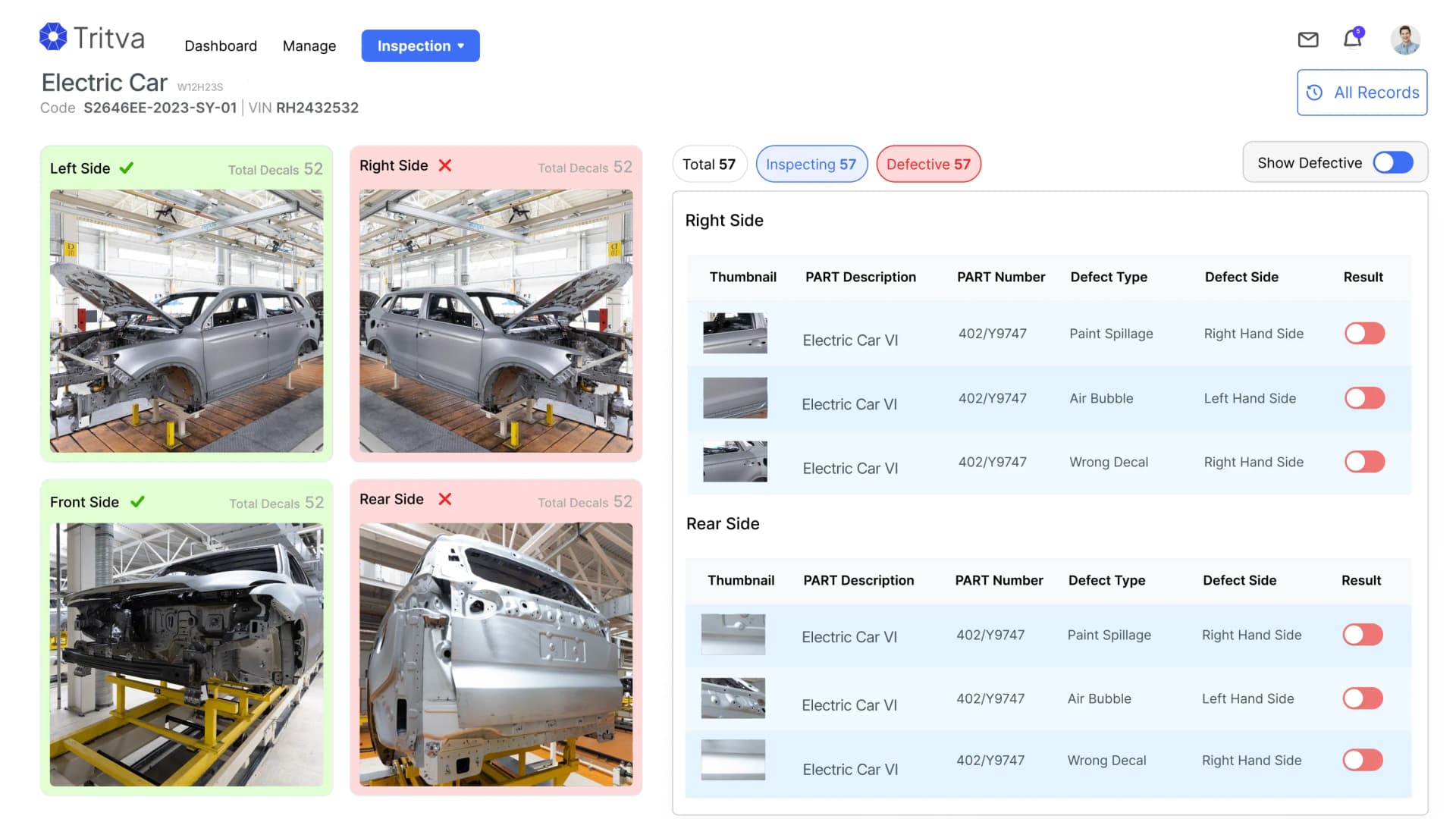
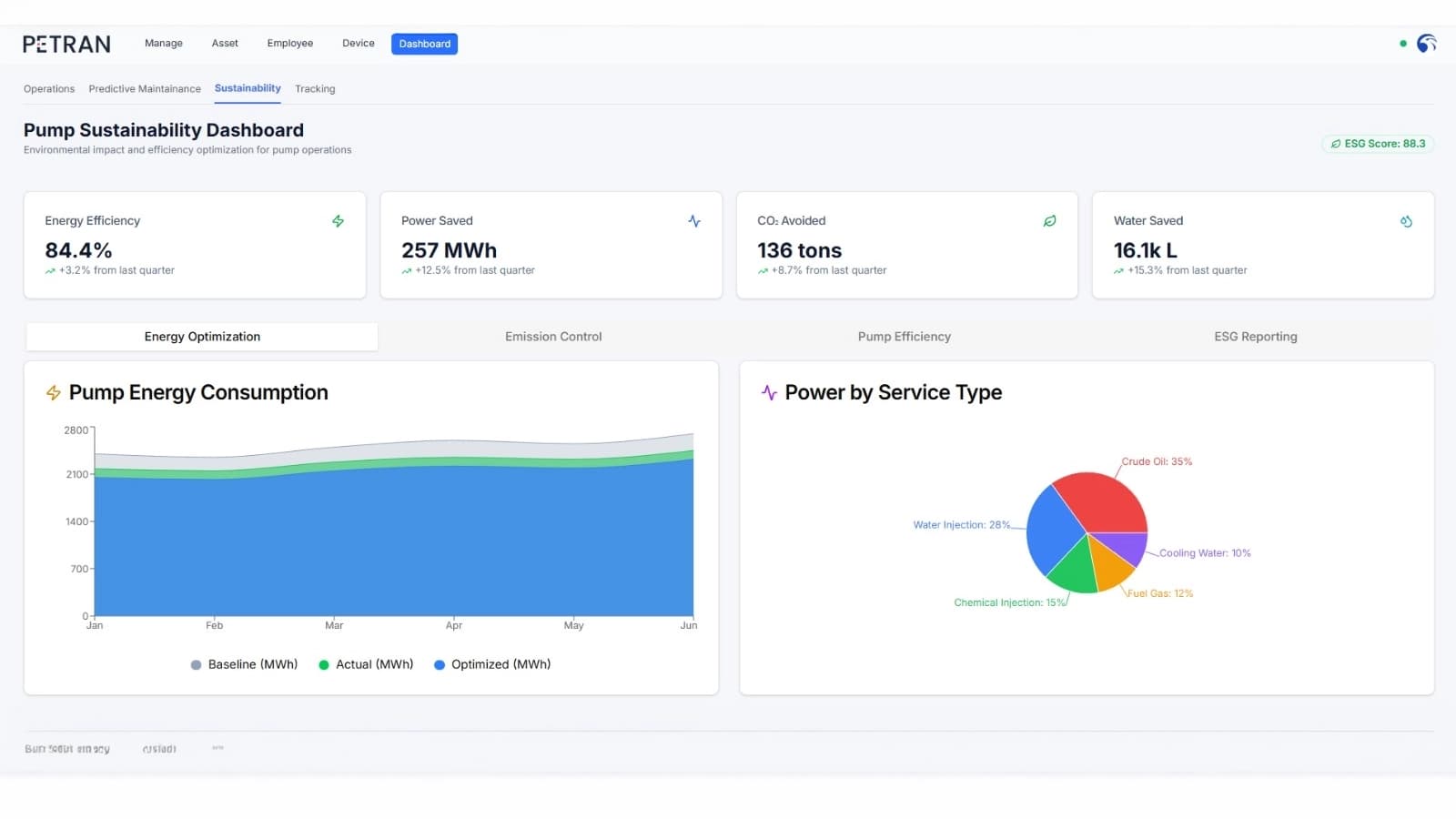
Tritva handles visual inspection where decisions have to be fast and consistent. PETRAN is the backbone that connects edge signals to cloud context and routes outcomes into day to day work.

Tritva (AI Visual Inspection Platform)

Tritva (AI Visual Inspection Platform)

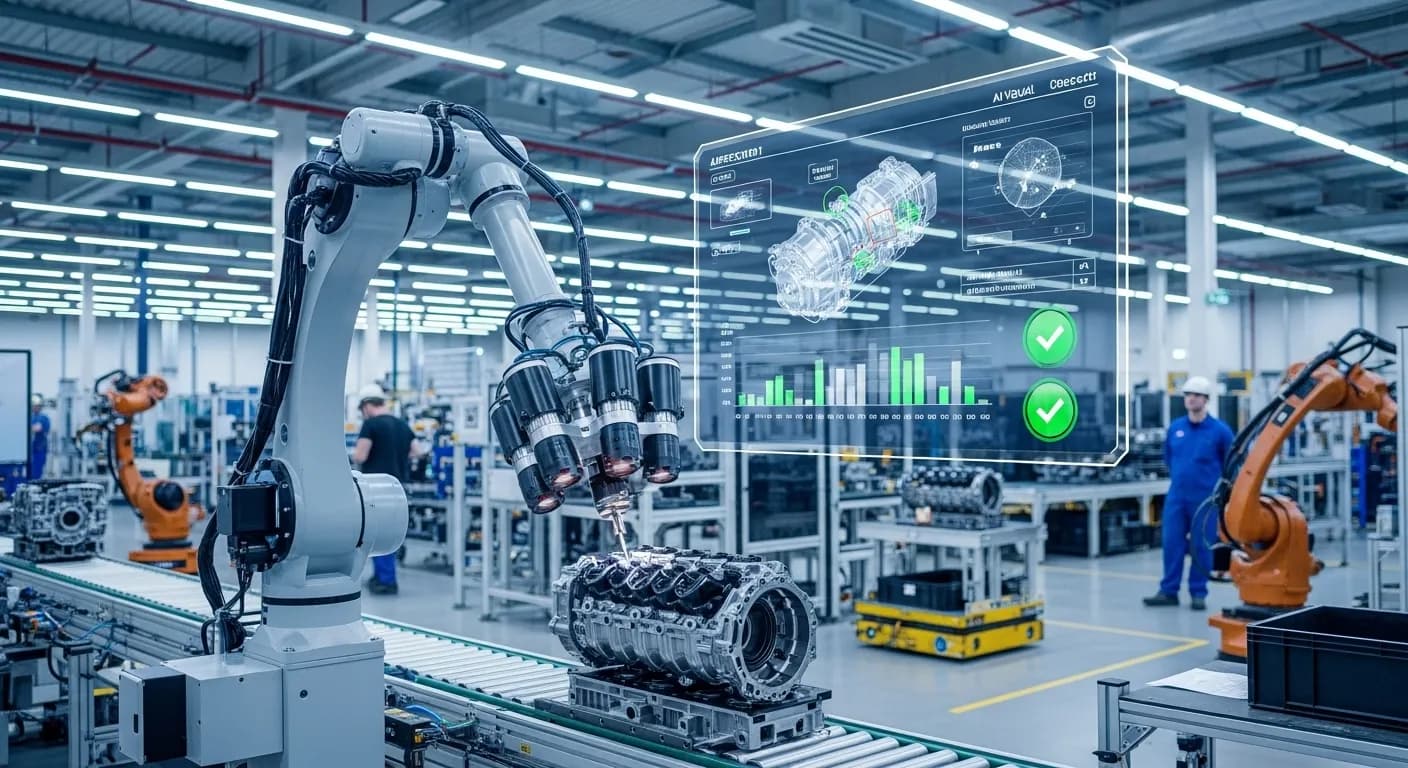
Use Tritva when quality checks cannot depend on who is on shift, or when defects need to be caught before they travel downstream.

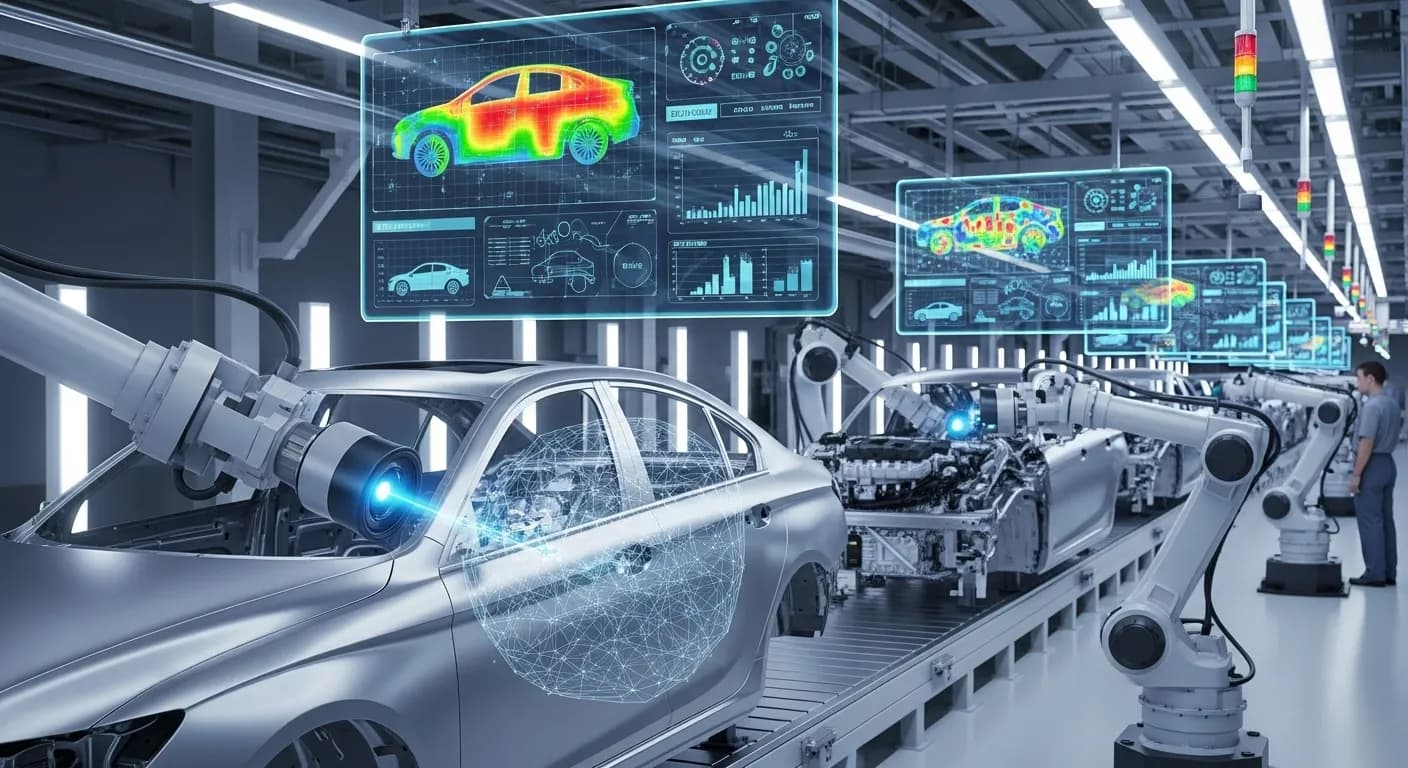
  • Spot defects and anomalies at line speed
  • Save inspection evidence automatically (images, time, result)
  • Trigger the next step, like a hold, a ticket, or a follow up check
Explore Tritva
PETRAN (AI + IoT Platform)

PETRAN (AI + IoT Platform)

Predictive signals let you focus resources on the assets most likely to fail soon and most costly to stop.

  • Monitor assets and detect early warning signs, not just alarms
  • Support predictive maintenance and APM workflows with context
  • Run controlled actions (routing, approvals, audit logs) across sites
  • Connect operations data to energy and sustainability decisions where it matters
Explore PETRAN

How we go from pilot to production

Most failures happen after the demo, when real shifts, real data, and real approvals show up. This is how we keep the work moving from “looks good” to “runs every day”.


Explore Solutions

AI Visual Inspection

Computer vision for defect detection and quality control built for speed, consistency, and real time decisioning.

AI Visual Inspection Icon

AI Infrastructure Inspection

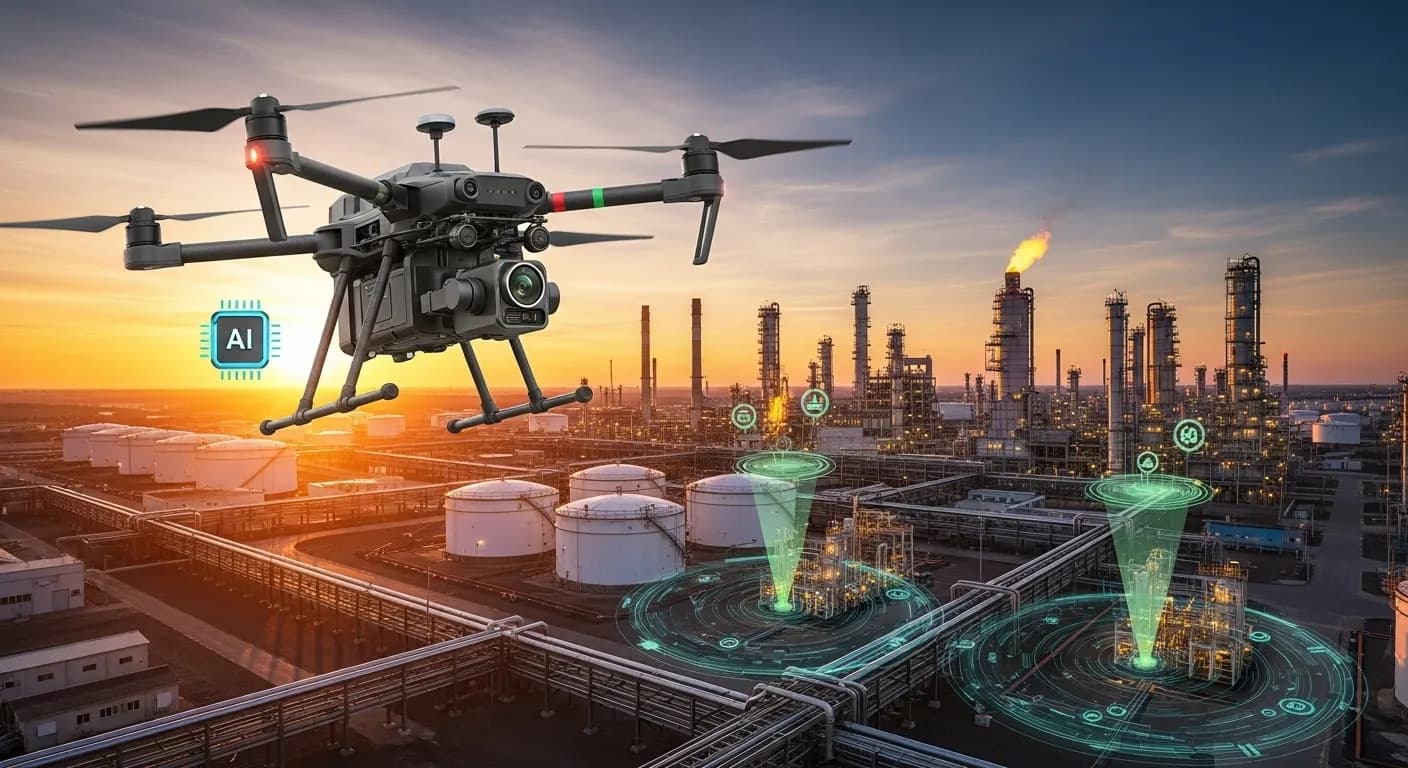
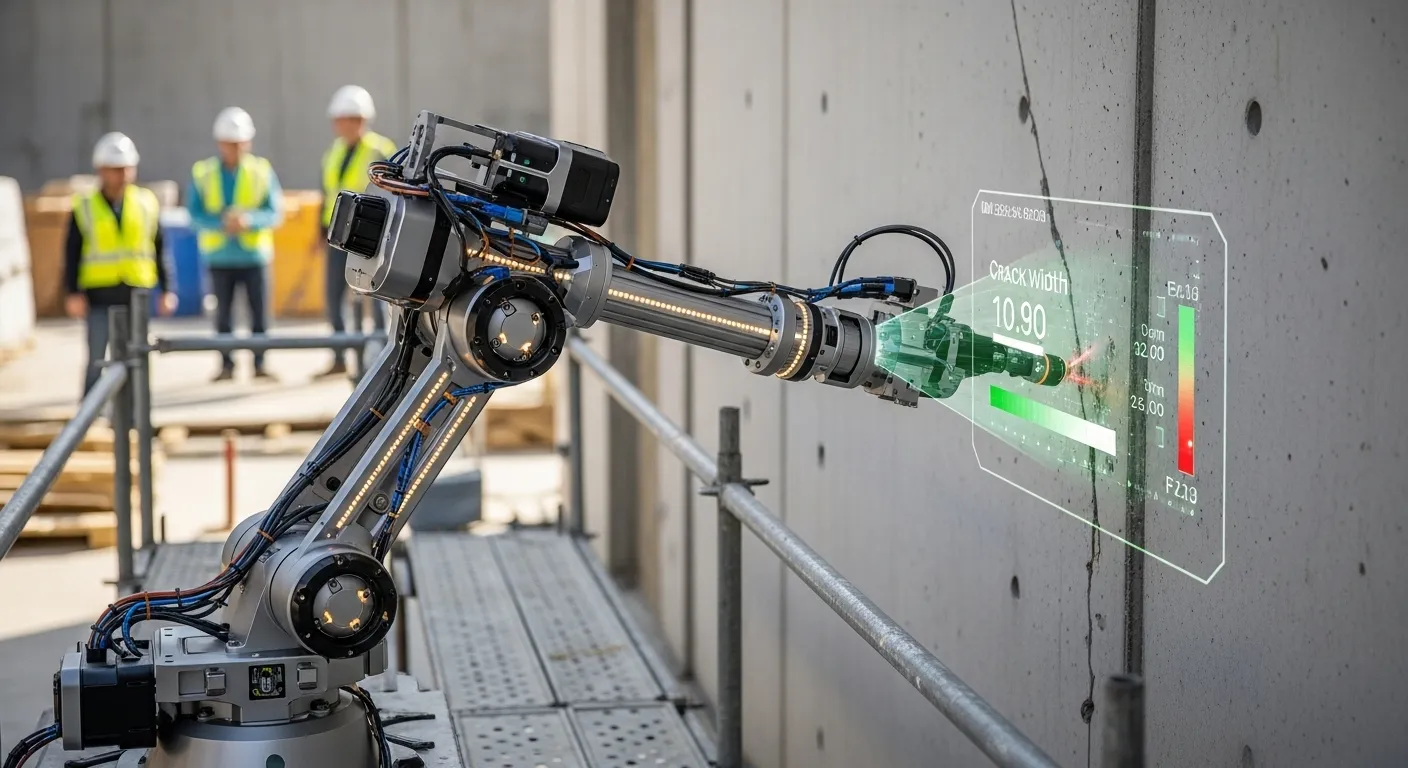
Drone + rover + mobile inspection workflows, with strong claims around cost reduction, cycle time improvements, and shifting work from reactive to predictive.

AI Infrastructure Inspection Icon

Custom AI Solutions

Built to fit the workflow and the systems behind it (ERP/MES/CRM/internal tools), with pilots designed to prove ROI before scale.

Custom AI Solutions Icon

Agentic AI

Autonomous agents that can reason, call systems, run multi step workflows, and produce searchable audit trails (beyond chatbots/RPA).

Agentic AI Icon

Asset Performance Management (APM)

A unified APM model fusing IoT sensing, edge intelligence, and cloud AI to predict failures and raise OEE.

APM Icon

Predictive Maintenance

Condition monitoring + RUL forecasting + CMMS/EAM integration to reduce downtime and improve planning.

Predictive Maintenance Icon

IoT Real Time Monitoring

Live view of assets, utilities, and operations with clear “monitoring vs APM” framing and measurable outcome ranges.

IoT Monitoring Icon

Digital Twin

A live virtual model combining assets, people movement (RTLS), processes, environment, and energy used for visibility and optimisation.

Digital Twin Icon

Mobile AI Inspection

Field capture → AI analysis → routed actions, with evidence that holds up during audits. Includes gauge/indicator reading and structured checklists.

Mobile AI Inspection Icon

Operational Sustainability

Turns day to day operational decisions into measurable sustainability outcomes (energy, emissions, water, waste) without sacrificing throughput or quality.

Operational Sustainability Icon

Workplace Safety

RTLS + sensors + workflows for safety alerts, musters, and compliance evidence built for high risk environments.

Workplace Safety Icon

Lone Worker Tracking

Real time location, check ins, SOS/duress, man down detection, and industry specific workflows (oil & gas, utilities, maritime, construction).

Lone Worker Tracking Icon

AI People Counting

Privacy first occupancy and footfall analytics with edge processing options and multi camera coverage.

AI People Counting Icon

Use Cases Across Industries


Security, governance, and deployment

On a plant site, the first question is usually not “is the model accurate?” It’s “who can touch this, and what happens if it’s wrong?”

Access control and audit trails

Access control and audit trails

We keep access role-based. And we keep a record. If a defect is flagged or a safety alert is raised, you can see when it happened, who saw it, what action was taken, and who approved it.

Data security and retention

Data security and retention

We agree this early. Some teams want to keep raw video for a short window. Some don’t want it stored at all. We set retention rules, lock down access, and encrypt what’s stored and what’s moving.

Cloud, on-prem, and hybrid options

Cloud, on-prem, and hybrid options

If a line needs instant decisions, you do more at the edge. If you want cross-site reporting and learning, you use cloud. Most teams end up hybrid, because plants are not all the same.


Technical Capabilities


Faq

They help reduce defects, unplanned downtime, safety risks, and wasted energy by turning camera and sensor signals into actions. Instead of showing data in dashboards, they trigger alerts, work orders, inspection results, and escalations, so teams respond faster and results repeat across shifts and sites.

AI visual inspection and condition monitoring are usually fastest because the impact is easy to measure. You can track defect rate, scrap, rework, downtime minutes, and response time. The best pilots stay narrow, run in real production, and show a clear before and after.

Most real pilots take about 4 to 8 weeks. The timing depends on data access, approvals, and how much integration is needed. Demos can be quicker, but they do not prove reliability. A good pilot includes validation, workflow testing, and sign-off from frontline teams.

Not always. Many projects start with existing cameras, SCADA or PLC signals, historian data, and maintenance records. You add new sensors only if current signals cannot answer the operational question. The goal is to prove value first, then invest deeper where it pays back.

You need real images or video from normal operations, including different lighting, angles, surface variation, good parts, bad parts, and tricky edge cases. Training only on perfect samples usually fails on the line. The dataset should reflect how defects actually appear in production.

Accuracy depends on defect type, camera setup, and process stability. More important is the tradeoff between false rejects and false accepts. Teams set thresholds based on cost of scrap, rework, and escape risk, then keep validating as conditions change on the line.

Predictive maintenance focuses on forecasting failures for specific equipment so maintenance can be scheduled earlier. APM is broader. It combines monitoring, risk scoring, and context to help prioritise what to fix first and route actions into maintenance workflows, not just report anomalies.

You limit alerts to what someone can act on. That means scoring severity, adding context rules, and defining ownership and escalation paths. Alerts should feed workflows, not spam notifications. A healthy system reduces noise over time. If alert volume keeps rising, it needs tuning.

Yes, and they should. Without integration, insights stay in dashboards and teams stop using them. The practical goal is routing outcomes into daily tools: work orders in CMMS or EAM, quality records in MES, incident logs in EHS, and prompts for operators.

Hybrid is most common. Edge processing helps when you need low latency, privacy, or stable operation during network issues, especially for vision and safety. Cloud helps with fleet learning, central management, and analytics at scale. The right choice depends on site constraints.

Assume drift will happen. Lighting changes, suppliers change, equipment wears, and processes evolve. You handle it by monitoring performance, sampling new data, retraining on a schedule or trigger, and keeping version control. That way changes are auditable and rollbacks are possible.

Ask who can access raw data, how permissions are controlled, where audit logs are stored, and how investigations are supported. Also ask who can approve automated actions and what safeguards exist. Good governance is what makes automation safe to scale across sites and teams.

They combine location context with event triggers like SOS, man-down, geofence breaches, and no-movement. When something happens, they escalate to the right people with a clear timeline. The point is faster intervention and defensible evidence during reviews, especially for remote, high-risk work.

A digital twin is a live model of operations that brings together asset data, environment readings, movement, and energy signals in one place. It is useful when it supports real decisions, like planning maintenance, testing scenarios, or improving throughput versus energy, not just visualisation.

A chatbot answers questions. Agentic AI can execute work steps: collect context, apply rules, call systems, draft actions, and log what it did. The key is control. You need boundaries, approvals, and traceability so automation speeds execution without creating hidden operational risk.