What Challenges Does the Oil and Gas Industry Face Today?
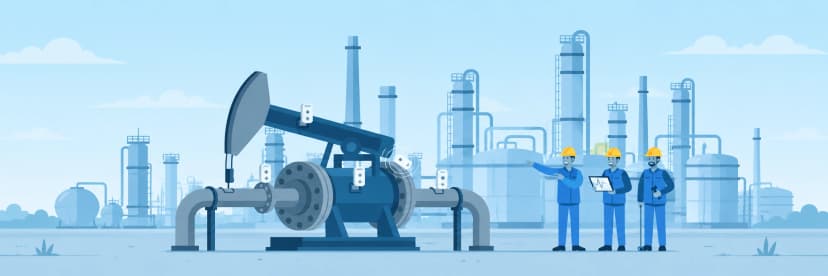
- Oil and gas operators are under pressure to keep ageing assets reliable, protect people in hazardous environments, inspect remote infrastructure, meet complex regulations, and make faster decisions from high-volume operational data.
- These are financial, safety, and compliance risks with measurable consequences. Ombrulla helps operators address them with AI visual inspection, predictive maintenance, and workplace safety capabilities that can start proving value in weeks.
The Five Challenges Facing Oil and Gas Operations
- Five operational risks define the sector: downtime, worker safety, structural integrity, regulatory pressure, and decision latency.
$38M avg annual offshore downtime loss | Kimberlite 2024
Average offshore platforms lose 27 days a year to unplanned downtime, costing about $38 million per site. Yet many operators still rely on reactive or calendar-based maintenance instead of predictive strategies.
- -Vibration, temperature, and current signatures often shift before failure
- -Downtime can exceed USD 100,000 per hour in oil and gas operations
- -Predictive maintenance improves capacity and reduces emergency repairs

Average annual offshore platform loss from unplanned downtime
Kimberlite research 2024
Annual downtime loss at worst-performing sites (76% increase in recent years)
Industry benchmark 2024
Cost of one hour of unplanned downtime in oil and gas
IBM Think - Oil and Gas
Annual US refinery losses from unplanned downtime and poor maintenance
US refinery industry data
Downtime reduction from AI-powered digital twin and predictive maintenance
McKinsey / Shell case data 2024-25
AI in oil & gas market 2025 → $7.5B by 2030 at 13.3% CAGR
Business Research Company 2026
Average offshore platform capacity (23% shortfall = 10M barrels/day worldwide)
McKinsey offshore analysis
AI Visual Inspection
AI Visual Inspection - Structural Integrity Monitoring Without Production Shutdowns
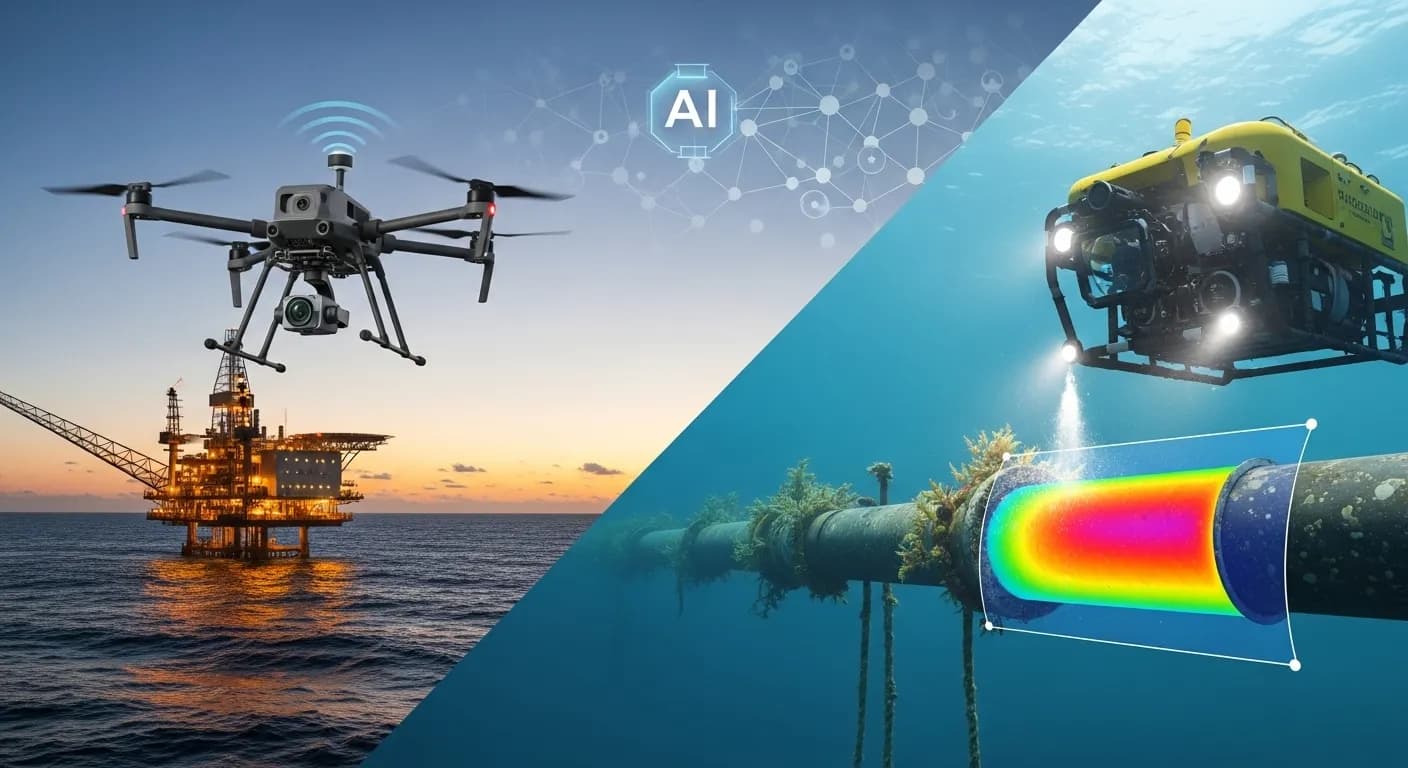
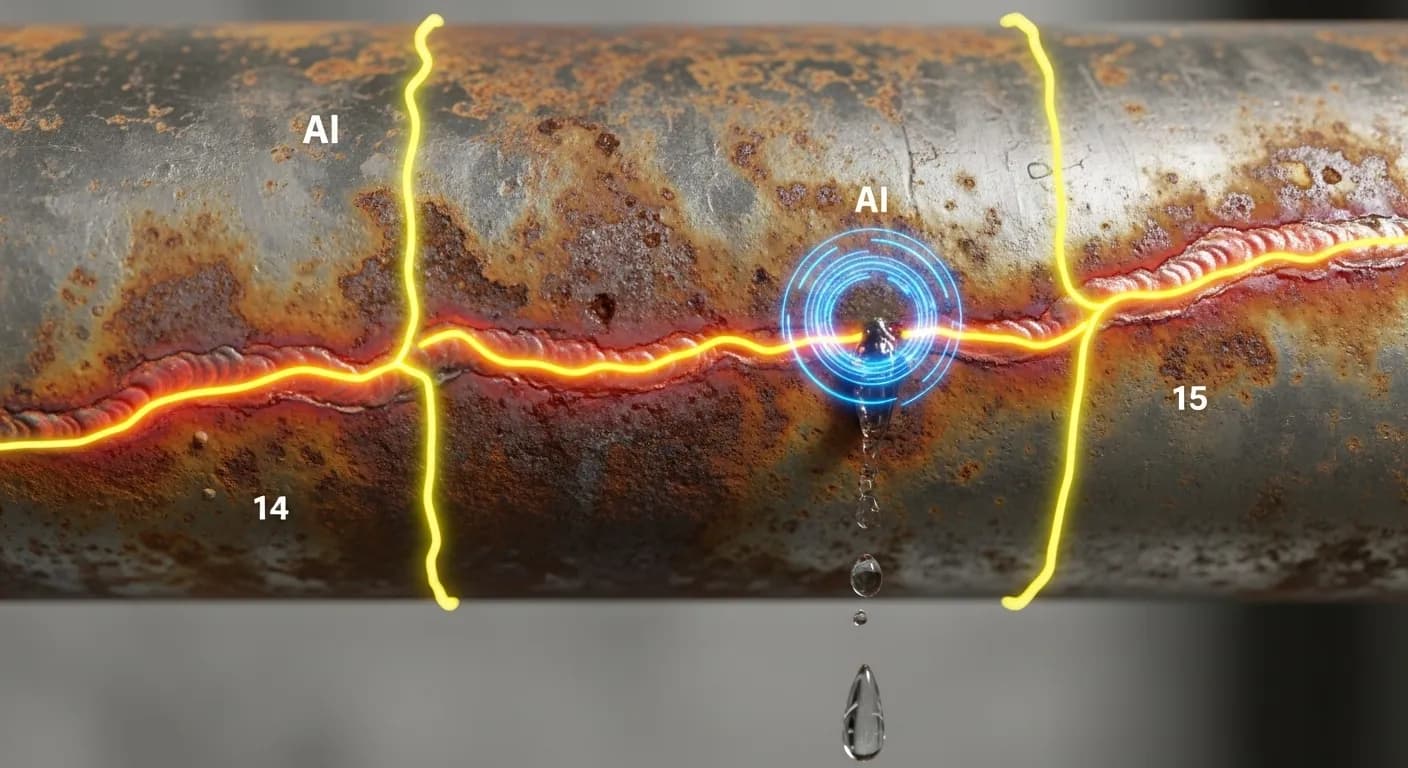
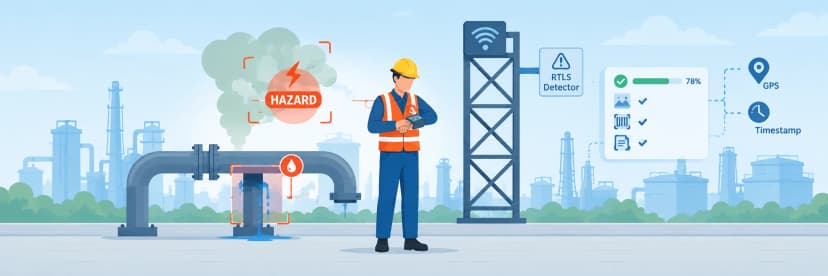
- Offshore platforms, flare stacks, pipelines, vessels, exchangers, and tanks require regular integrity checks, but traditional inspection often means shutdowns, scaffolding, confined entry, or hazardous access. TRITVA uses drones, cameras, and thermal imaging to inspect difficult assets without disrupting production. AI models detect corrosion, weld cracks, coating failure, hot spots, and deformation, then turn findings into structured inspection records. For a deeper technical view, see AI visual inspection in oil and gas.
How Ombrulla Helps

AI-Powered Drone Inspection

Thermal & Hyperspectral Detection

Digital Twin Integration
Asset Performance Management (APM)
Predictive Asset Performance Management - Prevent the Failures That Cost Millions
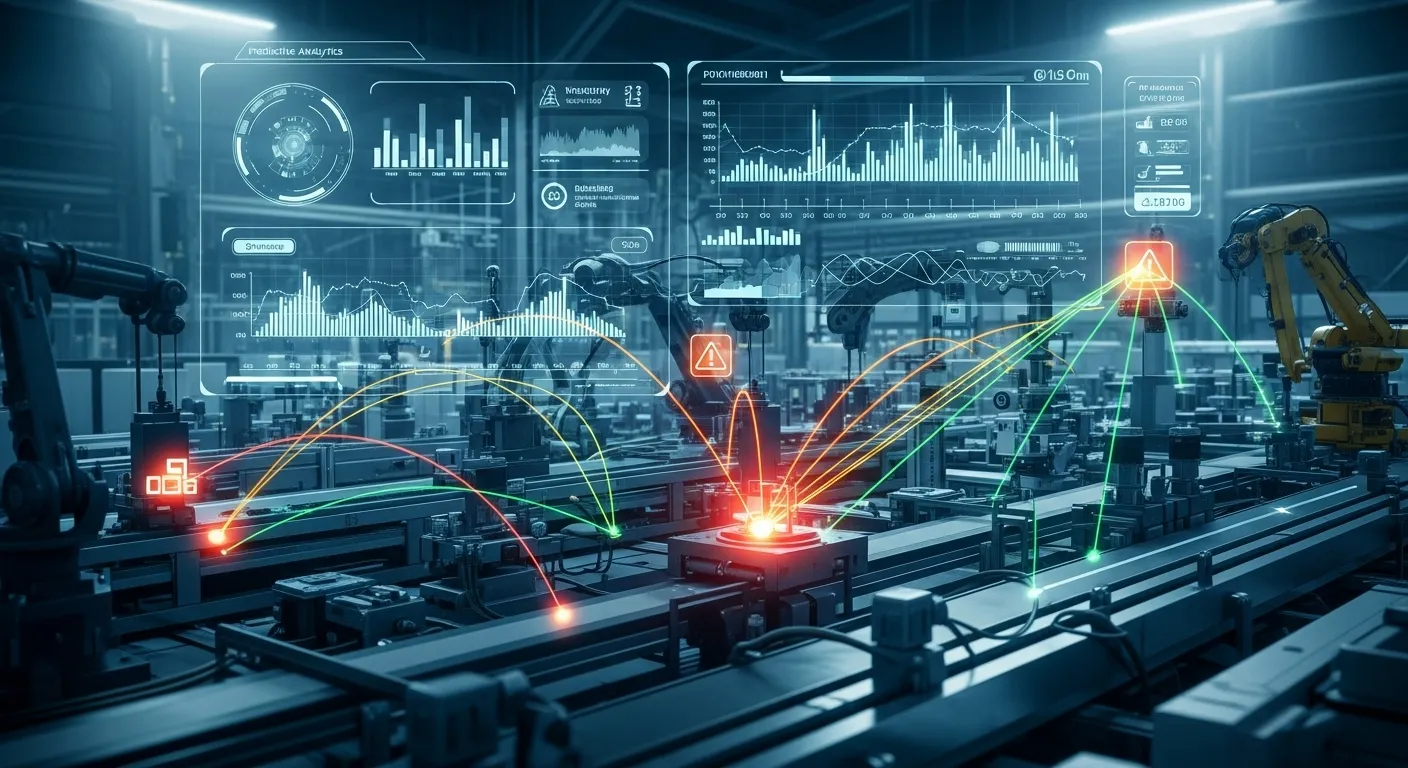
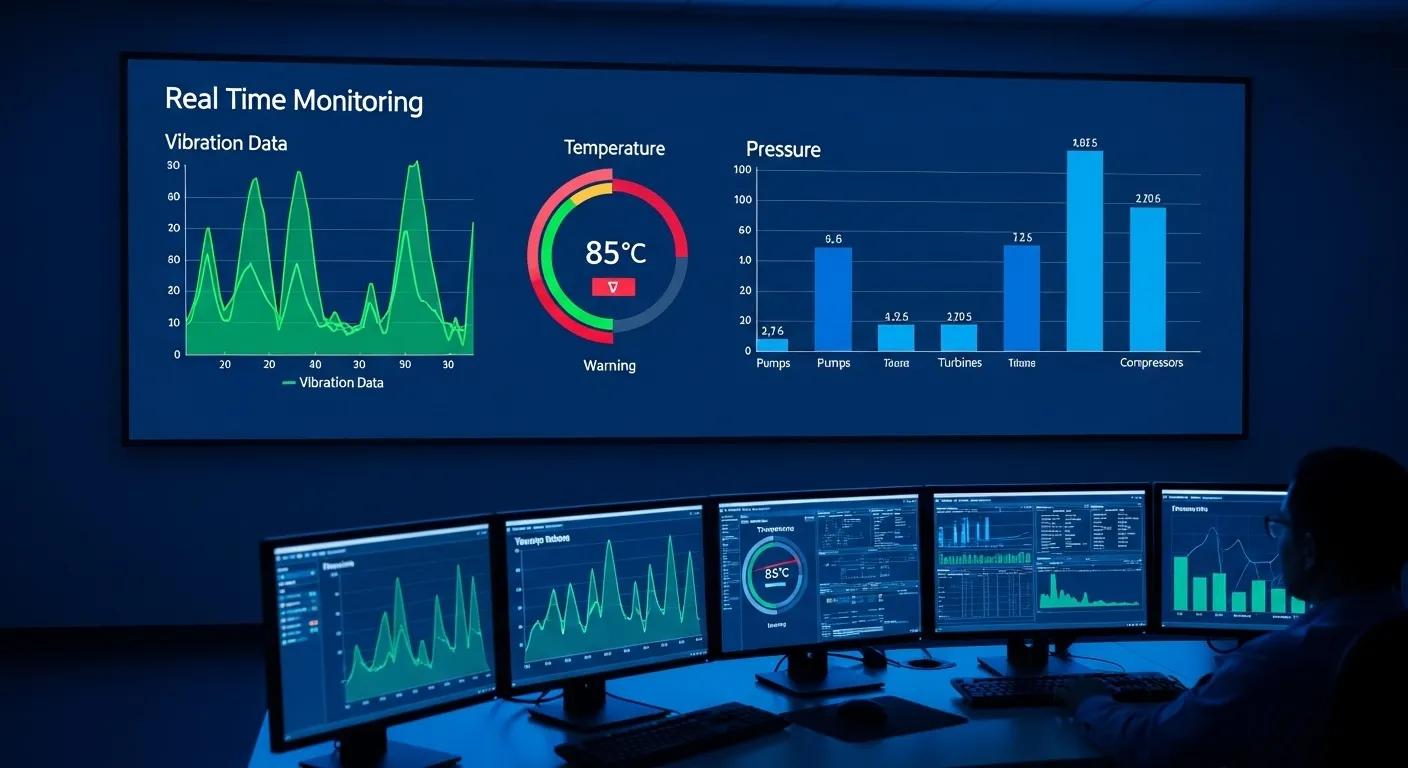
- Pumps, compressors, turbines, exchangers, and pipeline segments operate under pressure, heat, vibration, and corrosion. Reactive maintenance is expensive, while calendar-based maintenance can miss assets that are actually developing faults. PETRAN connects to existing sensors, SCADA historians, and OT instruments through common industrial protocols. Its asset performance management and IoT real-time monitoring capabilities estimate failure probability, remaining useful life, and recommended action, then route outputs to CMMS/EAM systems such as IBM Maximo, SAP EAM, or ServiceNow.
How Ombrulla Helps

Real-Time Condition Monitoring

Predictive Analytics & RUL

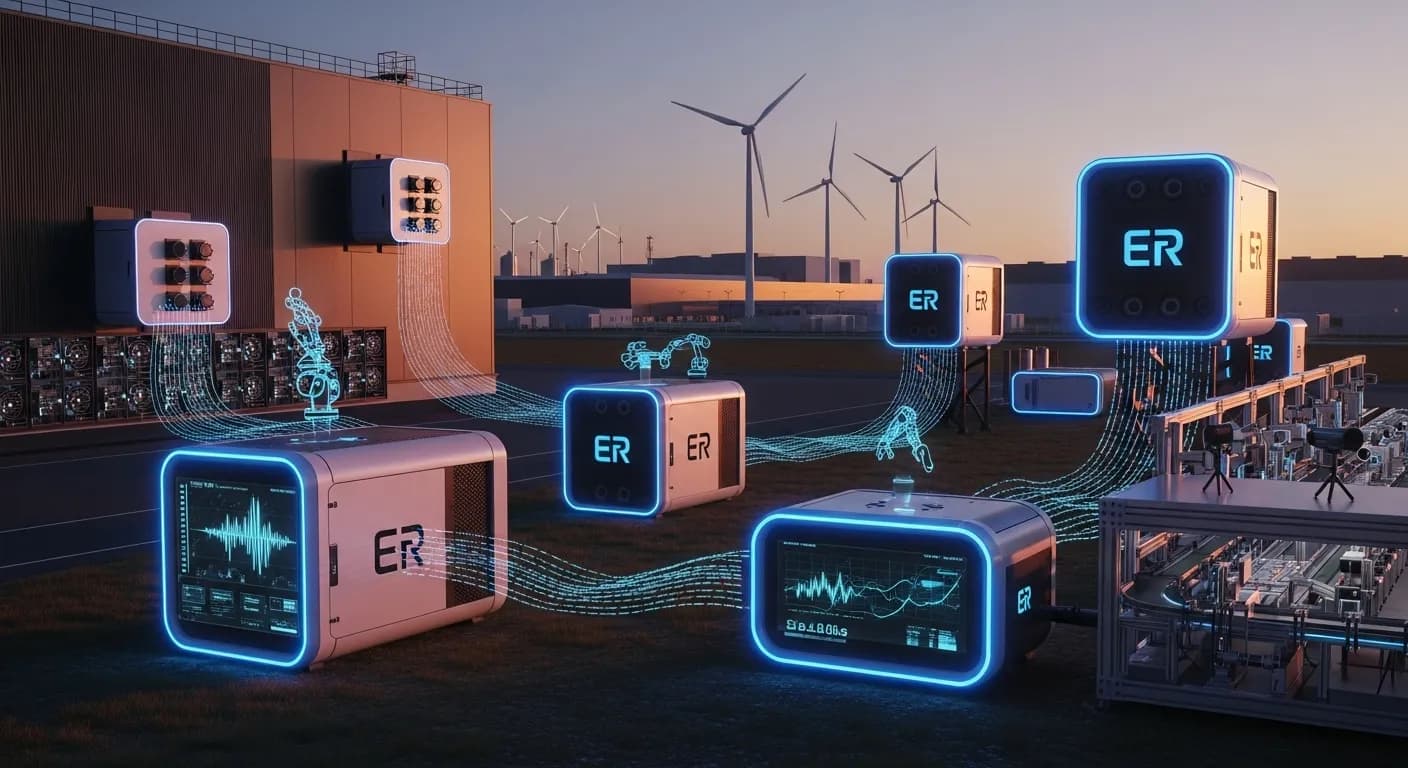
Edge Reliability Pods
Worker Tracking & Workplace Safety
Worker Safety & Lone Worker Tracking - Real-Time Protection for the World’s Highest-Risk Industry
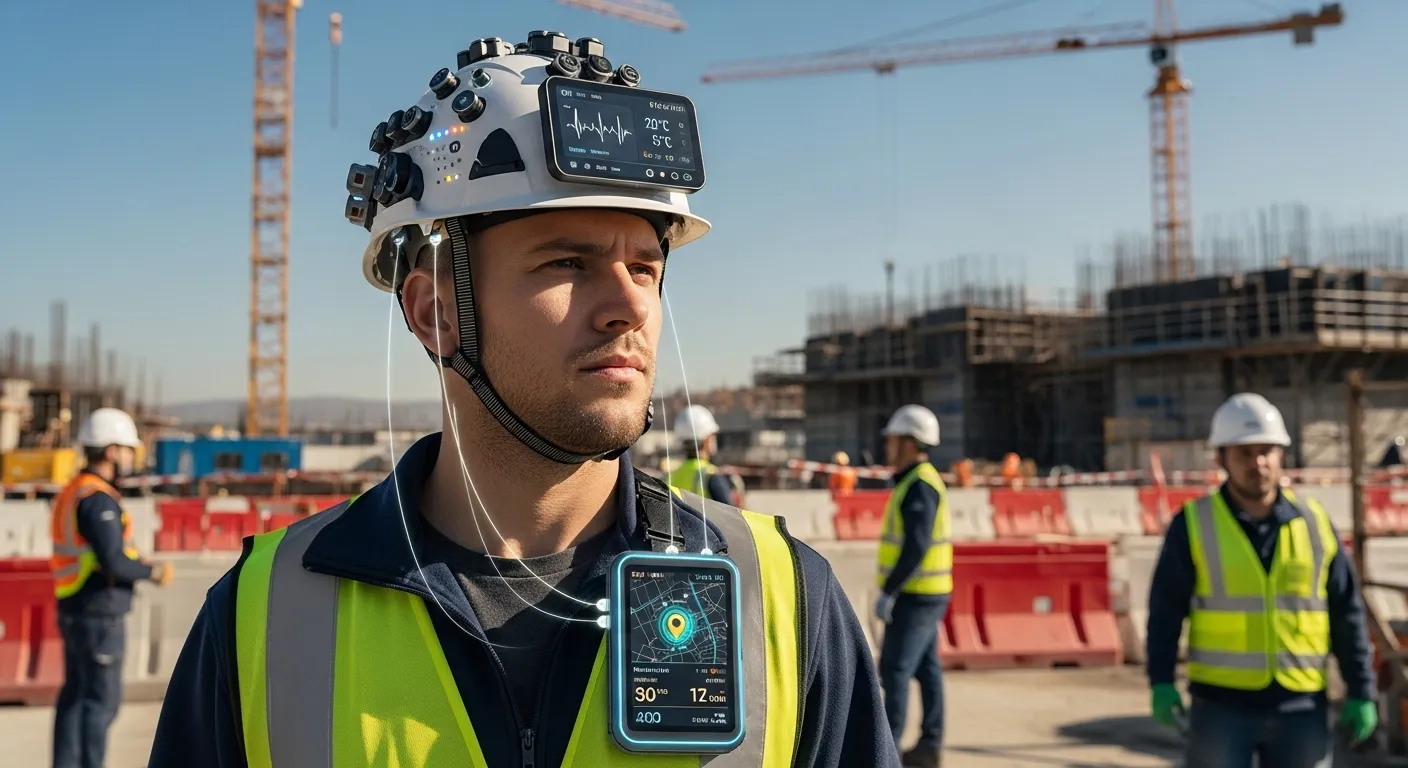
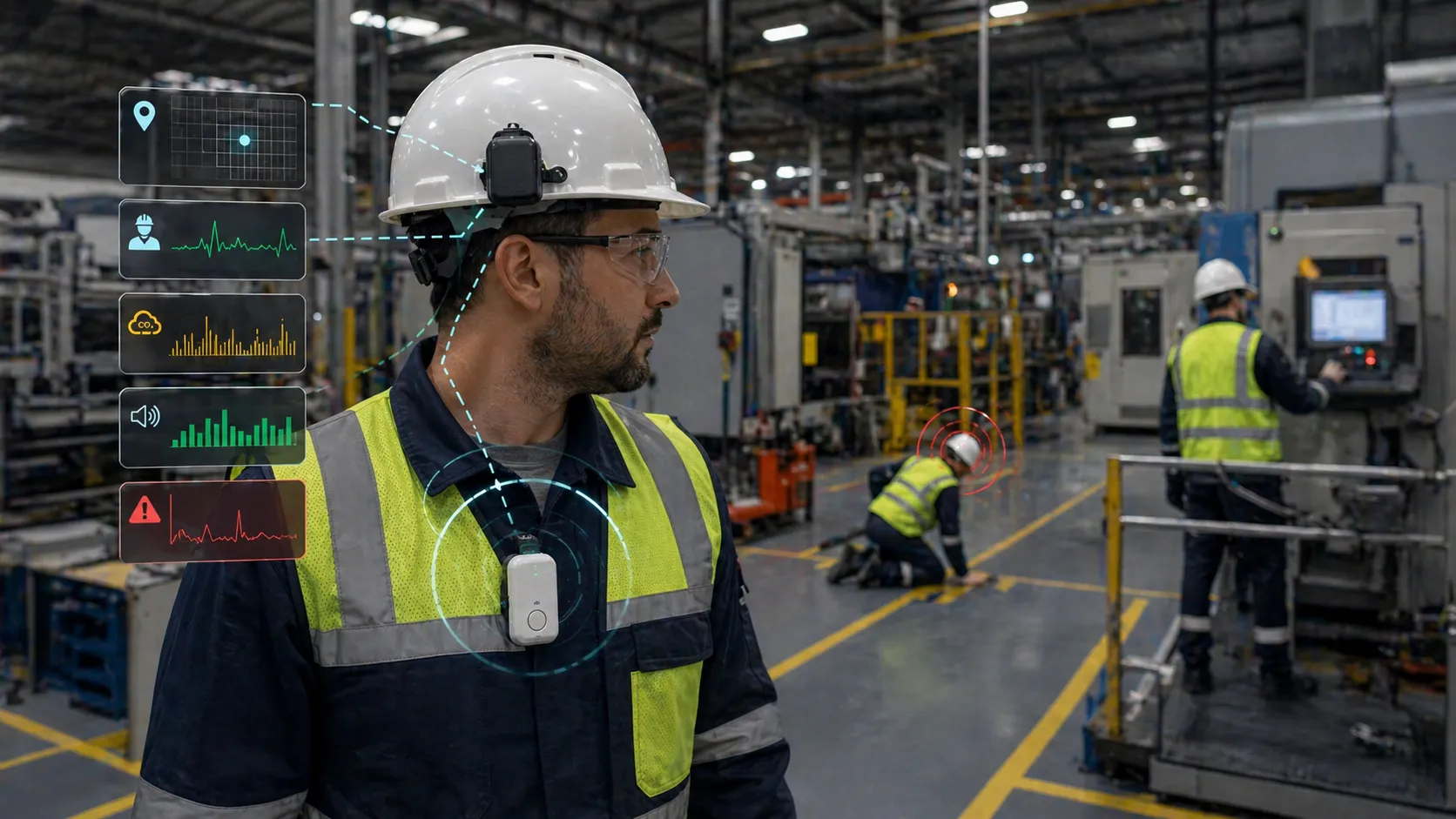
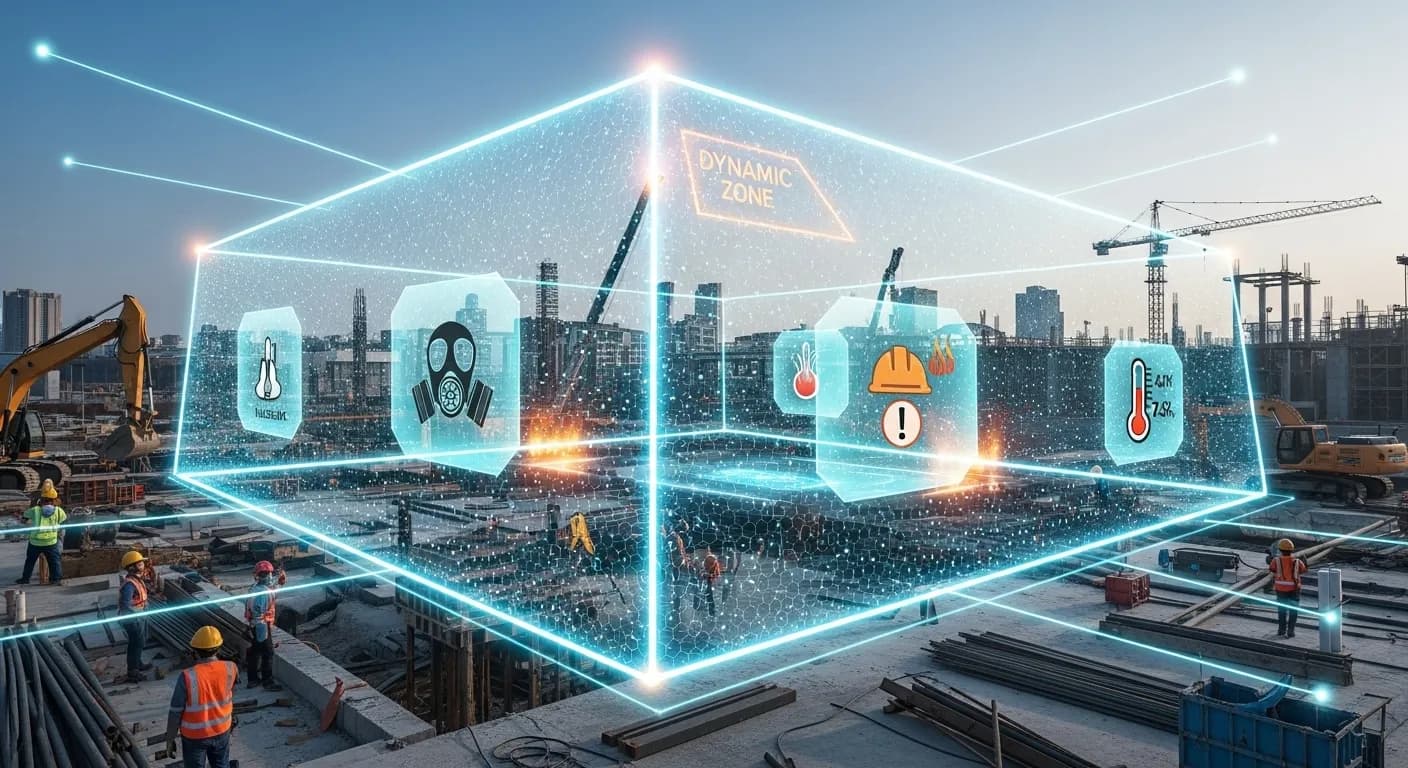
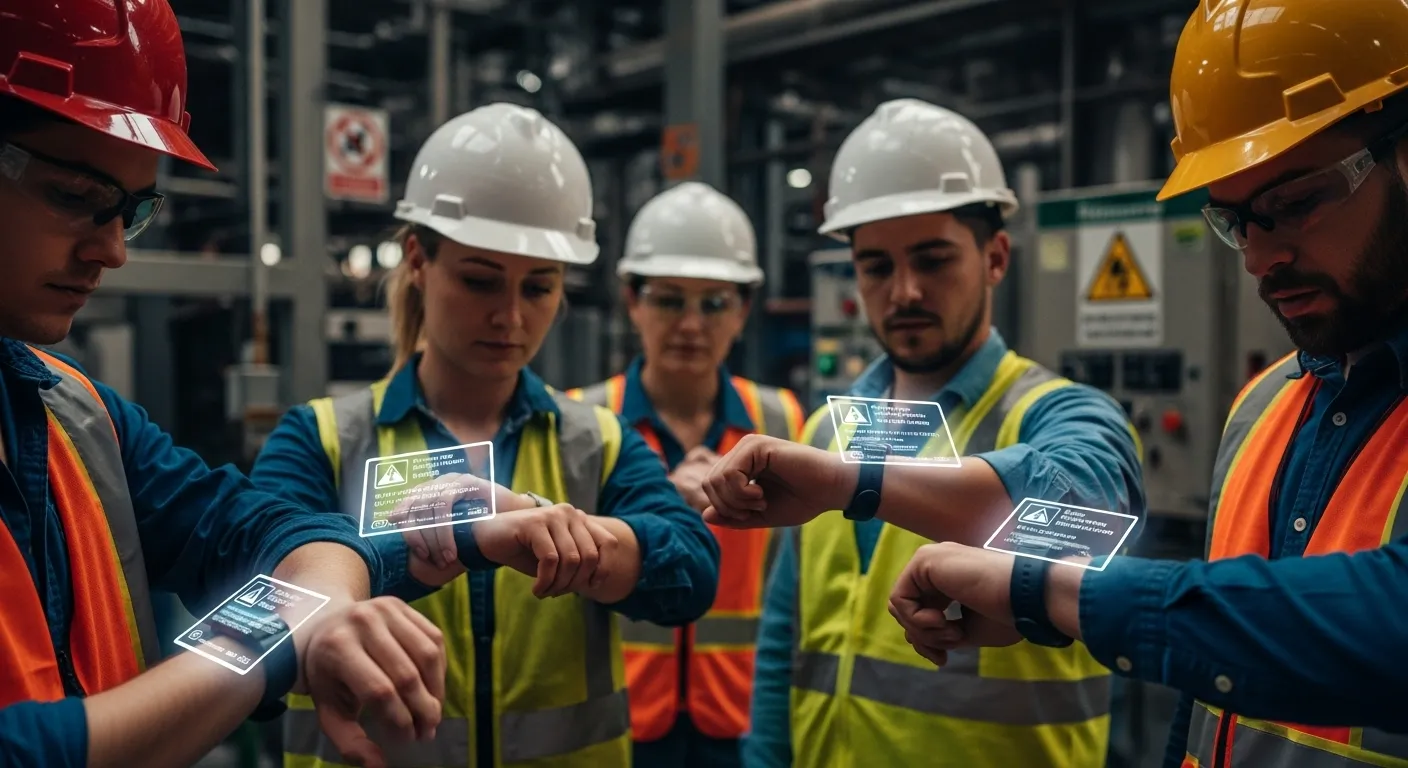
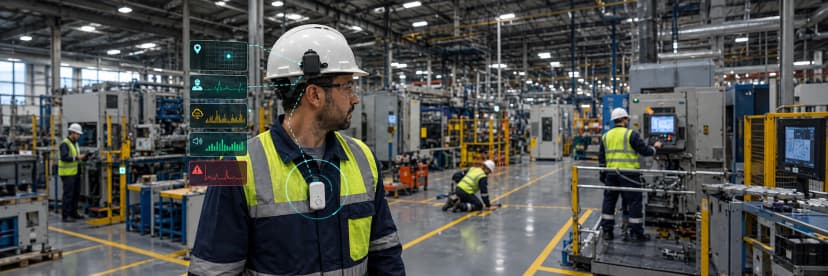
- Workers face elevated risk during maintenance, turnarounds, startups, pipeline patrols, and offshore rounds. Lone workers add another challenge: emergency response may take hours. PETRAN combines RTLS workplace safety, personal gas detection, lone worker tracking, man-down detection, and SOS alerts so safety teams can see worker position, exposure, and status in real time while maintaining permit-to-work evidence.
How Ombrulla Helps

RTLS Location & Zone Management

Personal Gas Detection & Wearables

Lone Worker Tracking (PETRAN)
Digital Twin - A Live Virtual Model of Your Assets, Operations, and People
- Digital twins help oil and gas teams streamline asset management, improve performance, and reduce unplanned downtime.
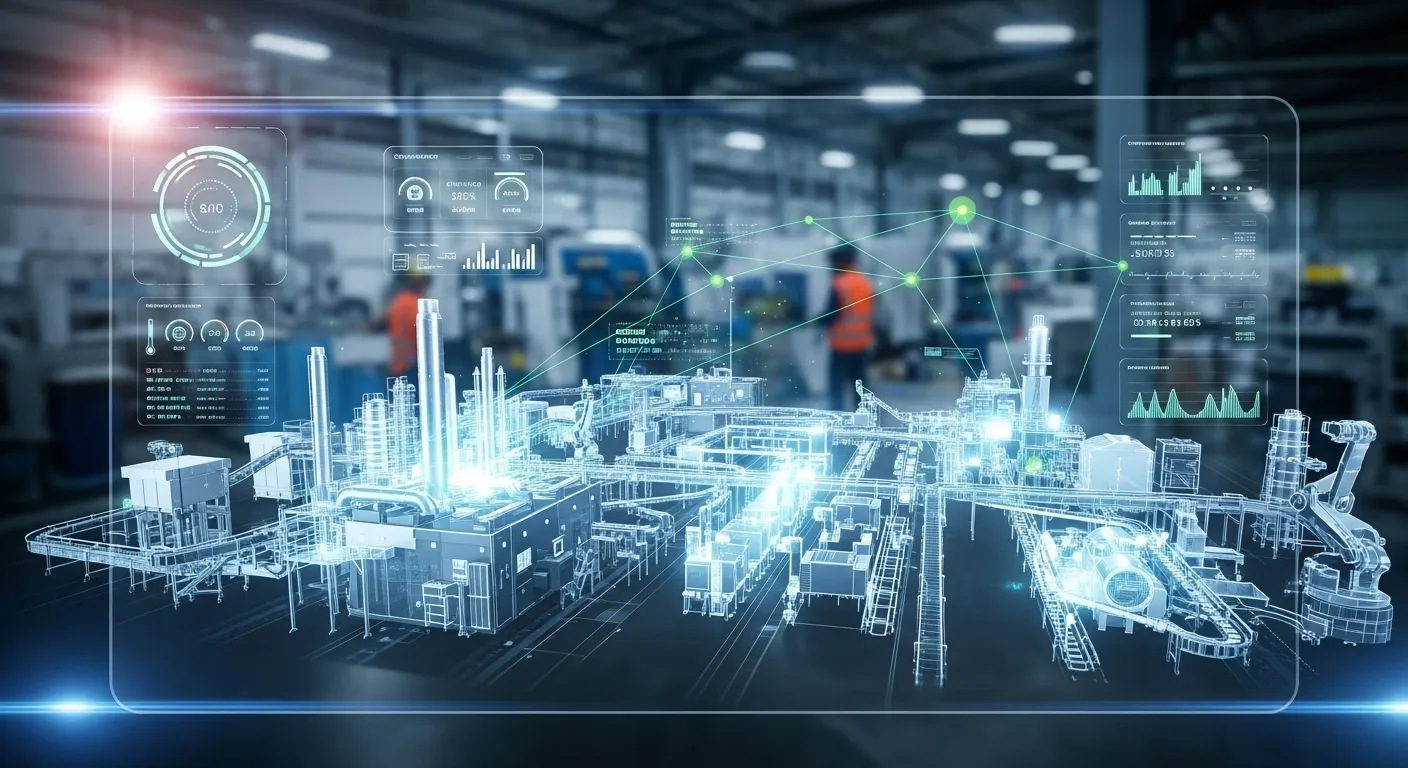
- PETRAN creates a live operational model by combining IoT sensor data, TRITVA inspection findings, RTLS worker positions, and CMMS records. Teams can replay events, run what-if simulations, and connect approved actions to agentic AI.
Oil & Gas / Upstream
Midstream
Downstream
Agentic AI - From Sensor Signal to Operational Action, Automatically
- Oil and gas teams monitor production, equipment health, safety conditions, process limits, and compliance thresholds at the same time. The costliest failures often happen in the delay between anomaly detection and action.
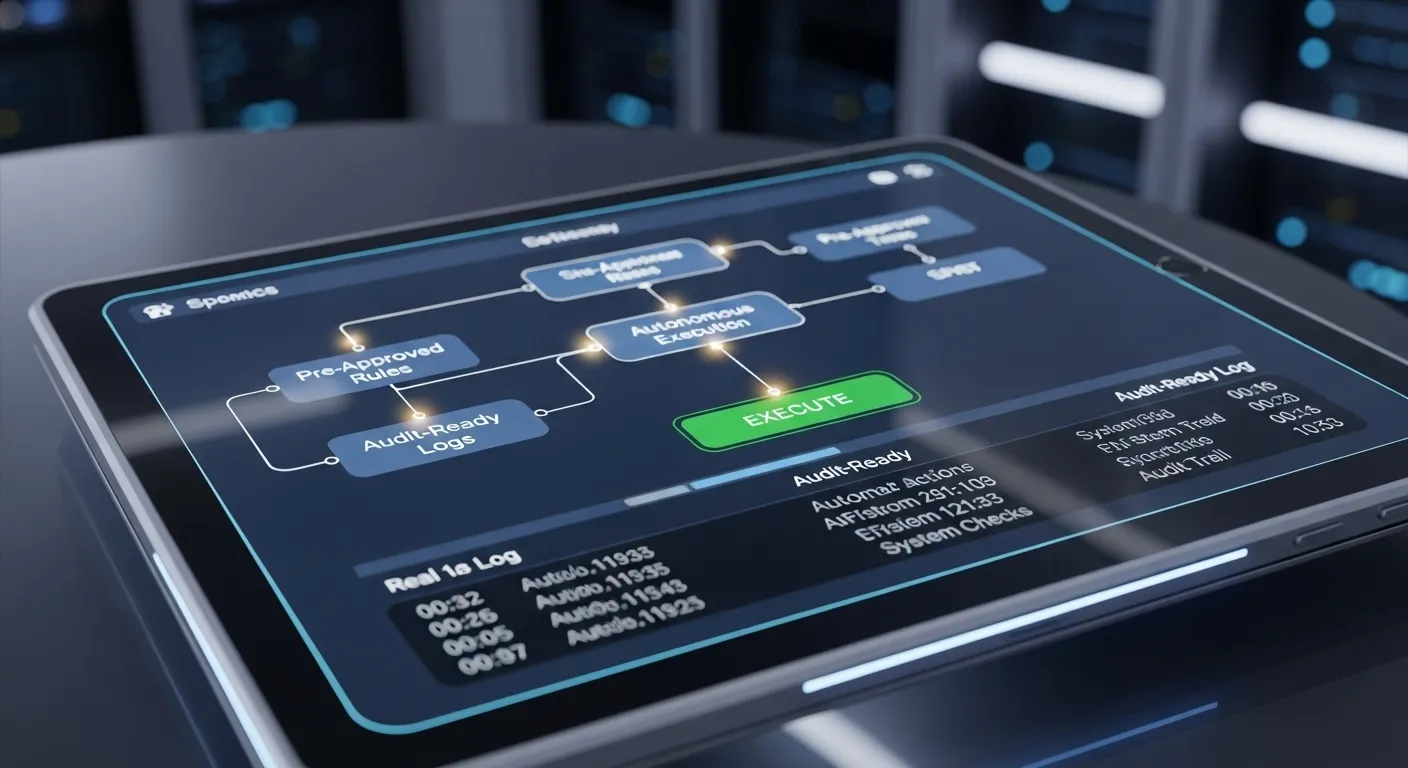
- PETRAN’s Agentic AI reads the unified operational model and executes approved workflow actions when defined conditions are met. Human approval remains for high-consequence decisions such as shutdowns, major production changes, and emergency evacuations. See how this fits into an enterprise AI and IoT platform.

Unified Data Intelligence
Best for: Integration: IBM Maximo MAS, SAP EAM, PI Historian, Honeywell Experion, AVEVA System Platform

Real-Time Recommendations & Execution
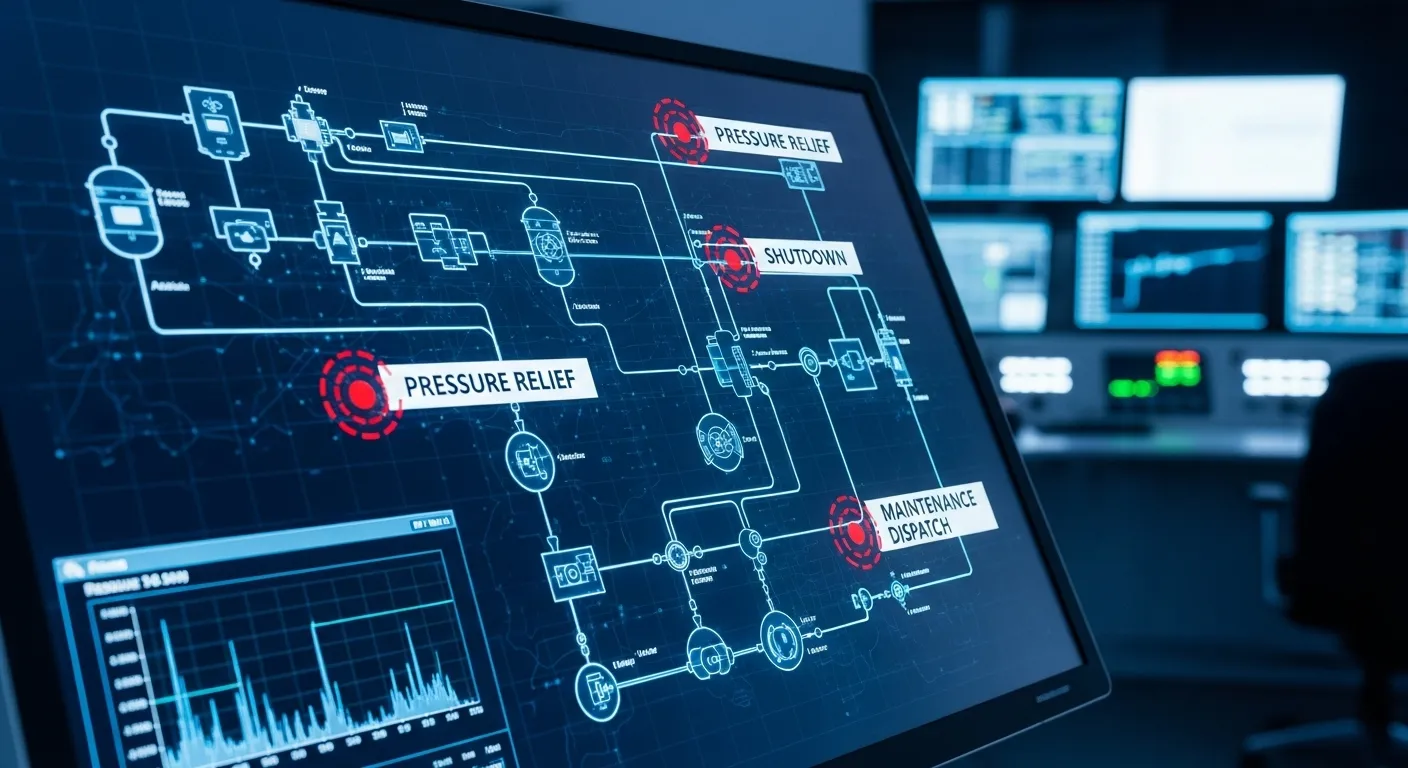
Best for: Scope: pressure relief decisions, maintenance dispatch, production re-routing, safety zone adjustments

Audit-Ready Autonomous Logs
Best for: Standards: OSHA PSM MOC (29 CFR 1910.119(l)) · ISO 45001 · IEC 62443 (OT cybersecurity)

Use Case
A refinery dashboard shows pipeline stress and rising valve pressure. Ombrulla's Agentic AI suggests: Opening relief valves. Dispatching a maintenance team. Running digital twin simulations. With one click, the refinery executes corrective actions. The AI logs every step, ensuring compliance for future audits.
Ombrulla Solution-to-Challenge Matrix
- How Ombrulla’s PETRAN and TRITVA platforms map directly to the high-stakes operational challenges of the oil and gas sector.
- Deploy PETRAN APM for predictive failure detection, condition-based maintenance, and automated CMMS work order generation. By identifying vibration, temperature, and current anomalies before failure, PETRAN shifts maintenance from reactive to proactive.
Outcome
- 30–40% downtime reduction · Kimberlite: $34M/yr savings from predictive strategy

Explore Related Industries

Manufacturing Solutions

Automotive Manufacturing

Infrastructure Management
Ombrulla’s Proven Oil & Gas Deployment Approach
01 Operational Assessment (2–4 weeks)
Identify the assets, safety scenarios, and inspection gaps with the highest ROI potential. Map available sensor data, inspection history, and safety records to create a clear deployment baseline.
02 Pilot Deployment (4–8 weeks)
Pilot PETRAN APM on critical rotating assets, TRITVA on priority inspection targets, and RTLS safety for high-risk worker groups. Validate alerts, tune thresholds, and train site teams with use cases such as AI and IoT workplace safety for hazardous oil and gas zones.
03 Enterprise Integration (2–4 weeks)
Connect PETRAN to CMMS/EAM, SCADA historian, EHS, and scheduling systems. Inspection findings, safety events, and work order updates move through existing operational workflows.
04 Scale and Govern (3–12 months)
Scale from the pilot using approved templates, regional access controls, versioned model updates, and scheduled compliance reporting.
05 Continuous Optimisation (Ongoing)
Review model performance, false alarms, missed detections, inspection evidence, and audit trails. Expand capabilities as operational data quality improves.