What is real-time monitoring in industrial IoT?
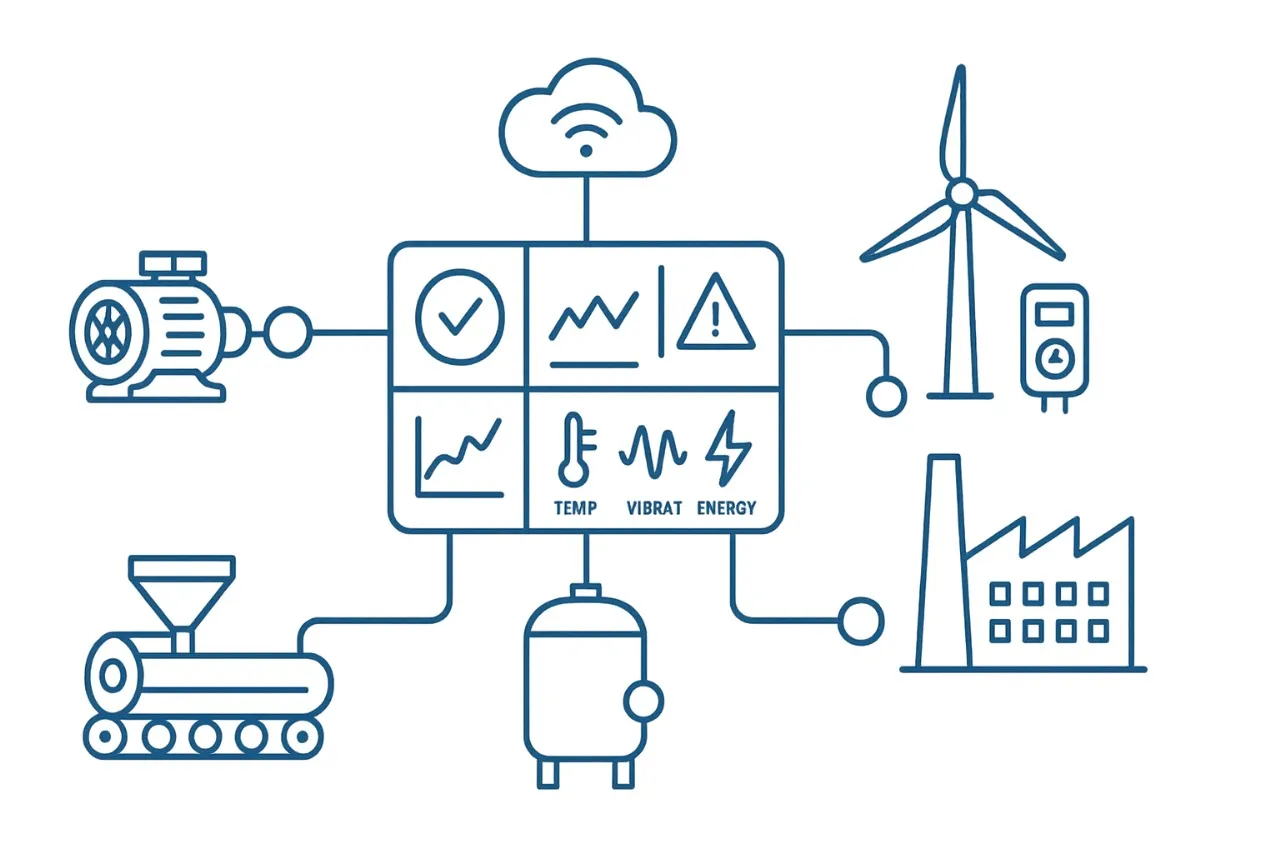
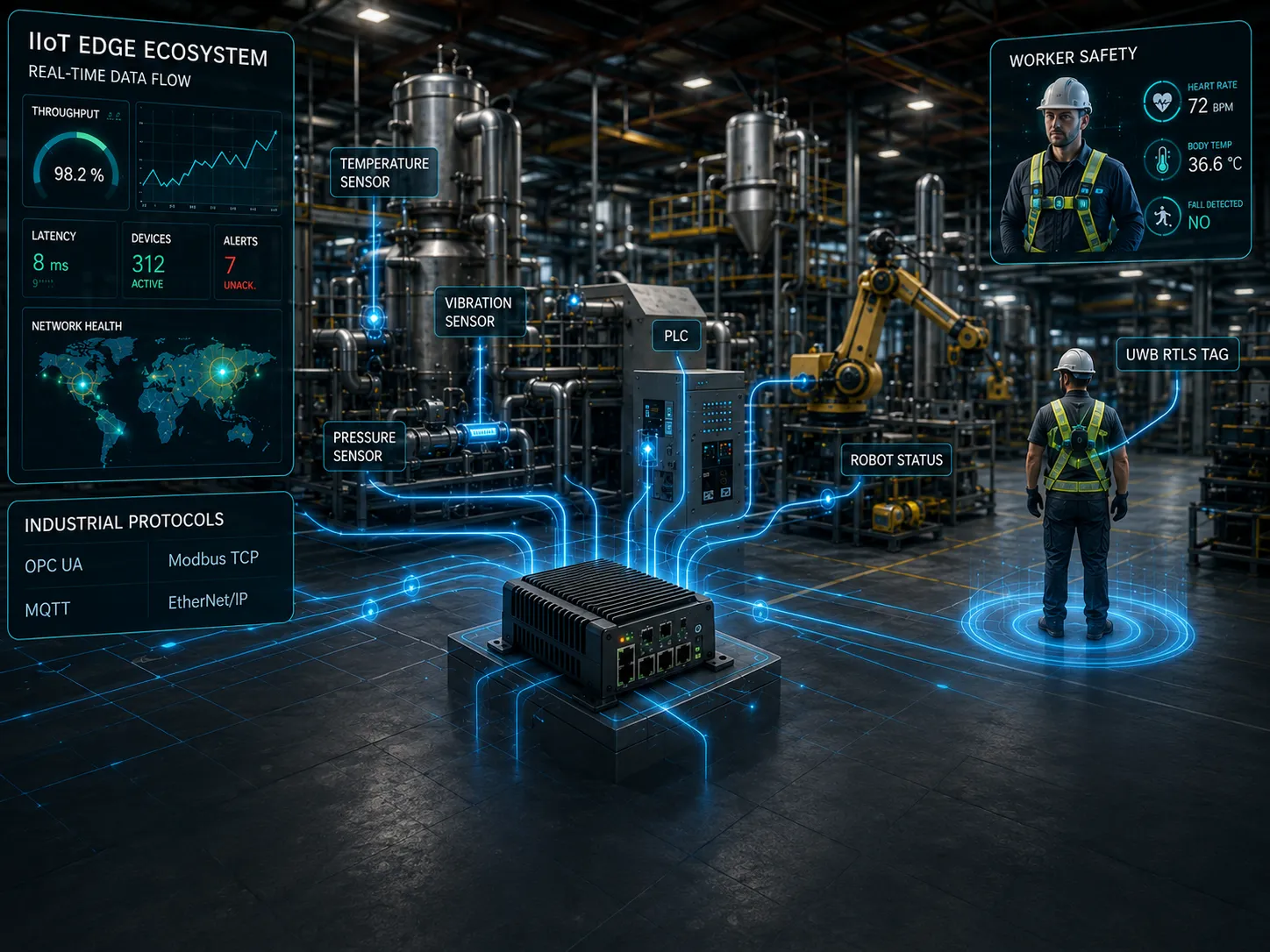
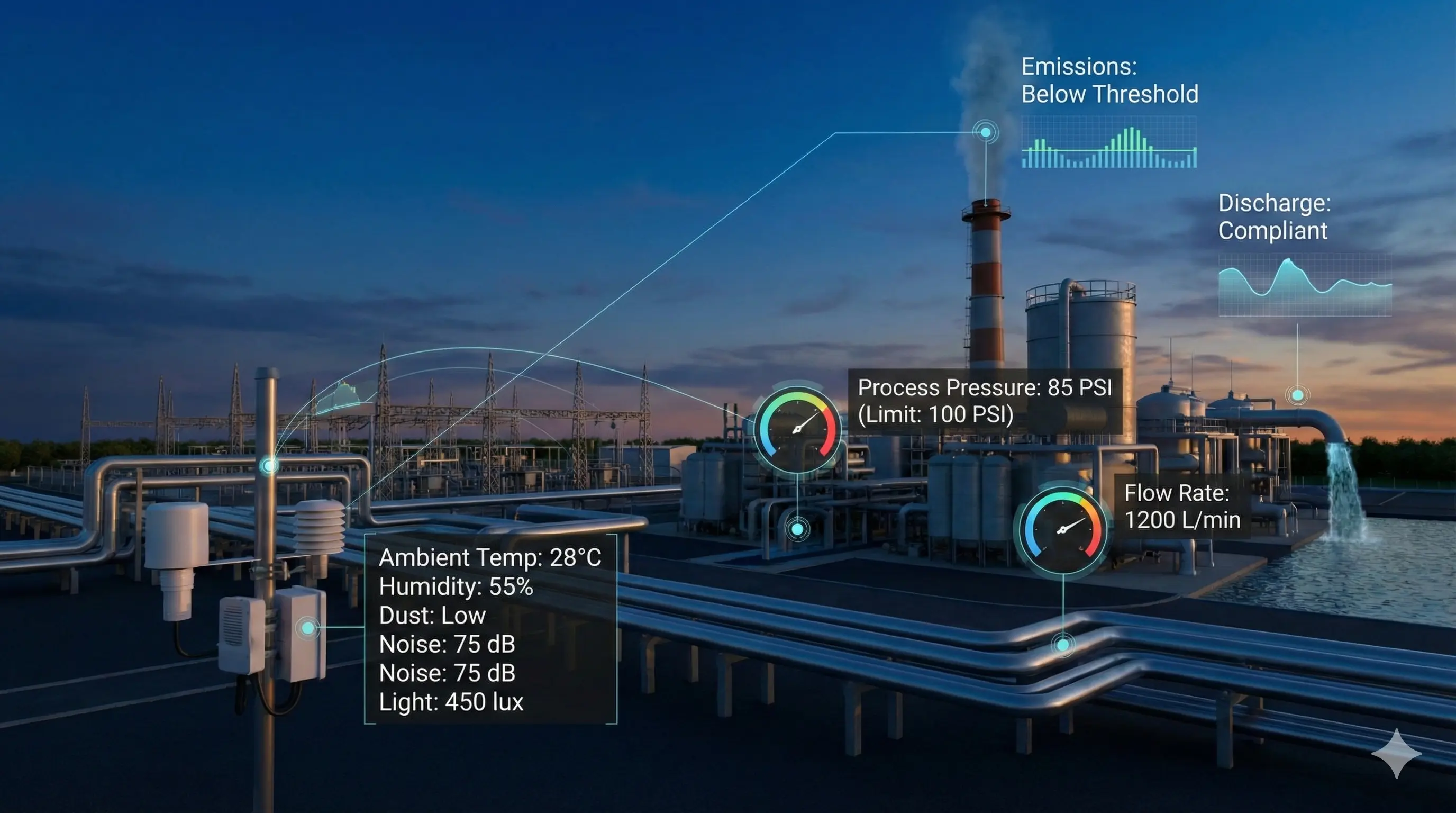
Real-time monitoring in industrial IoT is the continuous collection and <em>AI-powered analysis</em> of live data from connected sensors, RTLS tags, and operational instruments across assets, workers, and environments - providing teams with an always-current view so problems are detected before they become failures.
How does IoT monitoring differ from Asset Performance Management (APM)?
IoT monitoring is the <em>data layer</em> - collecting real-time signals and detecting anomalies. APM is the <em>decision layer</em> - predicting failures, prioritising maintenance, and managing workflows. Monitoring shows what is happening; APM tells you what to do next.
What problems does real-time monitoring solve?
It solves key issues like <em>unplanned downtime</em>, <em>worker safety gaps</em>, <em>energy waste</em>, <em>animal health losses</em>, and <em>data silos</em> by providing continuous visibility across operations.
How does real-time monitoring reduce downtime?
It detects early warning signs like rising temperature or vibration, enabling <em>predictive maintenance</em> before failures occur - typically reducing downtime by <em>20–40%</em>.
What is a good starting point for IoT monitoring?
Start with high-impact areas like <em>bottleneck machines</em>, <em>rotating equipment</em>, <em>compressed air systems</em>, <em>lone workers</em>, or <em>high-value livestock</em> to achieve faster ROI.
What sensors are required for condition monitoring?
Common sensors include <em>vibration</em>, <em>temperature</em>, <em>pressure</em>, <em>flow</em>, and <em>electrical measurements</em>. For livestock, GPS and activity sensors are widely used.
What is the difference between SCADA and IoT monitoring?
SCADA focuses on <em>control and plant-level monitoring</em>, while IoT monitoring provides <em>multi-site visibility, AI analytics, and enterprise integration</em> across assets, workers, and environments.
What is edge monitoring?
Edge monitoring processes data <em>close to the source</em> (on gateways) instead of the cloud, enabling faster alerts, better reliability, and reduced bandwidth usage.
How does alerting work without becoming noisy?
Using <em>thresholds</em>, <em>trend detection</em>, <em>AI anomaly detection</em>, and <em>persistence rules</em>, alerts are filtered to ensure only meaningful events trigger notifications.
What is anomaly detection?
Anomaly detection uses AI to identify deviations from <em>normal operating behaviour</em> instead of relying only on fixed thresholds, improving early fault detection.
Can IoT reduce energy costs?
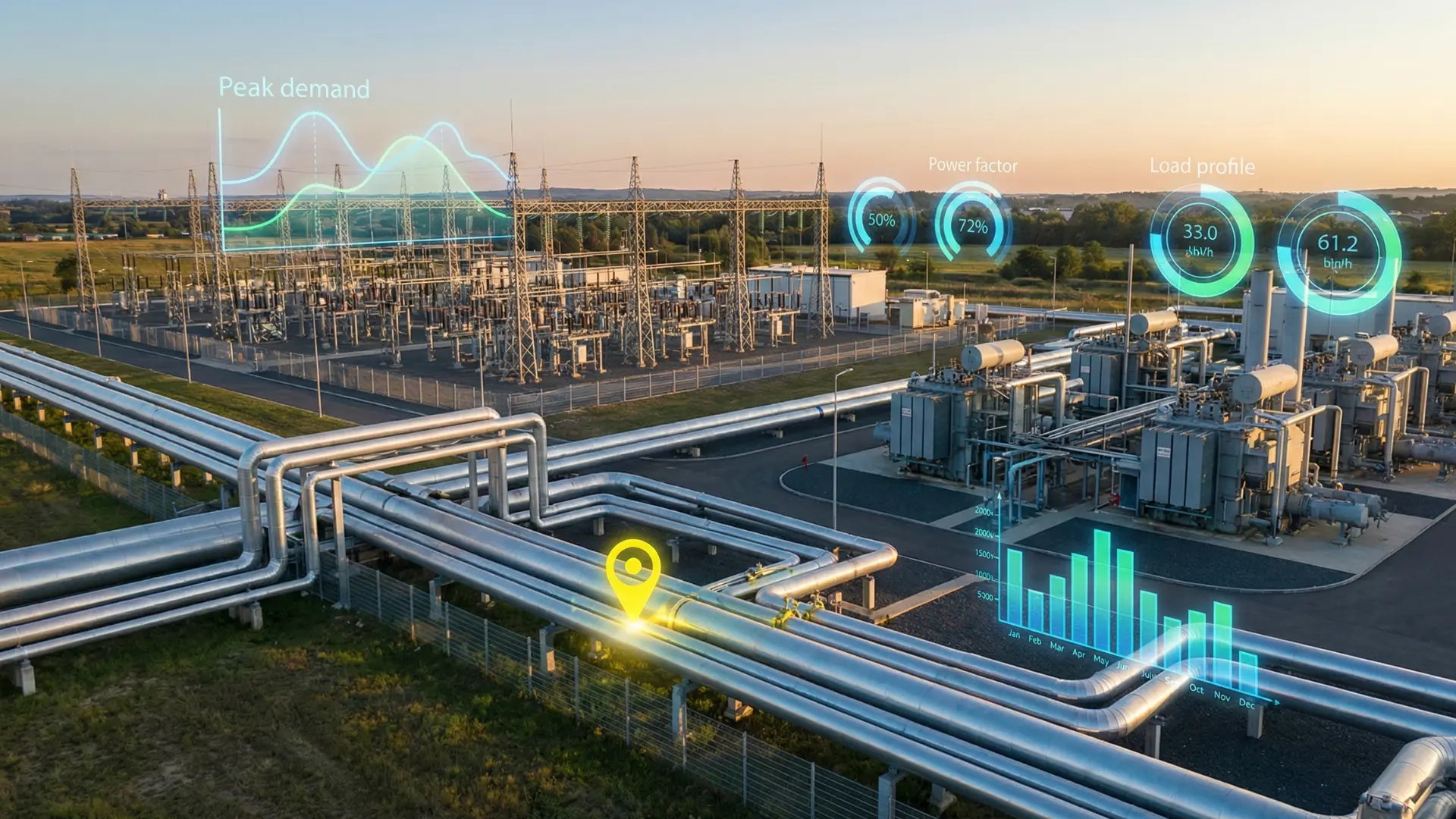
Yes. It identifies <em>off-hours usage</em>, <em>leaks</em>, <em>peak demand spikes</em>, and <em>inefficient equipment</em>, often delivering the fastest ROI.
How does IoT monitoring support safety?
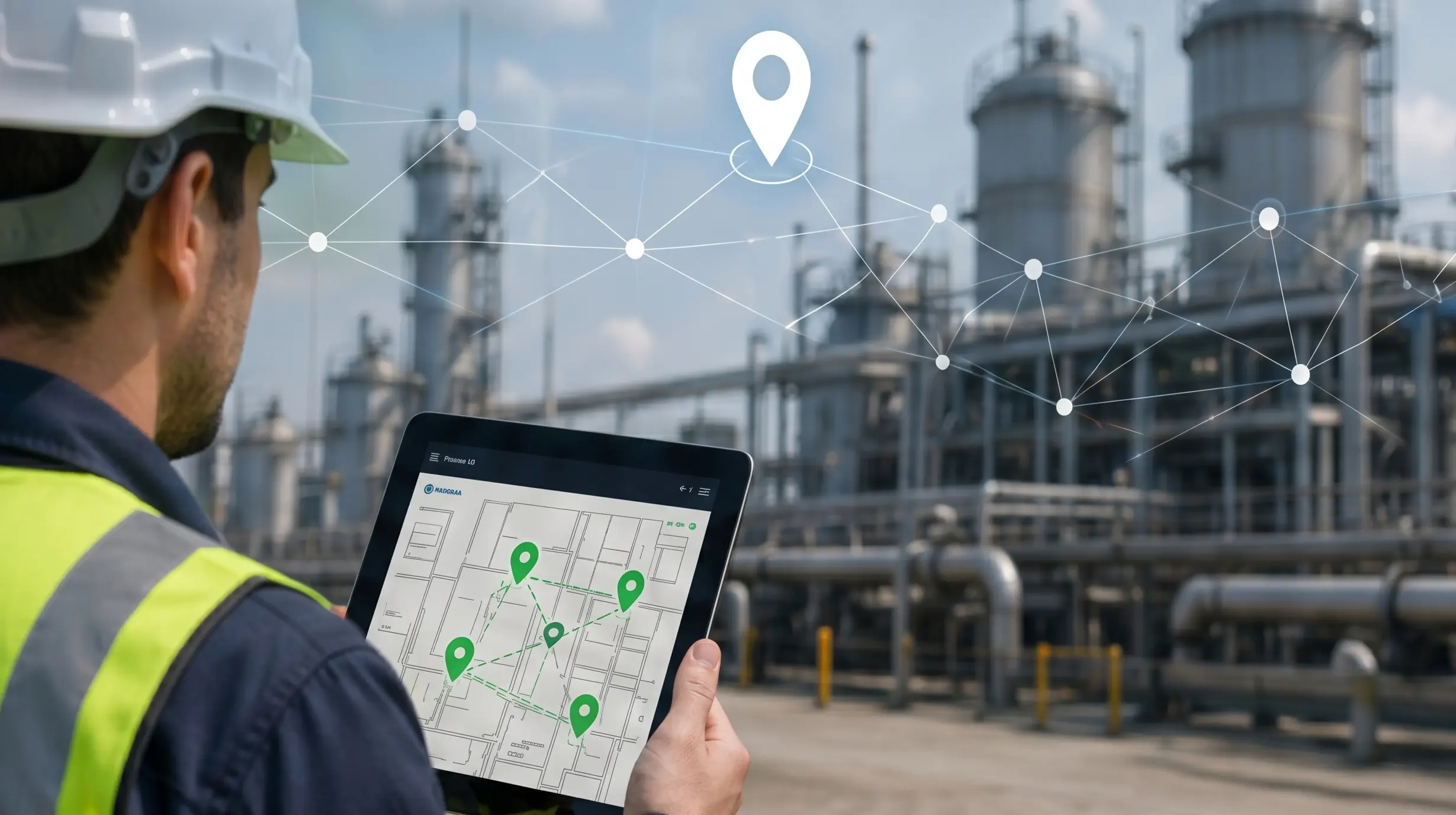
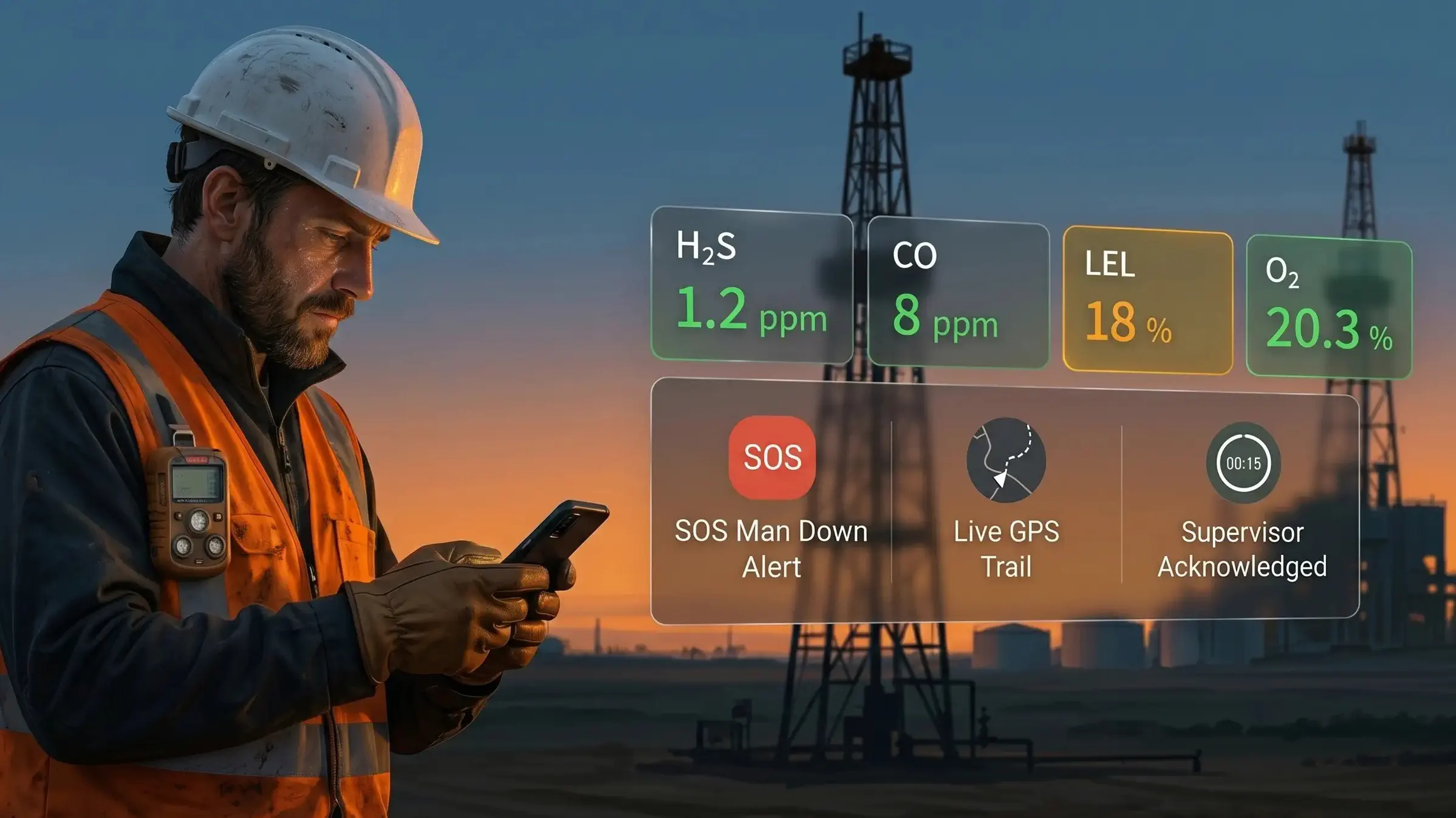
It tracks <em>gas levels</em>, <em>temperature</em>, and <em>worker location (RTLS)</em>, creating reliable audit trails and improving compliance.
How does IoT integrate with CMMS/EAM?
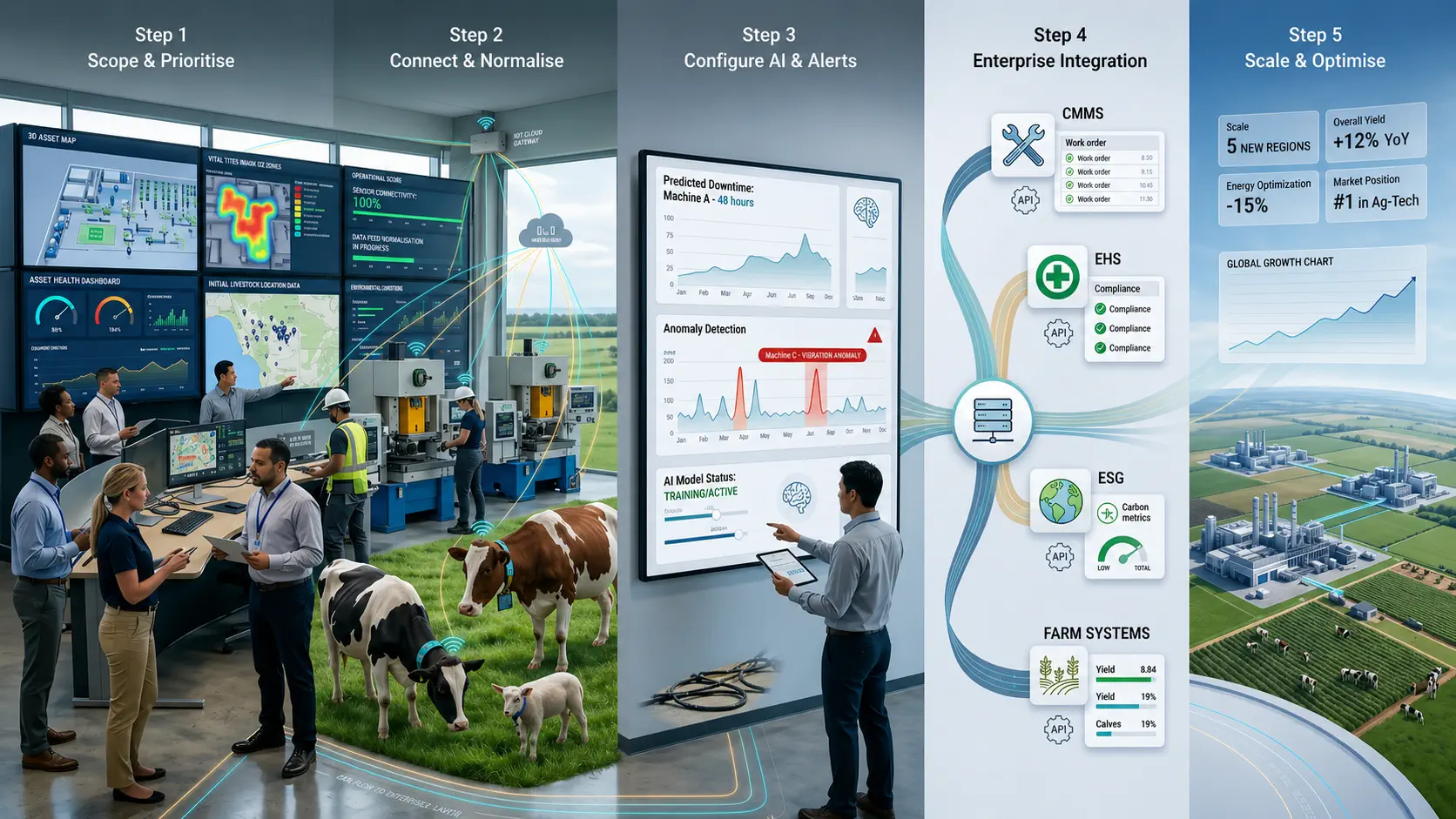
Detected issues automatically generate <em>work orders</em> with diagnostic data, closing the loop between monitoring and maintenance action.
How long does implementation take?
Typical deployment takes <em>7–16 weeks</em> for initial rollout, with additional time for scaling across sites.
What does a good dashboard look like?
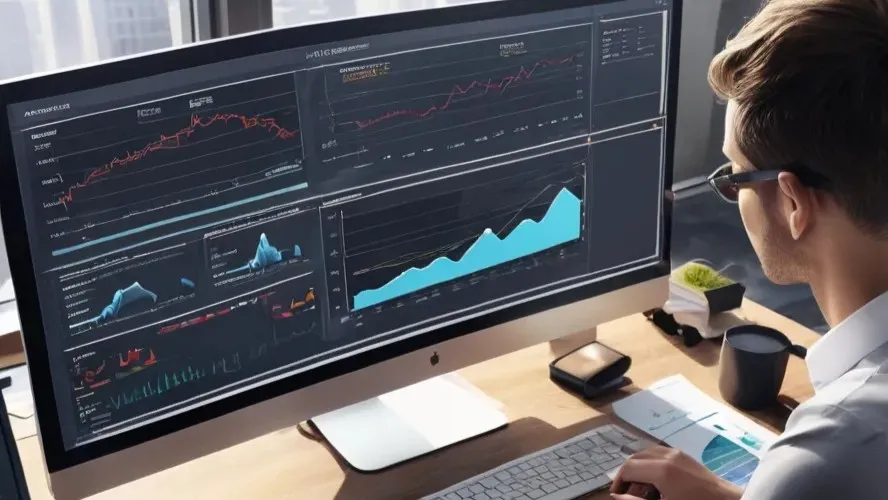
A good dashboard is <em>role-based</em>: operators see live status, maintenance sees asset health, safety sees alerts, and management sees KPIs.
What does an IoT monitoring solution cost?
Cost depends on <em>assets, hardware, connectivity, integrations, and deployment model</em>, usually calculated per site or per asset.
What are common use cases?
Key use cases include <em>predictive maintenance</em>, <em>energy monitoring</em>, <em>equipment health tracking</em>, and <em>livestock monitoring</em>.
How does PETRAN fit into IoT monitoring?
PETRAN extends monitoring into <em>AI-driven action</em> - predicting failures, automating workflows, and integrating with enterprise systems.
How does IoT animal tracking work?
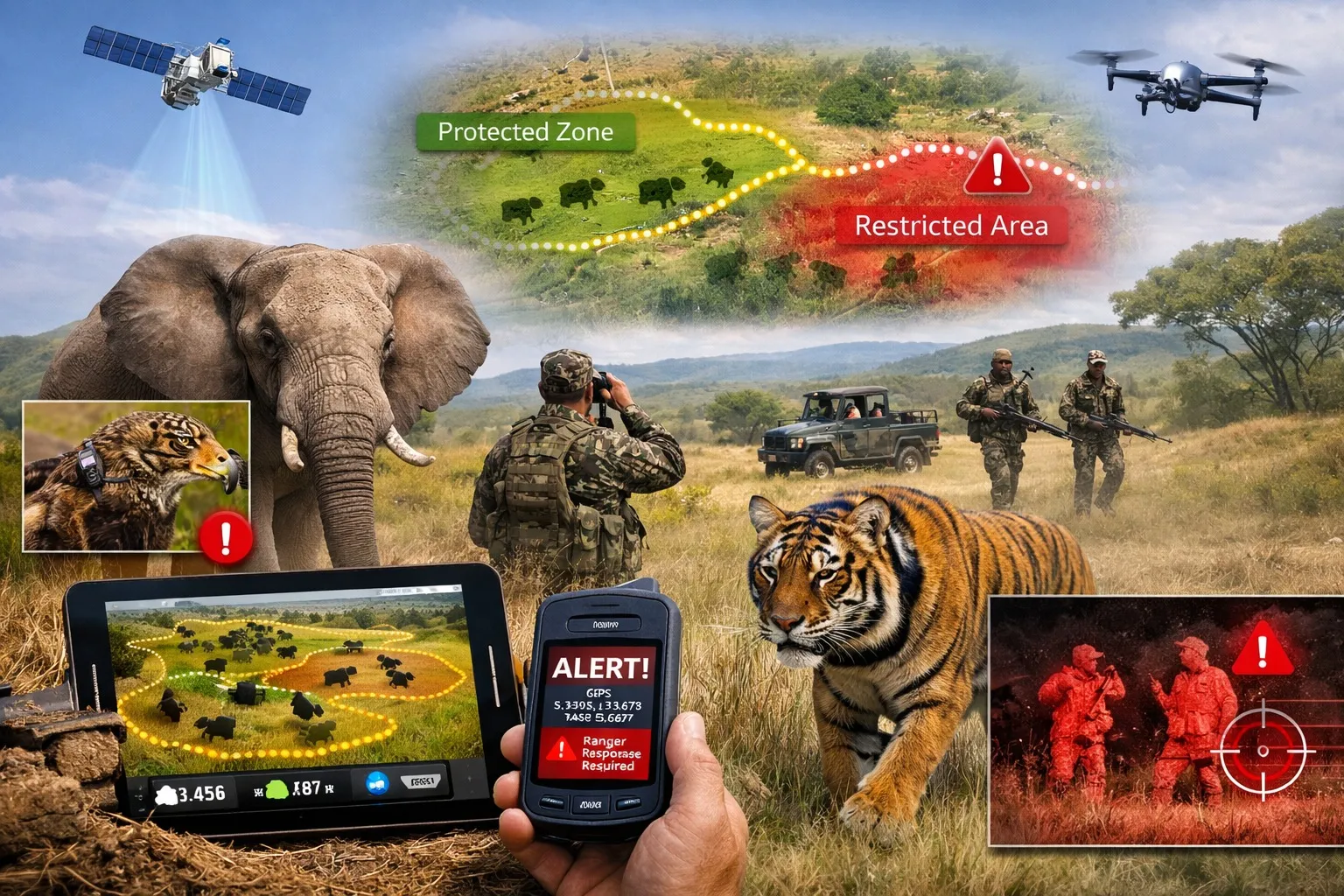
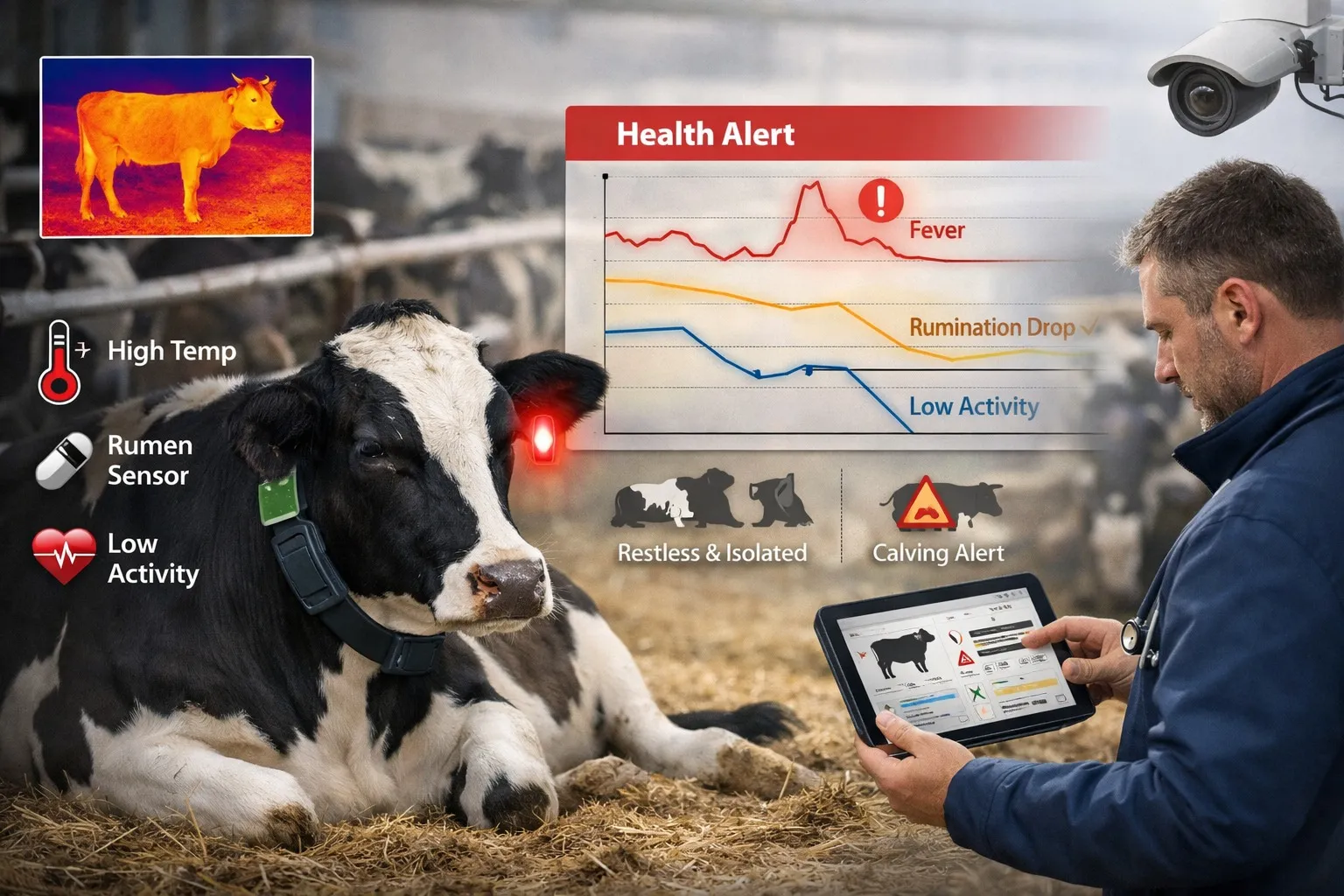
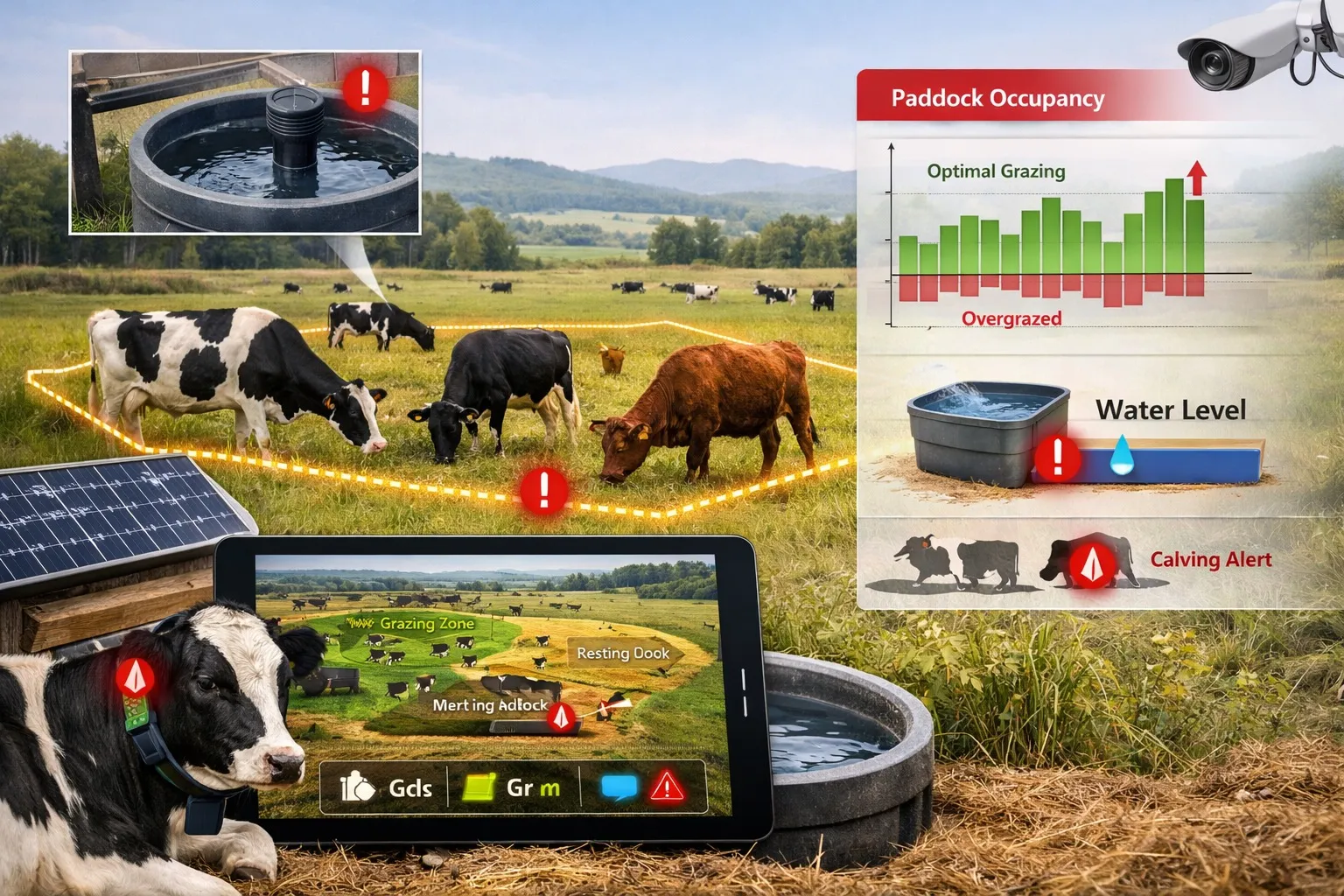
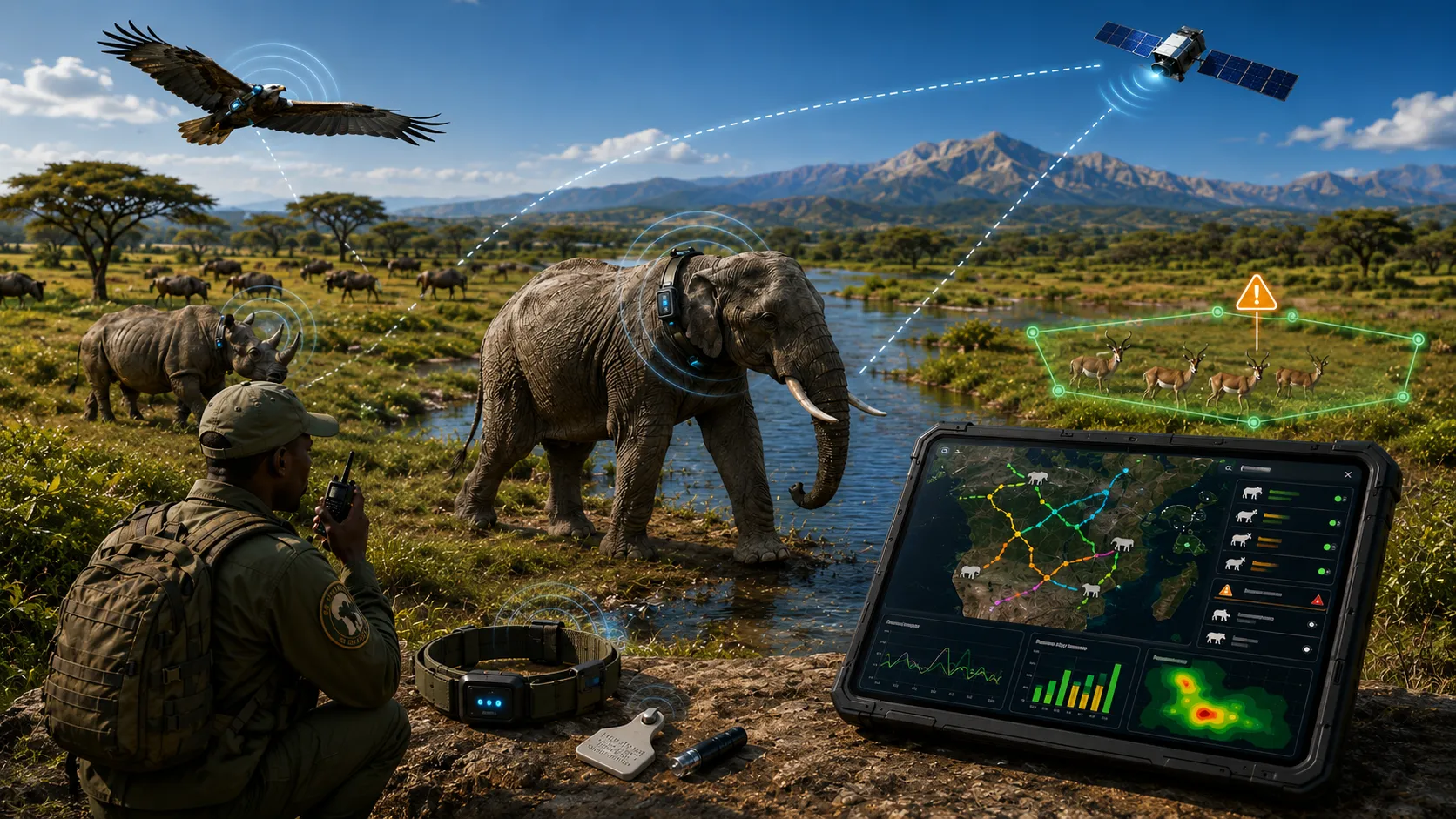
Sensors track <em>location, movement, and health</em>, sending data via LoRaWAN, cellular, or satellite to AI systems for analysis.
What are the benefits of livestock monitoring?
Benefits include <em>early disease detection</em>, <em>labour savings</em>, <em>better breeding outcomes</em>, and <em>improved compliance</em>.
What connectivity is used for tracking?
Technologies include <em>LoRaWAN</em>, <em>LTE-M/NB-IoT</em>, <em>GPS</em>, and <em>satellite</em>, depending on coverage needs.