

Ombrulla Logo
AI Infrastructure Inspection using drones, rovers, and computer vision for predictive maintenance in industrial facilities

AI Infrastructure Inspection: The Future of Maintenance

Zara Elizabeth - Business Development Associate - Ombrulla

Zara Elizabeth

Business Development Associate

Aug 21, 2025

See how AI infrastructure inspection — powered by drones, rovers, and predictive analytics — is reshaping maintenance strategy for senior leaders.
Introduction

Introduction

For most asset-intensive organizations, maintenance strategy hasn't fundamentally changed in decades. Assets get inspected on a schedule, defects get logged, and repairs happen when the calendar — or a failure — says it's time. That model is now being replaced.

AI infrastructure inspection — the use of artificial intelligence combined with mobile hardware such as drones and ground rovers — is turning maintenance from a scheduled ritual into a continuously informed decision. For senior leaders in oil and gas, manufacturing, automotive, and infrastructure, this isn't a future trend to watch from a distance. It is already changing how the best-run asset organizations plan capital spend, staff inspection teams, and manage risk.

This article looks at where that shift is heading: how drone and rover inspection work together as complementary tools, why infrastructure maintenance AI is the foundation for genuine predictive maintenance, and what senior management should do now to prepare. For a deeper technical walkthrough of aerial inspection specifically, see our companion guide to AI drone inspection — this piece focuses on the broader strategic shift, including the addition of ground-based mobile inspection to the picture.
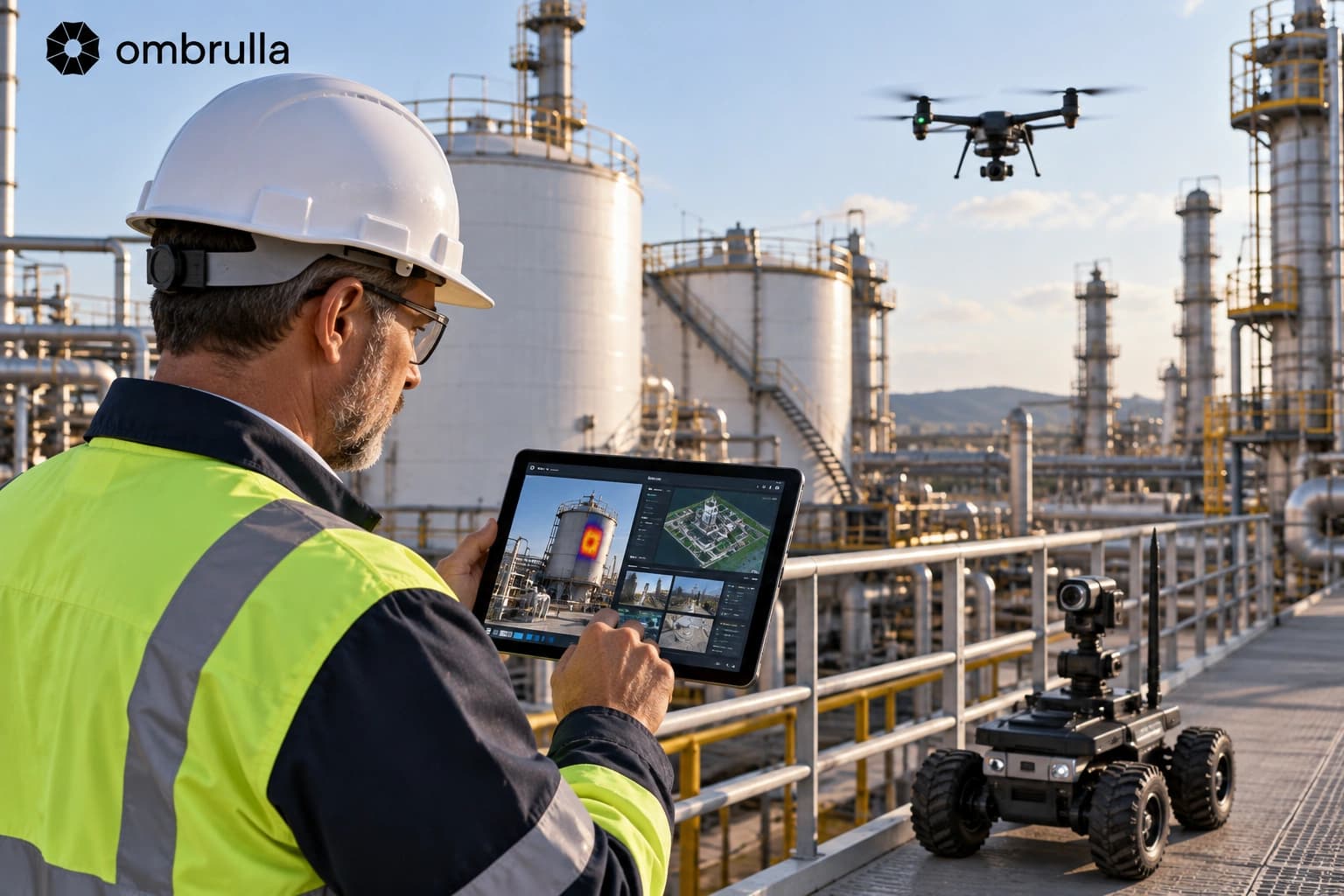
AI Infrastructure Inspection Devices including aerial drones, ground rovers, and mobile platforms for comprehensive facility monitoring

What Is AI Infrastructure Inspection?

Quick answer: AI infrastructure inspection is the use of artificial intelligence — including computer vision and machine learning — combined with mobile inspection hardware such as aerial drones and ground-based rovers, to continuously assess the condition of physical assets and feed that data into maintenance and asset management decisions. It is broader than drone inspection alone: it covers any mobile, AI-powered platform capable of capturing and interpreting asset condition data, whether airborne or ground-based.

Three elements define a genuine AI infrastructure inspection program, as distinct from a one-off drone survey or a single robotic pilot:

  • -
    Mobility across environments: the ability to cover elevated structures, open yards, indoor facilities, and confined or underground spaces using the right platform for each environment.
  • -
    A shared AI analysis layer: consistent defect-detection and severity-scoring models applied across every inspection modality, so a rover finding and a drone finding are comparable on the same scale.
  • -
    Continuous, integrated data: findings that flow automatically into enterprise asset management (EAM) and CMMS systems, building a running condition record rather than a one-time report.

This is the piece most organizations get wrong early on: they adopt a drone program, or a rover pilot, as an isolated tool rather than as one input into a single mobile AI inspection strategy.

Why the Future of Maintenance Is Arriving Now

Several forces are converging to make this shift practical rather than aspirational:

  • -
    Aging infrastructure — much of the industrial and public infrastructure base in operation today was built decades ago and is now entering a phase were condition monitoring matters more, not less.
  • -
    A shrinking inspection workforce — experienced rope-access, confined-space, and field inspectors are retiring faster than they are being replaced.
  • -
    The rising cost of unplanned downtime — a single undetected failure can cost far more than years of proactive monitoring.
  • -
    Maturing computer vision models — defect-detection accuracy for corrosion, cracking, and thermal anomalies has improved enough to support real operational decisions, not just pilots.
  • -
    Falling hardware costs — both drones and ground rovers have become significantly more affordable and reliable over the past several years.
  • -
    Regulatory and ESG pressure — boards and regulators increasingly expect documented, auditable condition data — not a paper checklist from a decade-old inspection cycle.

Drone and Rover Inspection: Two Modalities, One Mobile AI Inspection Strategy

Drones dominate the current conversation around AI inspection, but they only cover part of the physical environment. Ground rovers — wheeled or tracked unmanned ground vehicles (UGVs) — are increasingly used to close the gap, particularly indoors, underground, and in confined spaces where flight isn't practical or permitted.

ModalityBest Suited ForKey Limitations
Drones (UAV)Elevated structures, large-area aerial coverage, tall or wide linear assets, roofs, flare stacks, transmission linesLimited flight time, weather-dependent, airspace regulation, restricted indoors
Rovers (UGV)Confined spaces, indoor floors, underground tunnels and pipelines, continuous ground-level monitoring, longer-duration missionsSlower coverage of large open areas, terrain and stair limitations, not suited to elevated structures

Used together under one AI analysis layer, drone and rover inspection give organizations genuinely complete mobile AI inspection coverage — from rooftop to substructure — without permanently stationing people at height or underground for routine checks.
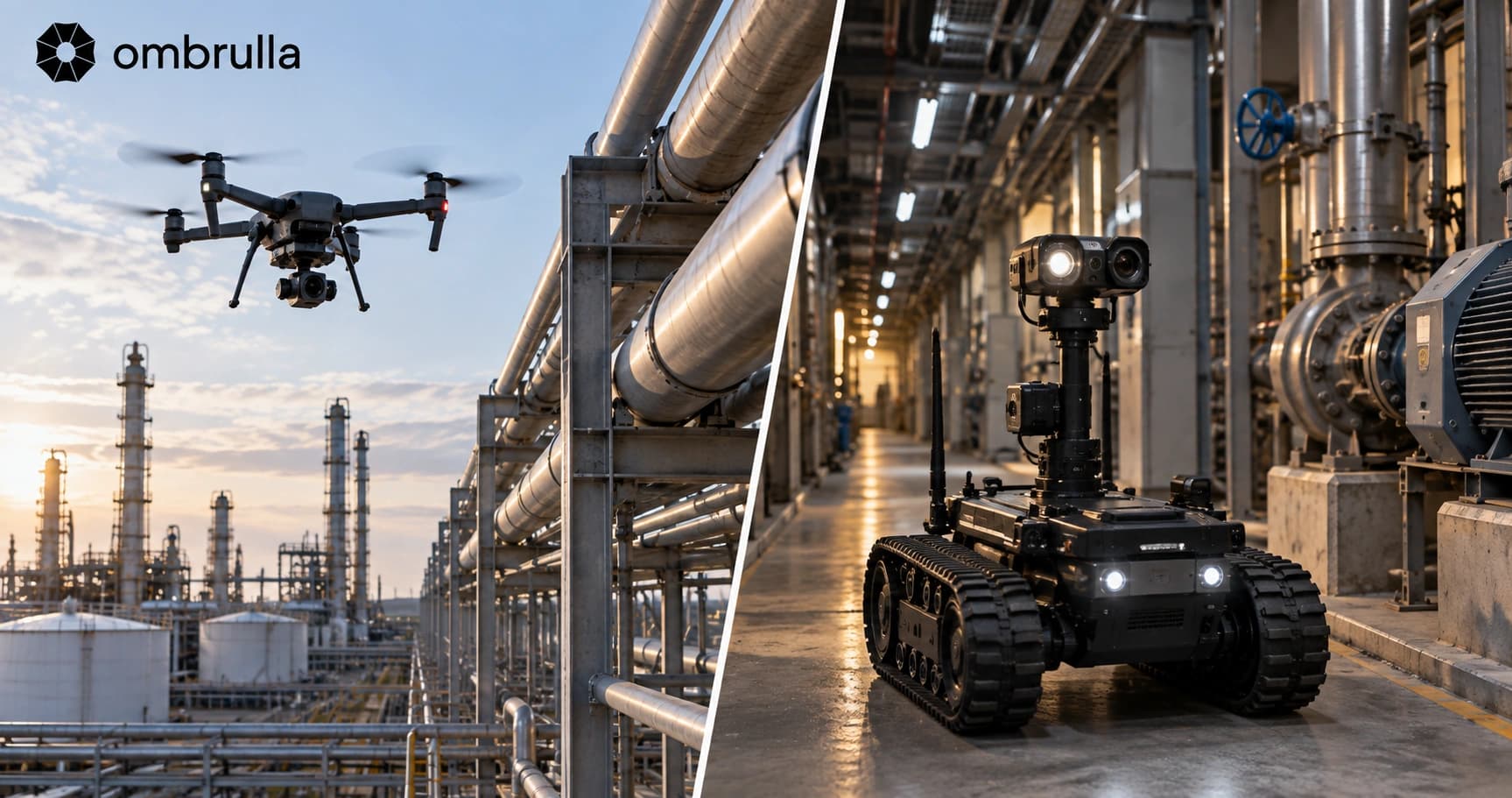
Real-time fault detection and anomaly analysis using multi-sensor robotic inspection
Drone and rover industrial inspection

From Preventive to Predictive: How Infrastructure Maintenance AI Changes the Curve

Maintenance strategy typically progresses through three stages: reactive (fix it when it fails), preventive (fix it on a fixed schedule), and predictive (fix it based on actual, measured condition). Most organizations aim for the third stage; few have the data density to genuinely reach it.

A single annual inspection — by a person, a drone, or a rover — cannot support a predictive model on its own. What changes the equation is frequency and consistency: continuous or high-frequency mobile inspection generates a steady, comparable stream of condition data across every part of an asset, indoors and out, at height and at ground level.

With that data in place, organizations can shift toward condition-based maintenance — intervening based on an asset's actual degradation rate rather than a generic calendar. This aligns with the intent of ISO 55000, the international standard for asset management, which frames maintenance decisions around risk and value rather than fixed routines.

Industry Snapshot

The shift toward mobile AI inspection looks slightly different by sector, though the underlying logic is consistent: reduce human exposure, increase inspection frequency, and unify the resulting data.
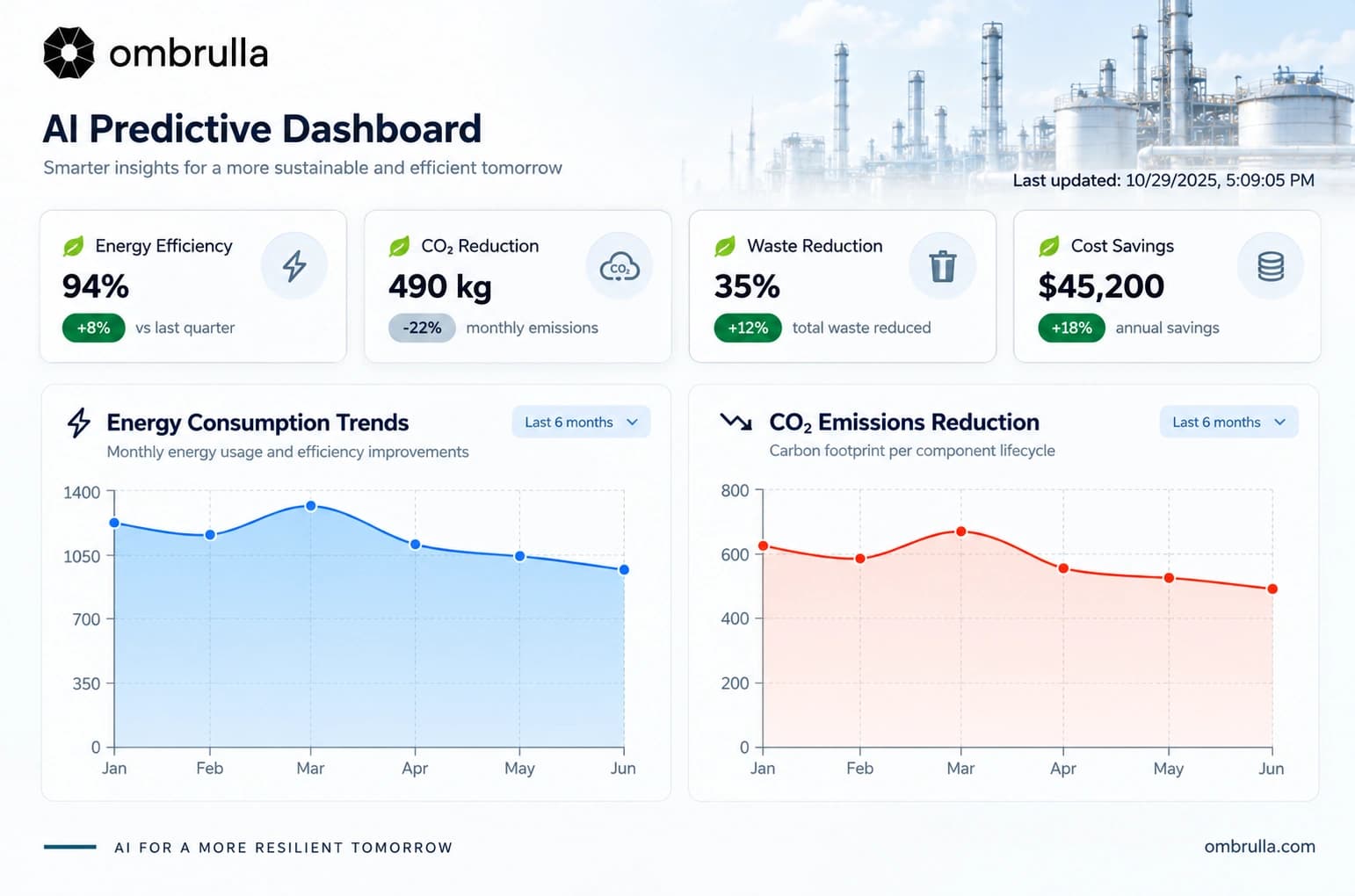
Industries utilizing AI infrastructure inspection across oil and gas, manufacturing, automotive, and civil sectors
Cross-sector adoption of multi-modal AI infrastructure inspection across primary asset-intensive industries.
  • -
    Oil & Gas:Rovers are increasingly used for pipeline interiors, tank floors, and process-area monitoring, complementing drone coverage of flare stacks, tanks, and pipeline rights-of-way.
  • -
    Manufacturing:Ground rovers patrol factory floors and equipment rooms continuously, while drones handle roof, high-bay, and overhead infrastructure checks.
  • -
    Automotive:Rovers support indoor plant and warehouse monitoring, while drones cover rooftop infrastructure and outdoor vehicle storage yards.
  • -
    Infrastructure:Drones remain central for bridges, transmission lines, and wind turbines, with rovers taking on tunnel, culvert, and substation-floor inspection.

Traditional Maintenance vs. Predictive Infrastructure Maintenance AI

DimensionTraditional (Reactive / Preventive)Predictive Infrastructure Maintenance AI
Trigger for actionFailure occurs, or a fixed schedule is reachedMeasured condition data crosses a risk threshold
Data sourceManual inspection logs, often infrequentContinuous drone and rover inspection data
CoverageLimited by access, cost, and safetyElevated, ground-level, indoor, and confined spaces
Cost patternSpikes around failures and scheduled overhaulsSmoothed, risk-prioritized maintenance spend
Risk visibilityPoint-in-time, inspector-dependentContinuous, standardized, trend-based

What This Means for Senior Leaders: Business Benefits

  • -
    1. Fewer unplanned failures: Continuous condition data catches developing defects long before they cause downtime.
  • -
    2. Lower total inspection and maintenance cost: Combining drones and rovers reduces reliance on scaffolding, rope access, and confined-space entry crews.
  • -
    3. Improved workforce safety: Both height-related and confined-space risk are reduced across the full asset envelope, not just aerial areas.
  • -
    4. Better capital planning visibility: A unified, standardized condition record across facility types supports more confident, risk-based budget decisions.
  • -
    5. A single asset condition record: Instead of separate drone reports, rover logs, and manual checklists, findings from every modality live in one system.

Limitations and What to Plan For

This shift is real, but it isn't instant or without trade-offs.

  • -
    Modality fit matters: A rover cannot inspect a flare stack, and a drone cannot inspect a buried pipeline interior — matching the platform to the environment is essential.
  • -
    Integration takes planning: Unifying drone and rover data under one AI layer, and connecting it to EAM/CMMS systems, requires upfront IT and engineering involvement.
  • -
    Human judgment still matters: In most regulated environments, a certified engineer still reviews and signs off on findings before action is taken.
  • -
    Upfront investment is real: Hardware, software, and workflow redesign require investment before savings materialize — a phased rollout reduces this risk.

Building Your Roadmap: Where to Start

  • -
    1. Identify your highest-risk or highest-cost asset class:Choose the asset class where undetected failures or manual inspection costs are most painful today.
  • -
    2. Pilot with the right modality for that environment:Use drone-first for elevated or outdoor assets, and rover-first for confined, indoor, or underground assets.
  • -
    3. Define a small set of KPIs upfront:Cost per inspection, cycle time, and defects caught early are enough to prove value in the first cycle.
  • -
    4. Integrate early, not later:Connect findings to your EAM/CMMS system from the pilot stage so data doesn't end up siloed.
  • -
    5. Expand toward a combined fleet:Add the second modality once the first has proven out, unifying both under one AI analysis layer.

Platforms such as Ombrulla are built to support exactly this kind of phased path — combining drone and rover inspection under a single AI layer and enterprise integration, so organizations can start with one modality and expand without re-architecting their inspection program later.

Conclusion: The Future of Maintenance Is Autonomous and Predictive

The future of maintenance isn't a single new tool — it's a shift in how organizations generate and use condition data across the entire physical environment of their assets, above ground and below, indoors and out.

For senior leaders across oil and gas, manufacturing, automotive, and infrastructure, the practical next step is a focused pilot: one asset class, one well-matched modality, and a clear set of KPIs, before scaling toward the combined drone-and-rover model this article describes.

If your organization is exploring what a mobile AI inspection strategy could look like across your asset base, Ombrulla's team can help you map a starting point suited to your environment.

Frequently Asked Questions

What is the difference between AI infrastructure inspection and traditional inspection?

Traditional inspection relies on scheduled, manual walkdowns — often annual — using dangerous physical access methods such as rope access, scaffolding, or bucket trucks, resulting in subjective, paper-based reporting. AI infrastructure inspection utilizes autonomous mobile hardware (aerial drones and ground rovers) equipped with multi-sensor payloads and computer vision AI to capture, analyze, and quantify asset condition far more frequently and objectively, without placing human inspectors in hazardous environments.

What is a rover inspection robot, and how is it different from a drone?

A rover, or Unmanned Ground Vehicle (UGV), is a wheeled, tracked, or legged robotic platform that inspects industrial assets from ground level or within confined spaces. Unlike aerial drones (UAVs) which excel at wide-area aerial coverage and elevated structures, rovers are purpose-built for indoor factory floors, underground utility tunnels, culverts, and storage tank interiors where flight is impossible or prohibited. Rovers also feature longer battery endurance (4–8 hours) and carry heavier sensor payloads.

Is predictive infrastructure maintenance the same as preventive maintenance?

No. Preventive maintenance follows a fixed calendar or operating-hour schedule regardless of actual asset health, often leading to premature part replacement or failing to catch defects that develop between scheduled cycles. Predictive infrastructure maintenance uses continuous condition data — generated by high-frequency drone and rover AI inspections — to trigger maintenance interventions only when an asset's measured degradation rate crosses an empirical risk threshold, maximizing asset lifespan and minimizing downtime in alignment with ISO 55000.

What is mobile AI inspection?

Mobile AI inspection refers to any artificial intelligence-powered inspection system deployed on dynamic, physically mobile platforms — including aerial drones, ground rovers, crawlers, and handheld mobile devices — that navigate through or around industrial assets to collect visual, thermal, and spatial telemetry, as opposed to fixed IoT sensors that monitor only a single, localized point.

Do drones and rovers use the same AI models?

While specialized perception models differ to account for variations in camera angles, standoff distances, and lighting conditions between airborne and ground perspectives, an enterprise inspection architecture applies a unified defect classification and severity-scoring framework across both platforms. This ensures that a corrosion patch or crack identified by a rover is graded on the exact same standardized engineering scale as one detected by an aerial drone.

How does infrastructure maintenance AI reduce unplanned downtime?

By dramatically increasing inspection frequency and deploying automated defect-detection models, infrastructure maintenance AI detects microscopic and thermal anomalies (such as corrosion under insulation, micro-fissures, bearing overheating, or structural deformation) at their earliest nascent stages. This provides maintenance planners with weeks or months of advance notice to stage parts and plan repairs during scheduled turnarounds rather than experiencing an emergency plant outage.

What's the first step to adopting AI infrastructure inspection?

The most effective starting point is a focused, 60-to-90-day pilot program targeting a single high-risk or high-maintenance-cost asset class. Choose the robotic modality (drone or rover) best matched to that asset's physical environment, establish concrete operational KPIs (such as turnaround speed, defect catch rate, and cost reduction), and ensure findings are integrated directly into your enterprise CMMS/EAM system from the outset before expanding across a multi-modal fleet.